
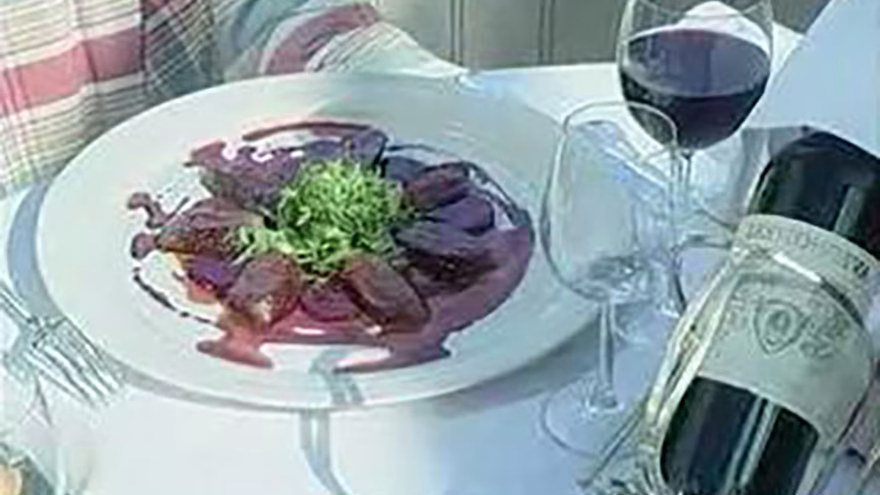
Roe deer fillet with pear in red vine recipe keeps the old title, but the dish is really a refined venison plate with pears poached in red wine, a reduced game sauce, red beet, herbs, and a quick-cooked tender fillet. It is not a beginner weeknight meal. It asks for organization, a thermometer, clean game handling, and enough patience to prepare the sauce and garnishes before the meat hits the pan. Done well, the plate balances lean venison, sweet pear, sharp vinegar, earthy beet, and a glossy sauce.
What is this recipe trying to do?
The original recipe listed young roe deer fillets, red wine, port, shallot, garlic, peppercorns, clove, juniper, currant jelly or Liege syrup, pears, beet, herbs, olive oil, and balsamic vinegar. That is a classic game structure: lean meat, fruit, wine, spice, sweet reduction, and an earthy side.
Because roe deer can be hard to source, the method also works as a guide for other lean venison fillets. The exact meat may change, but the cooking logic stays the same. Keep the fillet dry, cook it hot and fast, rest it, and do not bury it under too much sauce.
For another game-bird style comparison, a recipe such as grilled whole duck shows the opposite problem: duck has more fat and needs a different heat strategy. Roe deer fillet is lean and less forgiving.
Prepare the sauce first
Start with game stock or a strong beef stock if game stock is not available. Add red wine, a spoonful of port, minced shallot, a small piece of garlic, peppercorns, clove, juniper berries, and a teaspoon of currant jelly or Liege syrup. Simmer gently until the sauce reduces and tastes rounded.
Strain the sauce through a fine sieve. Do not leave crushed spices in the finished sauce unless you want a gritty texture. Taste for salt only after reducing because the flavor concentrates as water evaporates.
Reduction needs patience. A violently boiled sauce can taste harsh and flat. A slower reduction gives the wine, stock, spice, and sweetness time to come together.
Poach the pears in red wine
Peel the pears, halve them, and remove the cores. Simmer red wine with a small piece of cinnamon, bay leaf, clove, juniper, lemon juice, red wine vinegar, and a little sugar. The liquid should taste sweet, tart, and lightly spiced.
Poach the pear halves until tender but not collapsing. Keep them warm in the liquid until plating. If the pears finish early, take the pan off the heat and let them sit covered. They will take on more color and flavor without turning mushy.
Choose firm pears. Very ripe pears can fall apart before they absorb the wine. Slightly firm fruit gives you cleaner halves and a better plate.
Cook the beet garnish
Scrub the beet well, then simmer it with onion, celery, clove, bay leaf, garlic, ginger, vinegar, sugar, pepper, salt, and water until just tender. The original recipe wanted the beet lightly crunchy, which gives the plate contrast.
Once cool enough to handle, peel and cut the beet neatly. Dress it lightly with balsamic vinegar, olive oil, salt, pepper, and chopped herbs. Flat parsley, cress, tarragon, or a small amount of lemon grass can work if used with restraint.
Vegetable sides should support the meat. A simple green dish, like asparagus rolls, can fit beside a game course when you want a brighter plate.
Handle venison cleanly
Wild game needs careful handling before it reaches the kitchen. Cornell Wildlife Health Lab's venison handling tips emphasize clean tools, separate processing, and careful labeling. That advice matters even if you buy from a processor, because cross-contamination can undo good cooking.
If the venison came from hunting, be aware of lead exposure questions when lead ammunition was used. The Illinois Department of Public Health has a lead in venison fact sheet that explains how fragments can remain in meat. Use trusted sourcing and trimming practices.
Clean handling comes before flavor. Keep raw venison away from ready-to-eat garnishes, wash hands and boards, and keep the meat cold until you are ready to cook.
Cook the roe deer fillet
Pat the fillets dry and season with salt and pepper shortly before cooking. Heat a heavy pan until hot, add a little neutral oil, and sear the fillets quickly on all sides. Add a small knob of butter near the end if you want a richer finish.
FoodSafety.gov lists rabbit and venison, wild or farm-raised, at 160 degrees F on its safe minimum temperature chart. Many chefs serve tender venison lower for texture, but this article cannot override food safety guidance. Use a thermometer and make your risk choice knowingly.
Rest the fillet before slicing. Lean meat loses moisture fast when cut straight from the pan. A short rest also gives you time to warm the sauce and arrange the pear and beet.
Finish and plate the dish
Place beet and herbs first, then the pear, then sliced fillet. Spoon sauce around the meat rather than drowning it. A few drops of balsamic or a small leaf salad can sharpen the plate if the sauce tastes very rich.
If you want a spice reference for the juniper, clove, pepper, and cinnamon direction, a broader guide like making your own seasoning mix can help you think in terms of balance rather than dumping spice by habit.
Keep the plate restrained. This dish already has wine, fruit, beet, herbs, and game. Too many extra garnishes will make it look busy and taste confused.
Plan the timing before you cook
This recipe is much easier if the sauce, pears, and beet are finished before the fillet goes into the pan. The meat cooks quickly, and you do not want to be peeling pears while the venison is resting.
Make the sauce first because it can wait. Poach the pears next and keep them warm. Cook and dress the beet before the final sear. Then clear the counter, warm the plates, and cook the fillets last.
Last-minute cooking belongs to the meat. Everything else should be ready enough that the fillet gets your full attention.
What if the sauce tastes wrong?
If the sauce tastes sharp, simmer it a little longer or add a tiny amount of currant jelly. If it tastes too sweet, add a splash of red wine vinegar. If it tastes flat, it may need salt after the reduction is complete.
If the sauce is too thin, reduce it gently. If it becomes too strong, loosen it with a spoonful of stock or water. Do not keep adding spice at the end; late spice can taste raw and disconnected.
Adjust slowly. A sauce can move from balanced to heavy in one careless spoonful, especially when wine and sweet fruit are already involved.
Can you change the garnish?
Yes, but keep the same logic. Roe deer is lean, so it likes something juicy, something earthy, and something sharp. Pear, beet, vinegar, and herbs fill those roles. If you remove one, replace the role rather than copying the exact ingredient list.
Roasted carrots, parsnip puree, bitter greens, or a small potato cake can work if they stay quiet. Avoid very sweet sides if the pears and sauce are already sweet.
Balance the plate. The meat should taste like itself, with fruit and sauce making it clearer rather than heavier.
Warm plates help more than extra sauce. Venison cools quickly once sliced, and a cold plate can make careful cooking feel wasted. Heat the plates gently, then wipe the rim before serving.
Frequently Asked Questions
Can I use regular venison instead of roe deer?
Yes. Use a tender loin or fillet-style cut and adjust cooking time by thickness. Tougher cuts need braising, not quick searing.
What wine should I use?
Use a dry red wine you would drink with game. It does not need to be expensive, but it should not taste harsh before cooking.
Can I make the sauce ahead?
Yes. Make and strain the sauce ahead, then reheat gently. Taste for salt after reheating and thinning if needed.
What if I do not have juniper berries?
Skip them rather than replacing them with a random spice. Juniper gives a piney game-friendly note, but the dish can still work without it.
Roe deer fillet with pear in red wine is a planned dish, not a last-minute one. Prepare the sauce and garnishes first, handle venison cleanly, cook with a thermometer, and let the lean meat stay the center of the plate.

Linda Fehrman
Edits general wellness and relationship explainers. Health material is educational, avoids diagnosis and links to health-authority guidance.



Leave a reply
Replying to