
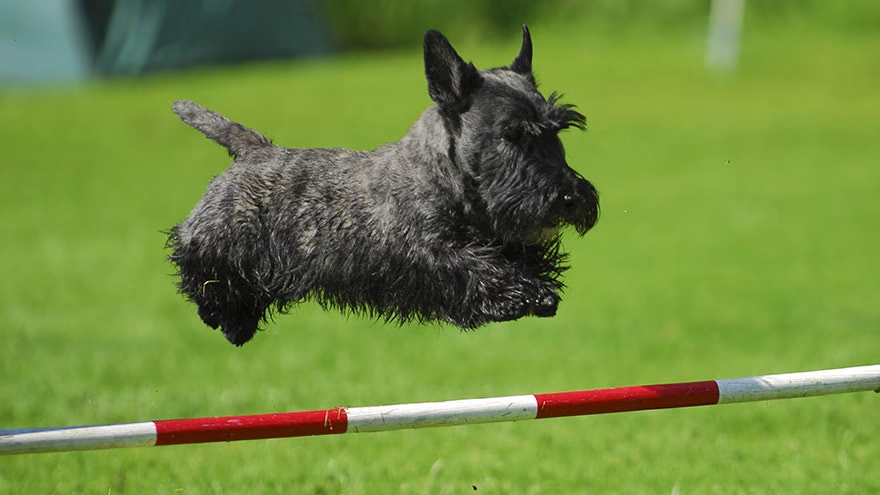
Scottish Terrier Health Starts With Knowing the Breed
Scottish Terrier health is not a list of reasons to avoid the breed. It is a practical watchlist for a sturdy, independent terrier with a few health concerns owners should take seriously. Scotties can be bold, compact, loyal, and long-lived, but their risks include bleeding disorders, bladder cancer, movement episodes, skin issues, dental disease, and weight-related strain.
The AKC's Scottish Terrier breed page describes the breed as independent, confident, and compact, with a hard wiry coat. That structure and personality affect care. A Scottie may not show discomfort dramatically, so owners need routine checks rather than waiting for obvious distress.
Use this guide as a conversation map for your veterinarian and breeder. It is not a diagnosis tool, and it cannot replace an exam.
Ask About von Willebrand Disease
Von Willebrand disease is an inherited bleeding disorder that affects clotting. In a dog with significant disease, surgery, injury, dental extraction, or even a small wound can create more bleeding than expected. Scottish Terriers are one of the breeds owners should ask about.
A PubMed-indexed paper on the mutation causing von Willebrand's disease in Scottish Terriers describes vWD in the breed as a serious hereditary bleeding disorder. That does not mean every Scottie is affected. It means testing history matters.
Ask breeders whether the parents were tested and how results are documented. Tell your veterinarian the breed before surgery, dental procedures, or any event where bleeding risk matters. If your dog bruises easily, has nosebleeds, bleeds heavily after nail trims, or has prolonged bleeding from a small cut, call a veterinarian.
The useful habit is test before trouble. Bleeding risk is easier to manage when the veterinary team knows before a procedure.
Watch Urinary Signs Carefully
Scottish Terriers are known for increased concern around bladder and urinary tract tumors, especially transitional cell carcinoma, now often called urothelial carcinoma. Owners should not panic over every urinary change, but they should not ignore repeated signs either.
Purdue University's veterinary interview on screening Scottish Terriers for bladder cancer says Scotties have a much higher risk of developing TCC than dogs in other breeds. The article discusses screening and early treatment research, which is a useful reminder to involve a veterinarian early.
Call your veterinarian if you notice blood in urine, straining, frequent urination, accidents in a house-trained dog, repeated urinary infections, or discomfort while urinating. These signs can also come from stones or infection, so diagnosis matters.
Do not treat urinary signs only with home remedies. A persistent pattern needs testing, which may include urinalysis, imaging, culture, or referral depending on what the veterinarian finds.
Understand Scottie Cramp
Scottie Cramp is a movement disorder associated with the breed. It can show up as abnormal gait or stiff movement, often during excitement, stress, or exercise. It is not the same as a muscle cramp from dehydration, and it is not a reason to punish the dog for moving oddly.
The Scottish Terrier Club of America's health library includes resources on Scottie Cramp, von Willebrand disease, and other breed concerns. Breed-club libraries are useful because they preserve problems that may not appear in a short breed summary.
If your Scottie develops unusual movement, video the episode safely and show it to your veterinarian. Include what happened before it started: running, excitement, stress, heat, rough play, or a new medication.
The key is observe without guessing. Movement episodes can have several causes, and the video helps your veterinarian separate them.
Skin, Coat, and Dental Care
Scotties have a wiry coat that needs regular brushing, trimming, or hand-stripping depending on the coat style and owner goals. A neglected coat can hide skin irritation, mats, fleas, lumps, or sore areas. Grooming is also a health check.
Dental care matters because small and medium dogs can develop plaque and gum disease quietly. Brush with dog-safe toothpaste, schedule veterinary dental checks, and treat bad breath, loose teeth, or mouth pain as health concerns.
Skin allergies, ear irritation, and hot spots can happen in many breeds. Watch for licking, chewing, odor, redness, hair loss, or repeated ear debris. A terrier that scratches all night is not just being fussy.
Livecub's longhair dachshund grooming guide covers a different coat, but the practical lesson is the same: grooming works best when it reaches skin, ears, nails, and feet.
Weight, Exercise, and Joint Strain
Scotties are compact dogs with short legs and solid bodies. Extra weight can make movement harder and add strain to joints, back, and breathing. A dog that looks sturdy can still be overweight.
Use measured meals and keep treats small. Scotties often enjoy training games, sniff walks, puzzle toys, and controlled play. They do not need endless high-impact exercise, but they do need regular activity and mental work.
Terrier independence can make recall unreliable around squirrels, cats, and wildlife. Use leashes or secure areas. Injury prevention is part of health care, especially for a dog with a strong chase instinct.
For a contrast in breed energy and structure, Livecub's Miniature Schnauzer questions article shows how another small terrier-type companion may need a different grooming and activity plan.
Use Breeder Testing and Veterinary Records
A responsible breeder should talk openly about health testing, family history, temperament, and known breed risks. Be cautious if a breeder says the line has no health issues at all. Every breed has risks, and honest records are better than perfect-sounding claims.
Ask for documentation, not only reassurance. Genetic tests, veterinary exams, eye checks, and other screening records help owners make informed decisions. Keep copies for your own veterinarian.
Livecub's article on Staffordshire Bull Terrier health problems is a useful comparison because breed health work is not about fear. It is about knowing what to screen, watch, and discuss.
This article is general dog-health information and is not veterinary advice. If your Scottish Terrier has bleeding, urinary changes, abnormal movement, pain, collapse, or ongoing skin problems, contact a veterinarian.
Plan for Senior Years Early
Scottish Terriers can stay mentally sharp and opinionated as they age, so owners may miss slow physical changes. Track stairs, jumping, appetite, water intake, urination, weight, cough, sleep, and how long walks take. Small changes matter when they repeat.
Ask your veterinarian when to add senior bloodwork, urinalysis, dental review, pain assessment, and lump checks. Earlier baselines make later changes easier to interpret. A senior plan should include comfort and detection, not only vaccines.
Adjust the house before mobility is poor. Use traction rugs, keep nails trimmed, offer a low bed, and avoid slippery stairs. The goal is to keep the dog moving without turning every hallway into a risk.
Build a Home Health Routine
Once a month, run a quiet nose-to-tail check: eyes, ears, mouth, skin, coat, paws, nails, weight, lumps, gait, and bathroom habits. Write down changes. A small notebook or phone note can help catch patterns before they become urgent.
Know your dog's normal urine habits, appetite, energy, bark, movement, and sleep. Scottish Terriers are tough-minded enough that subtle changes may be the first clue. If a change repeats, call sooner rather than waiting for a dramatic sign.
Keep a folder for test results, medications, anesthesia notes, dental records, imaging, and pathology reports. If the dog changes clinics or needs emergency care, those records help the next veterinarian understand risk faster.
Ask your vet what should count as urgent for your individual dog. A Scottie with previous urinary signs may need faster testing than a dog with no history. A dog with known bleeding risk may need a different surgery plan than a clear-tested dog.
A good Scottish Terrier health plan is steady and specific: breeder records, veterinary partnership, grooming checks, dental care, weight control, and fast attention to bleeding or urinary signs. That is how owners respect the breed's toughness without ignoring risk.
Frequently Asked Questions
What health problems are Scottish Terriers known for?
Owners should ask about von Willebrand disease, bladder cancer risk, Scottie Cramp, skin issues, dental care, weight, and movement changes.
What is Scottie Cramp?
It is a movement disorder associated with the breed that can appear during excitement, stress, or exercise. A veterinarian should evaluate abnormal movement.
Why are urinary signs serious in Scottish Terriers?
Scotties have increased concern around bladder tumors, but urinary signs can also come from infection or stones. Testing is needed.
Should breeders test Scottish Terriers for health issues?
Yes. Ask for documented testing and family history, especially around known breed risks such as bleeding disorders and other inherited concerns.

Chiara Bradshaw
Covers education, culture and creative topics with an emphasis on readable explanations and verifiable references.



Leave a reply
Replying to