
California Caving Comes in Different Forms
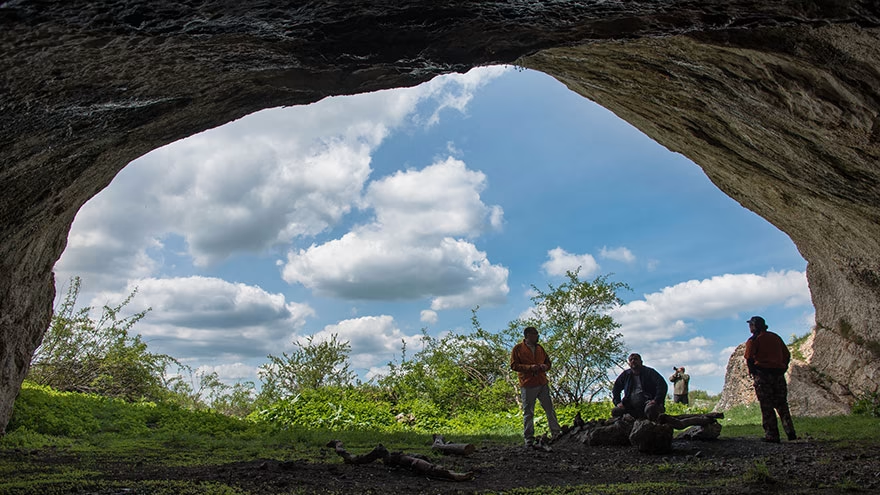
Spelunking in California can mean a guided cavern tour, a short talus-cave hike, a lava tube route, or a more serious caving trip with helmets and multiple lights. Those are not the same activity. Choose the cave style before choosing the destination.
Casual visitors should start with managed sites, current status pages, and ranger guidance. Unmanaged caves require training, partners, equipment, and restraint. Underground travel is not the place to improvise.
The cave decides the gear and the plan.
Lava Beds National Monument
Lava Beds National Monument is one of California's signature caving destinations. The National Park Service says Lava Beds has more than 800 caves and requires a free caving permit before entering any cave.
The permit process helps visitors prepare and helps reduce the spread of white-nose syndrome to bats. Check in at the visitor center, ask which caves fit your experience, and do not skip the safety information because a cave is near a road.
For another remote outdoor site where preparation changes the day, Livecub's Spiral Jetty guide is a useful planning comparison.
Pinnacles National Park Talus Caves
Pinnacles National Park has talus caves formed by boulders lodged in narrow canyons. The experience feels different from walking through a limestone cavern or lava tube. Passages can be dark, uneven, wet, or seasonally closed.
The NPS Pinnacles cave status page tracks Bear Gulch Cave and Balconies Cave access. Bear Gulch Cave access can change to protect bats, so check status before driving.
A cave that was open last month may not be open today.
Mitchell Caverns
Mitchell Caverns in Providence Mountains State Recreation Area offers a guided cave option in the Mojave Desert. California State Parks describes the tour as a vigorous 1.5-mile round trip hike plus a two-hour guided cave tour.
This is a good choice for travelers who want cave scenery with a structured visit. Reservations, heat, road conditions, and tour timing matter. Desert planning is part of the cave plan.
If your California trip includes other scenic walks, Livecub's Skyline Drive waterfalls guide offers a useful contrast in matching terrain, time, and weather.
What to Bring for Simple Caving
Bring a helmet, sturdy shoes, gloves, layers, water, snacks, and more than one light source. For Lava Beds-style caves, knee pads can make low passages less painful. Do not rely on a phone flashlight as your main light.
Each person needs their own light. A group with one bright flashlight is not prepared. If that light fails or the person carrying it slips, everyone is suddenly in trouble.
Every caver should carry their own light and backup.
Group Size and Safety
The U.S. Forest Service's cave safety guidance says never go caving alone and recommends a group size that allows someone to stay with an injured person while others go for help. That is not overkill.
Tell someone outside the cave where you are going and when you expect to return. Stay together underground. Do not split into side passages unless everyone understands the route and the plan.
Good caving groups make boring safety choices early.
Protect Bats and Cave Features
Caves are sensitive places. Bats may use them for roosting, wintering, or maternity seasons. Rock formations, sediments, and biological communities can be damaged by one careless touch or muddy boot.
Follow posted closures, clean gear as instructed, stay on permitted routes, and do not touch formations. Do not bring gear from one cave region to another without following decontamination guidance.
Check Status Before You Drive
Cave access changes because of wildlife protection, flooding, maintenance, fire conditions, staffing, and safety concerns. Always check the official site the day before and, when possible, the morning of the visit.
This matters especially at Pinnacles, where cave sections can open and close independently, and at guided sites where tour spaces may be limited. A backup hike prevents a closure from ruining the day.
What Beginners Should Avoid
Beginners should avoid tight crawls, vertical drops, wild caves without experienced partners, and any route that requires ropes or technical knowledge. They should also avoid caves during or after heavy rain when flooding or slick footing may be a risk.
Start with ranger-described beginner caves, guided tours, or short marked routes. Experience should build gradually. Confidence underground is useful only when it is backed by skill.
For hikers who use poles above ground, Livecub's walking sticks adjustment guide can help with approach hikes, though poles should not be carried awkwardly through tight cave passages.
Clothing and Footwear
Wear clothes that can get dirty, snagged, or scraped. Caves can be colder than the surface, and desert caves can still surprise visitors who dressed only for heat. A light layer in the pack is often useful.
Shoes should grip rock and protect toes. Sandals are a poor choice for most caves. Gloves can protect hands from rough rock, but they are not permission to touch delicate formations.
A Responsible California Cave Day
Choose one main cave area, check official status, pack lights and layers, tell someone your plan, and leave extra time. Do not stack too many caves into one day if fatigue will make the last one careless.
After the visit, clean boots and gear as directed. Put wet or muddy clothing in a separate bag. Write down which caves felt comfortable and which were too tight, too dark, or too demanding. That helps choose the next trip wisely.
A Beginner-Friendly Plan
For a first trip, choose one managed area and stay with the easiest routes. At Lava Beds, ask rangers which caves match beginners that day. At Pinnacles, pair a cave route with a normal hike so a closure still leaves a good outing.
Do not plan a first cave day around squeezing, crawling, or long underground time. Let the first goal be learning how darkness, footing, and temperature feel. The next trip can be more ambitious if the first one goes well.
Beginner caving should build confidence slowly.
Families and Children
Children can enjoy managed caves when adults keep the plan realistic. Use short routes, extra lights, warm layers, snacks, and clear rules. Children should not run, hide, climb off route, or move ahead of adults underground.
Talk about darkness before entering. Some children love caves until the daylight disappears. Turning around early is better than forcing a frightened child deeper into a passage.
Desert Logistics
Several California cave trips involve desert or high-desert conditions. Surface heat, long drives, limited services, and rough roads can matter as much as the cave itself. Carry water for before and after the cave, not only during the hike.
Check fuel, road conditions, visitor center hours, and reservation rules. A guided cave tour may require timed arrival, while a permit site may depend on visitor center operating hours.
The cave trip starts before the cave entrance.
Photography Underground
Photography is harder underground than many visitors expect. Low light, wet rock, dust, and tight spaces can make cameras distracting. If taking photos makes you step off route or touch formations, put the camera away.
Use a wrist strap, keep gear compact, and never block a narrow passage for a long photo session. A safe, respectful visit matters more than a dramatic shot.
Set the camera before entering when possible. Fewer adjustments underground means more attention on footing, group spacing, and the marked route in low light safely inside.
After the Trip
Clean mud from boots, wash clothing, dry lights, and check helmets or straps for damage. Store cave gear separately if a park gives decontamination instructions. This helps protect bats and keeps equipment ready for the next trip.
Review the day while details are fresh. Note which route felt easy, where the group slowed, and what gear was missing. That small habit makes future caving safer and more enjoyable.
Frequently Asked Questions
Where is the best place to go spelunking in California?
Lava Beds National Monument is one of the best-known choices, while Pinnacles and Mitchell Caverns offer different managed cave experiences.
Do I need a permit at Lava Beds?
Yes. The National Park Service requires a free caving permit before entering caves at Lava Beds.
Are Pinnacles caves always open?
No. Cave status changes for bat protection, weather, and safety. Check the official cave status page before visiting.
Can beginners go caving alone?
No. Beginners should use guided or managed sites and never enter caves alone.

Olivia Prete
Edits culture and personal-development articles, distinguishing opinion and experience from verifiable claims.



Leave a reply
Replying to