
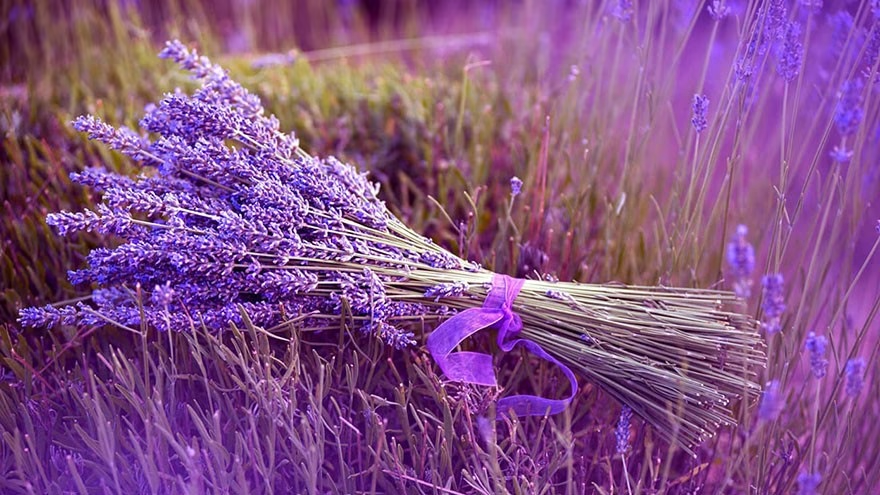
Lavender History Starts With a Mediterranean Plant
The history of lavender begins less like a love spell and more like a hardy plant story. Lavender grew around dry, sunny Mediterranean landscapes long before it became a perfume bottle, a sachet, or a flavor in shortbread. Its lasting appeal came from a practical mix of scent, resilience, and easy drying.
Britannica's lavender overview places lavender in the mint family and notes its aromatic flowers and essential oil. That botany matters because the plant's scent is not a modern invention. It is part of the plant people noticed, cut, dried, carried, traded, and planted near homes.
Lavender history is often told with romance and legend, but the dependable thread is simpler. People kept lavender because it was useful: it smelled good, dried well, survived in lean soil, and moved easily from gardens to kitchens, baths, beds, and markets.
Names, Washing, and the Roman Story
Many retellings connect lavender's name to the Latin idea of washing. The exact naming history is debated, but the association with baths, linen, cleanliness, and scent is old enough to shape how people still think about the plant. Lavender became a smell of order as much as romance.
Roman bath culture gives the story an easy doorway. Scented plants were used in bathing, oils, and domestic spaces, and lavender's clean aroma fit that world. It was not only about luxury. In crowded towns, a strong pleasant scent could change how a room, garment, or body felt to the people nearby.
That is why the old washing story still works even when a careful historian treats the details gently. It explains a real cultural habit: lavender was tied to cleanliness before it became a spa cliche or a wedding favor.
For another food-and-history angle, Livecub's history of salmon shows how one familiar ingredient can carry trade, taste, and culture across centuries.
From Herb Gardens to Household Scent
In medieval and early modern Europe, lavender fitted neatly into household herb gardens. It could be cut for scent, tucked among linens, used in simple remedies, or added to strewing herbs that freshened floors and rooms. The plant did not need to be rare to feel valuable.
Lavender also traveled well as dried material. A bundle could scent a drawer, hang near a bed, or be carried into a kitchen without needing careful storage. Before modern cleaning products and bottled fragrance, that kind of dependable household scent had real appeal.
North Carolina Extension's Lavandula angustifolia profile describes English lavender as aromatic and notes its flower spikes and gray-green foliage. Those plain plant features explain why it became both ornamental and practical.
Dried lavender made fragrance portable. That may be the most useful way to read its domestic history.
Lavender in Food and Drink
Lavender has a culinary history, but it asks for restraint. The same oils that make lavender smell memorable can make food taste soapy if the cook uses too much. In small amounts, the floral edge can work with honey, lemon, cream, berries, shortbread, tea, and light syrups.
Food use also depended on access. In places where lavender grew easily, flowers could move from garden to pantry. Elsewhere, dried lavender arrived as a purchased herb or a specialty flavor. That shift helps explain why lavender sometimes feels rustic and sometimes feels elegant.
Modern cooks often treat lavender like a signature note, but it is better handled like a seasoning. A pinch can be lovely. A heavy hand can take over the whole dish.
Livecub's fun food facts article is a good companion for readers who like the small cultural stories that collect around familiar ingredients.
Myths, Love Stories, and What to Treat Carefully
Lavender folklore is full of love, sleep, purity, protection, and attraction. Some stories connect lavender with lovers' pillows, faithful spouses, seductive baths, or dream charms. These tales are part of the plant's cultural life, but they should not be presented as proven history.
Old romantic stories can still be useful if we label them correctly. They show what people wanted lavender to represent: tenderness, calm, beauty, cleanliness, and desire. The plant became a symbol because its scent was strong enough to carry feeling.
Be careful with dramatic claims about famous ancient figures. Cleopatra, Roman elites, biblical heroines, and medieval seers often get attached to herb stories because the names make the tale more exciting. Unless a reliable source supports the detail, treat it as folklore rather than fact.
Folklore belongs in the story, not in the evidence column.
English Lavender, France, and Commercial Fields
Lavender's later image owes much to cultivated gardens and commercial fields. English lavender became a garden favorite, while Provence became shorthand for purple rows, essential oil, soaps, and summer tourism. The picture is romantic, but it rests on agriculture and plant selection.
The Royal Horticultural Society's lavender growing guide describes lavender as sun-loving and suited to free-draining conditions. Those requirements shaped where lavender could thrive as a crop and why dry, open landscapes became part of its visual identity.
Commercial lavender also changed how people met the plant. Instead of a few stems in a home garden, buyers encountered lavender as soap, oil, perfume, potpourri, sachets, and decorative bundles. The plant moved from a household herb to a branded scent.
Livecub's Percy Spencer food history piece is a useful reminder that familiar things often become famous through a mix of invention, marketing, and everyday use.
Trade Turned Lavender Into a Product
Once lavender oil, dried flowers, and scented goods could be sold beyond the garden gate, the plant's history changed again. Growers were no longer saving a household herb for private use. They were choosing varieties, harvest timing, drying methods, and packaging for buyers who expected a steady scent.
That commercial step helped standardize what many people imagined lavender to be. A local garden plant became a shelf product: soap, drawer sachet, bath oil, candle, perfume note, tea blend, and gift bundle. Lavender became portable identity.
This is why the plant can feel both old-fashioned and modern. The scent still points back to gardens and linen cupboards, but the business of lavender belongs to farms, distillers, tourism, cosmetics, and specialty food.
Lavender in Modern Gardens and Culture
Today, lavender sits in several worlds at once. Gardeners value it for drought tolerance, scent, pollinator visits, and structure. Cooks use it carefully. Perfume makers and soap companies keep selling the clean floral note. Wedding planners still like the color and symbolism.
That range can make lavender feel timeless, but it also makes the history easy to flatten. A plant used in a linen chest is not the same as a commercial essential oil crop. A culinary flower is not the same as a folk charm. The same plant can carry several histories at once.
If you use lavender in baking, display, or party food, keep the portion subtle and the setting clear. Livecub's cookie display guide can pair naturally with lavender shortbread or pale floral desserts.
The modern lavender image is built from many small uses, not one single origin story.
How to Read Lavender History Without Exaggeration
The best way to tell lavender history is to separate plant facts, documented use, and folklore. The plant's Mediterranean background, aromatic oil, garden value, and household scent uses are strong ground. Specific claims about seduction, murder, or magical fidelity need more caution.
That does not make the story less interesting. It makes it better. Lavender survived because it was ordinary enough to be used often and memorable enough to gather meaning. That combination is rare.
So the history of lavender is not just a list of legends. It is a history of how people turn useful plants into cultural symbols, then keep those symbols alive through gardens, recipes, gifts, and scent.
Frequently Asked Questions
Where did lavender originally come from?
Lavender is strongly associated with Mediterranean regions, especially dry, sunny landscapes where aromatic shrubs grow well.
Was lavender really used by the Romans?
Lavender is commonly linked with Roman bathing and scent traditions, though exact stories should be handled carefully unless they are well sourced.
Why is lavender linked with sleep and calm?
The connection comes from scent, household use, bedding traditions, and later aromatherapy culture, not from one single historical event.
Can lavender be used in food?
Yes, culinary lavender can be used in small amounts, especially with honey, lemon, cream, berries, tea, and baked goods.

Alyssa Curlin
Edits general health, nutrition and education explainers. Medical topics are educational and link to public-health guidance.




Leave a reply
Replying to