
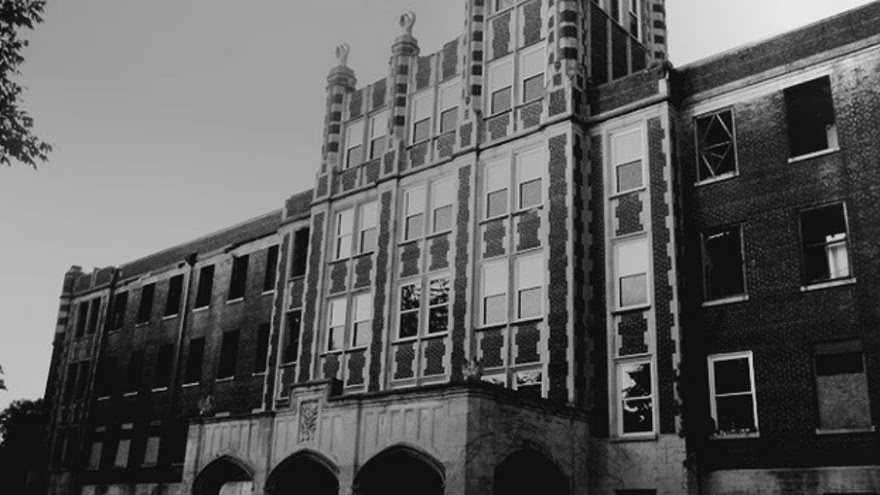
About Waverly Hills Sanatorium means separating a real tuberculosis hospital from the ghost-story layer that later grew around it. The building in Louisville, Kentucky, has a serious medical history, a later institutional history, and a modern life as a tour and preservation site. It should not be reduced to a haunted headline.
The older source mixed useful history with speculation. This rewrite keeps the human story first: tuberculosis, isolation, architecture, treatment limits, staff labor, patients, closure, reuse, and why the site still draws visitors.
Why Sanatoriums Existed
Before antibiotics changed tuberculosis treatment, sanatoriums were built to isolate patients and provide rest, fresh air, nutrition, and structured care. TB could spread through the air, and crowded cities struggled to control it. Waverly Hills was part of that larger public-health era.
The CDC's tuberculosis overview explains that TB is caused by bacteria and usually affects the lungs, though it can affect other parts of the body. Modern treatment exists, but the early 1900s had far fewer tools.
The Early Waverly Hills Facility
Waverly Hills opened in the early 20th century outside Louisville as a response to tuberculosis needs in Jefferson County. Early buildings were smaller than the massive structure people recognize today. As cases grew, the site expanded.
Preservation writing on the official Waverly Hills site describes the move from earlier facilities to the larger 1926 building. The five-story structure became the image most visitors associate with Waverly Hills.
That growth is part of the story. Waverly Hills was not built large because of legend. It grew because a region needed more beds and a specialized place for patients who could not be handled by ordinary hospital capacity at the time.
The 1926 Building
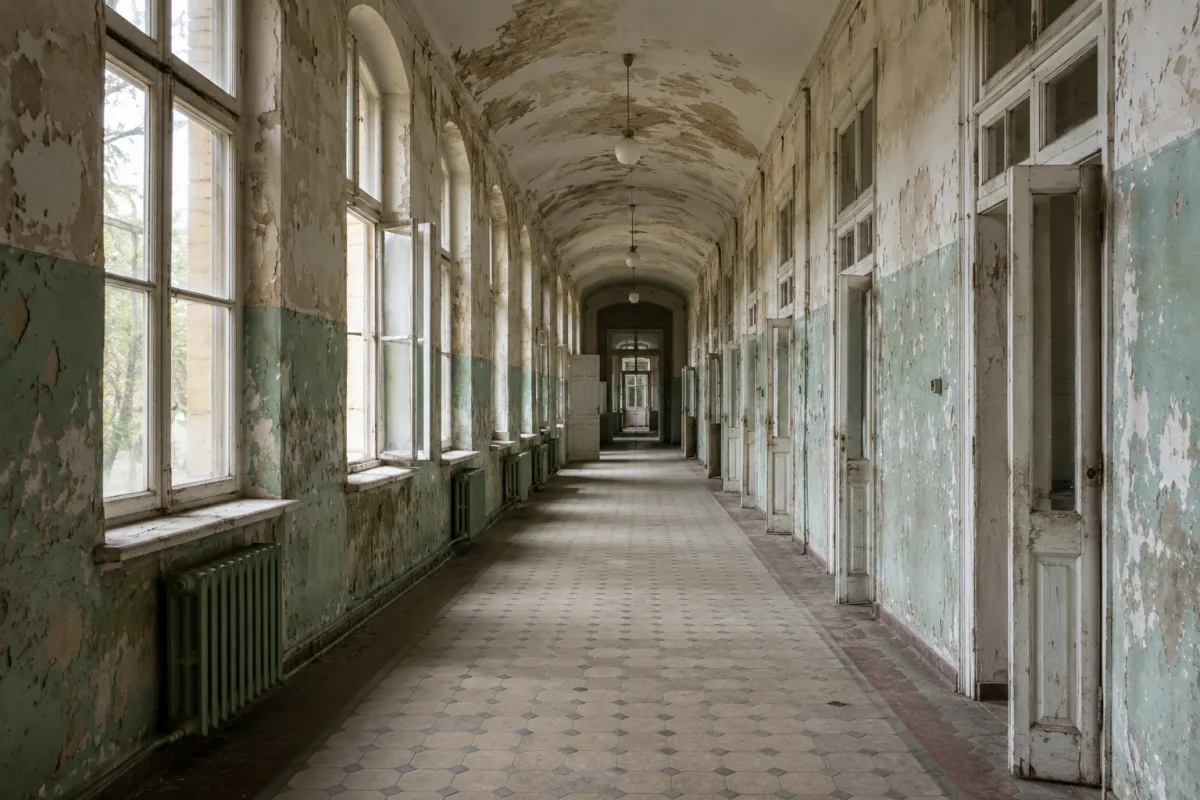
The large Waverly Hills building was designed for tuberculosis care, with long corridors, patient rooms, porches, and service areas. The architecture reflected beliefs about fresh air, sunlight, separation, and patient management. Those choices make more sense when viewed through medical history, not just atmosphere.
Historic sites often become easier to understand when architecture is tied to use. Livecub's history of lavender and history of salmon are very different topics, but both show why context matters before repeating a simple story.
Tuberculosis Treatment Before Antibiotics
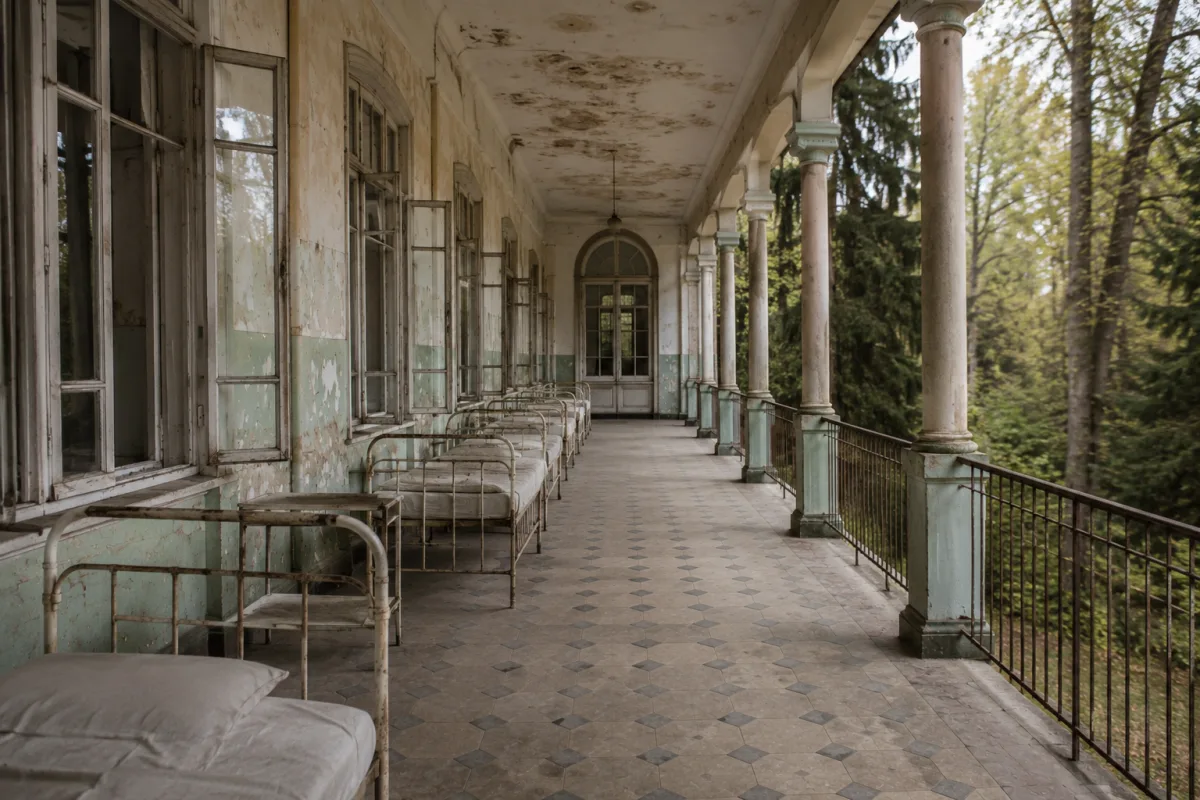
Patients at sanatoriums often received rest, nutrition, fresh air, and procedures that reflected the medicine of the time. Some treatments now sound harsh, but they were used before modern antibiotic therapy made TB far more treatable.
When visitors hear dramatic claims about Waverly Hills, they should remember the medical reality. People were sick, families were separated, and staff worked in a difficult disease environment. That history deserves more respect than a quick scare.
Closure And Later Use
As TB treatment changed and cases declined, the sanatorium era faded. Waverly Hills eventually closed as a tuberculosis hospital and later served other institutional uses. The building's later history is part of why stories about the site can become tangled.
The official Waverly Hills site is the best source for current tours, events, preservation work, and access rules. Do not rely on old blog posts for hours, prices, or availability.
Later reuse also changed how people remembered the place. A building that served different vulnerable populations over decades can gather many layers of memory, rumor, and local storytelling.
The Tunnel And The Myths
One feature often discussed is the service tunnel, sometimes sensationalized in ghost-tour language. It had practical uses connected with moving supplies and bodies out of sight of patients. The grimness is real enough without inventing numbers or scenes.
Many online claims about death totals at Waverly Hills are exaggerated or poorly sourced. A careful history should say what is documented, what is plausible, and what is entertainment. Those are different categories.
This does not mean visitors have to ignore folklore. Folklore is part of how places are remembered. The problem starts when folklore is repeated as medical history or used to flatten real patients into props for a scare.
Why People Visit Today
Visitors come for history, architecture, paranormal tourism, photography, preservation interest, and curiosity. Some want the ghost-story version. Others want to understand tuberculosis care and the building's role in Louisville history.
If you are planning a themed trip, Livecub's estate lawyer questions is not a travel article, but it has one useful habit for old properties: ask who owns, manages, and maintains the site before assuming access. Historic buildings have rules.
That mix of motives can make the site feel complicated. A visitor may arrive for a ghost tour and leave thinking about public health. Another may arrive for architecture and still notice why the building became part of local folklore.
How To Visit Respectfully
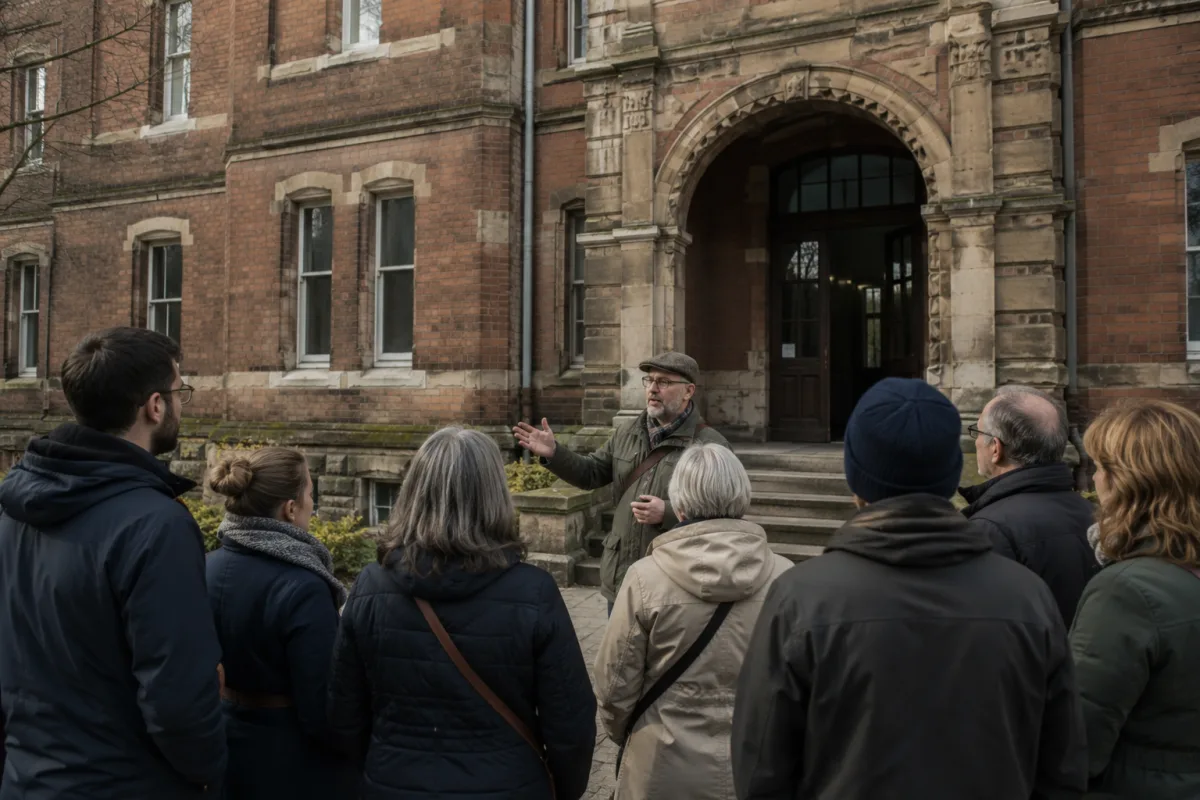
Use official tours, follow posted rules, stay with guides, and do not trespass. Historic medical sites are not abandoned playgrounds. They can have unsafe floors, restricted areas, preservation work, and legal boundaries.
For travel planning, Livecub's cookie display guide is obviously unrelated in subject, so do not force it into a Waverly itinerary. Better internal travel context for this batch is limited, which is why this article keeps internal links sparse and only where a planning habit applies.
Wear practical shoes, expect stairs or uneven surfaces depending on the tour, and check accessibility before booking. Do not remove objects, write on walls, or wander into closed areas. Preservation depends on visitors behaving like guests, not scavengers.
What To Read Before You Go
Read the current tour descriptions, accessibility notes, age limits, footwear guidance, photography rules, and cancellation policies. Some tours may be seasonal or require advance booking. Bring practical shoes and respect staff instructions.
If you are visiting because of paranormal interest, pair that with historical reading. A site can be eerie and historically serious at the same time. The better visit is the one that leaves room for both, without making patients into props.
Also check the weather and tour length. Old buildings can be hot, cold, damp, or physically tiring depending on the season. A little preparation makes it easier to pay attention to the guide instead of your feet.
Common Misconceptions
Waverly Hills was not built as a haunted attraction. It was a medical institution responding to a deadly disease. Not every closed hospital corridor has a documented ghost story. Not every online claim about deaths, rooms, or experiments should be repeated.
Another misconception is that TB is only a past disease. Modern medicine has changed treatment, but TB still exists worldwide. That is one reason the medical history remains relevant.
A final misconception is that abandoned-looking equals abandoned. Waverly Hills has owners, tour rules, preservation needs, and legal boundaries. Visiting through official channels is part of respecting the history.
What The Site Says About Public Health
Waverly Hills reflects a time when communities used isolation, architecture, and long-term care to respond to disease. The building is a reminder that medicine changes, but public fear, family separation, and the need for organized care are recurring parts of health history.
That is why the site deserves more than a spooky reputation. It gives visitors a way to think about disease before antibiotics, the work of nurses and attendants, and the people who lived for months or years inside institutions.
It also shows why preservation can be uncomfortable. Saving a building like Waverly Hills means keeping a difficult story visible rather than smoothing it into entertainment. The best tours and articles leave room for that discomfort.
Frequently Asked Questions
Where is Waverly Hills Sanatorium?
It is in Louisville, Kentucky, on a site historically associated with tuberculosis care.
Was Waverly Hills a real hospital?
Yes. It was a tuberculosis sanatorium before later reuse and modern tour activity.
Can you tour Waverly Hills today?
Current access depends on official tours and events. Check the official site before planning a visit.
Is every ghost story about Waverly documented?
No. Some claims are folklore or entertainment. Separate documented history from tour storytelling.
Why was fresh air part of TB care?
Before antibiotics, sanatorium care often emphasized rest, nutrition, sunlight, and fresh air as part of treatment practice.
The Real Significance
Waverly Hills Sanatorium matters because it shows how communities responded to tuberculosis before modern treatment. The building is dramatic, but the deeper story is medical history, public fear, patient isolation, staff work, and preservation. Treating that history carefully makes the site more meaningful than any rumor attached to it. The people come first.

Timothy Davidson
Edits step-by-step general-interest guides for clarity, realistic limits and source verification.




Leave a reply
Replying to