The Impact of Perimenopause on Mental Health and Anxiety
You know that feeling, right? The one where you wake up and something just feels... off.
Maybe you're usually pretty chill, but lately, a simple email sends your heart racing. Or perhaps you find yourself tearing up over something incredibly minor, or snapping at your partner for no good reason. You’re more forgetful, your sleep is a mess, and that persistent hum of anxiety in the background?
It’s getting louder. You start to wonder if you’re just stressed, overworked, or maybe, just maybe, losing your mind a little. What if I told you it’s likely not just "stress" or a sign that you're going crazy, but rather a profound physiological shift that millions of women experience, often silently, without understanding why?
Welcome to the wild, often confusing, but ultimately navigable world of perimenopause, and its undeniable impact on your mental health and anxiety.
Why This Matters
Here’s the thing: when we talk about perimenopause, most people immediately think of hot flashes and night sweats. And yes, those are definitely part of the package for many women. But honestly, those physical symptoms often overshadow what, for many of us, becomes the most disruptive and distressing aspect: the mental and emotional rollercoaster.
It's like your brain has been hijacked by a moody teenager and you're just along for the ride, desperately trying to figure out what's happening. This isn’t a small issue; it’s a significant, often debilitating period that can last for years. In my experience, and from countless conversations with women navigating this stage, the anxiety, the irritability, the crushing fatigue, and the brain fog are often far more difficult to manage than the physical symptoms.
They impact relationships, careers, self-esteem, and general quality of life. The problem is, because these symptoms are so varied and can mimic other conditions like depression, generalized anxiety disorder, or even just "being tired," perimenopause often goes undiagnosed or misdiagnosed. Many women are put on antidepressants or anti-anxiety medications without anyone even considering the hormonal shifts happening beneath the surface.
Understanding that these mental health changes are a *direct symptom* of perimenopause is the first, most empowering step toward finding real solutions. It’s not just in your head; it’s in your hormones, and knowing that can be a huge relief.
The Hormonal Rollercoaster: Understanding Your Brain on Perimenopause
Alright, let’s get a little scientific, but in a way that actually makes sense for your everyday life. Perimenopause, the period leading up to menopause (which is officially marked by 12 consecutive months without a period), isn't a gentle slide; it's more like a chaotic roller coaster. During this time, your ovarian function starts to wind down, leading to wild, unpredictable fluctuations in your hormone levels.
We're primarily talking about estrogen and progesterone, two incredibly powerful hormones that do way more than just manage your reproductive cycle. They have a massive influence on your brain chemistry, affecting neurotransmitters like serotonin (our "happy hormone"), dopamine (linked to pleasure and motivation), and GABA (the calming neurotransmitter).
When estrogen and progesterone start to swing dramatically – sometimes super high, sometimes plummeting – your brain struggles to maintain balance. Suddenly, your brain’s "calm down" switch isn't working as efficiently, leading to heightened anxiety, panic attacks out of nowhere, irritability that surprises even you, and those famous mood swings that can have you laughing one minute and in tears the next.
I remember one particular afternoon, completely out of the blue, feeling an overwhelming sense of dread wash over me while I was just loading the dishwasher. It was truly unsettling. Add to this the disruption of sleep that often comes with perimenopause, and you’ve got a perfect storm for mental health challenges.
It's a physiological response, not a personal failing, and knowing that is so important for self-compassion.
Navigating the Inner Turmoil: Practical Steps to Find Your Balance
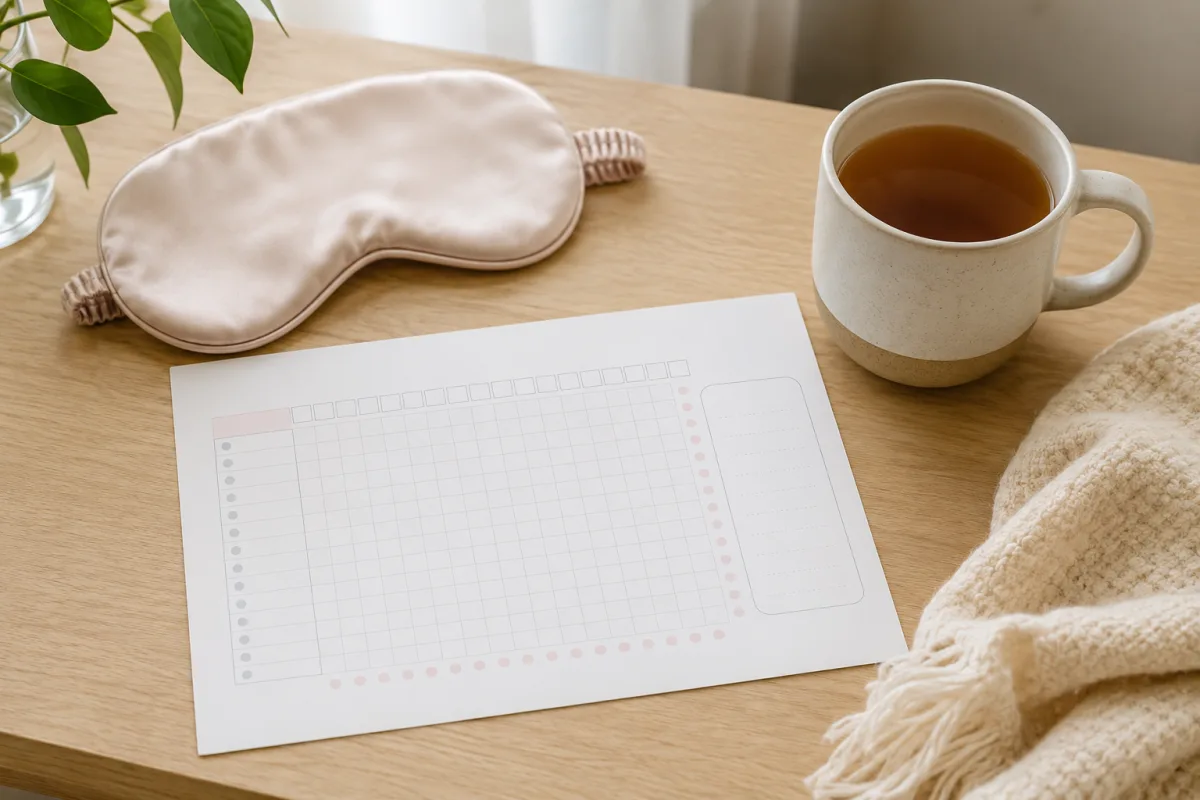
- Become a Symptom Detective: Track and Connect the Dots. Here's an actionable tip I give everyone: start keeping a detailed log of your symptoms. This isn't just about hot flashes; jot down everything. When do you feel anxious? What triggers it? How's your sleep? Your mood? Your periods? There are fantastic apps out there (many designed specifically for perimenopause) or just a good old-fashioned journal. After trying this for about 30 days, you might start to see patterns emerging. Maybe your anxiety spikes in the week leading up to your period, or your sleep disturbances are worst on certain days of your cycle. This information is gold, not just for your own understanding, but to share with your healthcare provider. It helps them see the bigger picture beyond just isolated complaints.
- Seek Out a Perimenopause-Literate Healthcare Provider. This one is absolutely critical. Not all doctors are equally educated on perimenopause, and sadly, many still dismiss women's symptoms or attribute them solely to "getting older" or stress. You need a doctor who understands the nuances of hormonal fluctuations, who won't just offer you antidepressants as a first resort, and who's open to discussing all your options, including hormone therapy if it's appropriate for you. Don't be afraid to ask direct questions like, "Do you have experience treating perimenopausal symptoms beyond hot flashes?" or "What are your thoughts on HRT for anxiety related to perimenopause?" If you don't feel heard, it's okay to seek a second opinion. You deserve an advocate.
- Embrace Mind-Body Practices: Your Brain Needs a Break. While hormones might be playing havoc, you still have agency over how you respond to the chaos. Incorporating mind-body practices can be incredibly grounding. I'm talking about things like daily meditation (even just 5-10 minutes can make a difference; I love guided meditations on apps like Calm or Headspace), gentle yoga, or deep breathing exercises. These practices don't "fix" your hormones, but they do help regulate your nervous system, which is often in overdrive during perimenopause. They can significantly reduce the intensity and frequency of anxiety attacks, improve your ability to cope with stress, and bring a much-needed sense of peace. Try committing to one for 30 days and see how you feel; you might be surprised by the shift in your baseline stress level.
Nourish Your Nerves: Lifestyle as Your First Line of Defense
When your hormones are doing the cha-cha, your body and mind need all the support they can get. This is where lifestyle choices become incredibly powerful. Think of your diet, exercise, and sleep as the foundational pillars holding up your mental well-being, especially during perimenopause.
What you put into your body directly impacts your brain chemistry and inflammation levels, which in turn affect mood and anxiety. I've found that cutting out processed foods, excessive sugar, and inflammatory oils can make a tangible difference in my overall emotional stability. Focus on a diet rich in whole, unprocessed foods.
Load up on lean proteins (chicken, fish, legumes), healthy fats (avocado, nuts, seeds, olive oil – those omega-3s are brain food!), and plenty of colorful fruits and vegetables. These provide the necessary vitamins, minerals, and antioxidants to support hormone balance and neurotransmitter production.
Limiting caffeine and alcohol is also a big one; they might offer temporary relief or a pick-me-up, but they can exacerbate anxiety and disrupt sleep in the long run. I used to rely on an afternoon coffee, but switching to herbal tea dramatically reduced my evening jitters.
Then there's movement. You don't need to become a gym fanatic, but consistent physical activity is a potent antidote to anxiety and low mood. Exercise helps burn off excess adrenaline, releases endorphins (nature's mood boosters!), and improves sleep quality.
Aim for a mix: some strength training (crucial for bone health and metabolism), some cardio (for heart health and stress relief), and some flexibility/mobility work like stretching or Pilates. What I love about moving my body is that it’s a tangible way to feel in control when so much else feels out of control.
Even a brisk 30-minute walk each day can make a world of difference. And finally, sleep. Oh, glorious sleep!
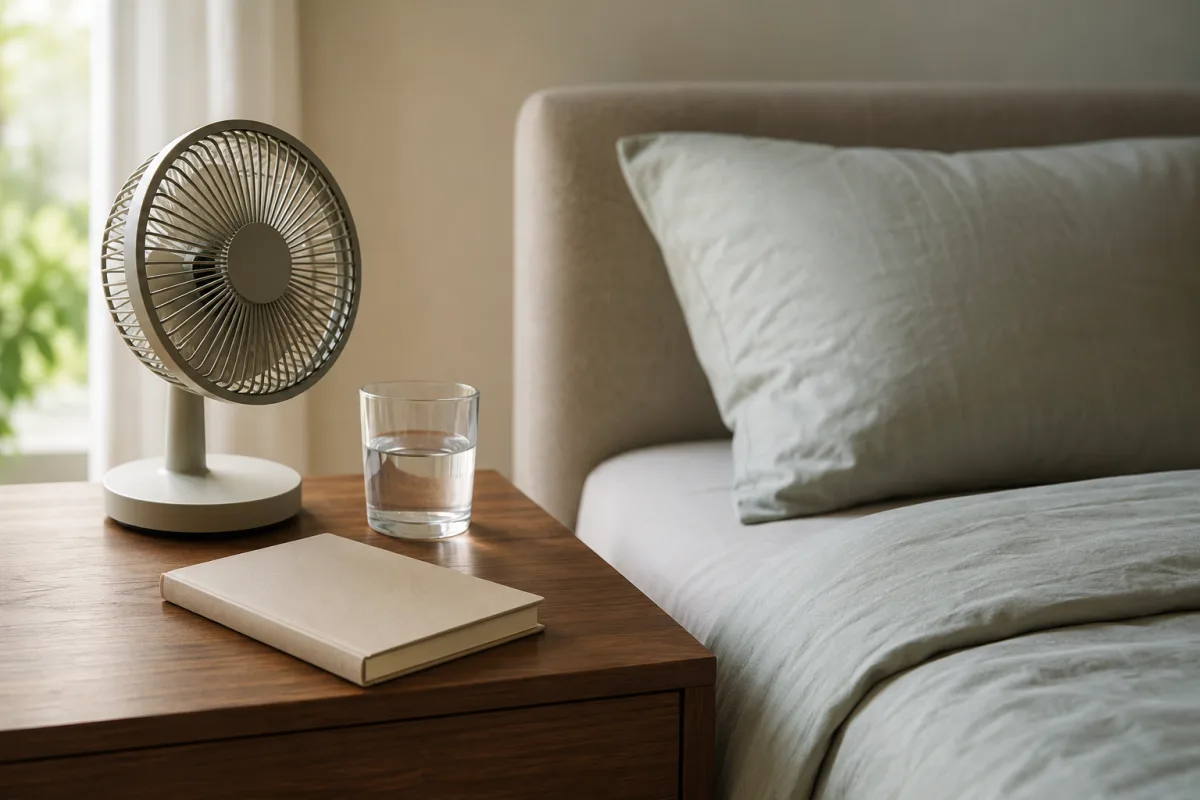
Perimenopause often brings insomnia, night sweats, and disrupted sleep, which then feeds into heightened anxiety and irritability. Prioritizing sleep hygiene is non-negotiable. This means creating a cool, dark, quiet bedroom, sticking to a consistent sleep schedule (even on weekends), avoiding screens before bed, and perhaps trying a calming pre-sleep routine like a warm bath or reading.
It's a vicious cycle: anxiety causes poor sleep, and poor sleep worsens anxiety. Breaking that cycle, even with small steps, is vital.
Building Your Resilience Toolkit: Support and Strategies for Emotional Well-being
You don't have to navigate this solo. Building a robust support system and arming yourself with effective coping strategies can transform your perimenopause experience. One of the most common refrains I hear from women is the feeling of isolation and misunderstanding.
That's why connecting with others who are going through similar experiences is so powerful. Look for online forums, local support groups, or even just a trusted friend who's a few years ahead of you on this journey. Sharing stories, tips, and simply knowing you're not alone can be incredibly validating and comforting.
I remember feeling so much better after finding an online community where women openly discussed their struggles with "meno-rage" and brain fog – it was like a lightbulb moment realizing it wasn't just me.
Beyond peer support, don't underestimate the power of professional help. If anxiety or mood swings are significantly impacting your daily life, therapy or counseling can be incredibly beneficial. Cognitive Behavioral Therapy (CBT), for example, can teach you practical strategies to manage anxious thoughts and behaviors.
A therapist can also provide a safe space to process the emotional shifts and identity changes that often come with this stage of life. There's absolutely no shame in seeking mental health support; it's a sign of strength and self-care. Moreover, having effective stress management techniques in your daily routine is paramount.
When your nervous system is already on high alert due to hormonal shifts, external stressors can feel overwhelming. Simple practices like deep belly breathing, progressive muscle relaxation, or engaging in hobbies you love can act as powerful circuit breakers for anxiety. Find what works for you – maybe it's gardening, painting, listening to music, or spending time in nature.
These aren't just pleasant distractions; they're essential tools for regulating your nervous system. Finally, while I always recommend discussing supplements with your doctor, some women find specific ones helpful. Magnesium, for example, is known for its calming properties and can aid sleep.
B vitamins support nervous system health. Adaptogens like Ashwagandha can help the body cope with stress. But remember, what works for one person might not work for another, and supplements should complement, not replace, a holistic approach.
Common Mistakes to Avoid
Navigating perimenopause can feel like walking through a minefield, and it's easy to stumble into some common pitfalls that can make things even harder. One of the biggest mistakes I see women make is ignoring their symptoms or attributing them solely to external stressors. It's easy to say, "Oh, I'm just stressed from work," or "My kids are driving me crazy," but if those feelings of anxiety or irritability are disproportionate to the situation, or they've become a constant hum in the background, it's worth considering the hormonal connection.
You might be missing a vital piece of the puzzle that explains why you feel so unlike yourself. Another common error is not educating yourself about perimenopause. Many of us entered this stage with very little understanding beyond "hot flashes." But knowing what's happening to your body and brain can be incredibly empowering.
Ignorance often leads to fear and self-blame, so take the time to read, listen, and learn. I wish I had understood it better from the start; it would've saved me so much confusion.
Then there's the mistake of self-medicating without professional guidance. This could mean excessively relying on alcohol, comfort food, or even over-the-counter sleep aids to cope with symptoms. While these might offer temporary relief, they often create bigger problems down the line, exacerbating anxiety, disrupting sleep further, or leading to unhealthy dependencies.
Similarly, comparing your perimenopause journey to someone else's can be really detrimental. Every woman's experience is unique. Your friend might sail through with barely a symptom, while you feel like you're fighting a daily battle.
That's okay. Your journey is yours, and comparison only breeds frustration and inadequacy. Finally, and this is a big one: not advocating for yourself with healthcare providers. If a doctor dismisses your concerns or doesn't offer satisfactory solutions, don't just accept it.
You know your body best. Seek a second opinion, bring your symptom journal, and be prepared to articulate exactly what you're experiencing. You are your own best advocate, and it's okay to demand the care you need and deserve.
Expert Tips for a Smoother Transition
For those who want to take their perimenopause management to the next level, here are some more advanced tips that often come from specialists in the field. First off, let's talk about Hormone Replacement Therapy (HRT), or more accurately, Menopausal Hormone Therapy (MHT). While it's been a controversial topic in the past, modern HRT, when prescribed appropriately and monitored by a knowledgeable doctor, can be a game-changer for many women experiencing severe perimenopausal symptoms, including anxiety and mood swings.
It’s not a universal solution for everyone, and it needs to be an individual decision based on your health history and risk factors, but don't shy away from discussing it as a potential option with your perimenopause-literate doctor. It can truly stabilize those wild hormonal fluctuations and bring significant relief.
Another powerful approach is exploring functional medicine. While conventional medicine often treats symptoms in isolation, functional medicine looks at the whole person, seeking to identify and address the root causes of imbalances. This might involve comprehensive blood work to assess not just hormones, but also thyroid function, nutrient deficiencies, gut health, and adrenal function – all of which can profoundly impact mental health during perimenopause.
A functional medicine practitioner might suggest specific dietary changes, targeted supplements, or stress reduction techniques tailored to your unique biochemical profile. In my experience, this holistic view can uncover underlying issues that contribute to anxiety beyond just estrogen fluctuations. Finally, consider diving deeper into advanced stress reduction techniques. While basic meditation is great, practices like biofeedback, neurofeedback, or even working with a trauma-informed therapist can help rewire your brain's response to stress and anxiety, building greater resilience against hormonal fluctuations.
These aren't quick fixes, but long-term investments in your mental and emotional well-being that can extend far beyond perimenopause itself.
Final Thoughts
Navigating perimenopause, especially when it throws your mental health and anxiety into a tailspin, can feel incredibly daunting. There will be days when you feel utterly defeated, when the brain fog is thick, and the anxiety is overwhelming. But I want you to remember this: you are not alone, you are not broken, and you absolutely can find your way through this. This phase of life is a profound transformation, and while it presents challenges, it also offers an incredible opportunity for self-discovery and growth.
Be kind to yourself, practice radical self-compassion, and don't hesitate to seek support from friends, family, and professionals who understand what you're going through. Educate yourself, advocate for your needs, and prioritize your well-being with every choice you make. Your mental health isn't something to ignore; it's central to who you are, and it deserves your full attention and care during this significant life stage.
What small step can you take today to support your mental peace? Share your experiences in the comments below – your story might be exactly what someone else needs to hear. We're all in this together, and together, we can emerge stronger, wiser, and more authentically ourselves on the other side.
Save for later
Found this helpful?
Pin this article to your Pinterest board and come back to it whenever you need a reminder.
Save to Pinterest