The Relationship Between Gut Health and Chronic Anxiety
Ever found yourself spiraling into anxious thoughts, feeling that familiar knot in your stomach, or maybe experiencing a general sense of unease that just won't quit? Perhaps you've tried all the usual remedies – mindfulness apps, talking to a friend, or even therapy – and while they help, there's still this nagging feeling that something deeper is at play. What if I told you that a significant part of your emotional well-being, especially when it comes to chronic anxiety, might be linked to something you rarely think about: your gut? It sounds wild, I know, but trust me, this isn't some new-age fad.
The connection between your belly and your brain is incredibly powerful, and understanding it can unlock a whole new path to feeling more grounded and calm.
Why This Matters
Here’s the thing: anxiety isn't just "all in your head." While our thoughts and experiences absolutely shape our mental landscape, our physical body plays a much bigger role than most of us realize. For years, the conversation around anxiety has largely focused on brain chemistry and psychological factors, which are, of course, vital. But what if we've been missing a huge piece of the puzzle, literally located in our abdomen? Chronic anxiety affects millions of us, making daily life a challenge.
It can manifest in endless worry, physical symptoms like heart palpitations, digestive upset, and even sleep disturbances. Traditional approaches often focus on symptom management, but what if we could address a root cause that might be fueling the fire? This isn't about ditching your therapist or throwing out your medication. Absolutely not.
It's about adding a powerful, often overlooked, layer to your wellness strategy. In my experience, when you start to pay attention to your gut health, not only do those persistent tummy troubles often ease up, but you might also notice a subtle, yet profound, shift in your mood, your resilience to stress, and your overall sense of calm. Think of it as empowering yourself with knowledge about your body's incredible interconnectedness. When your gut isn't happy, it sends distress signals upstairs to your brain, and that can really amp up those anxious feelings.
Understanding this connection isn't just interesting; it's a vital step towards a more holistic, effective way to manage and even diminish chronic anxiety.
The Gut-Brain Axis: Your Inner Superhighway to Serenity
Let's talk about something called the gut-brain axis. It sounds fancy, but it's really just a two-way communication system between your brain and your gut. Imagine it as a superhighway of nerves, hormones, and immune signals constantly sending messages back and forth. The biggest player in this communication network is the vagus nerve, a long nerve that runs from your brainstem all the way down to your abdomen, touching your heart, lungs, and digestive system along the way.
It’s like the main phone line between your two command centers. What's truly fascinating is how this axis impacts our mood. Did you know that a whopping 90% of your body's serotonin, often called the "happy hormone," is actually produced in your gut? Not your brain!
Your gut cells, along with the trillions of microbes living there, are constantly churning out these mood-regulating neurotransmitters. So, if your gut isn't a happy place, it stands to reason that your serotonin production might be suffering, directly influencing your mood and anxiety levels. An unbalanced gut can also lead to systemic inflammation, which is increasingly linked to mood disorders. When your body is in a constant state of low-grade inflammation, your brain feels it too, making you more susceptible to anxiety and depression.
It’s a vicious cycle that can be tough to break if you’re only looking at one side of the equation. Think about it: have you ever had a "gut feeling" about something? Or felt "butterflies in your stomach" when nervous? Those aren’t just metaphors; they’re real physical manifestations of this gut-brain connection at work.
When you're stressed, your brain sends signals down to your gut, which can slow digestion, cause discomfort, or even alter your gut microbiome. Conversely, an unhappy gut can send signals back to your brain, influencing your mood, cognitive function, and how you perceive stress. It’s a constant dialogue, and we have the power to influence that conversation for the better.
Fueling Your Calm: Dietary Shifts for a Happier Gut (and Mind)
Since your gut is so critical, what you put into it matters immensely. Here are some actionable tips to start nourishing your gut and, by extension, your mind:.
- Embrace Fermented Foods Regularly: This is a big one! Fermented foods are natural sources of probiotics, which are beneficial bacteria that help populate your gut with good guys. Think about adding small portions of things like kimchi, sauerkraut, kefir, unsweetened yogurt, or kombucha to your daily diet. I used to be a little skeptical about the taste of some of these, but once I found a few I genuinely enjoyed (shout out to a good quality, plain kefir in my smoothie and some delicious, local sauerkraut), I noticed a real difference. Start small, maybe a spoonful a day, and see how your body responds. These foods introduce diverse strains of bacteria that can help create a more balanced microbiome, which is essential for proper gut function and neurotransmitter production.
- Prioritize Prebiotic-Rich Foods: Probiotics are great, but they need food to thrive! That's where prebiotics come in. Prebiotics are types of dietary fiber that your body can't digest, but your gut bacteria can. They essentially feed the good bacteria already living in your gut. Foods rich in prebiotics include onions, garlic, leeks, asparagus, bananas (especially slightly green ones), oats, apples, and flaxseeds. Incorporating a variety of these into your meals ensures your existing beneficial bacteria have plenty to munch on, helping them multiply and produce beneficial compounds like short-chain fatty acids, which have anti-inflammatory effects and are vital for brain health. Think of it as building a luxurious buffet for your tiny gut tenants.
- Ditch the Processed Stuff (Mostly): Look, I’m not saying you have to live like a monk. Life is about balance, right? But seriously cut down on highly processed foods, excessive sugar, artificial sweeteners, and unhealthy fats. These are notorious for causing inflammation, disrupting the delicate balance of your gut microbiome, and contributing to "leaky gut" (which we’ll talk more about soon). Think about swapping sugary sodas for infused water, processed snacks for a handful of nuts or an apple, and fast food for a home-cooked meal more often than not. I’ve found that even small, consistent changes here make a huge impact. When I cleaned up my diet significantly a few years ago, not only did my energy improve, but that constant anxious hum in the background of my mind really quieted down. It's about crowding out the bad with good, not about strict deprivation.
The Microbiome: Your Tiny Tenants, Big Impact on Your Mind
Let's zoom in on the star of the show: your gut microbiome. This isn't just a collection of bacteria; it's a bustling, diverse ecosystem of trillions of microorganisms, including bacteria, viruses, fungi, and other tiny life forms, all living within your digestive tract. Think of it as a rainforest in your belly, and just like a rainforest, its diversity is key to its health and resilience. A healthy, diverse microbiome is like a well-orchestrated symphony, performing countless vital tasks for your body, from digesting food and synthesizing vitamins to training your immune system and, yes, influencing your mood.
When this delicate ecosystem falls out of balance – a state called dysbiosis – that's when things can go sideways. Dysbiosis can occur for many reasons: a diet high in processed foods and sugar, chronic stress, antibiotic use, infections, lack of sleep, and environmental toxins. When the bad guys start to outnumber the good guys, or when diversity is lost, your gut becomes less efficient and more prone to inflammation. This inflammation isn't just confined to your gut; it can become systemic, traveling throughout your body and directly impacting your brain.
Imagine the constant hum of an alarm going off in your body – your brain is going to pick up on that, and it can absolutely heighten feelings of anxiety and stress. An unbalanced microbiome can also compromise the integrity of your intestinal lining. This is what's often referred to as "leaky gut syndrome" or increased intestinal permeability. Normally, your gut lining acts like a tight barrier, only allowing digested nutrients to pass through into your bloodstream.
But when it becomes permeable, undigested food particles, toxins, and bacteria can "leak" into your bloodstream. Your immune system sees these as foreign invaders and mounts an attack, leading to chronic inflammation not just in your gut, but throughout your entire body, including your brain. This constant immune activation is a major stressor and can significantly contribute to the development and persistence of chronic anxiety. Furthermore, your gut microbes are involved in the production of crucial brain chemicals, including GABA, which has a calming effect, and dopamine, which is linked to pleasure and motivation.
If your microbiome isn't producing enough of these, or if the balance is off, it stands to reason that your emotional well-being will suffer. The microbes also produce short-chain fatty acids (SCFAs) like butyrate, which are incredibly beneficial. Butyrate, for example, is a primary energy source for your colon cells and has powerful anti-inflammatory properties, even supporting the blood-brain barrier. When SCFA production is low due to a lack of diverse, fiber-rich foods, your gut health and brain health can both take a hit.
It’s a truly symbiotic relationship where the health of your tiny tenants directly impacts the clarity and calm of your mind. Nourishing them is nourishing yourself.
Beyond Food: Lifestyle Hacks for Gut-Anxiety Relief
While food is a huge piece of the puzzle, it’s not the only one. Your gut health, and therefore your anxiety levels, are also deeply influenced by your overall lifestyle. It’s all connected, and a holistic approach is always the most powerful one. This isn't about making drastic changes overnight, but about finding small, sustainable habits that nourish your entire being.
- Master Your Stress Response: This one is a bit of a chicken-and-egg situation, isn't it? Anxiety causes gut issues, and gut issues cause anxiety. The key is to break the cycle. Chronic stress is one of the biggest disruptors of gut health. It can reduce the diversity of your microbiome, increase gut permeability, and slow down digestion. Learning to manage stress isn't just good for your mental health; it's vital for your gut. Techniques like mindfulness meditation, deep breathing exercises (think diaphragmatic breathing), yoga, or even just taking a few minutes each day to sit quietly and sip a warm tea can make a world of difference. I personally found that incorporating a 5-minute breathing exercise first thing in the morning completely shifted my baseline anxiety after a few weeks. It doesn't have to be a huge commitment; just consistent, intentional moments of calm.
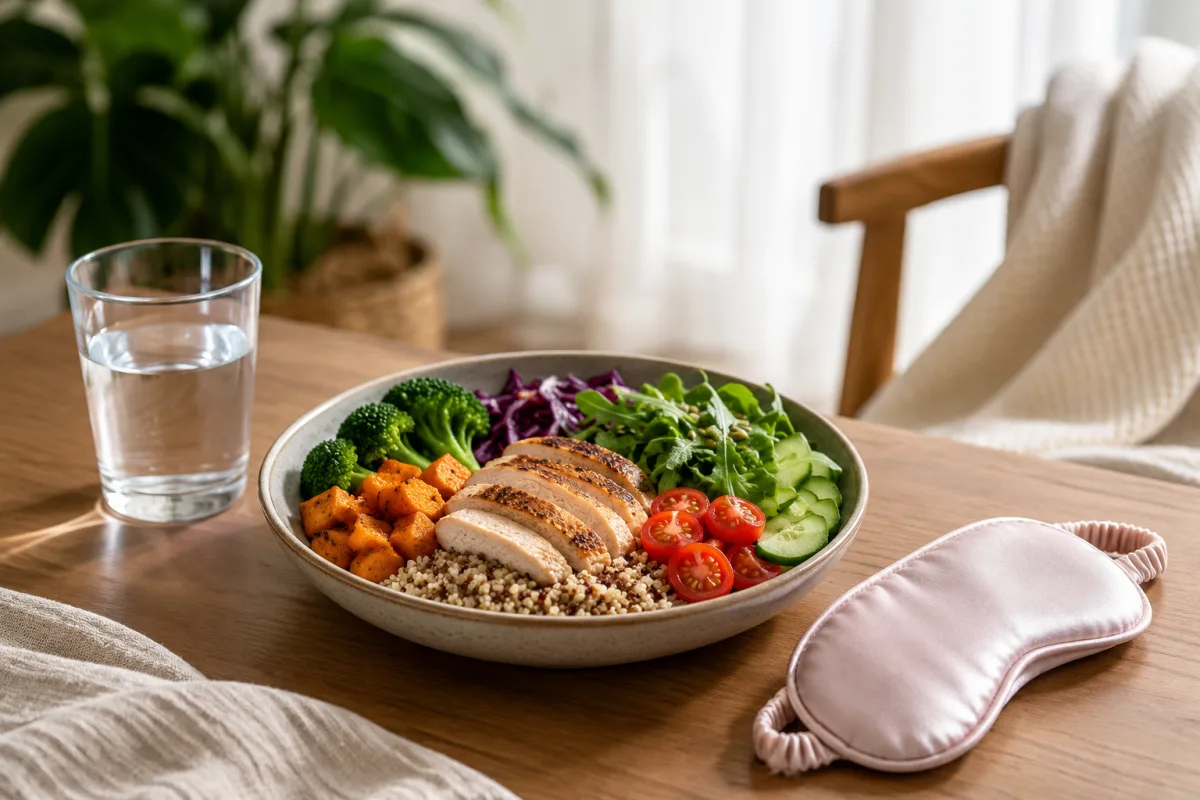
- Prioritize Quality Sleep: Poor sleep doesn't just make you tired; it wreaks havoc on your gut microbiome and your ability to manage stress. When you’re sleep-deprived, your body produces more cortisol (the stress hormone), which as we know, isn’t great for your gut. Aim for 7-9 hours of quality sleep per night. This means creating a relaxing bedtime routine: dimming the lights, avoiding screens an hour before bed, keeping your bedroom cool and dark, and maybe reading a book instead of scrolling social media. Your gut bacteria actually have their own circadian rhythm, and disrupting it regularly can throw everything off balance.
- Move Your Body Regularly: You don't need to become an Olympic athlete, but regular physical activity is incredibly beneficial. Exercise can increase the diversity of your gut microbiome, reduce inflammation, and directly alleviate anxiety by releasing endorphins. Whether it’s a brisk walk in nature, dancing in your living room, swimming, or lifting weights, find something you enjoy and stick with it. Even 20-30 minutes most days can have a profound impact. When I'm feeling particularly overwhelmed, a long walk outside is my absolute go-to for clearing my head and settling my stomach. It connects me back to my body and helps me feel more grounded.
- Stay Hydrated: This sounds so simple, but it’s often overlooked. Water is essential for every bodily function, including healthy digestion and nutrient absorption. It helps keep things moving in your gut, preventing constipation, which can contribute to dysbiosis and discomfort. Aim for at least 8 glasses of water a day, more if you’re active or it’s hot. Sometimes, what feels like brain fog or mild anxiety is simply dehydration. Keep a reusable water bottle handy and sip throughout the day. Your gut (and your brain) will thank you.
- Connect with Nature and Sunlight: Spending time outdoors, especially in green spaces, has been shown to reduce stress hormones and improve mood. Exposure to natural sunlight also helps regulate your circadian rhythm and boosts Vitamin D production, both of which are linked to gut health and mental well-being. Even just 15-20 minutes outside each day can make a difference. Plus, being in nature can naturally help you practice mindfulness, grounding you in the present moment and taking your mind off anxious thoughts.
Common Mistakes to Avoid
Embarking on a journey to improve your gut health for anxiety relief is incredibly empowering, but it’s easy to stumble into some common pitfalls. Knowing what to watch out for can save you a lot of frustration and help keep you on track. Trust me, I’ve made some of these mistakes myself, and learned the hard way!
- Expecting Instant Results: This isn't a magic pill, my friend. Your gut microbiome has been shaped over years, and rebalancing it takes time and consistency. Don't expect to eat kimchi for a week and suddenly be anxiety-free. Be patient with yourself and your body. Think in terms of weeks and months, not days. Small, consistent efforts over time yield the most sustainable results. If you get discouraged after a few days, remember that healing is a process.
- Overhauling Everything at Once: While enthusiasm is great, trying to completely revamp your diet, exercise routine, and sleep schedule all on the same day is a recipe for overwhelm and burnout. You'll likely give up before you even start seeing benefits. Instead, choose one or two small, manageable changes to implement each week or month. Maybe start with adding one fermented food daily, then focus on increasing your water intake, and then tackling better sleep hygiene. Gradual changes are far more sustainable and less stressful.
- Ignoring Other Anxiety Coping Mechanisms: Improving gut health is a powerful tool, but it's not a standalone cure-all. If you're currently in therapy, taking medication, or using other coping strategies, please don't abandon them. Gut health is a foundational piece, but emotional processing, cognitive behavioral techniques, and sometimes pharmaceutical support are still incredibly important parts of a comprehensive anxiety management plan. Think of gut health as enhancing and supporting these other efforts, not replacing them.
- Relying Solely on Supplements Without Dietary Changes: Probiotic supplements can be helpful, but they're not a substitute for a diverse, whole-foods diet. You can pop all the probiotic pills in the world, but if you're still fueling your body with inflammatory processed foods and sugar, you're fighting an uphill battle. Supplements should complement a healthy diet and lifestyle, not replace them. Always aim to get nutrients from food first.
- Not Staying Hydrated Enough: We talked about this before, but it's worth reiterating because it's so fundamental and often overlooked. Dehydration can exacerbate digestive issues, lead to brain fog, and make you feel more anxious and irritable. It's an easy win! Make sure you’re consistently sipping water throughout the day. If you don't love plain water, try infusing it with fruit or herbs.
- Self-Diagnosing and Over-Restricting: While information is power, constantly self-diagnosing and putting yourself on extreme restrictive diets (e.g., cutting out entire food groups without professional guidance) can actually increase anxiety and lead to nutritional deficiencies. If you suspect you have specific gut issues like SIBO, Candida, or severe food sensitivities, please work with a qualified healthcare professional who can guide you through proper testing and a safe elimination/reintroduction process.
Expert Tips for Deeper Healing
Once you’ve got the basics down – a solid diet, stress management, sleep, hydration, and movement – you might be ready to explore some more advanced strategies for optimizing your gut health and anxiety. These tips often require a bit more intentionality or even professional guidance, but they can offer profound benefits for those looking to go deeper.
- Consider Targeted Probiotics and Prebiotics (with Guidance): Not all probiotics are created equal. Different strains have different effects. If you've tried general fermented foods and want to elevate your game, consider working with a functional medicine practitioner or a nutritionist. They can help you identify specific strains that might be most beneficial for anxiety (e.g., Lactobacillus helveticus R0052 and Bifidobacterium longum R0175, often referred to as "psychobiotics"). They can also recommend specific prebiotic fibers or resistant starches tailored to your needs, ensuring you're feeding the right beneficial bacteria.
- Explore Digestive Enzymes: Sometimes, even with a healthy diet, our bodies struggle to properly break down and absorb nutrients, especially as we age or if our digestive system is compromised. Digestive enzymes can help your body efficiently process food, reducing the burden on your gut and potentially alleviating symptoms like bloating and indigestion, which can contribute to overall discomfort and anxiety. Again, this is best done under the guidance of a professional to ensure you're taking the right type and dosage for your specific needs.
- Vagal Nerve Stimulation Exercises: Remember the vagus nerve? You can actually "tone" it, much like a muscle, to improve its function and promote a more relaxed state. Simple exercises include humming, gargling vigorously, singing, deep and slow breathing, splashing cold water on your face, or even lying on your right side. These activities can activate the parasympathetic nervous system (your "rest and digest" mode), directly signaling your gut and brain to calm down. It’s a powerful, free tool I personally use whenever I feel my anxiety creeping up.
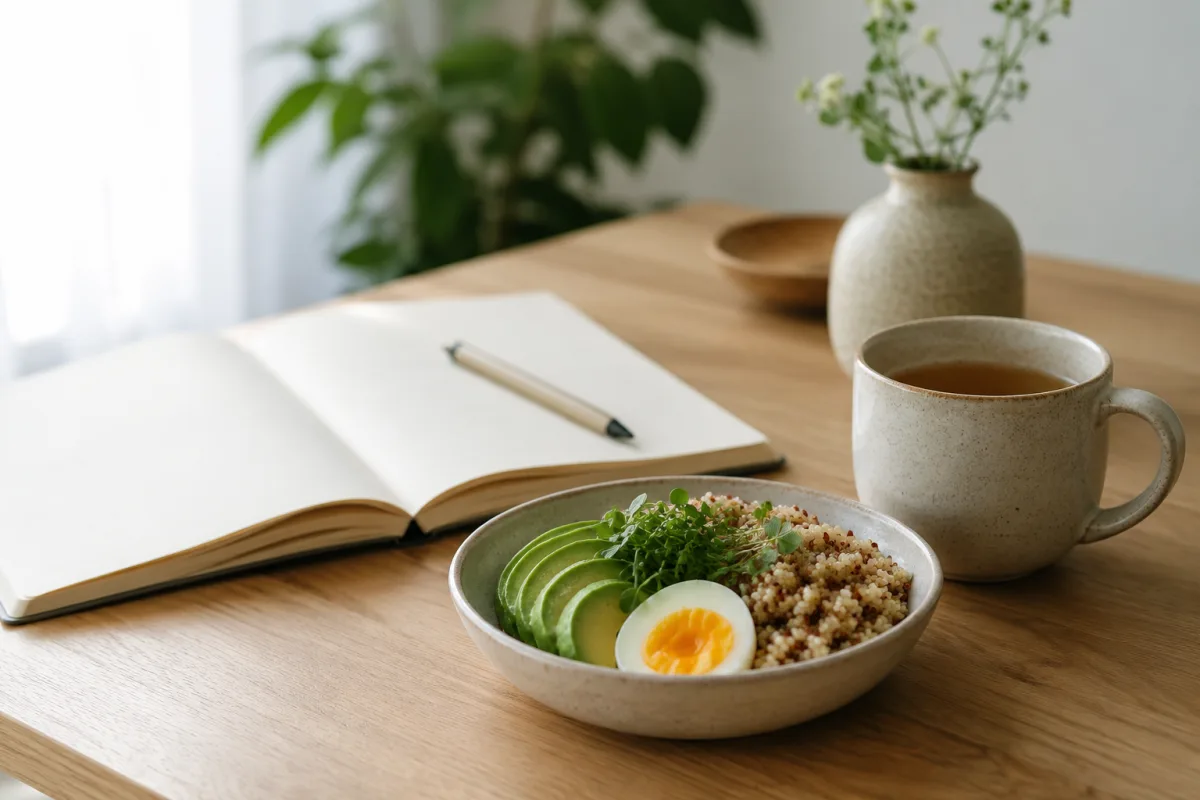
- Food Journaling and Elimination Diets (Under Supervision): If you suspect specific foods are triggering your anxiety or gut issues, keeping a detailed food and symptom journal can be incredibly illuminating. Note what you eat and how you feel, both physically and emotionally, a few hours later. If a pattern emerges, you might consider a temporary elimination diet (e.g., removing gluten, dairy, or soy for a few weeks) to see if symptoms improve, and then reintroducing foods one by one. This should ideally be guided by a professional to ensure it’s done safely and effectively, avoiding nutritional deficiencies and unnecessary restriction.
- Advanced Gut Testing: For persistent or severe issues, advanced stool testing (like a comprehensive stool analysis) can provide incredibly detailed insights into your microbiome's composition, looking for imbalances, pathogenic bacteria, yeast overgrowth, and markers of inflammation. Testing for SIBO (Small Intestinal Bacterial Overgrowth) might also be appropriate if you experience specific symptoms like bloating, gas, and abdominal pain. This kind of testing allows for a highly personalized treatment plan, moving beyond general advice to target your specific gut issues directly.
Final Thoughts
The journey to better gut health and reduced anxiety isn't always linear, but it is one of the most empowering paths you can take for your overall well-being. Understanding the profound connection between your gut and your brain isn't just academic; it's a practical blueprint for feeling more balanced, resilient, and peaceful in your daily life. You're not just tackling symptoms; you're nurturing the very foundation of your health. Remember, it’s about making small, consistent changes that build up over time.
Don't strive for perfection; strive for progress. Be patient and compassionate with yourself. Every single choice you make – from the food you eat to how you manage stress – sends a message to your gut, and in turn, to your brain. You have the power to influence this dialogue for the better, one healthy habit at a time.
So, what’s one small step you’re going to take this week to nourish your gut and calm your mind? Start there, and watch how it transforms your world.
Save for later
Found this helpful?
Pin this article to your Pinterest board and come back to it whenever you need a reminder.
Save to Pinterest