
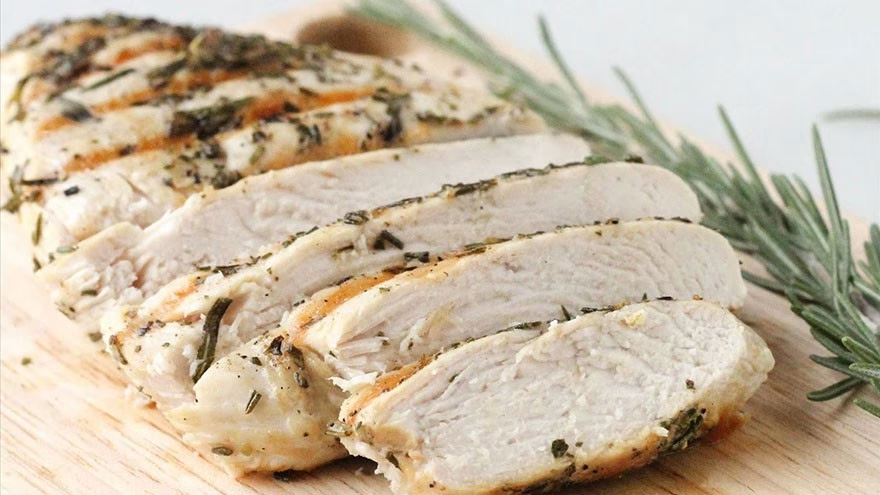
Juicy Poultry Is About Salt, Heat, and Doneness
The secret to juicy poultry is not one trick. It is the way salt, time, heat, and doneness work together. A chicken breast dries out when it is overcooked. A turkey tastes flat when it is under-seasoned. A whole bird can brown outside while the thickest parts still need time.
USDA FSIS has a dedicated guide to poultry basting, brining, and marinating, and the safest version of any juicy-poultry method starts there: keep the bird cold, avoid cross-contamination, and cook it to a safe internal temperature.
Once safety is handled, the cooking goal is simple. Season early, cook gently, and stop on time.
Brining Without Making Dinner Too Salty
A wet brine is a saltwater solution, sometimes with sugar, herbs, citrus, spices, or aromatics. Salt moves into the meat and helps it hold moisture better during cooking. That is why brined poultry can taste juicier even after roasting, grilling, or smoking.
The mistake is using too much salt for too long. A preservation-strength brine is not the same as a dinner brine. Home cooks usually want seasoning and moisture, not a bird that tastes cured.
Use a clean container, keep the poultry fully refrigerated, and make sure the brine is cold before the bird goes in. Never leave poultry on the counter in brine. Food safety and texture both suffer when time and temperature are treated casually.
If you are cooking a larger bird, Livecub's goose cooking guide is a useful companion because size, fat, and doneness all change the plan.
Dry Brining for Better Skin
Dry brining means salting the poultry without submerging it in water. The salt first draws out a little surface moisture, then that moisture dissolves the salt and moves back into the meat. The surface dries again in the refrigerator, which helps browning.
This method is especially useful for chicken pieces, turkey, and any bird where crisp skin matters. It also saves refrigerator space because you do not need a large container of liquid.
Season under and over the skin when possible, then let the bird rest uncovered or loosely covered in the refrigerator. Pat the surface dry before cooking if needed. Dry skin browns better than wet skin.
Do not dry-brine poultry that has already been heavily injected or self-basted unless you know how salty it is. Added salt on top of a pre-seasoned bird can push the flavor too far.
Thermometer Use Beats Guessing
Color is a poor guide for poultry. Juices can look clear before the meat is safely cooked, and some cooked poultry can stay a little pink depending on the bird and cooking method. A thermometer gives you a better answer.
FoodSafety.gov's safe minimum internal temperature chart lists poultry at 165 degrees F. Check the thickest part of the breast, the thigh area for whole birds, and the center of ground poultry or stuffing.
Do not stab the bird repeatedly in random places. Insert the probe into the thickest part without touching bone. For whole birds, check more than one location because breast and thigh meat cook at different speeds.
The thermometer is not a garnish. It is the tool that lets you stop cooking before dryness takes over.
Match Heat to the Cut
Different poultry cuts need different treatment. Boneless chicken breasts cook quickly and dry out quickly. Thighs and drumsticks have more connective tissue and can handle slightly longer cooking. Whole birds need planning because the breast and legs do not finish at the same pace.
For lean pieces, use moderate heat and watch the finish closely. For skin-on pieces, start with dry skin and enough heat to brown, then finish without scorching. For tougher or richer birds, slower cooking can give fat and connective tissue time to behave.
Livecub's frog legs guide is not poultry, but it makes the same kitchen point: delicate, lean meat asks for more control than heavy cuts.
If a recipe was written for bone-in thighs, do not expect it to work the same for boneless breasts. Change the time, heat, and checking points.
Resting, Carving, and Serving
Resting helps juices settle before cutting. If you slice poultry the second it leaves the pan, more liquid runs onto the board instead of staying in the meat. Small pieces need only a short rest; larger birds need longer.
Carving matters too. Cut across the grain where you can, and use a sharp knife. For turkey or chicken breast, removing the breast half and slicing it crosswise can give cleaner, juicier pieces than shaving thin strips from the bird at the table.
Do not let resting become unsafe holding. Keep hot food hot, cold food cold, and refrigerate leftovers promptly. USDA FSIS chicken safety guidance is a helpful reference for handling, storage, and safe cooking habits around poultry.
Juiciness is won before the platter, but it can be lost during careless carving.
Flavor Without Losing Moisture
Marinades, glazes, rubs, and sauces can all support juicy poultry, but they do different jobs. A marinade seasons the surface and may bring acid, oil, sugar, or aromatics. A glaze adds shine and sweetness late in cooking. A sauce can rescue a slightly dry piece, but it cannot fully undo overcooking.
Use sugar carefully because it browns fast. If a glaze contains honey, molasses, jam, or sweet sauce, apply it near the end so it does not burn before the inside is done.
For sauce ideas, Livecub's stir-fry sauce guide can help with salt, acid, sweetness, and aromatics that also work around simple chicken or turkey pieces.
Basting, Butter, and Pan Moisture
Basting can add flavor to the surface, but it does not magically force moisture deep into poultry. Opening the oven too often can also drop the temperature and lengthen cooking time. If you baste, do it with purpose and close the oven again quickly.
Butter under the skin can help lean breast meat feel richer, especially when mixed with herbs, citrus zest, garlic, or pepper. Keep the layer thin. Too much fat can melt out, smoke, or keep the skin from crisping the way you want.
A little liquid in the roasting pan can protect drippings from burning, but the bird should not sit in a deep bath unless the recipe is meant to braise. Moist air and wet skin are not the same goal.
Leftovers Still Need Care
Juicy poultry can turn dry the next day if it is reheated carelessly. Slice only what you need, store leftovers in shallow containers, and add a spoonful of broth, sauce, or pan juices before reheating. Gentle heat works better than blasting thin slices until they curl.
Use leftover breast meat in salads, sandwiches, soups, rice bowls, or sauced dishes where moisture can return to the plate. Dark meat is more forgiving and often reheats better because it has more fat and connective tissue.
Reheat only once when possible.
Common Mistakes That Dry Out Poultry
The first mistake is cooking straight from a vague recipe time without checking thickness or temperature. The second is crowding a pan so the meat steams instead of browns. The third is cutting too soon.
Another mistake is treating every bird the same. A small chicken, a large turkey, a duck breast, a goose, and a tray of wings do not need the same method. Fat level, bone, skin, thickness, and cooking equipment all change the result.
Rich poultry also has its own rules. Livecub's foie gras serving guide shows how fat, heat, and timing can shift quickly when the ingredient is delicate.
The real secret is not glamorous. It is attention. Salt with a plan, keep poultry cold until cooking, use a thermometer, rest the meat, and carve it well.
Frequently Asked Questions
Does brining always make poultry juicy?
Brining can help, but it must be cold, correctly timed, and not overly salty. Overcooking can still dry out brined poultry.
Is dry brining better than wet brining?
Dry brining is often better for crisp skin and space saving, while wet brining can be useful for larger birds or very lean meat.
What temperature should poultry reach?
Poultry should reach 165 degrees F at the safe checking point, measured with a food thermometer.
How long should poultry rest?
Small pieces may need only a few minutes, while whole birds need longer. Rest enough to reduce juice loss without leaving food in an unsafe temperature range.

Cashie Evans
Covers parenting and practical household topics with clear steps, safety notes and links to current guidance.




Leave a reply
Replying to