

Tips for a Safe Pregnancy are most useful when they are simple and evidence-based. Safety is not about controlling every detail; it is about knowing what to do next.
Start Prenatal Care
ACOG says prenatal care is health care during pregnancy: ACOG prenatal care.
Start care early and keep appointments.
Bring questions about medications, symptoms, food, work, travel, and exercise.
Know Urgent Warning Signs
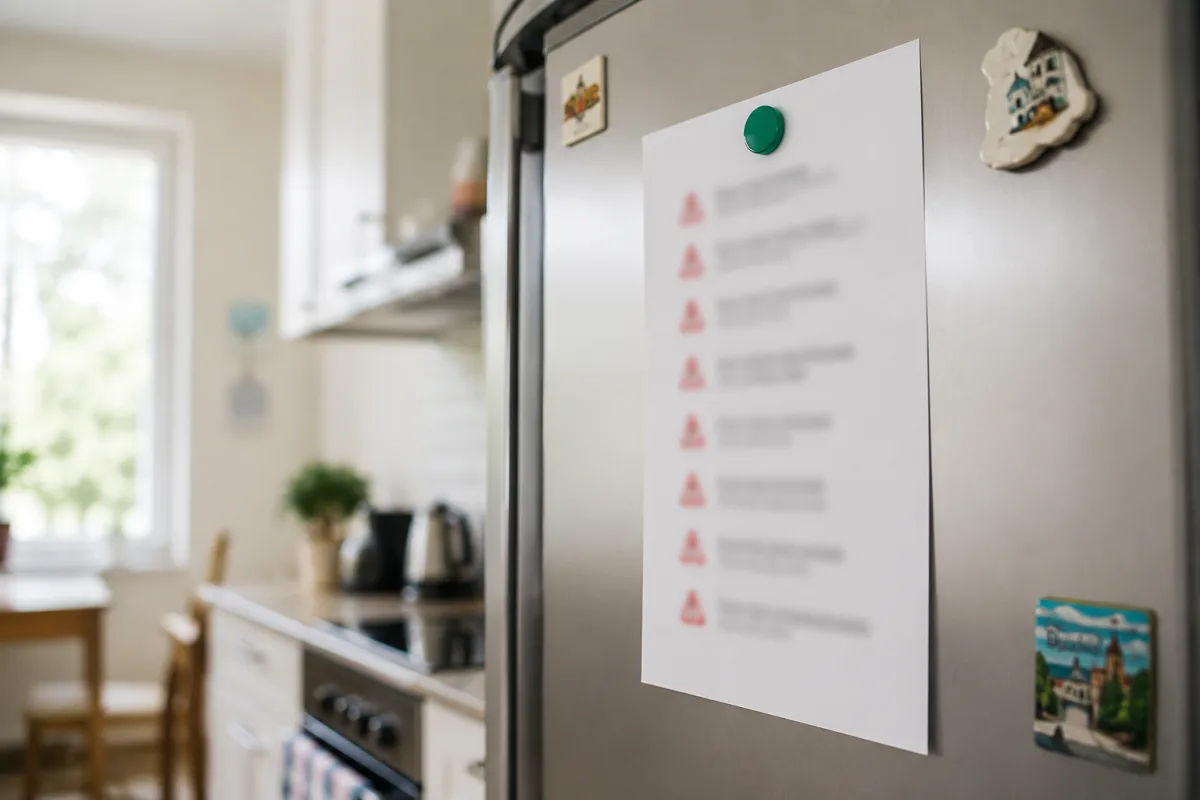
CDC's Hear Her warning signs include severe headache, vision changes, fever, extreme swelling, trouble breathing, chest pain, and heavy bleeding: CDC urgent maternal warning signs.
Do not wait through a warning sign because it seems inconvenient.
Share the list with support people.
Eat And Move Safely

ACOG healthy eating during pregnancy explains nutrition and key vitamins and minerals: ACOG healthy eating.
ACOG also says most people can continue or start regular physical activity with guidance.
Ask before major diet, supplement, or exercise changes.
Make Safety Specific
Safe pregnancy advice is useful only when it becomes specific. Write down who to call, which medicines are approved, what symptoms need urgent care, and where to go after hours.
Bring a medication and supplement list to appointments. Over-the-counter products, herbs, and borrowed medicines should be checked before use.
Food, movement, travel, sex, work, and dental care may have different guidance depending on the pregnancy. Ask instead of relying on old family rules.
A safe plan should fit the actual person: age, medical history, prior birth, blood pressure, diabetes risk, work demands, and access to care.
Manage Work And Travel
Work can create pregnancy strain through long standing, heat, chemicals, lifting, stress, or missed meals. Ask the care team what limits or accommodations are reasonable.
Travel planning should include seat belts, hydration, movement breaks, medical records, nearby care options, and what to do if bleeding, pain, or contractions start.
Do not ignore symptoms because a trip, shift, or event is already planned. The body does not follow a calendar just because tickets were bought.
If work or travel feels unsafe, write down the exact tasks or conditions. Clear facts make medical and workplace conversations easier.
Share Warning Signs With The Household
A pregnant person should not be the only one who knows the warning signs. Partners, relatives, and close support people need the list too.
Put the clinic number, hospital number, address, insurance card location, and emergency contacts where others can find them quickly.
If a support person dismisses symptoms, choose another support person for urgent calls. Safety is not a debate during a warning sign.
The plan should include transportation. A person with severe symptoms may not be able to drive safely or explain everything at the same time.
Review After Each Visit
Pregnancy safety changes after lab results, scans, blood pressure checks, new symptoms, or changes in fetal movement. Update the plan after each appointment.
Ask the care team what changed, what stayed the same, and what should trigger a call before the next visit.
Keep the answers short enough to use. A one-page note on the fridge is more useful than a folder nobody opens.
Safe pregnancy is not about fear. It is about noticing problems early, using care promptly, and making daily life easier on the body.
Support roles matter, so emotional support during early labor fits any plan that asks another adult to stay calm and useful.
For nausea, low appetite, or postpartum recovery days, bland diets for pregnancy keeps food advice simple and gentle.
Mood changes deserve attention too; depression during pregnancy is a related pregnancy mental-health topic.
Start With Personal Care

For safe pregnancy tips, public guidance is a starting point, not a personal plan. Medical history, trimester, blood pressure, prior birth, medication, mood, support, and distance from care can change the advice.
Use general information to prepare questions for an obstetric clinician. Bring dates, symptoms, product names, medicines, and what has already been tried.
If symptoms feel urgent, call the care team, labor unit, or emergency services instead of waiting for a routine appointment.
Know Warning Signs
Pregnancy and postpartum warning signs should be written down where support people can see them. Severe headache, chest pain, trouble breathing, heavy bleeding, fainting, fever, vision changes, and thoughts of self-harm need prompt attention.
Support people should not minimize symptoms because pregnancy is expected to be uncomfortable. Some symptoms are common; others are warning signs.
When in doubt, state the facts to a clinician and let trained staff triage the concern.
Plan The Support Work
Useful support is specific: drive, call, take notes, bring food, manage older children, handle pharmacy trips, protect rest, or sit quietly during labor.
The pregnant person should not have to manage everyone else's feelings while managing symptoms.
A support plan should name people, phone numbers, backup rides, and who can make a call if the pregnant person cannot.
Keep Food, Fluids, And Rest Visible
Pregnancy care is harder when the basics disappear. Keep water, small meals, snacks, rest blocks, and appointment reminders visible.
If nausea, pain, stress, or work makes eating and sleeping nearly impossible, treat that as a care issue.
Support can be practical instead of dramatic: make a meal, refill water, drive to an appointment, or take over a chore.
Prepare For Change
Pregnancy plans change because bodies change. What worked last week may not work after swelling, nausea, pain, fatigue, or a new medical instruction.
Review the plan after appointments, after symptoms change, and before the final weeks of pregnancy.
A flexible plan is stronger than a perfect-looking plan that cannot adjust.
Protect Privacy And Consent
Support people can help without taking over. Ask what information may be shared, who is allowed in appointments, and how decisions should be discussed.
The pregnant person's comfort, consent, and medical privacy matter even when family members are excited or worried.
If the topic includes legal rights, paternity, or family conflict, get state-specific legal advice rather than relying on general pregnancy guidance.
Create A Follow-Up Note
After a call, appointment, procedure, or birth plan discussion, write down what was decided and what should happen next.
A follow-up note can include symptoms to watch, medication instructions, next appointment, product limits, and who is responsible for each task.
This note is especially useful when several support people are helping.
Before Trying It
Before using advice about safe pregnancy tips, write one page that includes the plan, the reason for it, who is helping, and when to call the care team.
Keep the page short enough that someone can use it during a stressful moment. Phone numbers, symptoms, medications, allergies, and transport details should be easy to find.
Support should be agreed, not assumed. Ask what kind of help is welcome, what should stay private, and who can receive updates if plans change.
Products, comfort measures, gifts, and routines should all be checked against the pregnant person's symptoms and medical instructions. What helped a friend may not fit this pregnancy.
Make room for rest and food before the day becomes hard. Small supports work better when they are ready before nausea, swelling, pain, or fatigue is high.
If a warning sign appears, stop the plan and call. Do not keep massaging, crafting, shopping, traveling, or waiting because the activity was already scheduled.
After any call or appointment, update the note. Pregnancy guidance is easier to follow when the latest instruction is written where support people can see it.
If the plan feels hard to explain, slow it down. A clear next step, a phone number, and one calm support person are more useful than a long plan nobody can follow.
Keep that note where it can be found quickly.
Frequently Asked Questions
What is the first step for safe pregnancy tips?
Use public guidance to prepare questions, then ask the obstetric care team how it applies to the pregnancy.
When should someone call urgently?
Call for heavy bleeding, chest pain, trouble breathing, fainting, severe headache, vision changes, fever, severe pain, or thoughts of self-harm.
What can a support person do?
Drive, take notes, prepare food, manage calls, protect rest, watch warning signs, and respect privacy.
Can advice online replace prenatal care?
No. Online information cannot account for personal history, symptoms, or local emergency care.
How should decisions be recorded?
Write down symptoms, calls, instructions, appointments, products used, and follow-up steps.
This article is for general information only and is not medical, pregnancy, labor, or emergency advice. Contact your obstetric care team for personal guidance and call emergency services for urgent symptoms.

Cashie Evans
Covers parenting and practical household topics with clear steps, safety notes and links to current guidance.



Leave a reply
Replying to