
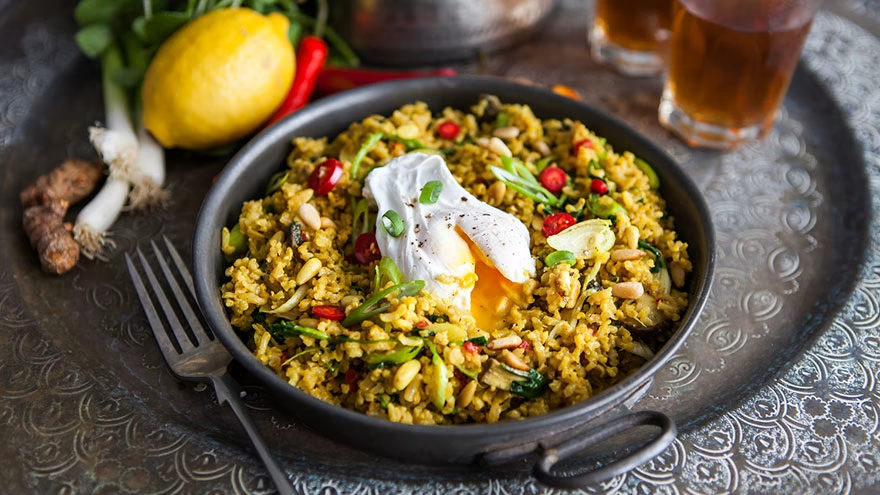
African Style Pilaf Is About Spices, Browning, and Rice Texture
What Do I Need to Make Rice Pilaf African Style? The short answer is rice, aromatics, spices, liquid, and patience. The better answer depends on the region, because pilau and pilaf change across East Africa, coastal cooking, home kitchens, and family traditions.
A good version should taste seasoned through the grain, not like plain rice with spice sprinkled on top.
The rice should carry the flavor from the pot, not only from garnish.
Start With Long-Grain Rice
East African pilau recipes often use basmati or another long-grain rice because the grains cook separate and fragrant. Chef Lola's Kitchen's East African pilau recipe uses basmati rice with beef, potatoes, onions, tomatoes, garlic, ginger, and pilau masala.
Rinse rice until the water runs clearer, then drain it well. Excess surface starch can make the pilaf heavy or sticky.
Livecub's jollof rice article is a useful neighboring topic because rice texture and seasoning carry much of the dish.
Build a Pilau Spice Mix
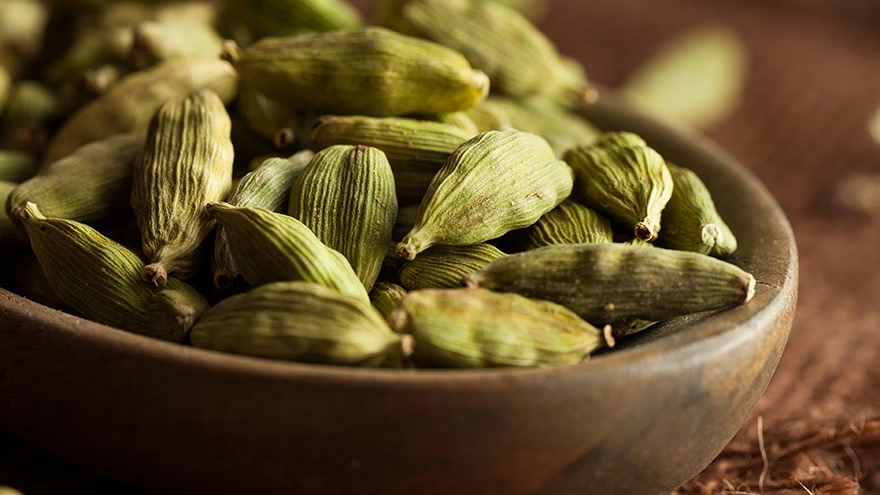
Common spices include cumin, cardamom, cloves, cinnamon, black pepper, coriander, and sometimes bay leaf. Some cooks use a prepared pilau masala, while others toast whole spices and grind them.
Toasting spices briefly in oil can make the aroma deeper. Do not burn them; bitter spices will carry through the whole pot.
Spices should bloom, not scorch.
Whole spices give aroma, while ground spices spread quickly through the rice.
Brown the Onions Properly
Cooking With Claudy's East African pilau rice page notes the brown color associated with East African pilau, shaped by browned onion, meat, and pilau masala.
Give onions time to soften and brown without burning. This step adds sweetness and color before the rice goes in.
Choose Meat, Vegetables, or Both
Beef, goat, chicken, and sometimes seafood can all appear in African-style pilau, depending on the kitchen. Vegetarian versions can use potatoes, carrots, peas, beans, or mushrooms with a strong stock.
If you use meat, brown it before adding rice so the pot develops flavor. If you use vegetables, choose some that can survive steaming without turning to paste.
Use Garlic, Ginger, and Tomatoes With Care
Garlic and ginger give the rice warmth. Tomatoes can add body and color, but too much liquid can make the rice mushy.
Cook tomatoes down before adding rice. The mixture should look concentrated, not watery.
Potatoes Are Optional but Common
Potatoes appear in many East African pilau recipes. They absorb spice and make the dish feel more complete.
Cut them large enough to hold shape. Small cubes may disappear before the rice finishes cooking.
Use Stock or Seasoned Water
Plain water can work if the spice base is strong, but stock gives the rice more depth. Use beef, chicken, vegetable, or seafood stock depending on the version.
Measure liquid carefully. Too much makes soft rice; too little leaves hard centers.
Choose the Right Pot
A heavy pot with a tight lid helps rice cook evenly. Thin pots can burn the bottom before the top grains are fully steamed.
If your lid leaks steam, place a clean kitchen towel under the lid and keep the heat low. Do this carefully so fabric stays away from flame or burner heat.
Toast the Rice Briefly
After the spice base is ready, stir in the drained rice and let it toast for a minute or two. This helps the grains absorb fat and spice before liquid enters the pot.
Do not toast so long that the rice browns hard. The goal is coating and aroma, not frying the rice dry.
Cook the Rice in the Seasoned Base
Rice should be stirred into the cooked aromatics and spices before liquid is added. This coats the grains and helps the seasoning move through the pot.
After adding liquid, bring the pot to a boil, reduce heat, cover tightly, and let the rice steam. Do not keep opening the lid to check.
Tanzanian Versions May Use Coconut
The Spruce Eats' Tanzanian pilau rice recipe uses coconut milk and vegetable stock with fragrant spices.
Coconut milk gives richness and a softer coastal feel. If using it, reduce other liquid so the rice does not become heavy.
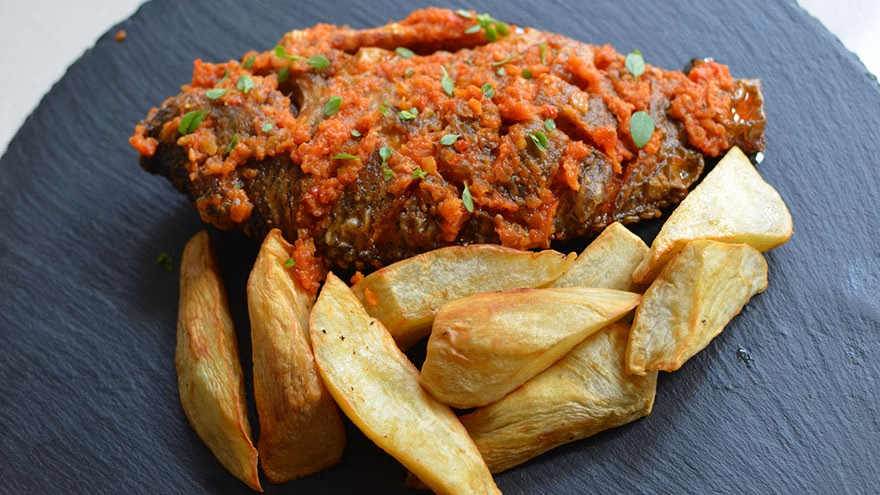
For another African side, Livecub's fried African yams guide can help build a meal around the pilau.
Do Not Overload the Pot
Pilau can carry meat, potatoes, vegetables, and spice, but too many additions can keep rice from steaming evenly.
If the pot is crowded, cook some items separately and fold them in after the rice rests.
Season in Layers
Add salt lightly at different stages instead of dumping it all in at the end. Season the meat, the aromatics, and the cooking liquid with restraint.
Stock cubes, salted meat, and prepared spice mixes can already contain salt. Taste before adding more.
Let Meat Cook Far Enough Before Rice
Beef, goat, and mutton may need more time than rice. If the meat is tough when rice goes in, the finished dish can be uneven.
Simmer firmer meat until nearly tender, then add rice. Chicken and shrimp need gentler timing so they do not dry out.
Cut Ingredients for Even Cooking
Large chunks of meat, potato, or carrot may cook slowly, while tiny pieces may break down. Cut ingredients with the final steaming time in mind.
If using both meat and potatoes, make sure neither crowds the pot so much that steam cannot move through the rice.
Add Heat With Care
Fresh chile, dried chile, black pepper, or Scotch bonnet can add warmth, but heat should support the spice blend rather than flatten it.
If cooking for a group, keep the rice moderate and serve hot sauce on the side. That gives people control.
Let the Rice Rest Before Serving
After cooking, turn off the heat and let the pot sit covered for about 10 minutes. Resting lets steam finish the grains and makes the texture easier to fluff.
Use a fork or flat spoon to lift the rice gently. Rough stirring can break grains and smear soft vegetables.
Serve With Something Bright
Rice pilaf can be rich, so a bright side helps. Try kachumbari-style tomato and onion salad, citrusy greens, chutney, yogurt, or a sharp pepper sauce.
Livecub's common Asian spices article can also help cooks compare overlapping spice families without treating all rice dishes as the same.
Store Leftovers Safely
Cool leftover rice quickly, refrigerate it in shallow containers, and reheat until steaming hot. Rice dishes should not sit out for hours after dinner.
When reheating, add a splash of water or stock and cover the pan so the grains soften without drying out.
Common Mistakes to Avoid
Common problems include under-browned onions, burned spices, too much liquid, unrinsed rice, overfilled pots, and stirring after the rice starts steaming.
If the first batch is not perfect, adjust one thing next time. Rice improves with repeat cooking.
Scale the Recipe Carefully
Doubling rice is not always as simple as doubling every ingredient. Larger pots hold heat differently and may need more careful liquid control.
If cooking for a gathering, test the recipe once at home before making a party-sized pot. Pilau is forgiving, but rice texture still depends on practice.
A tested pot is better than a stressed party batch.
Make a Simple Shopping List
For a basic version, buy basmati rice, onions, garlic, ginger, tomatoes or tomato paste, potatoes, pilau spices, stock, oil, and your chosen meat or vegetables.
If using whole spices, add a small grinder or mortar to the plan. If using prepared pilau masala, taste the mix before adding extra salt or chile.
Good shopping makes the cooking calmer.
Plan the Cooking Order
The order matters: rinse rice, brown onions, bloom spices, cook meat or vegetables, add tomatoes, coat rice, add liquid, cover, steam, rest, then fluff.
Writing the order down keeps the pot calm, especially if you are cooking the dish for guests.
Frequently Asked Questions
What rice is best for African style pilaf?
Basmati or another long-grain rice works well because it cooks fragrant and separate when rinsed and steamed properly.
What spices do I need?
Common choices include cumin, cardamom, cloves, cinnamon, black pepper, coriander, garlic, and ginger.
Can I make African style rice pilaf without meat?
Yes. Use vegetables, potatoes, beans, mushrooms, and a well-seasoned stock to keep the dish satisfying.
Why is my pilaf mushy?
Too much liquid, unrinsed rice, too many watery vegetables, or frequent lid opening can make pilaf mushy.

Chiara Bradshaw
Covers education, culture and creative topics with an emphasis on readable explanations and verifiable references.
Leave a reply
Replying to