
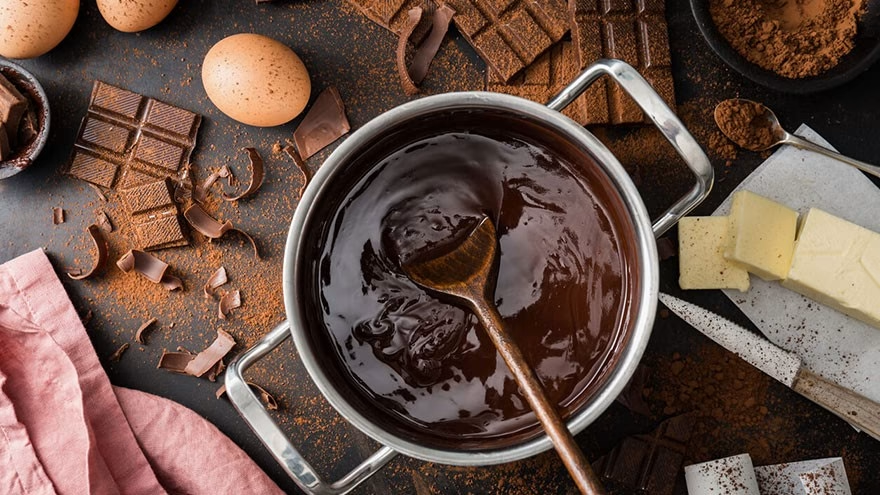
Chocolate Is an Ingredient, Not Just a Flavor
Baking with chocolate changes texture, sweetness, fat, acidity, color, and structure. A brownie made with cocoa powder behaves differently from one made with melted chocolate. A cookie made with chopped bar chocolate spreads differently from one made with chips. The recipe is not only asking for chocolate flavor; it is asking for a specific ingredient behavior.
Once you understand cocoa powder, bar chocolate, chips, melting, moisture, and storage, chocolate baking becomes less mysterious. You stop swapping at random and start knowing which changes are safe.
The chocolate you choose changes the bake before the pan reaches the oven.
Cocoa Powder Is Not the Same as Chocolate
Cocoa powder brings strong chocolate flavor with very little fat compared with bar chocolate. It also affects acidity. Natural cocoa and Dutch-process cocoa can behave differently in recipes that depend on baking soda or baking powder.
King Arthur Baking's guide to Dutch-process and natural cocoa explains why the two are not always interchangeable. If a recipe specifies one type, follow it the first time before experimenting.
Cocoa powder is powerful because it is dry and concentrated.
Bar Chocolate, Chips, and Chunks
Bar chocolate melts more smoothly because it is made for eating and melting. Chocolate chips are designed to hold shape in cookies, so they may contain stabilizers and can melt less fluidly. Chunks from a chopped bar create uneven pockets that feel more bakery-style.
Use bar chocolate for ganache, glazes, mousses, and recipes where smooth melting matters. Use chips when you want distinct pieces in cookies or quick breads. Use chopped chocolate when you want irregular texture.
For a practical dessert comparison, Livecub's tiramisu guide shows how chocolate or cocoa can support a creamy dessert without taking over the whole structure.
Measure Chocolate the Way the Recipe Measures It
Chocolate can be measured by weight, volume, or count, and those methods do not always match. One cup of chips is not the same as one cup of chopped bar chocolate because the pieces settle differently. If a recipe gives grams or ounces, use a scale.
For cocoa powder, spoon it into the measuring cup and level it unless the recipe says to weigh. Packing cocoa can make a cake dry, bitter, or dense. Small measuring habits show up clearly in chocolate desserts.
Know What the Percentage Means
A chocolate percentage tells you the share from cocoa solids and cocoa butter combined, not the exact bitterness level. A 70 percent bar from one brand can taste fruitier or harsher than another because beans, roasting, sugar, and formulation differ.
For baking, use the percentage the recipe expects. If you replace semisweet chocolate with very dark chocolate, the dessert may become less sweet, firmer, and more intense. That may be good, but it is still a recipe change.
Higher percentage does not automatically mean better baking.
Choose Cocoa or Melted Chocolate by Texture
Use cocoa powder when you want a lighter batter, a sharper chocolate taste, or a recipe that already has enough fat from butter, oil, or egg yolks. Cocoa works well in many cakes, brownies, cookies, and frostings.
Use melted chocolate when you want density, smoothness, and extra cocoa butter. Flourless cakes, truffles, ganache, and some brownies depend on that fat. If you swap cocoa for melted chocolate without adjusting fat and liquid, the texture can change fast.
Melt Chocolate Gently
King Arthur Baking's guide to melting chocolate recommends controlled heat. The enemy is not only burning; water can make chocolate seize into a thick paste.
Use short microwave bursts with stirring between each burst, or use a bowl over barely simmering water. Keep steam away from the bowl. Stop heating while a few pieces remain and stir until smooth.
Residual heat is part of the method.
Moisture Can Ruin Smooth Chocolate
A wet bowl, damp spoon, steam, or rinsed fruit can make melted chocolate seize. This matters for glazes, dipped cookies, truffles, and decorations. Dry tools before you start. If dipping fruit, dry it more than you think you need to.
Seized chocolate may still be usable in brownies or hot chocolate if the recipe can absorb it, but it will not make a clean coating. Do not pour seized chocolate onto a cake and hope it will become glossy.
Balance Sweetness, Salt, and Fat
Chocolate desserts taste flat when sweetness is the only note. Salt sharpens chocolate. Coffee can deepen it. Vanilla rounds it. Butter, oil, cream, or egg yolks change how chocolate sits on the tongue.
Do not add every flavor enhancer at once. A brownie may need salt and vanilla. A cake may need coffee. A ganache may only need cream and good chocolate. Livecub's fudge icing recipe is a good internal reminder that sweetness needs structure.
Salt is small, but it is not optional in serious chocolate baking.
Ganache and Frosting Need Ratios
Ganache is not just melted chocolate with cream poured in by instinct. More cream makes it softer. More chocolate makes it firmer. Warm ganache pours, cooled ganache spreads, and chilled ganache can be whipped if the ratio allows it.
Frosting has a different job. It has to spread, hold shape, and taste good at room temperature. If it breaks or looks greasy, temperature may be the issue rather than the ingredients.
Chocolate texture is often a temperature problem pretending to be a recipe problem.
Substitutions Need Math
Replacing cocoa powder with melted chocolate changes fat and moisture. Replacing unsweetened chocolate with semisweet changes sugar. Replacing chopped bar with chips changes melt and spread. Some swaps work only when you adjust other ingredients.
If a recipe matters, bake it as written first. After that, change one variable at a time. Chocolate recipes can hide small errors until the cake sinks, the cookie spreads, or the frosting breaks.
Storage Protects Flavor
Store chocolate cool, dry, and away from strong odors. Do not store it near onions, spices, or the heat of the stove. Bloom, the pale streaky look on chocolate, usually comes from fat or sugar moving to the surface because of temperature or moisture changes.
Bloomed chocolate may still bake fine if it smells and tastes normal. For decorations or dipping, use fresh-looking chocolate so the finish is cleaner.
If you buy chocolate in bulk, portion it into smaller wrapped pieces. Opening one large block every week exposes the whole supply to kitchen odors and temperature swings, especially near ovens and sunny counters in summer.
Label the cocoa percentage before the wrapper is gone from the pantry shelf after weekend baking.
Tempering Is Optional Until Presentation Matters
Tempering gives chocolate a cleaner snap and shine for dipped candies, decorations, and molded pieces. It is usually not needed for brownies, cakes, muffins, or chocolate stirred into batter.
If you are new to chocolate work, separate baking from candy-making. Learn to melt without scorching first. Then learn tempering when shine, snap, and room-temperature set truly matter.
Food Safety and Chocolate Desserts
Chocolate itself is low-moisture, but chocolate desserts often include eggs, dairy, cream, fruit, or custard. FoodSafety.gov's four food-safety steps still apply: clean, separate, cook, and chill.
Refrigerate cream pies, mousse, custards, cheesecakes, and whipped ganache if the recipe calls for it. Do not leave perishable desserts on the counter overnight because they contain chocolate.
For serving displays, Livecub's cookie display guide can help with presentation once storage and temperature are handled.
Common Chocolate Baking Problems
The chocolate scorched
Heat was too high or too long. Melt more slowly next time and stir often.
The cake tastes dull
Check salt, cocoa quality, vanilla, and whether the recipe needed coffee or a darker chocolate.
The cookies spread too much
The dough may be too warm, the butter too soft, or the chocolate swap may have changed the fat balance.
Frequently Asked Questions
Can I swap natural cocoa and Dutch-process cocoa?
Sometimes, but not always. Recipes using baking soda or baking powder may depend on cocoa acidity, so follow the specified type first.
Are chocolate chips good for melting?
They can work, but bar chocolate often melts smoother because chips are designed to hold shape during baking.
Why did my melted chocolate get thick and grainy?
It may have overheated or touched water. Use dry tools and gentler heat next time.
How should I store baking chocolate?
Keep it cool, dry, wrapped, and away from strong odors. Avoid heat swings and moisture.

Cashie Evans
Covers parenting and practical household topics with clear steps, safety notes and links to current guidance.




Leave a reply
Replying to