
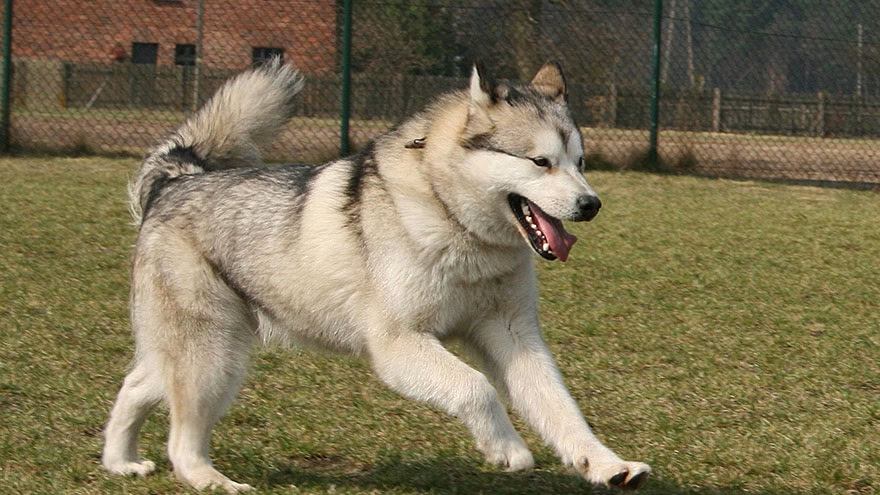
An Alaskan Malamute training guide should start with respect for what the breed was built to do. Malamutes are strong working dogs with independence, stamina, social confidence, and a real love of pulling, exploring, digging, and using their own judgment. Training works best when it gives that mind structure instead of trying to crush it.
A Malamute can be affectionate, funny, and loyal. It can also drag an unprepared owner down the street, raid counters, ignore casual recall, howl at the wrong time, and treat a weak fence like a suggestion. The answer is early training, daily outlets, management, and patience.
Before buying or adopting, be honest about daily time, physical strength, fencing, climate, and tolerance for noise and hair. A Malamute is not a bad dog when it acts like a Malamute. It is a powerful working breed that needs an owner prepared for that reality.
What Makes Malamute Training Different?
The American Kennel Club describes the Alaskan Malamute as an immensely strong, heavy-duty worker of spitz type. That strength matters in training. A cute puppy becomes a powerful adult, so manners need to start before size becomes the problem.
Malamutes were not bred to stare at a person and wait for tiny instructions all day. They were bred to work, pull, endure weather, and think. Training must be consistent, rewarding, and practical. If you want another active-breed comparison, Livecub's German Shorthaired Pointer questions shows a different kind of high-energy challenge.
When Should Training Start?
Start the day the puppy comes home. Teach name response, hand targeting, settle, crate comfort, grooming handling, food manners, and coming when called in easy spaces. Short lessons work better than long lectures. End while the puppy still wants to play.
Do not wait until adolescence. A teenage Malamute can be strong, impulsive, and convinced it knows the better route. Foundation skills should already be familiar by then, even if they need reinforcement.
Early training should also include handling. Touch paws, check ears, brush the coat, practice collar holds, and reward calm restraint before the dog is large enough to argue with its body. Cooperative care makes grooming, vet visits, and gear changes easier later.
How Do You Handle Pulling?
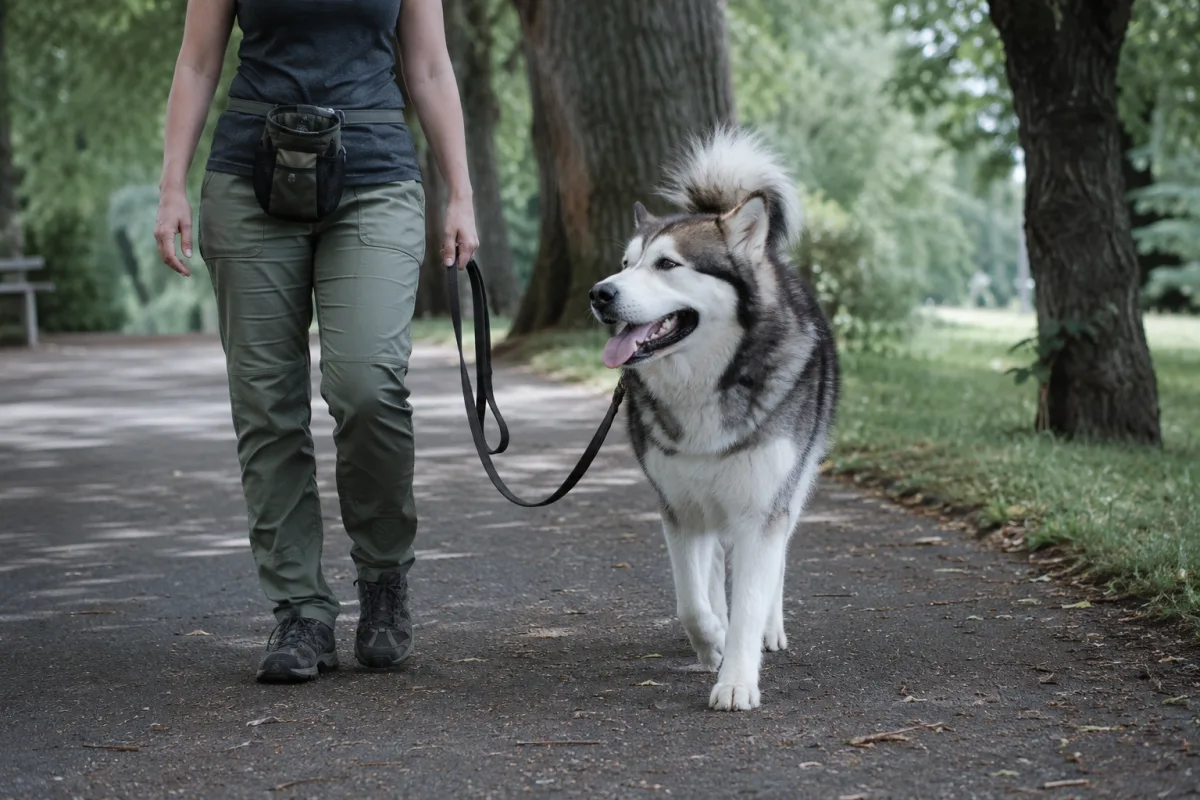
Pulling is part of the breed's history, so leash manners need patient teaching. Use safe walking equipment, reward the dog when the leash stays loose, and stop forward movement when pulling starts. Practice first in low-distraction areas. A Malamute that only practices pulling gets stronger at pulling.
The UC Davis veterinary behavior handout on loose-leash walking notes that some sled and working breeds were bred to pull, which can make leash training harder. That does not make polite walking impossible. It means the owner must be consistent and start where the dog can succeed.
Separate pulling as a sport from pulling on neighborhood walks. If the dog does canicross, sledding, bikejoring, or carting, use different equipment, cues, and locations than polite walks. Clear context helps the dog understand when pulling is the job and when walking beside you pays better.
Can Malamutes Be Off Leash?
Many should not be trusted casually off leash in unfenced areas. Prey drive, independence, distance, and curiosity can override a weak recall. A long line, fenced field, or secure yard is often safer than hoping the dog comes back when wildlife appears.
Train recall anyway. Recall can save a life if a gate opens or a leash drops. Use high-value rewards, short distances, happy tone, and many easy wins. Never punish the dog after it returns, even if the return was late.
How Much Exercise Helps Training?
VCA notes that Malamutes love to run, pull, and roam, need secure confinement, and do best with reward-based training using food or games. Exercise matters because a bored Malamute can dig, howl, chew, escape, or invent work.
Use walks, hikes in cool weather, pulling sports with proper instruction, scent games, obedience games, and food puzzles. Avoid heavy forced exercise for growing puppies and avoid hard work in heat. If you are studying large dog care, Livecub's biggest dog breeds article can help frame the physical scale.
How Do You Train Recall?
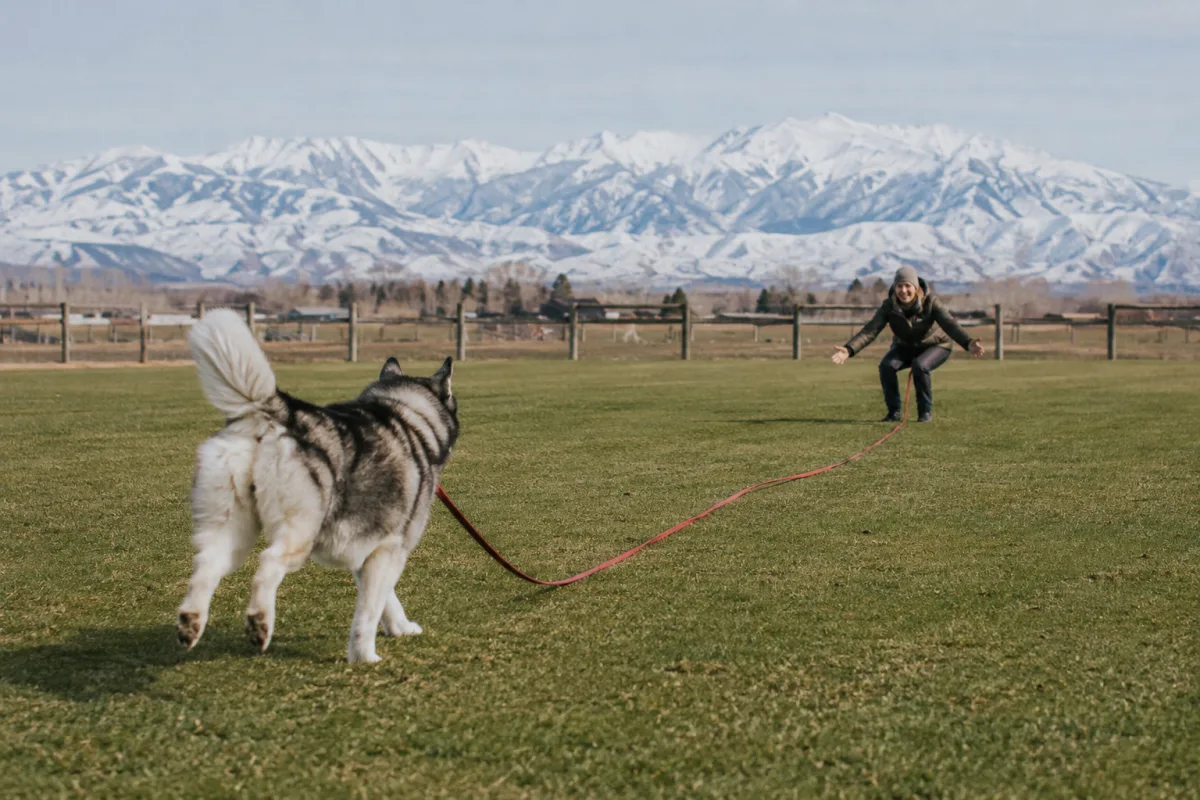
Start indoors. Say the cue once, reward generously, and release the dog back to fun. Practice in hallways, then fenced yards, then long-line spaces. Pay well when the dog turns away from distractions. A Malamute should believe coming back is worth it.
Use emergency recall separately if needed. Pick a cue that always pays with something excellent. Do not overuse it. Build it in quiet spaces before expecting it to work around wildlife, other dogs, or open gates.
A long line is training equipment, not a failure. It lets the dog practice distance, sniffing, and turning back without giving full freedom before the recall is ready. Check the line, clip, and field carefully so practice stays safe.
How Do You Manage Digging And Escaping?
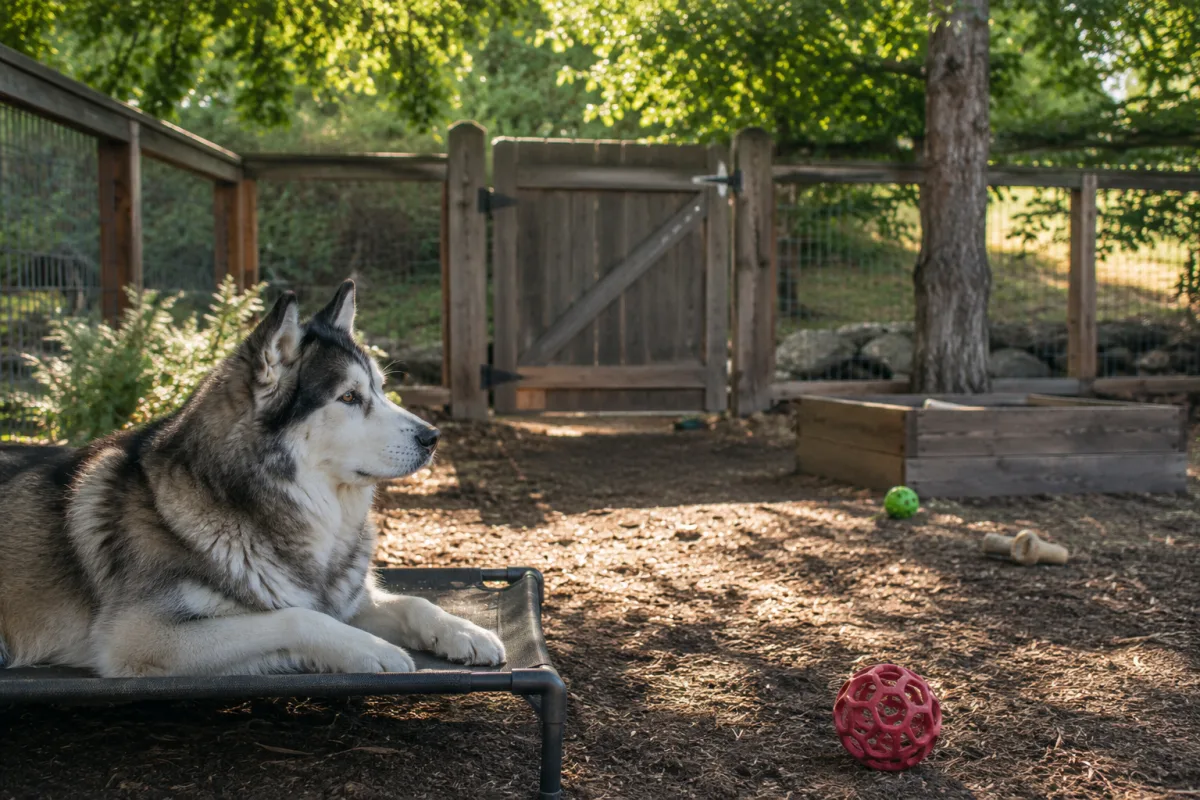
Assume the yard needs secure fencing and supervision. Malamutes can dig, climb, push, and investigate weak spots. Give a legal digging area if digging is a favorite hobby. Bury toys in one approved zone and reward the dog for using it.
Escaping is not only a training issue. It is a management issue. A bored, intact, under-exercised, or unsupervised Malamute may look for adventure. Check gates, latches, fence bottoms, and door routines. If you also have a long-coated dog to maintain, Livecub's longhair Dachshund grooming guide is a reminder that practical care routines matter.
Are Malamutes Good With Other Dogs?
Some are social; some are selective, especially with maturity. Same-sex tension and prey drive can appear in some lines or individuals. Socialization should mean calm exposure and good experiences, not chaotic dog-park flooding.
Reward calm behavior around other dogs, keep greetings short, and do not ignore stiff body language. A Malamute's size can make small conflicts serious. Ask breeders about adult temperament, dog tolerance, and relatives.
Structured neutrality is often more useful than forced friendliness. Teach the dog to pass other dogs, wait at a distance, and disengage when asked. That skill protects the dog even if it never becomes a dog-park regular.
What About Small Pets?
Be careful. Many Malamutes have prey drive. Cats, rabbits, chickens, and small animals require management even if the puppy seems gentle at first. Use barriers, leashes, crates, and supervision. Do not leave a Malamute alone with small animals because it was calm once.
The AKC's training guidance on prey drive explains that some training approaches channel predatory behavior into controlled outlets. For Malamutes, that can mean structured games, scent work, impulse-control practice, and safe chasing toys rather than access to real animals.
How Do You Train In Hot Weather?
Move training indoors or to cool hours. Heavy-coated northern dogs can overheat. Practice quiet skills, grooming, settle, nose work, and trick training when outdoor exercise is limited. Keep water available and stop before the dog struggles.
Heat safety is part of training because an overheated dog cannot learn well. If heat management and health concerns interest you, Livecub's Staffordshire Bull Terrier health problems shows how breed-specific care changes training decisions.
In warm months, measure success by calm behavior and safe routines rather than mileage. A short indoor training session, grooming practice, and a frozen food puzzle may do more good than a long, risky walk on hot pavement.
Frequently Asked Questions
Are Alaskan Malamutes hard to train?
They can be challenging because they are strong and independent, but they learn well with consistency and rewards.
Can Malamutes walk nicely on leash?
Yes, with early practice, rewards for slack leash, and clear rules about pulling.
Do Malamutes need a job?
They do best with physical and mental outlets such as walks, pulling sports, scent games, and training.
Can Malamutes live with cats?
Some can, but prey drive means careful management, slow introductions, and supervision are needed.
What is the first command to teach?
Name response and recall are early priorities, along with handling, food manners, and calm rest.
What Is The Best Training Mindset?
Train the dog you have, not the fantasy of a sled dog that obeys casually off leash. A Malamute needs structure, secure management, cool-weather outlets, and rewards worth working for. Respect the breed's independence, then build habits that keep that independence safe. Plan for the adult dog, not only the puppy.

Tory Stearns
Edits practical household, travel and lifestyle explainers. Claims that can change are linked to current primary or subject-authority sources.

Leave a reply
Replying to