
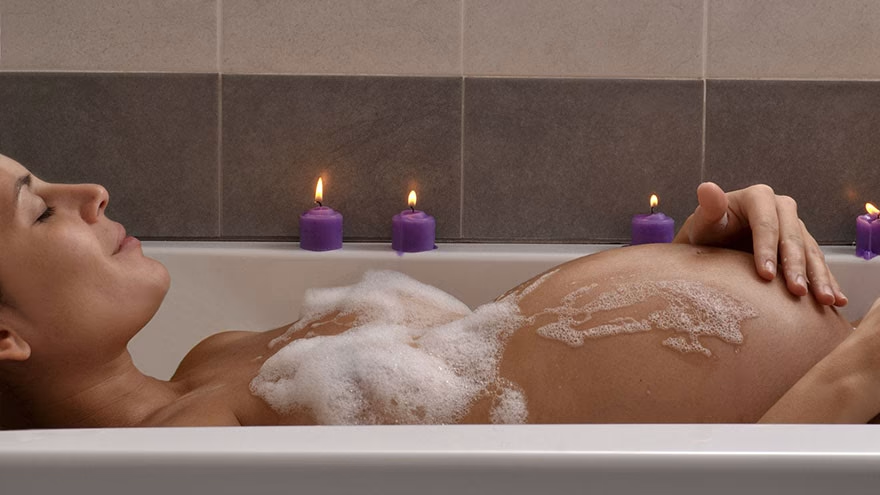
Are Hot Tubs Safe During Pregnancy? In general, hot tubs are a bad idea during pregnancy because they can raise core body temperature faster than a warm bath. The concern is overheating, not the water itself.
If you already used a hot tub before knowing you were pregnant, do not panic. Stop using it, write down timing and duration if you remember, and bring the question to your prenatal clinician.
Short Answer
Most pregnant people are told to avoid hot tubs, saunas, and long exposure to high heat. A short warm bath is different from sitting in very hot circulating water.
The risk is highest early in pregnancy, but overheating can also cause dizziness, faintness, dehydration, and blood pressure changes later on.
Core Temperature
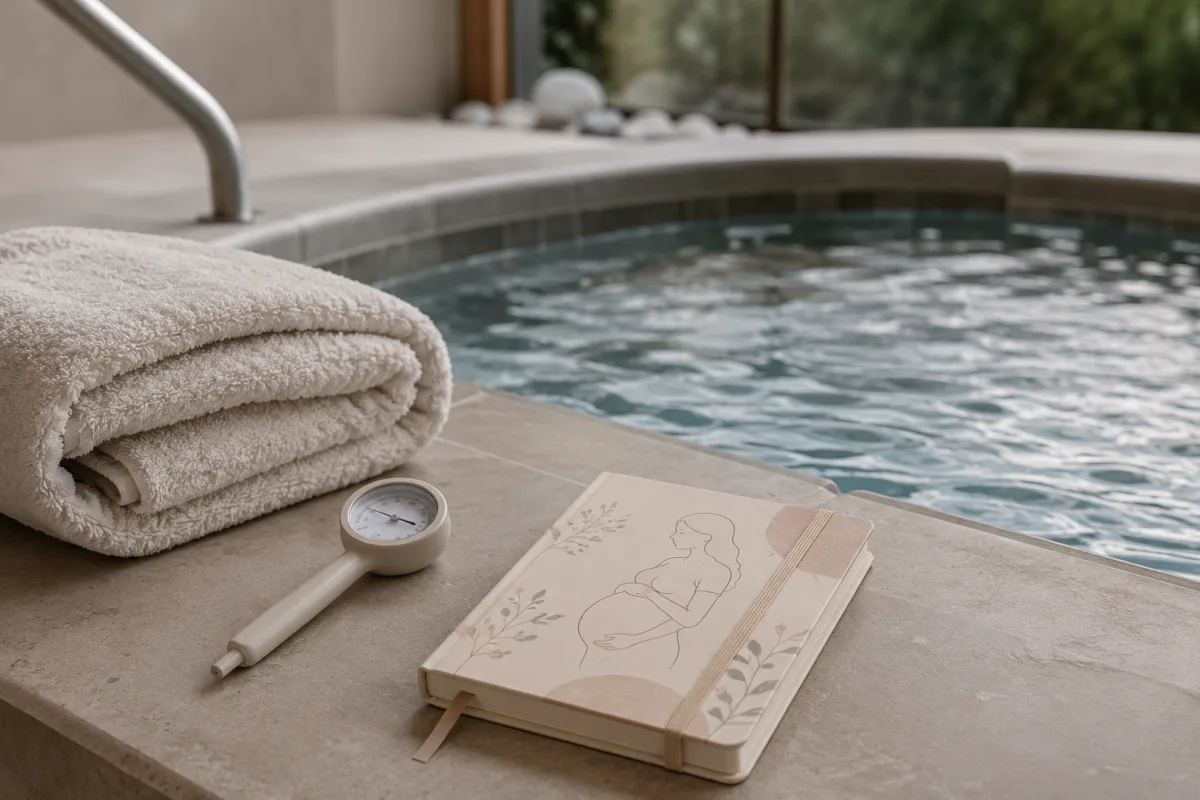
ACOG says hot tubs and saunas raise core body temperature, and that rise can be harmful for the fetus. Its hot tub and sauna answer is clear about avoiding overheating.
Water that feels relaxing on your skin can still make the body store heat. Pregnancy also changes circulation, so standing up quickly afterward may make dizziness worse.
First Trimester
The first trimester gets special attention because early development is sensitive to high heat. This is why many clinicians take a stricter line during the earliest weeks.
If you are newly unsure about pregnancy timing, Livecub's first-week pregnancy signs guide can help with early clues, but a pregnancy test and clinician matter more than guessing.
Temperature And Time
A hot tub set near spa temperature is not the same as a bath that cools while you sit. Time matters too: the longer the soak, the higher the chance of overheating.
Do not rely on feeling fine. Heat illness can build before you notice symptoms, especially if you are tired, dehydrated, or already warm from exercise or weather.
Signs You Are Too Hot
Get out right away if you feel dizzy, faint, nauseated, weak, flushed, confused, short of breath, or if your heart is racing. Sit down, cool off, and drink fluids.
If symptoms are strong, do not drive yourself. Call your clinician or seek urgent care, especially if you faint, have pain, bleeding, contractions, or reduced fetal movement.
Safer Alternatives
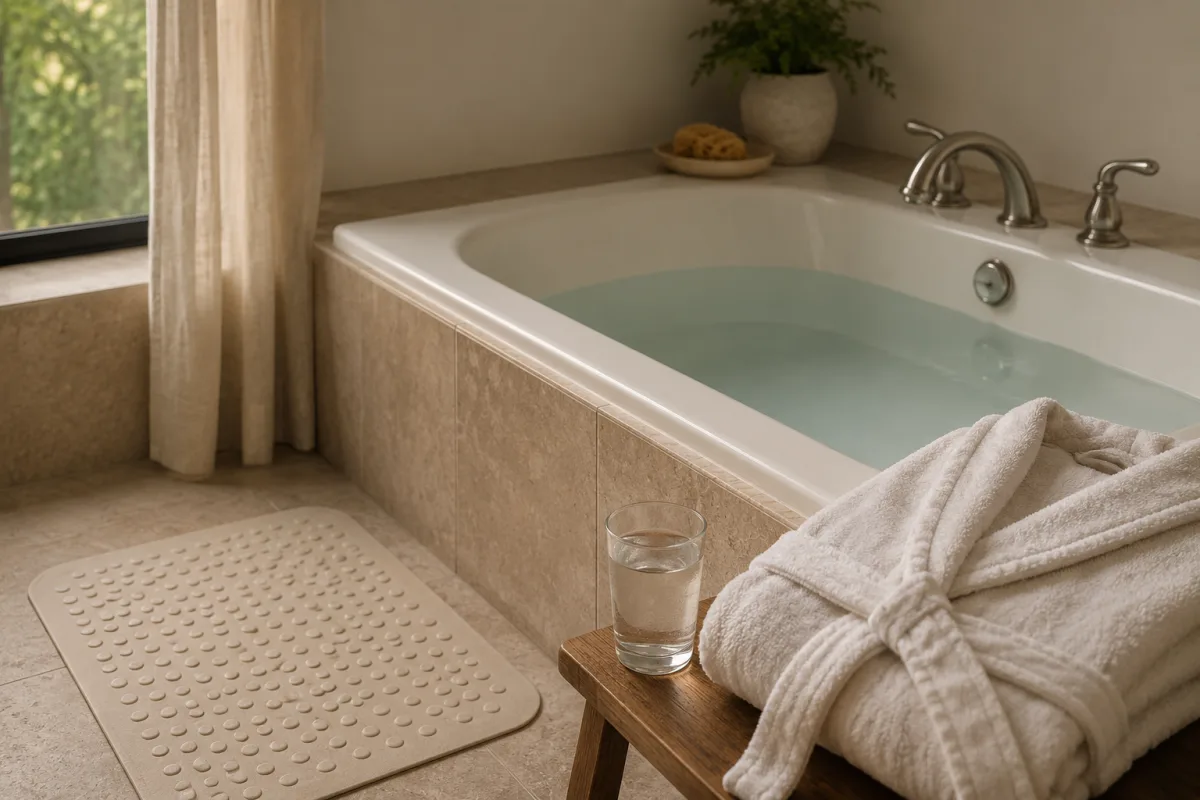
A warm bath, foot soak, shower, heating pad used with care, gentle stretching, or a partner rubbing sore shoulders may give comfort without full-body overheating.
For gentle touch ideas, Livecub's massage a wife guide may help, but pregnancy massage should avoid pressure, overheating, and any position your clinician has restricted.
Warm Baths
A warm bath should feel soothing, not hot enough to make you sweat. Keep the room ventilated, bring water, and get out if you feel lightheaded.
Avoid bath oils that make the tub slippery. Pregnancy balance can change, and a fall risk can matter as much as the heat risk.
Romance Without Heat
Hot tubs often show up as a romantic plan, a hotel perk, or a babymoon idea. Pregnancy may require changing the plan without turning the moment clinical.
A cozy shower, room-service dessert, a walk, a mocktail, or quiet time can still feel intimate. Livecub's staying intimate during pregnancy guide has safer ways to keep connection alive.
Feeling Left Out
Skipping the hot tub can feel annoying when everyone else gets in. That frustration is real, especially on trips where the spa was part of the plan.
Bring a robe, sit with your feet near the water without soaking, choose a warm drink, or plan a separate treat. You are allowed to protect the pregnancy without pretending it is fun.
Heat And Illness
Fever can also raise body temperature. MotherToBaby discusses fever and hyperthermia during pregnancy, including hot tubs and saunas, in its hyperthermia fact sheet.
If you have a fever, treat it as a health question, not a spa question. Ask your clinician which fever reducer is appropriate and when to call back.
Outdoor Heat
Hot weather, exercise, saunas, steam rooms, heated pools, and hot tubs can stack together. A ten-minute soak after a hot walk may be riskier than the same soak on a cool day.
Hydrate, rest in shade, and keep cooling breaks real. Pregnancy heat tolerance is not a contest.
When To Call

Call if you fainted, stayed in a very hot tub for a long time, had fever, have bleeding, pain, contractions, severe headache, or feel fewer fetal movements later in pregnancy.
If anxiety keeps spiraling after accidental exposure, talk to your clinician. For ongoing worry or low mood, Livecub's pregnancy depression guide can help you decide when to ask for support.
Hotel And Gym Hot Tubs
Hotel and gym hot tubs can be harder to judge because you may not know the true temperature, cleaning schedule, or how long you have been sitting there.
If the trip or membership matters to you, plan another feature in advance: poolside shade, a warm shower, a gentle swim if approved, or a massage chair that does not heat the body.
After Accidental Exposure
Write down the date, how far along you may have been, estimated temperature, time in the tub, and any symptoms. That record makes the clinician call more useful.
Do not spend days searching for exact risk from strangers. Your clinician can put the exposure into context with your pregnancy timing and health history.
Shared Hot Tub Hygiene
Pregnancy heat risk is the main reason to avoid hot tubs, but shared water also raises hygiene questions. Poorly maintained tubs can irritate skin or spread infections.
Even a clean-looking tub may not tell you enough about temperature, chemicals, and maintenance. Skipping it removes several unknowns at once.
Heating Pads And Spot Heat
A heating pad on a sore back is different from raising the whole body's temperature in a hot tub. Still, use low heat, short sessions, and avoid falling asleep on it.
Do not place strong heat directly on the belly. If pain is severe enough that heat feels necessary every day, ask your clinician what is causing it.
Babymoon Planning
If a hotel advertises a spa, call before booking and ask about pregnancy-safe alternatives. A prenatal massage, quiet pool area, or room with a bathtub may be more useful.
Planning ahead prevents the awkward moment where the main activity is the one thing you should avoid. It also helps a partner choose care over disappointment.
After Exercise
Hot tubs after exercise can feel tempting because muscles are tired. Pregnancy makes that combination harder because exercise already raises body heat.
Cool down first, drink fluids, and choose a shower or gentle stretching. If you feel dizzy after activity, skip heat completely and rest.
Skin And Infection Issues
Pregnancy can make skin more sensitive. Hot water, chemicals, and wet swimsuits may worsen itching, irritation, or yeast symptoms for some people.
If you have a rash, burning, unusual discharge, or pelvic discomfort after any water exposure, ask your clinician rather than treating it with random products.
Set A Clear Boundary
A simple boundary is easier than negotiating minutes: I am skipping hot tubs during pregnancy. That line works at hotels, gyms, parties, and family trips.
You do not need to provide a medical lecture. A short answer protects your privacy and keeps the decision from becoming a group vote.
Pool Versus Hot Tub
A regular pool is usually cooler than a hot tub, so the heat issue is different. If your clinician has cleared swimming, a comfortable pool may be a better option.
Still, avoid overheating around the pool deck, stay hydrated, and get out if you feel dizzy or weak.
Ask Your Own Clinician
Some pregnancies have extra restrictions because of bleeding, blood pressure, fainting, dehydration, heart concerns, or preterm labor risk.
That is why general hot tub advice should not replace personal instructions. If your clinician says avoid all soaking or swimming, follow that plan.
Frequently Asked Questions
Can I sit in a hot tub for a few minutes while pregnant?
Ask your clinician, but most guidance advises avoiding hot tubs because core temperature can rise quickly.
Are hot tubs worse in the first trimester?
Early pregnancy is often treated as the highest concern period because overheating has been linked with developmental risks.
Is a warm bath safe during pregnancy?
A warm bath is different from a hot tub if it is not too hot, cools over time, and you get out if you feel overheated.
What if I used a hot tub before I knew?
Stop using it and tell your clinician the timing, temperature if known, and how long you stayed in.
What symptoms after hot tub use need care?
Fainting, severe dizziness, bleeding, contractions, pain, fever, or reduced fetal movement should be reported promptly.
Hot tubs are not worth the overheating risk during pregnancy. Choose warm, lower-heat comfort instead, and ask your clinician about any accidental exposure that worries you.

Olivia Prete
Edits culture and personal-development articles, distinguishing opinion and experience from verifiable claims.



Leave a reply
Replying to