

Writing therapy is not about producing beautiful prose. It is about giving thoughts a place to land where they can be seen more clearly.
The safest activities are simple, timed, and grounded enough that the writer can stop without feeling opened up and abandoned.
Use Writing As A Tool, Not A Test
APA's discussion of expressive writing explains that putting difficult experiences into words can help people work through challenges: APA expressive writing overview. Writing therapy activities should feel usable, not literary.
The page does not need to be pretty. It needs to be honest enough to show what is happening and contained enough that the writer can return to the day.
Try A Timed Release Page

A review in the NIH archive describes expressive writing research across emotional and physical health outcomes: NIH expressive writing review. A timed release page uses a short window, often 10 to 20 minutes, to write without editing.
If daily structure is hard, Livecub's guide to writing a journal can help set a simple journal routine.
Write An Unsent Letter
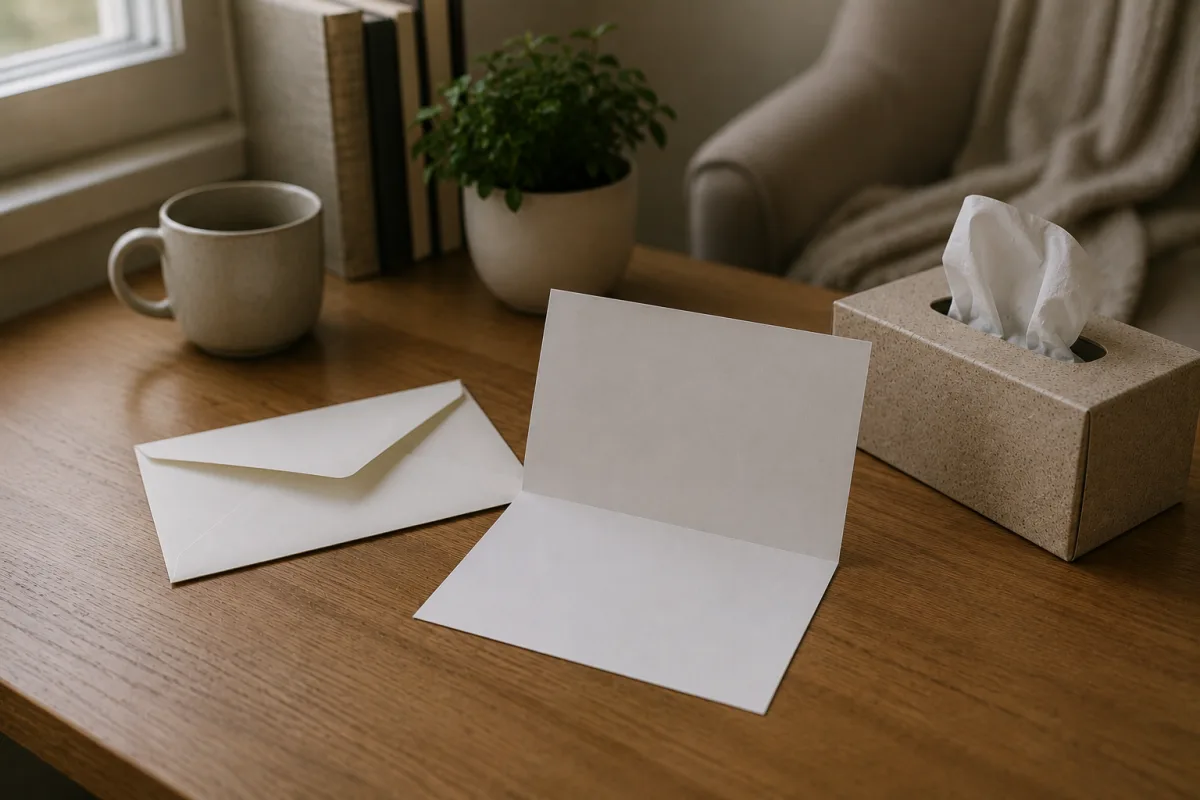
An unsent letter can say the true thing without creating a new conflict. It can be addressed to a person, a younger self, a symptom, a loss, or a decision.
If speaking in front of someone is part of the fear, Livecub's guide to stage fright can help separate expression practice from performance pressure.
Use Positive Affect Prompts

A journaling review in the NIH archive reports that journaling interventions have been studied for mental health symptoms: NIH journaling review. Positive prompts can include gratitude, moments of relief, strengths used, or support received.
Positive writing should not erase grief or anger. It gives the nervous system another channel to notice.
Know When Writing Is Too Much
If writing brings up panic, dissociation, self-harm thoughts, or unsafe memories, pause and get support. Livecub's guide to selective mutism is a reminder that communication struggles sometimes need clinical care.
For caregivers using writing with others, Livecub's guide to motivating older adults can help keep support respectful instead of pushy.
Choose A Container You Will Actually Use
For writing therapy, the best notebook is the one that gets opened. Paper, notes app, voice memo, spreadsheet, or index cards can all work.
Do not spend the whole practice shopping for the perfect format. Choose something private enough, easy enough, and durable enough for a normal week.
Start With Timed Writing
A five- or ten-minute timer lowers the pressure to produce a beautiful page. Stop when the timer ends, even if the entry is messy.
Timed writing helps people who freeze at a blank page. It also keeps journaling from turning into rumination that lasts all night.
Use Prompts Without Obeying Them
A prompt is a doorway, not a rule. If the prompt brings up something more useful, follow that thread and leave the original question behind.
Good prompts help you notice facts, feelings, choices, patterns, gratitude, needs, and next steps without forcing a dramatic confession.
End With One Next Step
Close the entry with one ordinary action: drink water, send a message, sleep, ask for help, move your body, make a list, or leave the issue alone until morning.
The next step gives the page a landing place. It also keeps the journal from becoming a box where hard feelings pile up untouched.
Keep Privacy Practical
If privacy is limited, use initials, shorthand, password protection, or tear-out notes. Do not write details that would put you or someone else at risk if discovered.
After a few weeks of Basic Activities for Writing Therapy, review themes rather than rereading every painful line. Patterns are more useful than self-punishment.
Keep The Advice Tied To A Real Situation
Advice about basic activities for writing therapy is easier to use when it is tied to one real setting. Choose the room, person, time of day, task, or decision where the issue shows up most often.
That detail prevents the plan from becoming vague self-improvement. A kitchen table problem, a school hallway problem, and a late-night phone problem may need different steps.
Make A One-Week Test
Choose one change and test it for a week. Keep the test small enough that you can still do it on a tired day, a busy day, or a day that does not go as planned.
At the end of the week, ask what changed in mood, behavior, sleep, avoidance, connection, or follow-through. If nothing changed, make the step clearer or smaller.
Use The Body As Data
The body often notices stress before the mind has language for it. Track jaw tension, stomach changes, shallow breathing, headaches, restlessness, fatigue, or the urge to disappear.
Body signals are not proof that danger is present, but they can show when a pause, meal, walk, call, or clinical support is needed.
Protect Sleep Before Judging Yourself
Low sleep can make fear louder, patience thinner, and ordinary tasks feel personal. Before deciding you failed, ask what sleep, food, pain, caffeine, and screen time looked like.
This does not excuse harmful behavior. It gives the plan a better starting point than pure self-criticism.
Bring In One Steady Person
A steady person can help you reality-check the plan without taking it over. Choose someone who listens, asks clear questions, and can respect privacy.
Tell them the role you need: a reminder, a ride, a quiet check-in, help finding a clinician, or someone to sit nearby while you start.
Remove One Friction Point
Often the barrier is not motivation but friction. Put the notebook where you sit, save the phone number, prepare the shoes, mute the feed, or write the first sentence ahead of time.
Small environmental changes work because they reduce the number of decisions needed before the useful action begins.
Know The Red Flags
Self-harm thoughts, severe withdrawal, threats, abuse, substance misuse, inability to function, or sudden major changes in sleep, eating, or behavior need more than a solo plan.
Use urgent or professional help when safety is involved. A practical article can support care, but it cannot replace real-time support in a crisis.
Do Not Turn Progress Into A Performance
Progress may look boring from the outside: one call made, one page written, one boundary held, one walk taken, one night of better sleep.
If the change has to impress other people, it becomes another pressure source. Let the first wins be private if that makes them easier to repeat.
Keep The Plan Editable
The first plan for Basic Activities for Writing Therapy may be partly wrong. That is normal. Plans improve after they meet real schedules, real fear, real fatigue, and real relationships.
Edit the plan instead of quitting the whole effort. Change the time, size, support, wording, or environment and try again.
Leave A Record For Future You
Write down what helped, what made things worse, and what you want to try next. Future you will not remember the details as clearly as present you thinks.
A short record protects useful lessons from being lost after a bad day. It also makes the next reset faster.
Use A Clear Stop Rule
Set a point where you stop reading, planning, scrolling, or rehearsing and do the next small action. Too much preparation can become avoidance in better clothes.
A stop rule can be a timer, a page limit, a bedtime, or a promise to call someone after one more step.
Make The Plan Visible
Put the next step somewhere you will see it: a calendar, sticky note, phone reminder, or notebook page opened to the right place.
Visible plans reduce the need to remember everything while stressed. They also make it easier for one trusted person to help without guessing.
Respect What Is Not Yours To Carry
Some problems involve other people's choices, medical conditions, school rules, weather, money, or timing. Name those limits so the plan stays honest.
You can still choose a response, but you do not have to claim control over every part of the situation.
Return To Ordinary Care
After a hard effort, return to ordinary care: food, water, rest, shower, fresh air, medication as prescribed, or a message to someone safe.
Ordinary care can look unimpressive, but it keeps the next attempt possible.
Frequently Asked Questions
What is a basic writing therapy activity?
A timed page, unsent letter, feeling list, or gratitude prompt can be a basic starting activity.
How long should I write?
Start with five to ten minutes, then adjust based on how you feel afterward.
Is writing therapy the same as therapy?
No. Writing can support care, but it does not replace a trained clinician when symptoms are severe.
What if writing makes me feel worse?
Stop, ground yourself, and consider support if writing brings panic, self-harm thoughts, or traumatic memories.
Do I need to keep every entry?
No. Some writing is useful because it was written, not because it needs to be saved.
This article is for general information only and isn't a substitute for medical advice. Talk to a clinician who knows your full history before making changes.

Chiara Bradshaw
Covers education, culture and creative topics with an emphasis on readable explanations and verifiable references.




Leave a reply
Replying to