
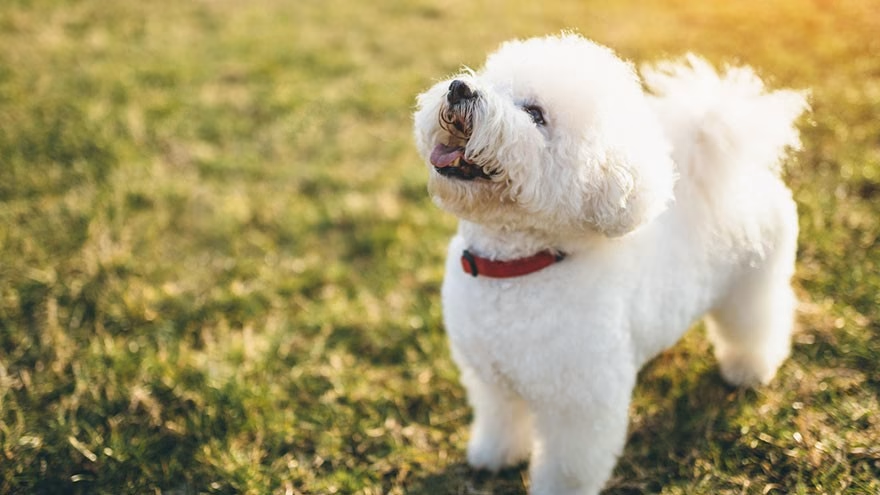
Bichon Frise Training Guide advice should fit the dog: cheerful, clever, people-loving, sometimes stubborn, and often more sensitive than the fluffy look suggests. A Bichon is small, but training still matters.
The best Bichon training builds manners without flattening the personality. You want a dog that can greet politely, come when called, settle alone, accept grooming, and handle everyday life without barking at every tiny change.
What Makes Bichons Different To Train?
The American Kennel Club describes the Bichon Frise as playful, curious, and peppy. Those traits are charming, but they also mean the dog may look for fun if the owner is unclear.
Bichons often respond well to upbeat training and gentle structure. They may shut down if handled harshly. They also learn household patterns quickly, including which person gives in when they bark, dance, or refuse to come inside.
How Should Training Start?
Start with name response, come, sit, down, wait, leave it, drop it, settle, and handling. Keep sessions short. Three clean minutes are better than twenty minutes of a bored dog sniffing the floor.
Use small treats, praise, toys, and access to things the dog wants. Reward fast so the Bichon knows which behavior paid. If you wait too long, the reward may land on barking or bouncing instead.
How Do You Toilet Train A Bichon?
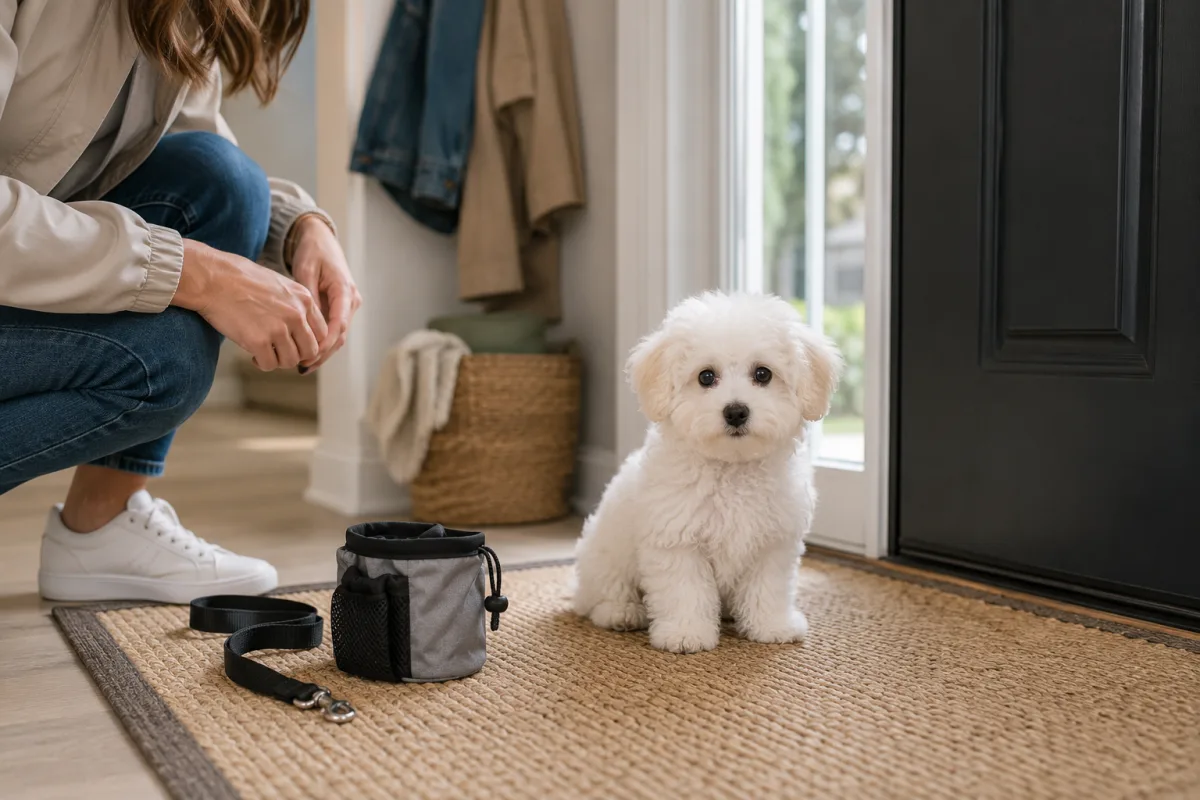
Small dogs can be tricky to toilet train because accidents are easy to miss and owners sometimes give too much freedom too soon. Use a schedule, supervise closely, reward outdoor success, and clean accidents with an enzyme cleaner.
Do not punish after the fact. The dog will not connect your anger with the earlier accident. Limit space, go out after sleep, meals, play, and excitement, and keep the routine boringly consistent until the habit is real.
How Do You Prevent Barking Problems?
Bichons may bark from excitement, alerting, boredom, loneliness, or habit. First ask what the bark earns. If barking always brings attention, barking is being paid.
Teach quiet, reward calm watching, block window triggers when needed, and give the dog enough activity. A small dog can still need training games and walks. For another small breed comparison, Livecub's Maltese common questions can help owners think through companion-dog habits.
How Do You Train Polite Greetings?
Many Bichons want to launch themselves into social moments. Teach four feet on the floor, sit for attention, and calm release to greet. Ask visitors to cooperate rather than rewarding chaos at the door.
If the dog is too excited, use a leash, gate, or pen while practicing. Management is not failure. It keeps the dog from rehearsing the wild version while the polite version is still learning.
Why Is Grooming Training So Important?
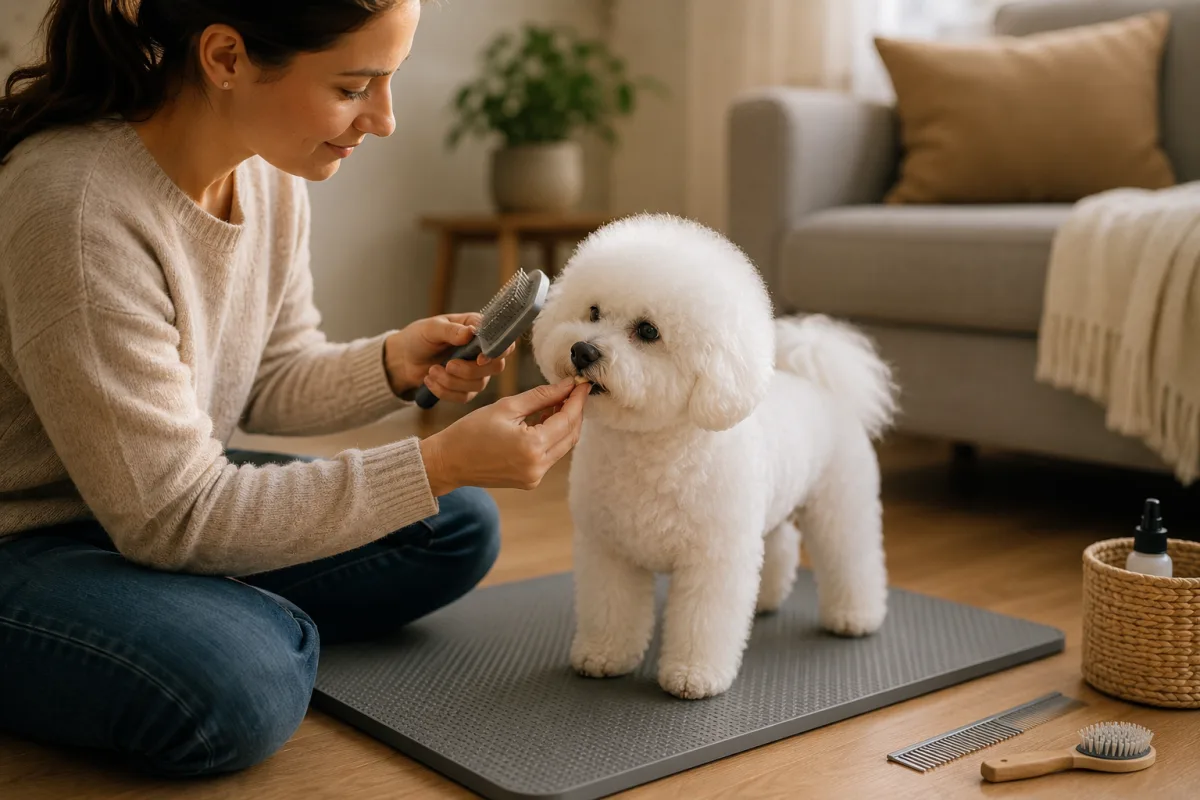
The Bichon coat needs real maintenance. PetMD's Bichon Frise care guide notes the breed's grooming demands, including brushing and professional care. Training should include standing still, paw handling, ear checks, face handling, and brushing.
Do not wait until the coat is matted to teach grooming manners. Touch one paw, reward. Lift the chin, reward. Brush a small area, reward. Build tolerance before grooming becomes uncomfortable. Livecub's longhair Dachshund grooming guide is a different coat, but the patient handling principle fits.
How Do You Handle Separation Worries?
Bichons are often people-focused, which can become a problem if the dog never learns to be alone. Practice short separations, calm departures, safe confinement, and independent chew time.
Do not make every return a dramatic event. Quiet greetings teach the dog that your coming and going is normal. If the dog panics, scratches, screams, or cannot settle, ask a qualified trainer or veterinarian for help early.
How Much Exercise Supports Training?
A Bichon does not need marathon training, but it does need daily movement. Walks, indoor play, trick work, scent games, and short training sessions help prevent boredom.
If you compare higher-energy breeds, Livecub's German Shorthaired Pointer questions shows a very different activity level. The Bichon needs less distance, but it still needs a job for the brain.
How Do You Teach Recall?
Recall starts indoors. Call once, reward generously, and release the dog back to fun. Do not call only for nail trims, baths, or the end of play. That teaches the dog that coming to you ends good things.
Practice in small steps: hallway, fenced yard, quiet park on long line, then harder distractions. A small dog can still bolt through a door or chase a bird. Recall is safety, not a party trick.
How Do You Stop Small-Dog Bad Habits?
Do not excuse biting, guarding, barking, or jumping because the dog is little. A Bichon deserves clear training, not lifelong confusion. Teach the behavior you want, manage the environment, and avoid laughing at habits that will become tiring.
If the dog guards food, toys, laps, or sleeping spots, get help early. Small size does not make guarding harmless. It only makes people more likely to ignore the warning signs.
Should You Use A Crate Or Pen?
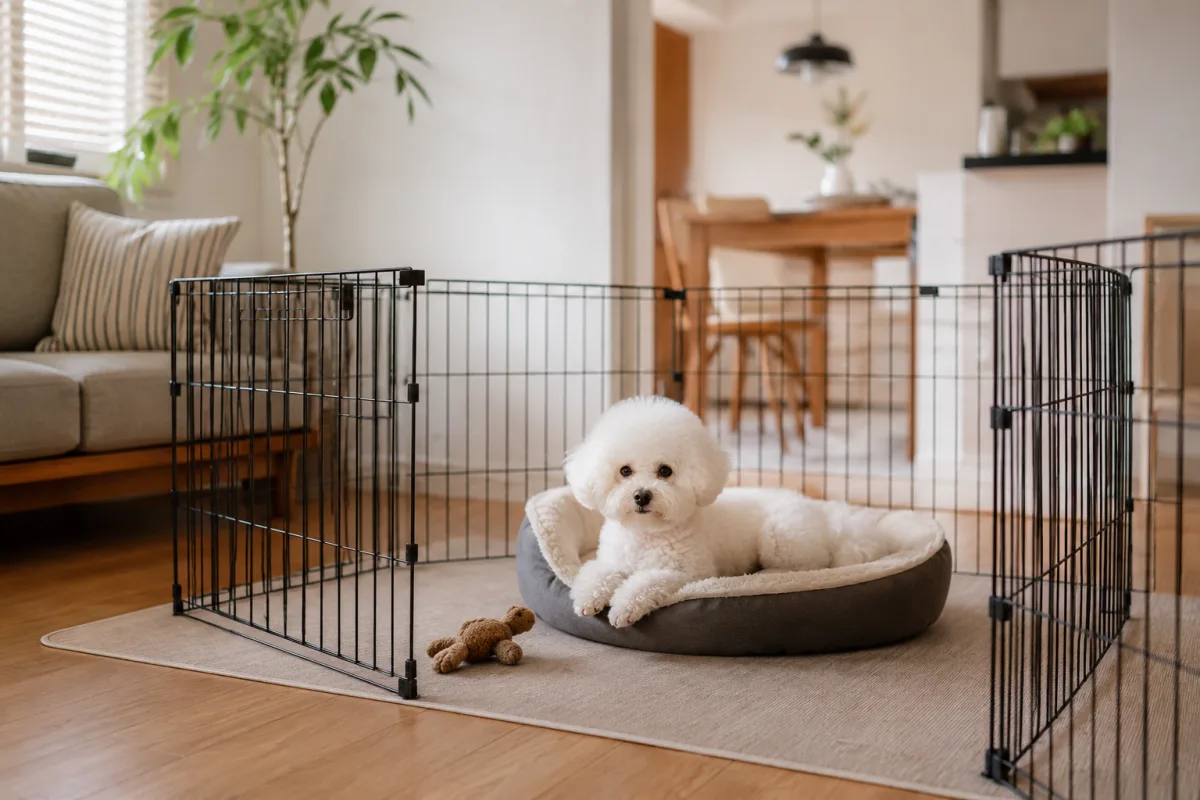
A crate or exercise pen can help with toilet training, rest, safety, and alone-time practice if introduced kindly. It should not be used as punishment. Feed meals there, offer safe chews, and keep early sessions short.
Some Bichons do better with a pen than a closed crate at first. The goal is a calm resting place, not a battle. If the dog panics, slow down and ask for qualified help.
How Do You Use Food Without Bribing?
Food rewards are useful because they are clear and fast. Bribing happens when the dog only works after seeing the treat. To avoid that, keep treats hidden, mark the behavior, then reward.
As the dog learns, mix in praise, play, sniffing permission, and life rewards such as going outside after sitting politely. The reward should match the difficulty of the behavior.
What Training Mistakes Slow Progress?
The common mistakes are giving too much house freedom too early, repeating cues without consequence, skipping grooming practice, and picking the dog up instead of teaching it what to do. Carrying a small dog can solve a moment and still leave the habit untrained.
Another mistake is changing the rules by mood. If jumping is cute on Saturday and forbidden on Monday, the dog will keep trying. Consistency is kinder than confusion.
What Should A Daily Routine Include?
A good Bichon day may include morning toilet routine, short walk, breakfast, training, rest, play, grooming touch practice, another walk, and evening calm time. The schedule can be simple, but it should be predictable.
If you are choosing a puppy, Livecub's breeder recommendations can help shape questions about early handling, temperament, and support. Good breeding and early raising make training easier.
Can Adult Bichons Be Trained?
Yes. Adult Bichons can learn new routines, though some habits may take longer to change. Start with management, reward the behavior you want, and avoid overwhelming the dog with a full rulebook on day one.
For rescue or rehomed dogs, ask about toilet habits, barking, grooming tolerance, alone time, children, and other pets. A patient first month can prevent many setbacks.
How Do You Keep Training Fun?
Use tricks, short games, name-response races, find-it games, and tiny obstacle courses. Bichons often enjoy attention, so make training feel like shared play rather than a lecture.
Stop while the dog is still interested. Ending on a good repetition makes the next session easier. If training always runs until the dog wanders away, the dog learns that checking out is part of the routine.
Rotate rewards so the dog stays curious. Some sessions can use treats, others can use a toy, a short chase game, or permission to sniff outside. Variety keeps practice fresh.
Frequently Asked Questions
Are Bichon Frises easy to train?
They can be, especially with short, upbeat sessions and consistent rules.
Are Bichons hard to potty train?
Some are slow if supervision is loose. A tight schedule and rewards help.
Do Bichons bark a lot?
Some do. Training, exercise, trigger management, and calm routines can reduce barking.
Do Bichons need grooming training?
Yes. Brushing, face handling, paws, ears, and standing still should be taught early.
Can Bichons be left alone?
Some can, but they should be taught gradually. Panic or distress needs professional help.
What Is The Best Training Mindset?
Train a Bichon with warmth, structure, and repetition. The dog is cute, but it still needs real manners. Teach the small daily habits before charm turns into bargaining power.

Chiara Bradshaw
Covers education, culture and creative topics with an emphasis on readable explanations and verifiable references.
Leave a reply
Replying to