
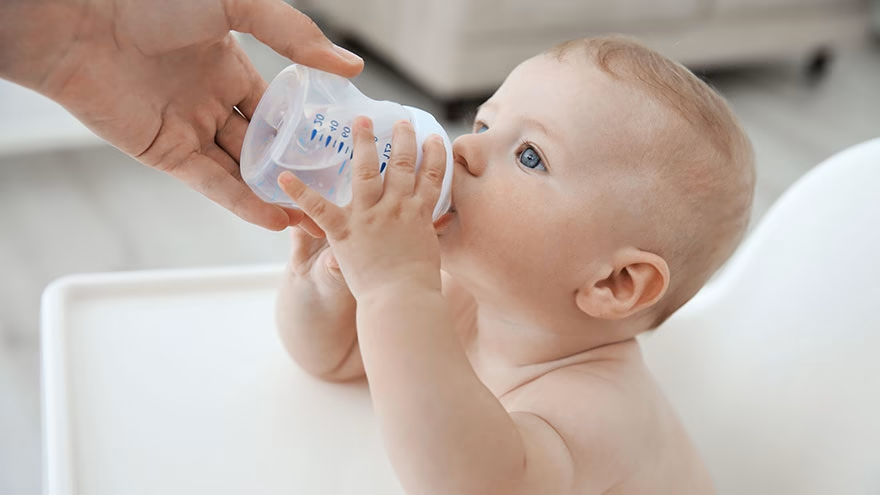
Can Newborn Babies Drink Water? For healthy newborns, the usual answer is no unless a pediatrician gives a specific medical reason. Breast milk or properly prepared infant formula provides the fluid a newborn needs.
Water can fill a small stomach, interfere with feeding, and become dangerous if formula is diluted. The details change around 6 months, but the newborn period is different.
The Short Answer
Newborn babies should not be given plain water as a drink unless their clinician instructs you to do so. Feeding should be breast milk, formula, or a medical plan from the baby's care team.
If you are worried about hydration, call the pediatrician rather than adding water. Newborn feeding problems need guidance quickly.
Why Water Is Risky
HealthyChildren says babies in the first 6 months do not need water or other liquids in addition to formula or breast milk unless a pediatrician specifically advises it: HealthyChildren formula and water guidance.
Too much water can reduce calories and disturb the body's salt balance. That is not a small issue for a newborn.
Breast Milk And Formula Hydrate
Breast milk and formula contain water plus nutrition. A newborn does not need a separate bottle of water on hot days if feeding is going well and the clinician has not advised otherwise.
Watch wet diapers, feeding behavior, alertness, and weight follow-up. Those signs matter more than adult thirst logic.
Do Not Dilute Formula
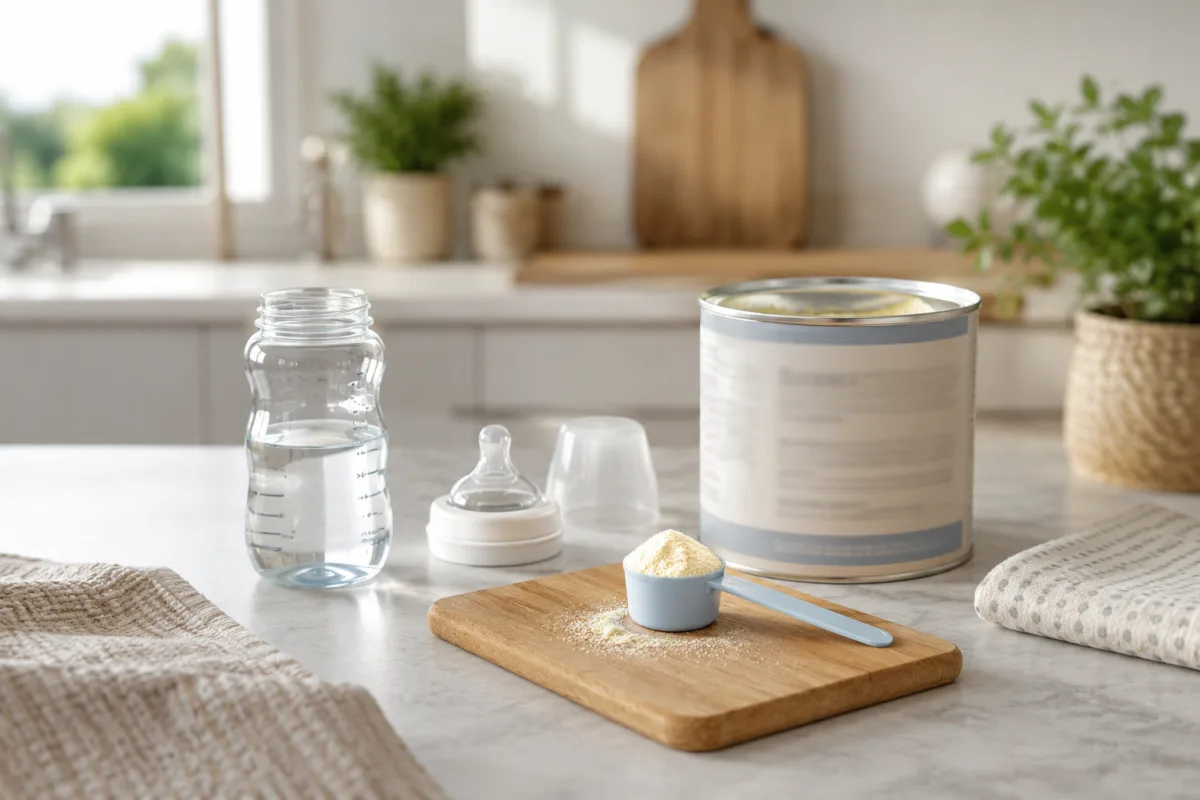
Formula should be mixed exactly as directed. Adding extra water to stretch formula can make a baby sick and reduce nutrition.
CDC formula preparation guidance explains how to prepare and store formula safely, including water safety during emergencies: CDC formula preparation.
Around Six Months
HealthyChildren says around 6 months, babies can start having a small amount of water, often 4 to 8 ounces a day, in a cup: HealthyChildren drinks for young children.
That does not apply to a newborn. Age matters. A 2-week-old and a 7-month-old do not have the same drink plan.
Hot Weather
A hot day does not automatically mean a newborn needs water. It may mean more frequent breast or formula feeding, cooler clothing, shade, and a call to the pediatrician if feeding or diapers change.
If you are also managing newborn hiccups, Livecub's newborn hiccups guide can help separate normal hiccups from feeding concerns.
Illness
Vomiting, diarrhea, fever, poor feeding, and fewer wet diapers can dehydrate a newborn quickly. Do not treat this at home with plain water unless your clinician tells you to.
Call for medical advice. Young babies need different dehydration care than older children.
Premature Babies
Premature or medically fragile infants may have special feeding plans. Follow the NICU, pediatrician, or specialist instructions rather than general advice.
Livecub's premature baby development guide can help parents organize broader follow-up questions.
Water For Mixing Formula
Water may be used to mix powdered or concentrated formula, but that is not the same as giving a newborn plain water. The amount must match the label or clinician instructions.
Ready-to-feed formula should not be watered down. Powdered and concentrated forms need the correct water measurement.
If Formula Is Running Low
Do not stretch formula with extra water. Call the pediatrician, WIC office, local health department, food pantry, or community support line for help finding safe feeding supplies.
This is urgent and practical. A diluted bottle may look like a solution, but it can create a medical problem.
Diapers And Hydration
Wet diapers are one clue that feeding is going well, but the expected number changes with age. Ask your baby's clinician what to expect in the first week and after milk supply changes.
If diaper rash or skin irritation appears, Livecub's baby rash and blister guide can help organize questions, but hydration concerns should go to the pediatrician.
Bath Water Is Different
Bathing a newborn or cleaning the diaper area is not the same as giving drinking water. Keep bath routines gentle and safe.
Livecub's infant washing guide can help with washing basics while feeding guidance stays with the baby's clinician.
When To Call
Call for fewer wet diapers, very sleepy behavior, sunken soft spot, dry mouth, poor feeding, repeated vomiting, diarrhea, fever, or any concern in a very young baby.
If the baby seems seriously unwell, seek urgent care. Do not wait to see if plain water helps.
Water Intoxication Concern
The concern with extra water is not just that the baby misses calories. Too much water can dilute sodium in the blood, which can become dangerous.
This is why the advice is firm for newborns. Use correct feeding, not plain water, unless a clinician directs otherwise.
Emergency Water Safety
During water outages or emergencies, follow public health instructions for safe formula preparation. Bottled water or boiled water may be needed for mixing formula, depending on the situation.
That is still formula preparation, not giving a newborn a bottle of plain water.
Gripe Water And Other Liquids
Products marketed for fussiness are not the same as medical treatment and may contain ingredients a newborn does not need. Ask the pediatrician before using them.
Newborn stomachs are small. Any non-feeding liquid can displace milk or formula that provides calories and nutrients.
Breastfeeding Concerns
If a breastfed newborn seems hungry all the time, has few wet diapers, or is very sleepy at the breast, ask for help with feeding rather than offering water.
A lactation consultant or pediatrician can check latch, milk transfer, weight, and diaper output.
Formula Cost Pressure
Families sometimes dilute formula because of cost. This is dangerous and also unfair to parents who need support, not blame.
Call WIC, the pediatrician, local health department, or emergency community resources. Safe formula access is a health need.
Constipation Confusion
Do not give water for newborn constipation unless the pediatrician tells you to. Newborn stool patterns vary by feeding method and age.
Call if the baby has a swollen belly, vomiting, blood in stool, poor feeding, fever, or seems very uncomfortable.
Medicine Mixing
Do not mix medicine, supplements, or water remedies for a newborn without medical instructions. Doses and fluids are age-sensitive.
If medicine is prescribed, ask exactly how to give it, what to mix with if anything, and what side effects need a call.
Wet Diaper Context
Parents often ask about water because they worry about wet diapers. In the first days, diaper expectations change quickly as milk intake changes.
Ask the discharge team or pediatrician what is normal for your baby's exact age. Do not use water to force more wet diapers.
Jaundice Questions
If the baby has jaundice, follow the feeding and follow-up plan from the clinician. Do not add water because someone says it will flush jaundice out.
Jaundice care depends on bilirubin levels, age in hours, feeding, weight, and risk factors. It needs medical guidance.
Hot Car And Heat
If a newborn has been overheated, move to a cooler place, feed as advised, and call for guidance if the baby seems unwell.
Do not respond to heat stress by giving plain water to a newborn without medical direction.
Caregiver Instructions
Tell grandparents, babysitters, and daycare providers that the newborn should not receive water unless the pediatrician has instructed it.
Many older relatives remember different advice. A calm written instruction prevents confusion.
If Someone Already Gave Water
If a newborn was given water by mistake, do not panic, but do call the pediatrician for advice. The amount, age, feeding, and symptoms matter.
Watch for unusual sleepiness, vomiting, poor feeding, swelling, twitching, or behavior that worries you. If symptoms are severe, seek urgent care.
Clear Written Rules
Write the feeding rule for anyone caring for the baby: breast milk or correctly mixed formula only, unless the pediatrician says otherwise.
Simple written instructions prevent well-meaning relatives from offering water because the weather is hot or the baby seems fussy.
Frequently Asked Questions
Can newborn babies drink water?
Usually no. Healthy newborns should have breast milk or properly prepared formula unless a pediatrician gives different instructions.
Why is water unsafe for newborns?
Water can reduce nutrition, fill a small stomach, and disturb salt balance. Diluted formula can also make a baby sick.
What if my newborn is thirsty in hot weather?
Offer breast milk or formula as advised. Call the pediatrician if feeding, diapers, or alertness changes.
When can babies start drinking water?
Many babies can start small amounts around 6 months, but ask your pediatrician for your baby's situation.
Can I add extra water to formula?
No. Mix formula exactly as directed unless your baby's clinician gives a different medical plan.
Newborn babies generally should not drink plain water. Use breast milk or correctly mixed formula, and call the pediatrician for hydration, illness, or feeding concerns.

Linda Fehrman
Edits general wellness and relationship explainers. Health material is educational, avoids diagnosis and links to health-authority guidance.




Leave a reply
Replying to