
Collie Health Starts With Breed-Specific Records
This Collie health guide should not stop at "find a good breeder." Collies have several health topics that deserve named conversations: MDR1 drug sensitivity, Collie eye anomaly, hips, elbows, skin, coat, weight, dental care, and age-related mobility. A healthy-looking Collie still needs paperwork and observation.
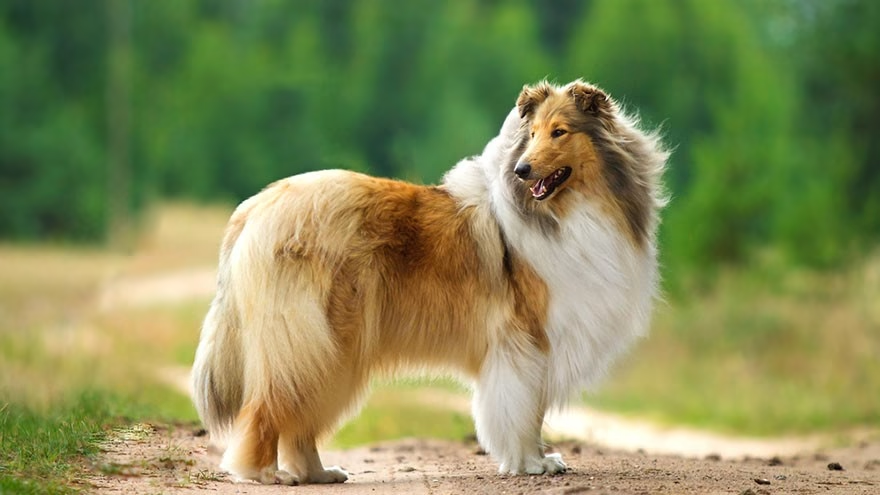
The American Kennel Club's Collie breed page describes a devoted, graceful herding breed with rough and smooth coat varieties. Both coat types need health planning. Beauty and movement should not distract from screening questions.
A Collie owner should know the dog's test history before a medication crisis appears.
MDR1 Drug Sensitivity
MDR1 is one of the most practical Collie health topics because it can affect medication safety. The Collie Health Foundation's page on MDR1 explains that a mutation can make some dogs sensitive to certain drugs.
Owners should not guess. Ask the breeder or rescue for MDR1 status, keep the result in the veterinary file, and remind veterinarians before new prescriptions. If status is unknown, ask about testing.
Medication history belongs in writing, not memory.
Collie Eye Anomaly and Vision Checks
The Collie Health Foundation also explains Collie eye anomaly, an inherited eye condition associated with the breed. Owners should ask breeders about eye exams and test records rather than relying on a puppy's bright expression.
At home, watch for bumping into objects, reluctance in dim light, cloudiness, redness, discharge, squinting, or sudden behavior changes. Eye pain and sudden vision changes should be treated as urgent veterinary issues.
Clear eyes in a photo are not a health test.
Hips, Elbows, and Movement
Collies are active dogs, and movement changes should be taken seriously. Stiffness after rest, bunny-hopping, uneven gait, reluctance to jump, slipping on floors, or new exercise intolerance can point to pain or joint disease.
Good muscle, lean weight, and regular exercise help, but they do not replace veterinary exams or breeder screening. Ask what hip and elbow records exist in the family line.
Livecub's German Shorthaired Pointer questions offer a useful comparison for active breed owners: athletic dogs still need controlled conditioning.
Skin and Coat
Rough Collies can hide skin irritation under heavy coat. Smooth Collies are easier to inspect, but they still need skin checks. Watch for scratching, hot spots, odor, hair loss, flaky skin, or repeated ear debris.
Brush with a purpose. Feel for lumps, mats, ticks, sore spots, and weight change. Grooming is also a chance to find pain before the dog changes behavior.
For coat-care habits, Livecub's longhair Dachshund grooming guide is a different breed but a useful reminder that hands often find what eyes miss.
Weight and Conditioning
A Collie coat can make weight gain less obvious. Use body condition: ribs under a light covering, a visible waist from above, and enough muscle to support work and play. Adjust food when activity changes.
Herding breeds often enjoy movement, but repetitive hard exercise without conditioning can cause soreness. Mix walks, training, play, sniffing, and rest. A tired dog is not always a healthy dog.
Lean weight is joint care you practice every day.
Dental Care and Daily Handling
Dental disease is easy to miss because dogs keep eating through discomfort. Watch for bad breath, red gums, loose teeth, drooling, pawing at the mouth, or chewing on one side. Ask the veterinarian about brushing and professional cleanings.
Daily handling should include paws, ears, mouth, collar area, and tail base. A dog comfortable with handling is easier to examine when something goes wrong.
Rough and Smooth Coat Differences
Rough and smooth Collies share the same breed foundation, but coat care changes owner work. Rough coats need more brushing, mat checks, and drying attention after wet weather. Smooth coats make skin and body condition easier to see, but they still shed and need routine handling.
Do not choose a smooth coat because you want no grooming, and do not choose a rough coat only for looks. The right choice depends on your time, climate, tolerance for shedding, and ability to inspect the dog well.
Exercise, Rest, and Mental Work
Collies need regular movement and problem-solving. Walks, training, scent games, herding-style outlets where available, trick work, and calm household tasks can all help. A bored Collie may bark, pace, shadow the owner, or become reactive to movement.
Rest matters too. A young dog who is kept busy all day may never learn to settle. Teach calm mat time, crate comfort if used, and quiet breaks after activity. A healthy routine has movement and recovery.
Mental work should not replace sleep.
Heat, Weather, and Coat Management
Collies can be sensitive to heat, especially rough-coated dogs, seniors, puppies, overweight dogs, and dogs with underlying health concerns. Use cooler walking hours, shade, water, and indoor rest when weather is hot or humid.
Do not assume shaving is the easy answer. Coat changes should be discussed with a veterinarian or qualified groomer if mats, medical issues, or climate concerns are involved. Brushing out dead coat often helps comfort without removing the coat's normal protection.
Breeder Screening
Ask breeders about MDR1, eye exams, hips, elbows, thyroid history, seizures, skin problems, temperament, and longevity. Ask for test records and registered names. A breeder who cannot explain breed health should not be treated as an expert because the puppy is pretty.
For buyer-question structure, Livecub's Brittany Spaniel breeder recommendations show how records and household fit belong in the same conversation.
Adult Collies and Rescue Questions
An adult Collie can be a good fit if you want a clearer picture of size, coat, noise level, confidence, and handling tolerance. Ask for veterinary records, MDR1 status if known, eye history, behavior around children, and how the dog handles being alone.
Transition stress can temporarily change appetite, sleep, and behavior. Give the dog structure, quiet rest, and predictable routines before judging the final personality. A sensitive herding dog may need time to feel safe.
Warning Signs That Should Not Wait
Call a veterinarian promptly for collapse, seizures, eye pain, sudden vision change, difficulty breathing, severe lameness, inability to urinate, repeated vomiting, bloat-like swelling, or sudden weakness.
Also call for slower patterns: chronic coughing, weight loss, ongoing itch, repeated diarrhea, reluctance to exercise, or behavior that looks like stubbornness but may be pain.
Livecub's Staffordshire Bull Terrier health problems is a different breed, but the owner habit is the same: repeated symptoms need a diagnosis plan.
Seizures and Neurologic Changes
If a Collie has a seizure, sudden collapse, disorientation, repeated stumbling, head tilt, or new weakness, contact a veterinarian. Record the time, duration, recovery behavior, and any possible trigger, but do not put your hands near the dog's mouth during an episode.
Neurologic signs are frightening, and guessing rarely helps. Clear notes and fast veterinary guidance are more useful than trying to diagnose from a video alone.
Build a Collie Health Folder
Keep MDR1 results, eye exam records, hip and elbow documents, vaccine records, medications, allergy notes, diet changes, lab results, and emergency clinic contacts in one place. Add photos of recurring skin or eye changes.
A folder helps during travel, emergency visits, adoption transitions, and routine care. It also stops small health details from becoming fuzzy memory.
Senior Collie Care
Senior Collies may need more frequent exams, dental care, arthritis management, weight changes, vision monitoring, bloodwork, and traction help at home. Slipping on floors, avoiding stairs, pacing at night, or becoming less tolerant of grooming can all point to discomfort.
Adjust exercise before the dog is exhausted. Shorter walks, softer surfaces, gentle training games, and easier grooming sessions can keep an older Collie engaged without asking the body for more than it can give each day in comfort at home.
This guide is general education for dog owners and does not replace care from your veterinarian.
Frequently Asked Questions
What is MDR1 in Collies?
MDR1 is a genetic drug-sensitivity issue that can affect how some Collies respond to certain medications. Ask about testing.
Do Collies need eye testing?
Yes. Ask breeders about eye exams and Collie eye anomaly records, and call a veterinarian for pain or vision changes.
Are rough Collies harder to keep healthy than smooth Collies?
The main difference is coat care and skin inspection. Both varieties need screening, weight control, dental care, and routine exams.
How often should a Collie see the vet?
Most healthy adults need at least annual care, while puppies, seniors, and dogs with health concerns may need more frequent visits.

Chiara Bradshaw
Covers education, culture and creative topics with an emphasis on readable explanations and verifiable references.


Leave a reply
Replying to