

Putting together a newborn's essentials is easier when the list starts with daily care, sleep safety, feeding, diapers, clothing, transport, and a small health kit.
Many products can wait. A newborn needs safe basics more than a full nursery, and parents need a setup they can use at 3 a.m.
Start With Safe Sleep
HealthyChildren's safe sleep guidance explains the basics of a safe sleep space: HealthyChildren safe sleep guidance. The sleep area should be planned before the baby comes home.
A firm flat surface, fitted sheet, and clear sleep space matter more than decoration. Avoid pillows, loose blankets, bumpers, and soft items in the sleep area.
Buy Diaper Supplies In Realistic Amounts

Newborns use many diapers, but babies can outgrow the smallest size quickly. Start with enough for the first week or two, then adjust.
Keep wipes, diaper cream if advised, trash bags, and a change pad near the main changing area.
Set Up Feeding Basics
Breastfeeding families may need burp cloths, nursing pads, water bottle, snacks, and a way to track feeds. Bottle-feeding families need bottles, safe formula prep supplies, and cleaning space.
Do not overbuy one bottle style before the baby shows what works.
Choose Simple Clothing
Soft sleepers, onesies, socks, hats for outdoor weather, and a few swaddles or sleep sacks are enough to start.
Choose easy snaps or zippers. Complicated outfits lose charm during late-night diaper changes.
Prepare For Bath And Skin Care
A mild cleanser, soft towels, washcloths, and a safe bath setup are enough. Fragranced products and large kits can wait.
Livecub's guide to washing an infant can sit next to discharge instructions.
Check Product Safety
CPSC's Safe Sleep information is a useful place to review risky sleep products and recalls: CPSC Safe Sleep. Product labels are not a substitute for safety guidance.
Register major baby products when possible so recall notices can reach you.
Plan The Ride Home

Install the car seat before discharge and learn how the straps should fit. Practice adjusting them before the baby is crying.
If available, use a certified car seat check. Do not add aftermarket padding that did not come with the seat.
Build A Small Health Station
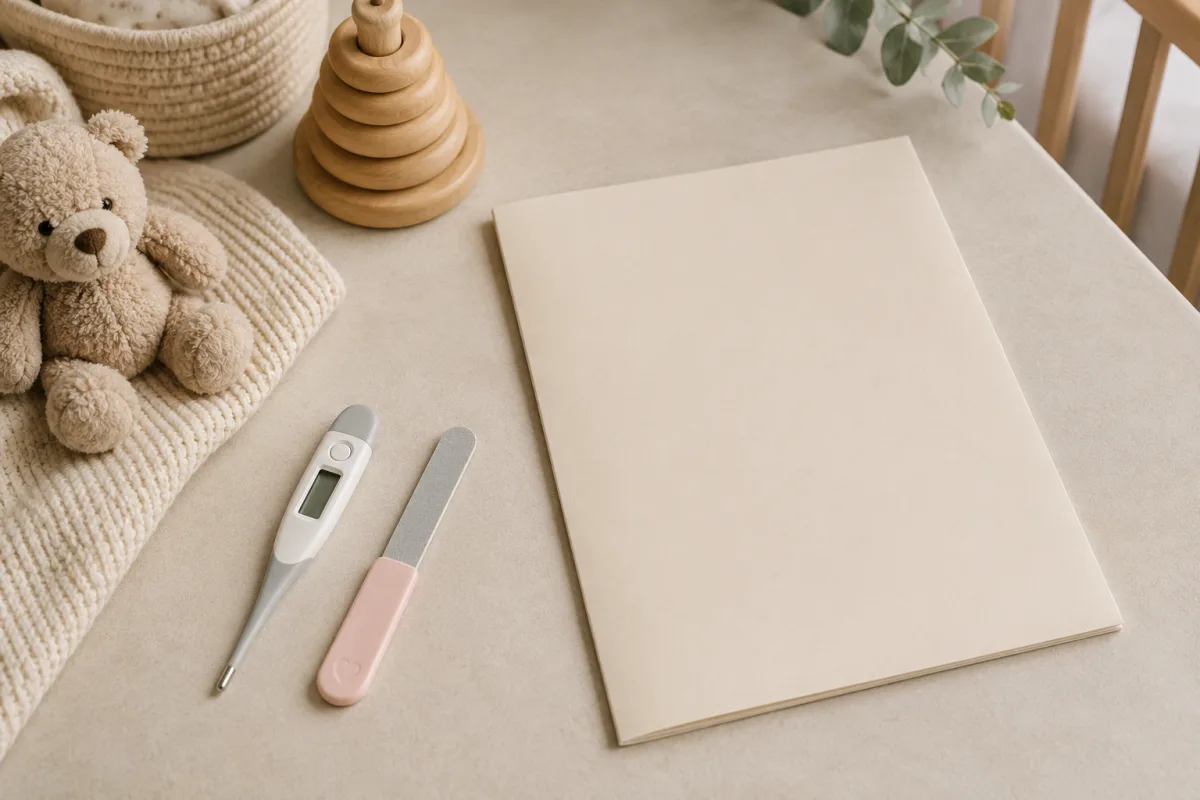
Keep a digital thermometer, pediatrician number, after-hours number, nail file, saline if advised, and any discharge papers in one place.
If skin changes appear, Livecub's article on baby rash and blister care can help parents form questions.
Think In Stations, Not Storage
A diaper station, feeding station, sleep area, and bath spot are more useful than a closet full of unopened items.
If the baby was early, Livecub's article on low birth weight and preterm infants can help guide extra questions.
Use Bringing-Home Guidance
HealthyChildren's bringing baby home material helps parents think through early home care: HealthyChildren bringing baby home. Pair that guidance with the hospital's instructions.
Keep the discharge folder where both parents can find it.
Keep A Short Question List
Newborn care gets easier when questions are written down as they appear. Keep a note for feeding, sleep, diapers, skin, crying, and follow-up appointments.
Bring that list to the pediatrician. A tired parent should not have to remember every concern from the week.
Share The Same Plan With Helpers
Grandparents, babysitters, and friends should hear the same safety rules and warning signs. Mixed advice can confuse everyone in the house.
Write the plan in plain language: what to do, what to avoid, and when to call a parent or clinician.
Use Small Repeatable Routines
A newborn routine should be simple enough to repeat while tired. Gentle steps done the same way are usually better than a complicated plan.
If the routine creates stress, simplify it and ask the pediatrician which parts matter most for the baby's age.
Call Early For Red Flags
Call the pediatrician or urgent service for fever in a young infant, trouble breathing, poor feeding, unusual sleepiness, dehydration signs, injury, or symptoms that feel urgent.
Home care is for ordinary moments. Red flags need direct medical guidance.
Give Each Caregiver A Clear Role
One adult can handle supplies, another can feed, and another can protect sleep or answer messages. Clear roles prevent quiet resentment.
The roles can change each week. The point is that care does not sit invisibly on one person.
Keep A Short Question List
Newborn care gets easier when questions are written down as they appear. Keep a note for feeding, sleep, diapers, skin, crying, and follow-up appointments.
Bring that list to the pediatrician. A tired parent should not have to remember every concern from the week.
Share The Same Plan With Helpers
Grandparents, babysitters, and friends should hear the same safety rules and warning signs. Mixed advice can confuse everyone in the house.
Write the plan in plain language: what to do, what to avoid, and when to call a parent or clinician.
Use Small Repeatable Routines
A newborn routine should be simple enough to repeat while tired. Gentle steps done the same way are usually better than a complicated plan.
If the routine creates stress, simplify it and ask the pediatrician which parts matter most for the baby's age.
Call Early For Red Flags
Call the pediatrician or urgent service for fever in a young infant, trouble breathing, poor feeding, unusual sleepiness, dehydration signs, injury, or symptoms that feel urgent.
Home care is for ordinary moments. Red flags need direct medical guidance.
Give Each Caregiver A Clear Role
One adult can handle supplies, another can feed, and another can protect sleep or answer messages. Clear roles prevent quiet resentment.
The roles can change each week. The point is that care does not sit invisibly on one person.
Keep A Short Question List
Newborn care gets easier when questions are written down as they appear. Keep a note for feeding, sleep, diapers, skin, crying, and follow-up appointments.
Bring that list to the pediatrician. A tired parent should not have to remember every concern from the week.
Share The Same Plan With Helpers
Grandparents, babysitters, and friends should hear the same safety rules and warning signs. Mixed advice can confuse everyone in the house.
Write the plan in plain language: what to do, what to avoid, and when to call a parent or clinician.
Use Small Repeatable Routines
A newborn routine should be simple enough to repeat while tired. Gentle steps done the same way are usually better than a complicated plan.
If the routine creates stress, simplify it and ask the pediatrician which parts matter most for the baby's age.
Call Early For Red Flags
Call the pediatrician or urgent service for fever in a young infant, trouble breathing, poor feeding, unusual sleepiness, dehydration signs, injury, or symptoms that feel urgent.
Home care is for ordinary moments. Red flags need direct medical guidance.
Give Each Caregiver A Clear Role
One adult can handle supplies, another can feed, and another can protect sleep or answer messages. Clear roles prevent quiet resentment.
The roles can change each week. The point is that care does not sit invisibly on one person.
Keep A Short Question List
Newborn care gets easier when questions are written down as they appear. Keep a note for feeding, sleep, diapers, skin, crying, and follow-up appointments.
Bring that list to the pediatrician. A tired parent should not have to remember every concern from the week.
Share The Same Plan With Helpers
Grandparents, babysitters, and friends should hear the same safety rules and warning signs. Mixed advice can confuse everyone in the house.
Write the plan in plain language: what to do, what to avoid, and when to call a parent or clinician.
Frequently Asked Questions
What are the true newborn essentials?
Safe sleep space, diapers, feeding supplies, basic clothing, car seat, bath basics, and pediatric contact information.
Should I buy every newborn gadget?
No. Start with basics and buy later when a real need appears.
How many newborn clothes do I need?
Enough for frequent changes, but not so many that the baby outgrows them unused.
Do I need a nursery before birth?
No. A safe sleep area and care stations are more useful than a finished room.
What should wait?
Extra toys, many outfits, specialty gadgets, and large product sets can usually wait.
This article is for general information only and is not a substitute for medical, safety, or pediatric advice. Follow product instructions and ask a qualified professional when needed.

Linda Fehrman
Edits general wellness and relationship explainers. Health material is educational, avoids diagnosis and links to health-authority guidance.




Leave a reply
Replying to