
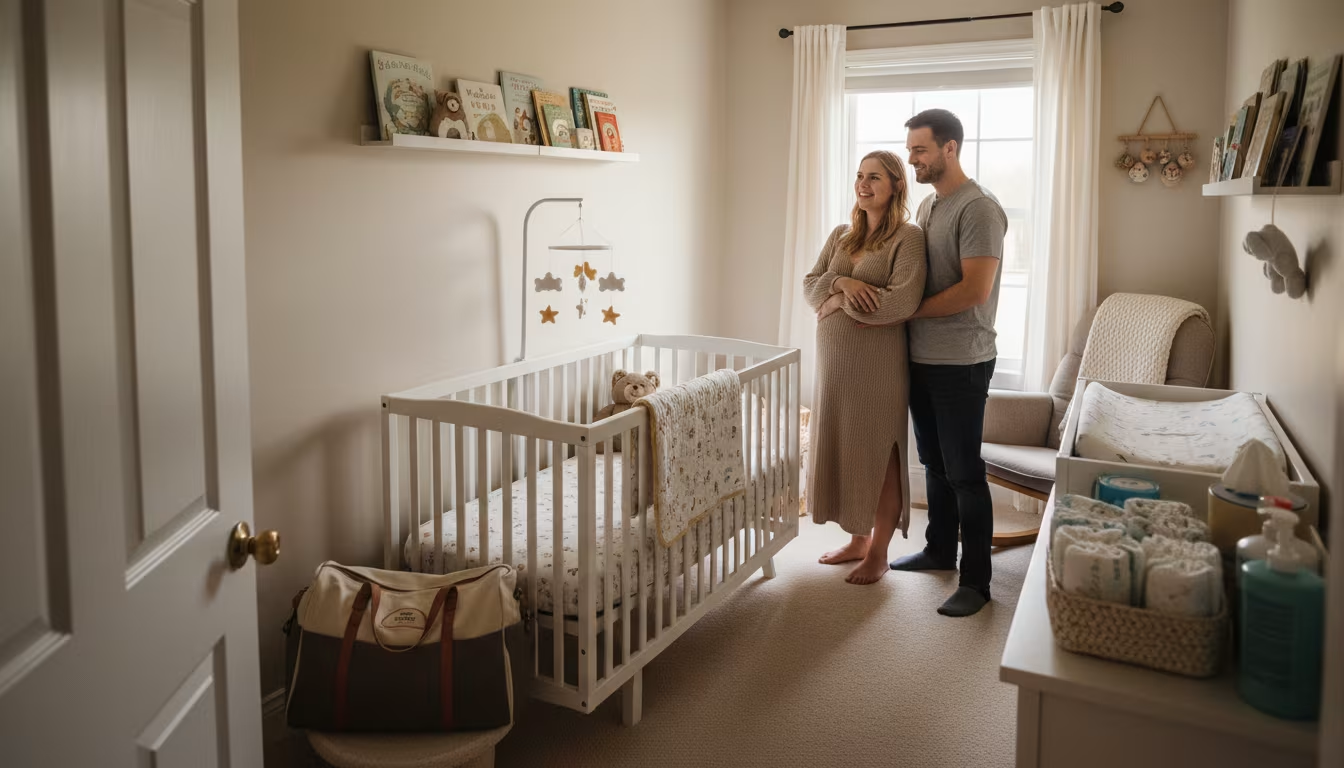
Most baby registries are built around the nursery photo: the crib skirt, the mobile, the stuffed animals lined up on a shelf. A newborn does not care about any of it. What a new baby actually needs is a safe place to sleep, a safe way to travel, food, clean care, and adults who are rested enough to notice when something is wrong. The honest version of preparing is shorter, cheaper, and far more focused than the catalog version.
Safe Sleep Before Decor
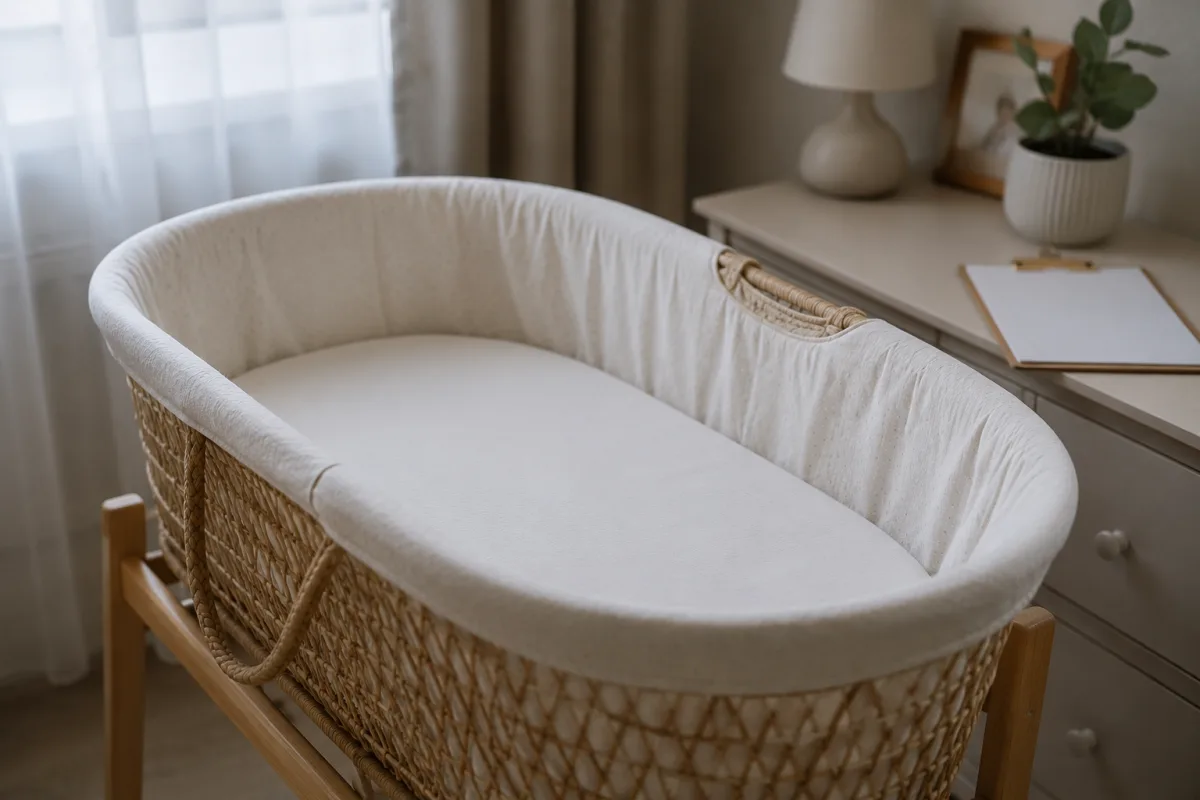
The single most important setup in the house is where the baby sleeps. The CDC's infant guidance covers safe sleep, never shaking a baby, and keeping infants away from secondhand smoke: CDC infant parenting tips. A crib or bassinet needs a firm, flat surface, a fitted sheet, and nothing else inside it: no bumpers, pillows, blankets, or loose toys.
Loungers, swings, and couches are not sleep surfaces, even when the baby drifts off in them. If a baby falls asleep somewhere soft, the plan is to move them to the flat crib. Decide this before you are exhausted at 3 a.m., because that is exactly when the temptation to improvise is strongest.
The Car Seat Is Not Optional
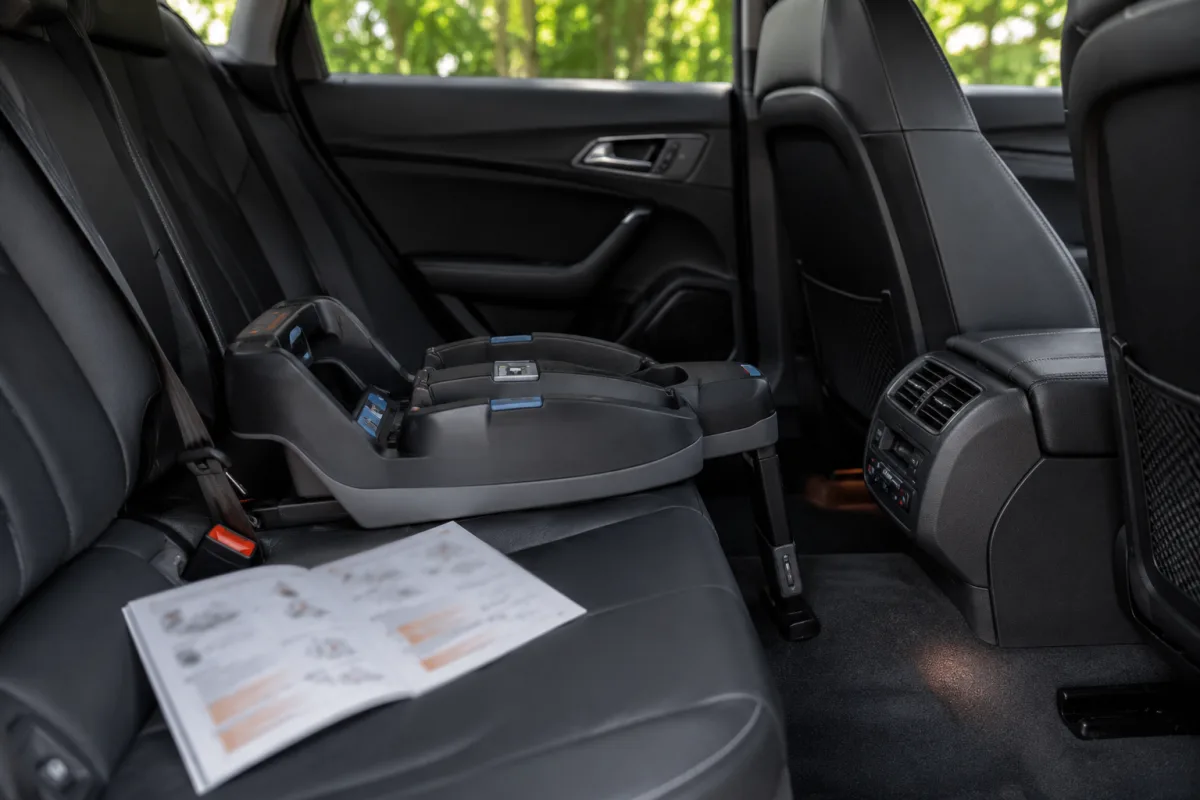
Most hospitals will not discharge a newborn without a properly installed rear-facing car seat. The NHTSA Car Seat Finder helps match a seat to a baby's age, height, and weight, and explains correct installation: NHTSA car seat guidance. Install the seat weeks before the due date, not the morning of the drive home.
Read both the seat manual and the vehicle manual, because they work together. Many communities offer free inspection stations where a certified technician checks the install. That thirty-minute appointment is worth more than any nursery accessory.
The Honest Essentials List
The gap between what is marketed and what is genuinely needed is wide. The table below separates the items that matter in the first weeks from the ones that can wait or be skipped entirely. Once the room-by-room hazards are handled through room-by-room baby-proofing, the shopping gets much shorter.
| Category | Actually needed early | Can wait or skip |
|---|---|---|
| Sleep | Bassinet or crib, firm mattress, 3–4 fitted sheets | Crib bumpers, mobiles, decorative pillows |
| Transport | Installed rear-facing car seat | Designer stroller travel system |
| Feeding | Bottles or nursing supplies, burp cloths, a way to track feeds | Bottle warmer, elaborate sterilizer |
| Diapering | Newborn and size-1 diapers, wipes, barrier cream | Wipe warmer, matching diaper pail set |
| Clothing | 6–8 simple onesies, sleepers, hats, socks | Occasion outfits in newborn size |
| Medical | Thermometer, pediatrician number, emergency contacts | Full "baby first aid" gadget kits |
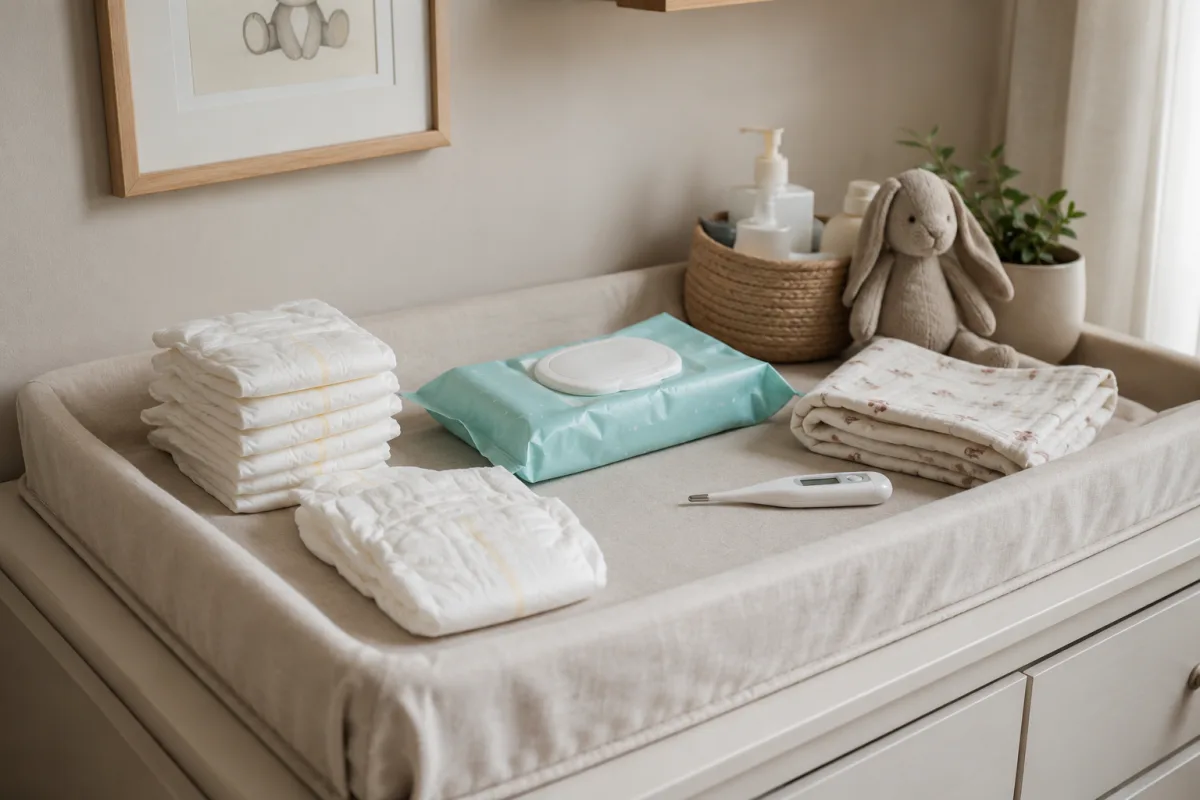
Buy diapers in more than one size. Newborns outgrow the smallest size quickly, and having a backup box saves a rushed store trip during a hard week.
However you plan to feed, keep supplies where you will use them at night, not tidied away in another room. If breastfeeding, arrange the phone number of a lactation consultant before birth. If using formula, follow the mixing and storage instructions on the label exactly. Keep a simple log of feeds and wet diapers in the first days, because that record is what the pediatrician will ask about at the first visit. Diapering is constant, so set up more than one changing spot in the rooms you use most, and wash your hands before and after care even when you are tired, since it is the most basic and most skipped hygiene step.
Support for the Adults Comes First
A recovering parent and a rested caregiver are part of the safety plan, not extras. Line up the people before the baby arrives: who can bring meals, who can drive to appointments, who can hold the baby for one stretch so an adult can sleep. Name them specifically. A vague "someone will help" is weaker than a short list with phone numbers.
Keep the pediatrician's number, the hospital line, and emergency contacts somewhere everyone can find them without searching. When a baby has a fever or a caregiver is overwhelmed, no one should be hunting for a phone number. It also helps to make sure every caregiver knows the same core rules, since mixed messages about safe sleep or feeding create confusion at the worst possible moments. Small, boring preparation like this does more to protect a newborn than any product on a wish list.
Frequently Asked Questions
What matters most when preparing for a newborn?
Safe sleep, a properly installed car seat, feeding supplies, clean care, and rested adults matter far more than nursery decor.
How many diapers and clothes do I really need at first?
Start with a box each of newborn and size-1 diapers plus about six to eight simple onesies and sleepers. Babies grow fast, so avoid overbuying the smallest sizes.
Do I need to install the car seat before birth?
Yes. Install it weeks early, read both manuals, and if possible have a certified technician check it, since many hospitals require a correct install before discharge.
When should I call the pediatrician?
Call for fever, trouble feeding, unusual sleepiness, breathing concerns, or any sudden change. Early questions are easier than waiting.
This article is for general information only and is not a substitute for medical, safety, or pediatric advice. Follow product instructions and ask a qualified professional when needed.

Alyssa Curlin
Edits general health, nutrition and education explainers. Medical topics are educational and link to public-health guidance.



Leave a reply
Replying to