

How to Prepare for Bringing a Newborn Home is mostly about making the first week safer and less chaotic. You do not need every baby product. You need sleep safety, feeding basics, diapers, transport, and a plan for tired adults.
Set up the home before discharge if possible, but keep expectations modest. Newborn care is repetitive: feed, burp, change, soothe, sleep, recover, and call the pediatrician when something seems off.
Install The Car Seat Early
The first ride home should not be the first time anyone touches the car seat. Install it before the due date and learn how the straps tighten, loosen, and fit a small baby.
HealthyChildren notes that the first car trip happens soon after leaving the hospital or birth center and recommends having the right equipment and clothing ready: HealthyChildren newborn first week.
Create A Safe Sleep Space
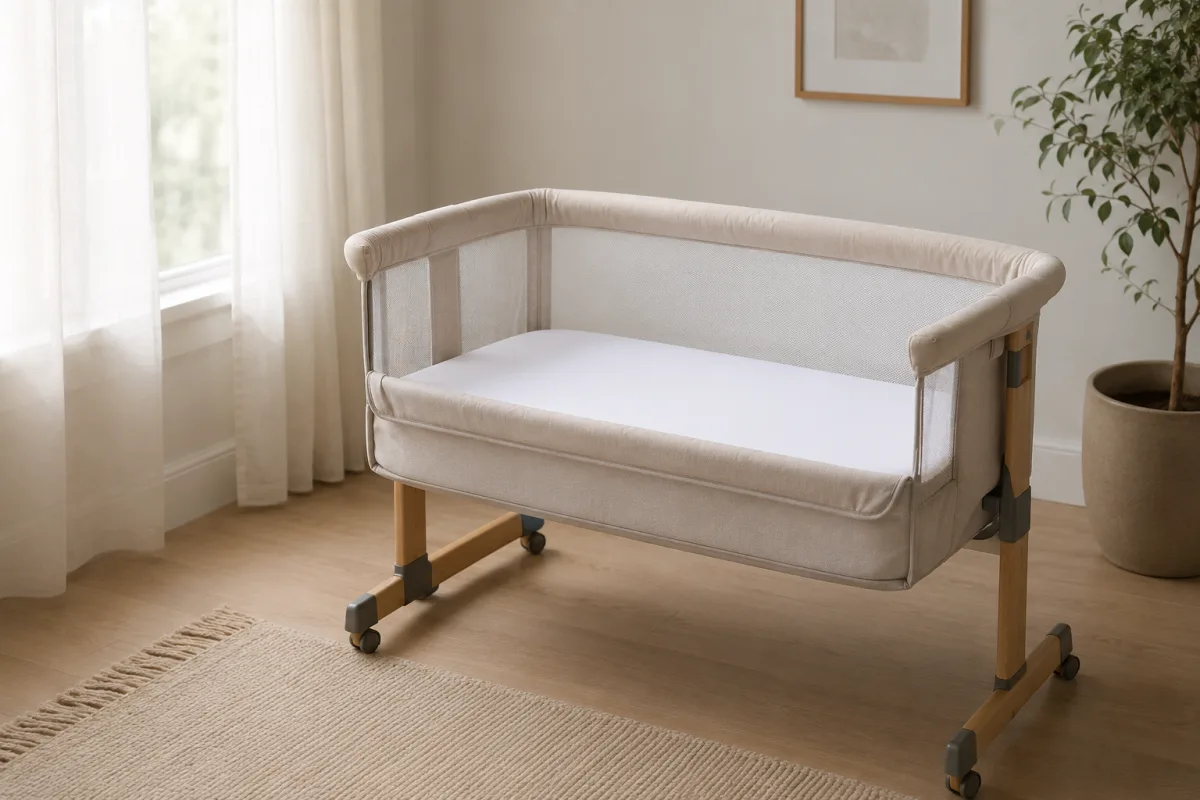
Use a crib, bassinet, or portable play yard with a firm, flat mattress and fitted sheet. Keep pillows, blankets, bumpers, toys, and loose items out of the sleep area.
HealthyChildren's safe sleep guidance says babies should be placed in their own sleep space when caregivers are ready to sleep: AAP safe sleep guidance.
Stock Diaper Basics
Set up diapers, wipes, diaper cream, a changing pad, a covered trash option, and extra baby clothes where you can reach them with one hand.
If you are comparing diaper systems, Livecub's infant washing guide can fit into a broader bath and diaper routine once the baby is home.
Plan Feeding Support
Feeding may be breast, bottle, pumped milk, formula, or a combination. Ask before discharge how often to feed, what wet diapers to expect, and when to call about poor feeding.
Write the instructions down. Sleep-deprived adults forget details they fully understood in the hospital room.
Prepare For Newborn Hiccups
Hiccups are common in newborn life and usually pass. They can still worry new parents because every sound feels loaded during the first week.
Livecub's newborn hiccups guide can help with calm, practical responses after the baby is home.
Set Up A Parent Station

Place water, snacks, burp cloths, phone charger, medications, nipple cream if needed, and a notebook near the main feeding spot.
A parent station is not decoration. It reduces the number of times a recovering adult has to stand up while holding a baby.
Know Safe Sleep Basics
CDC safe sleep guidance says babies should be placed on their backs for every sleep time and on a firm, flat sleep surface covered only by a fitted sheet: CDC safe sleep.
Share the same rules with grandparents, babysitters, and visitors. The safest setup should not change because someone else is watching the baby.
Limit Visitors
Visitors can help or drain the room. Decide ahead of time who can come, how long they stay, and what kind of help is useful.
A helpful visitor brings food, washes bottles, folds laundry, or leaves when the baby and parents need rest. Holding the baby while parents host is not always help.
Prepare For Circumcision Care If Needed
If your baby is circumcised, get written instructions before discharge and ask what bleeding, swelling, diaper changes, and ointment use should look like.
Livecub's circumcised infant care guide can support those instructions, but the discharge paperwork and pediatrician come first.
Set A Pediatrician Plan

Know the first appointment date, office number, after-hours line, and nearest urgent care or emergency department. Put the contacts in every caregiver's phone.
Ask what temperature counts as fever for your baby's age and how the office wants you to take it. Newborn fever rules are not casual.
Make A Laundry And Meal Plan
Newborns create laundry fast. Put a basket near the changing area, wash baby-safe essentials before birth, and prep simple meals or arrange help.
Do not aim for a perfect house. Aim for clean feeding items, safe sleep space, clean diapers, and adults who have eaten something.
Think Past The First Week
Baby-proofing is not urgent for a newborn who cannot crawl, but obvious hazards can still be handled early: cords, unstable furniture, smoke alarms, and safe storage.
Livecub's room-by-room baby-proofing guide can wait for deeper work, but the first pass can start now.
Watch Skin And Diapers
Newborn skin changes quickly. Mild irritation can happen, but blisters, spreading rash, fever, poor feeding, or a baby who seems very unwell needs medical advice.
Livecub's baby rash and blister guide may help you organize questions, but do not delay care for serious symptoms.
Night Shift Planning
Decide how adults will handle nights before the first exhausted argument. Even if one parent is feeding, the other may handle diapers, water, burping, dishes, or morning recovery.
If one adult is recovering from birth, the plan should protect healing too. A newborn routine that ignores the recovering parent is not a good routine.
Postpartum Warning Signs
Before discharge, ask what symptoms in the birthing parent need urgent care: heavy bleeding, fever, severe headache, chest pain, shortness of breath, leg swelling, or thoughts of self-harm.
Put those instructions beside the baby's instructions. The household is caring for a newborn and a recovering adult at the same time.
Cord Care
Ask how to care for the umbilical cord stump, what normal drying looks like, and what odor, redness, drainage, or bleeding should prompt a call.
Keep diapers folded away from the area if instructed. Avoid putting products on the stump unless the baby's clinician tells you to.
Pet And Sibling Plans
If pets or older children are in the home, plan the first meeting. Keep it calm, supervised, and short. Do not expect a tired parent to manage every reaction alone.
Give siblings small jobs that are safe, such as choosing a burp cloth or singing softly. Keep pets away from the sleep space.
Temperature And Clothing
New parents often worry that the baby is too cold. Dress the baby reasonably for the room and avoid overheating, especially during sleep.
Ask the pediatrician how to check temperature and what number requires a call. Keep a working thermometer ready before discharge.
Household Chores
Decide what can be ignored for two weeks. Floors, decorations, and perfect laundry folding can wait. Feeding supplies, safe sleep, trash, dishes, and adult meals come first.
If someone asks how to help, give them a task from the boring list. Specific help is easier to accept than general offers.
Bottle And Pump Setup
If bottles or pumping are part of the plan, wash and organize the pieces before the baby comes home. Know which parts must be sterilized and how often.
Keep the setup simple at first. Too many bottle types, nipples, and gadgets can make a tired night more confusing.
Visitors And Illness
Ask visitors to stay away if they are sick, recently exposed to illness, or unwilling to wash hands. A newborn does not need to meet everyone in the first week.
Set the rule before birth so it does not feel personal later. The baby's health and parent recovery come before social pressure.
Photos And Announcements
Decide who can post photos, names, birth details, or hospital information online. New parents may not want to manage privacy rules while exhausted.
A short message can help: We will share photos when we are ready. Please do not post until we say yes.
Accept A Learning Curve
The first week can feel clumsy even when everything is normal. Diapers leak, feeding takes practice, and sleep comes in broken pieces.
Do not measure parenting by how calm the first nights look. Measure it by safety, feeding support, recovery, and asking for help when needed.
Frequently Asked Questions
What should be ready before bringing a newborn home?
Have the car seat installed, safe sleep space prepared, diapers stocked, feeding supplies ready, and pediatrician contacts saved.
Where should a newborn sleep?
A newborn should sleep on their back in their own safe sleep space with a firm, flat mattress and fitted sheet.
How many visitors should come the first week?
Keep visitors limited and useful. Rest, feeding, recovery, and safe routines matter more than hosting.
What should I ask before hospital discharge?
Ask about feeding, diapers, safe sleep, fever rules, bathing, cord care, circumcision care if relevant, and the first pediatric visit.
Do I need to baby-proof before birth?
Full baby-proofing can wait, but smoke alarms, cords, unstable furniture, and safe storage can be checked early.
Preparing for a newborn is not about buying everything. It is about safe sleep, feeding, diapers, transport, pediatric contacts, and support for tired parents.

Linda Fehrman
Edits general wellness and relationship explainers. Health material is educational, avoids diagnosis and links to health-authority guidance.




Leave a reply
Replying to