
Baby Rash Blister Cures is a title that needs a careful correction: some baby rashes can be soothed at home, but blisters are not something to casually "cure" without knowing the cause. A blistered rash can come from friction, diaper irritation, infection, eczema, allergic reaction, burns, hand-foot-and-mouth disease, impetigo, or a more urgent illness.
This article is general parenting health education, not a diagnosis. Call your baby's doctor urgently for fever in a baby under 3 months, trouble breathing, poor feeding, unusual sleepiness, dehydration, spreading blisters, pus, swelling, severe pain, a rash that does not blanch, or a baby who seems very unwell.
Look At The Whole Baby
The rash matters, but the baby's overall condition matters more. Is the baby feeding? Making wet diapers? Breathing normally? Acting alert for age? Does the baby have a fever, stiff body, weak cry, or unusual sleepiness?
HealthyChildren.org from the American Academy of Pediatrics has a rash symptoms checker that emphasizes using symptoms and age to decide when medical advice is needed.
When A Blister Is Urgent
Call promptly for blisters in a newborn, blisters near the eyes, blisters with fever, rapidly spreading blisters, pus, red streaking, swelling, severe pain, or a baby who is hard to wake. Also call if the rash appears after a burn, new medicine, or possible allergic reaction.
Do not pop blisters. The blister roof protects the skin underneath. Opening it can raise infection risk and make pain worse.
Diaper Rash With Blisters
Plain diaper rash usually looks red and irritated. Blisters, open sores, bleeding, pus, or rash that reaches skin folds can point to yeast, bacterial infection, severe irritation, allergy, or another condition. Frequent stool, diarrhea, new wipes, antibiotics, or tight diapers can make the area worse.
Mayo Clinic's diaper rash overview notes that diaper rash can involve inflamed skin and may need care if it is severe, unusual, or does not improve.
Gentle Diaper Care
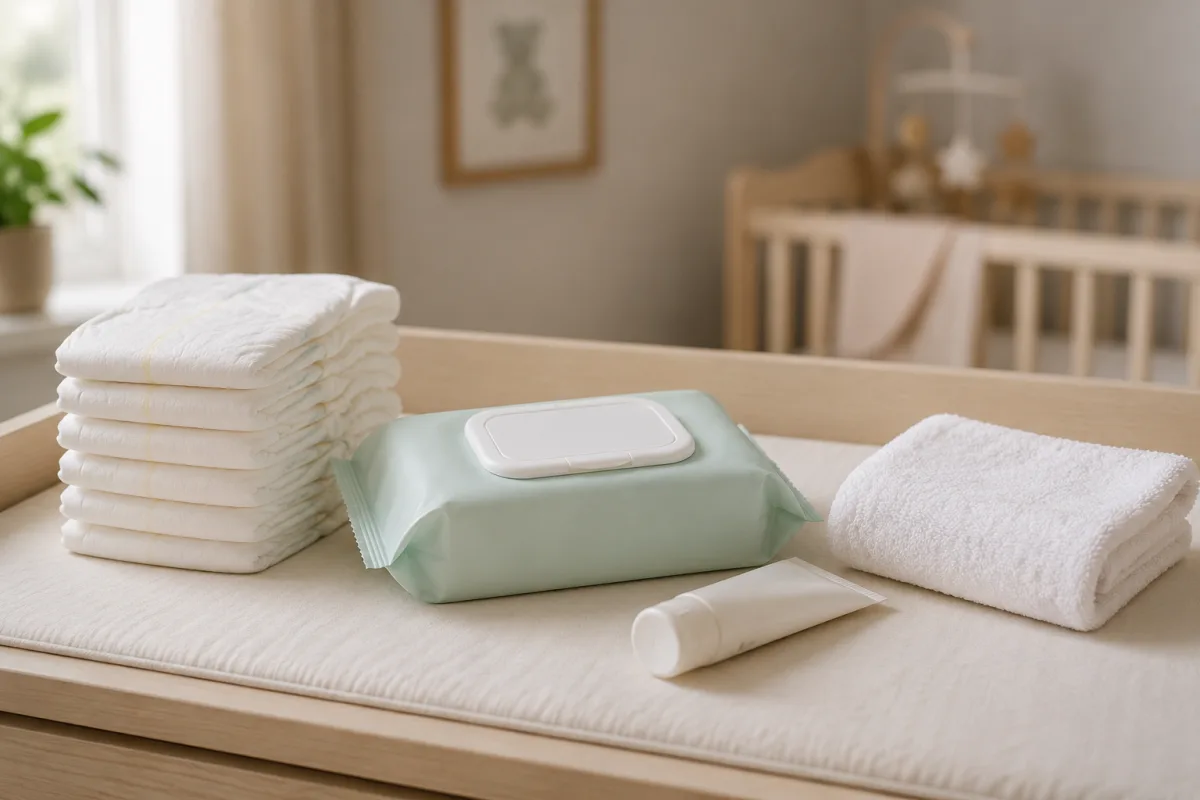
Change diapers often, rinse with warm water or fragrance-free wipes, pat dry, and apply a thick barrier ointment such as zinc oxide or petrolatum if your pediatrician says it is appropriate. Give diaper-free time on a washable towel when practical.
Do not scrub. Do not use adult creams, steroid creams, antibiotic ointments, essential oils, powders, or herbal products unless the pediatrician recommends them. Babies absorb some medicines differently than adults.
Heat Rash And Friction
Heat rash can appear as tiny bumps or blisters where sweat is trapped, often around the neck, chest, diaper area, or folds. Friction blisters can happen from rubbing clothing, shoes, or medical tape. Keep the area cool, dry, and free from pressure.
If the skin is broken, painful, spreading, or infected-looking, get medical advice. A harmless-looking blister can become a problem if bacteria enter.
Hand-Foot-And-Mouth Disease
Hand-foot-and-mouth disease can cause small blisters or sores in the mouth and rash on hands, feet, diaper area, or legs. Some babies have fever and poor feeding because mouth sores hurt.
The CDC's hand-foot-and-mouth disease page describes fever, mouth sores, and skin rash as common signs. Babies with poor drinking, dehydration signs, or worsening symptoms should be checked.
Impetigo And Infection Clues
Impetigo can start as red sores or blisters that break and form crust. It is contagious and often needs medical treatment. Infection clues include honey-colored crust, pus, warmth, swelling, red streaks, fever, or tenderness.
Keep nails short, wash hands, and avoid sharing towels. But do not rely on hygiene alone if infection is suspected. A clinician may need to prescribe medicine.
Allergic Reactions And Hives
Hives are raised, itchy welts that can move around. Blistering is less typical for simple hives and should be discussed. Seek emergency help for swelling of lips or face, wheezing, trouble breathing, repeated vomiting, or sudden weakness after food, medicine, or an insect sting.
If a rash follows a new medicine, call the prescribing clinician. Do not restart a stopped medicine without medical advice.
Bathing And Skin Care

Use lukewarm water, short baths, and fragrance-free cleanser only where needed. Pat dry and moisturize dry skin with a simple, baby-appropriate product. Avoid bubble bath and scented lotions while the rash is active.
For everyday baby washing, Livecub's infant washing guide can help with gentle routines. Keep rash care separate from ordinary bath habits if the skin is open or painful.
Premature Or Medically Fragile Babies
Premature babies, low birth weight babies, and babies with immune problems may need earlier medical advice for skin changes. Their skin can be more delicate, and infection signs may be subtle.
Livecub's premature baby development guide and low birth weight and preterm infant article can help parents think about corrected age and risk context.
Care After Procedures
If rash or blisters appear near a procedure site, follow the discharge instructions and call the clinician. Do not cover the area with random ointments or tight bandages unless told to do so.
For related care, Livecub's circumcision site care guide and circumcised infant care guide may help, but fever, swelling, drainage, or worsening redness still needs medical advice.
What To Tell The Doctor

Before calling, note the baby's age, temperature, feeding, wet diapers, when the rash began, where it started, whether blisters are spreading, any new foods or medicines, and what products touched the skin.
Photos can help track changes. Take one in good light, but do not delay care to create the perfect photo.
Face, Eyes, And Mouth Need Care
Blisters near the eyes, lips, inside the mouth, or around the nose should be handled carefully. Babies can rub the area, spread infection, or feed poorly if mouth sores hurt. Call the pediatrician rather than trying home products near the eyes or mouth.
If the baby is drooling more than usual, refusing feeds, or has fewer wet diapers, dehydration can become the bigger concern. That is especially true with fever or mouth sores.
Laundry And Product Triggers
New detergents, fabric softeners, wipes, lotions, diapers, soaps, and bubble baths can irritate sensitive skin. If a rash begins after a product change, stop the new product and use a simple fragrance-free routine while you call for guidance.
Wash new baby clothes before use, avoid scented dryer sheets, and keep tight elastic away from irritated skin. These steps may not treat infection, but they can reduce extra irritation.
Follow Up If It Changes
A rash that seemed mild in the morning can look different by evening. Mark the edge lightly with a washable marker only if your clinician suggests it, or take photos at the same distance. Rapid spread, new fever, or new swelling changes the urgency.
If you were given a cream or medicine and the rash worsens, call again. Babies should not have to wait through days of worsening skin because a plan was already started.
Do Not Cover The Rash Too Tightly
Airflow can help some irritated skin, while tight wraps and heavy layers can trap heat and moisture. Use loose, soft clothing unless your clinician gave a dressing plan. Avoid adhesive bandages on fragile baby skin unless instructed.
If the rash is draining, bleeding, or rubbing against clothes, ask how to protect it safely. Covering the wrong rash can hide changes that the doctor needs to see.
Keep Siblings And Towels Separate
If infection is possible, use separate towels, wash hands often, and keep siblings from touching the rash. This does not replace treatment, but it can reduce spread while you wait for advice.
Frequently Asked Questions
Should I pop a baby's blister?
No. Leave blisters intact and ask a clinician if they are spreading, painful, or linked with fever.
Can diaper rash cause blisters?
Severe diaper irritation can blister, but infection, yeast, allergy, or other causes should be considered.
What cream is safe for baby rash?
Barrier ointments may help diaper irritation, but medicated creams should be used only with medical guidance.
When is a rash an emergency?
Seek urgent care for breathing trouble, fever in a young baby, non-blanching rash, severe illness, or dehydration.
Can teething cause blister rash?
Teething may cause drool irritation, but blisters, fever, or spreading rash need another explanation.
The Safe Rule
For baby rash with blisters, treat comfort gently, protect the skin, avoid popping or medicating without advice, and watch the whole baby. If the baby is young, feverish, unwell, or the rash is spreading, call the pediatrician.

Alyssa Curlin
Edits general health, nutrition and education explainers. Medical topics are educational and link to public-health guidance.




Leave a reply
Replying to