
Dried Fish Is a Seasoning, Not Just a Protein
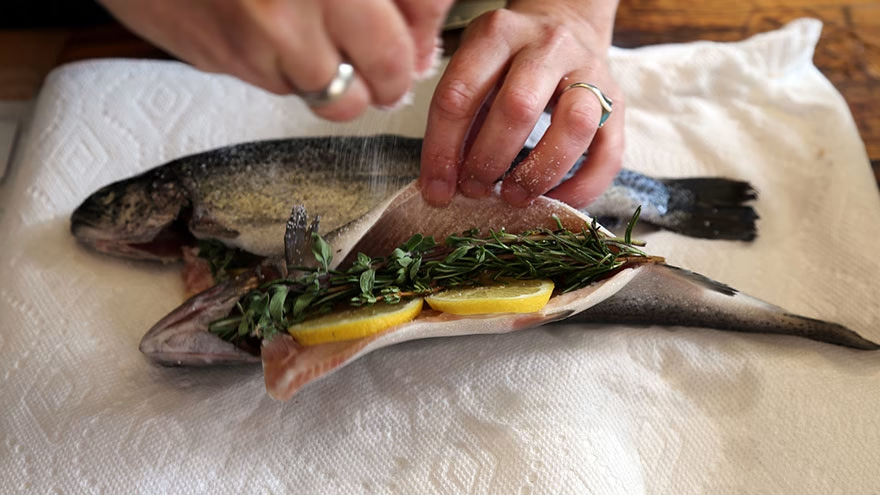
Dried and Salted Fish in Senegalese Cooking is best understood as a flavor base. Small amounts of preserved seafood can season rice, stews, sauces, and vegetables with a deep savory taste that fresh fish alone does not give.
That flavor can be powerful. The point is not to add a large piece and hope for the best. It is to control salt, aroma, and cooking time.
Preserved fish works like a concentrated seasoning.
Know the Names Gejj and Yeet
Saveur's Senegalese ingredient list describes gejj as salty, pungent chunks of fermented and dried white-fleshed fish used whole or crumbled in sauces and stews.
Yeet, often spelled yete or yet, is a fermented dried marine ingredient, commonly associated with sea snail or mollusk. It adds a strong briny depth to Senegalese dishes.
Livecub's African style rice pilaf article can help readers see how rice dishes depend on layered seasoning.
Names vary, so learn the look, smell, and use of the ingredient too.
Thieboudienne Shows the Flavor Best
Saveur's Senegalese fish and rice recipe describes thieboudienne as Senegal's national dish, a one-pot meal of fish, rice, and vegetables simmered in tomato sauce.
In traditional versions, preserved seafood deepens the pot while fresh fish and vegetables cook. The dried ingredient is not always the main visible star, but it shapes the sauce.
The flavor is often felt before it is identified.
Use Small Amounts First
If you are new to dried fish, begin with less than the recipe suggests. You can add more next time, but you cannot easily remove excess salt or funk once it has cooked into rice.
Start with a small piece in the sauce, taste before salting, and remember that the flavor grows as the pot simmers.
Rinse or Soak When Needed
Some dried fish should be rinsed, soaked, or briefly simmered before adding to a dish. The goal is to reduce surface salt and any harsh edge while keeping the savory flavor.
Ask the shop where you buy it how that specific product is usually prepared. Dried fish varies widely by species, salt level, smoke, and fermentation.
Smell Strong Does Not Mean Spoiled
Fermented and dried seafood can smell intense even when it is normal. That said, rotten, moldy, slimy, or chemically odd products should not be used.
Buy from a market with good turnover and ask how the ingredient should look and smell. Familiar cooks can often tell the difference quickly.
Use a Separate Container
Because the aroma is strong, store dried fish in a sealed container or freezer bag. Some cooks double-wrap it before refrigerating or freezing.
This keeps the flavor from taking over butter, fruit, or leftovers nearby.
Control Salt Late in Cooking
Do not salt the whole pot heavily at the start. Dried fish, bouillon, stock cubes, and fish sauce can all bring salt.
Taste after the preserved seafood has simmered. Then adjust. This one habit prevents many overly salty pots.
Salt should be corrected after the preserved fish has spoken.
Use Substitutes Thoughtfully
If gejj or yeet are not available, cooks may use salt cod, stockfish, dried shrimp, smoked fish, anchovy, or fish sauce. None is identical, but each can add savory depth.
Atlas Obscura's yete entry explains the distinctive fermented sea-snail ingredient behind some Senegalese flavor. A substitute should be chosen with that intensity in mind.
Store Dried Fish Carefully
Dried fish should be stored according to the seller's guidance. Some products can stay cool and dry; others should be refrigerated or frozen after opening.
Keep it wrapped well because the aroma can spread through a pantry or refrigerator. Label it so nobody mistakes it for a ready-to-eat snack.
Balance Funk With Acid and Vegetables
Tomato, tamarind, lime, bitter greens, cabbage, eggplant, carrot, cassava, and pepper can all balance preserved fish in different ways.
Acid and vegetables help the dish feel rounded rather than only salty. This is why preserved fish works so well in stewed rice dishes.
Think of It Like Anchovy in a Sauce
Many cooks who are new to gejj or yeet understand the idea better by comparing it to anchovy in pasta sauce or fish sauce in a stir-fry.
The ingredient may not dominate the finished dish, but it can make the sauce taste deeper and more complete.
Do Not Confuse Every Dried Fish Product
Salt cod, stockfish, smoked fish, fermented fish, and dried shrimp are related by preservation, but they do not taste the same.
Read labels and ask questions at African, Caribbean, Portuguese, Asian, or specialty markets. The right product depends on the dish.
Use It Beyond Thieboudienne
Dried and salted fish can season greens, bean stews, tomato sauces, okra dishes, pepper sauces, and rice pots. It can also be crumbled into a sauce rather than served as a large piece.
For another West African rice topic, Livecub's jollof rice article helps connect rice, sauce, and seasoning habits across the region.
Remove Bones and Tough Bits
Depending on the product, dried fish can contain bones, skin, or tough pieces. Remove anything unpleasant before serving, especially if cooking for guests who are not used to the ingredient.
If the fish is only used to season the sauce, some cooks remove the larger piece before serving. Others leave it for people who enjoy it.
Ask the Market How Locals Use It
A good specialty market can teach more than a label. Ask which product is used for rice, which is stronger, which should be soaked, and how much to add.
This is especially helpful because names and spellings may vary between languages, regions, and import labels.
Cook With Ventilation
The aroma can be strong while the fish is simmering. Open a window, use a hood fan, and keep the pot covered when appropriate.
Good ventilation lets you cook patiently without feeling overwhelmed by the first burst of smell.
Respect the Ingredient's Cultural Role
To some cooks, gejj and yeet are not strange add-ons. They are familiar pantry ingredients tied to preservation, coastal foodways, family taste, and the structure of classic dishes.
Approach them with curiosity rather than treating the aroma as a joke. Strong flavor does not mean careless cooking.
Pair With the Right Sides
Dishes seasoned with dried fish often work well with plain rice, boiled roots, fried yams, fresh salad, or a mild vegetable side.
Livecub's African yams guide is a useful side-dish reference when building a West African meal.
Start With a Familiar Dish
If the flavor is new to you, try a small amount in a tomato sauce, greens, or a rice pot before making a large celebratory dish.
Learning the ingredient in a familiar format makes it easier to judge salt, aroma, and cooking time.
Do Not Serve It Without Warning Guests
Some guests love strong preserved seafood. Others may avoid fish, shellfish, or fermented foods for allergy, religious, dietary, or personal reasons.
Tell people what is in the dish before serving. Hospitality includes letting guests choose safely.
Pair the Amount With the Dish Size
A small pot may need only a tiny piece of gejj or a small amount of substitute. A large family pot can handle more, but the increase should still be measured.
Do not scale preserved fish by instinct alone. Taste, wait, and taste again after simmering.
Use It to Season, Then Taste the Sauce
Let the dried fish simmer long enough to release flavor into the sauce before deciding what else the pot needs.
If the sauce tastes flat, it may need acid, tomato concentration, pepper, or time rather than more preserved fish. Too much can make the dish salty and heavy.
More preserved fish is not always the fix.
Respect Allergies and Shellfish Concerns
Yeet and similar ingredients may involve shellfish or mollusk. Anyone with a shellfish allergy should be told clearly before eating.
When cooking for guests, keep labels or market notes until the meal is done. Guessing is not fair to the people eating.
Frequently Asked Questions
What is gejj?
Gejj is dried, salted, and often fermented fish used in Senegalese sauces, stews, and rice dishes for savory depth.
What is yeet?
Yeet, also spelled yete or yet, is a fermented dried marine ingredient associated with sea snail or mollusk in Senegalese cooking.
Can I substitute fish sauce?
Fish sauce can add briny depth, but it is not identical. Use a small amount and reduce other salt.
How do I keep the dish from becoming too salty?
Rinse or soak the dried fish if needed, add less at first, and season with extra salt only after tasting near the end.

Olivia Prete
Edits culture and personal-development articles, distinguishing opinion and experience from verifiable claims.


Leave a reply
Replying to