
FileZilla can log into an FTP server and still fail when it tries to list a directory or transfer a file. That split is the clue. FTP uses a control connection for commands and a separate data connection for listings and transfers. A FileZilla Response 503 Failure of Data Connection usually means the server thinks the command sequence or data-channel setup is wrong, not that the password alone is bad.
What does a 503 response mean in FTP?
In FTP, 503 is a negative response tied to command order. The server is saying that the current command does not make sense yet because some earlier step did not happen, failed, or was changed by a firewall, proxy, or client setting.
RFC 959 is the base FTP specification and describes command sequencing and replies. The RFC 959 FTP specification is old, but it remains the right starting point for understanding why command order matters.
Do not read 503 as one single fix. It is a symptom. The cause may be login sequence, active/passive mode, a blocked port range, TLS mismatch, or a middlebox changing the conversation.
The exact words around the 503 matter. A 503 after USER or PASS points to a different layer than a 503 after PASV, LIST, MLSD, RETR, or STOR. Copy the log before changing settings so the original failure does not disappear.
Why does FileZilla mention a data connection?

Directory listings and file transfers need a data connection. You can successfully connect on the control channel, authenticate, and then fail when FileZilla asks for a listing. That is why the error can feel contradictory: login worked, but the useful part of FTP did not.
FileZilla's Network Configuration guide explains how active and passive FTP modes affect firewalls and ports. The FileZilla Network Configuration guide is the first place to compare your client and server settings.
If you are used to email error decoding, Livecub's email delivery failure guide shows the same troubleshooting habit: read the exact status and the step where it fails.
In plain terms, the control channel is the conversation and the data channel is the doorway used to move the listing or file. The conversation can sound normal while the doorway is blocked. That is why opening only the FTP login port does not always fix transfer errors.
Should you use passive or active mode first?
Most users behind home, office, hotel, or mobile networks should try passive mode first. In passive mode, the client opens the data connection to the server's chosen port. That often works better when the client is behind NAT or a strict firewall.
Active mode can work, but it asks the server to connect back toward the client for the data channel. That can fail if the client's firewall or router blocks inbound connections. Switching modes can be a useful test, but it is not a substitute for fixing the blocked side.
Change one variable at a time. If you change mode, TLS setting, hostname, and firewall rule together, the next log will not tell you which change mattered.
What should server owners check?
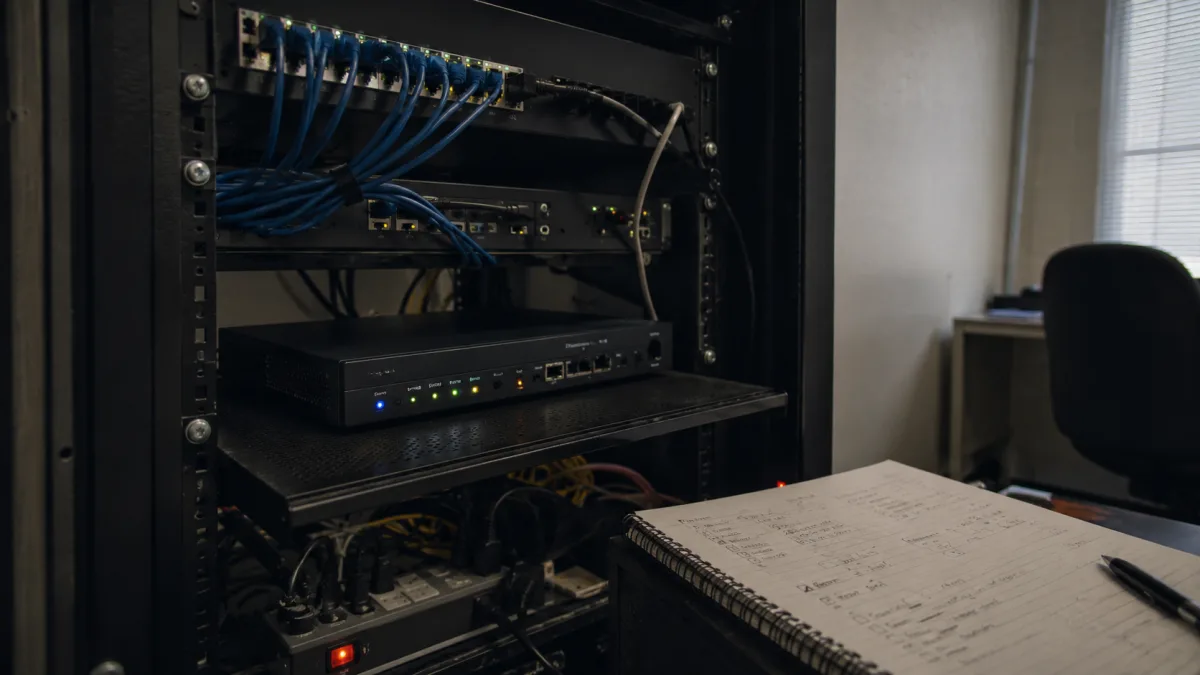
Server owners should check the listening port, passive port range, public IP or hostname, firewall allow rules, router forwarding, TLS settings, and user permissions. A FileZilla client cannot fix a server that advertises a private address or a blocked passive port.
The FileZilla FAQ notes firewall requirements for FileZilla Server, including allowing the FTP or FTPS port and the needed outgoing or data-related connections. The FileZilla FAQ is useful for checking the server side before blaming the client.
If the failure appears only under load, examine the port range size and simultaneous transfers. A tiny passive range can work during a test and then fail when several clients list or transfer at the same time.
For servers behind NAT, confirm what address the server advertises in passive mode. If it gives the client a private LAN address, an outside user cannot reach it. That configuration error can look like a client problem even when FileZilla is behaving correctly.
What should clients check?
Clients should confirm the protocol, host, port, username, password, explicit FTPS requirement, proxy setting, active/passive mode, local firewall, VPN, and security software. A corporate proxy or inspection appliance can alter FTP command flow enough to produce confusing sequence errors.
Try the same credentials from another network if policy allows it. A laptop that fails at the office but works on a phone hotspot points toward local firewall, proxy, VPN, or router behavior. A failure everywhere points more strongly toward server configuration or account permissions.
For other hardware-style failure checks, Livecub's FDC failure explainer and physical HDD recovery guide show why isolating the failing layer matters before replacing parts or settings.
Also confirm that you are not mixing FTP, SFTP, explicit FTPS, and implicit FTPS. SFTP is a different protocol over SSH, while FTPS is FTP protected with TLS. Choosing the wrong protocol can produce a misleading trail of connection and sequence errors.
How do firewalls and proxies create 503 failures?
FTP is sensitive to devices that inspect, rewrite, or block commands because the control and data channels have to agree. A firewall that allows port 21 but blocks passive data ports can let login succeed and then break directory listing. A proxy that changes or drops a PORT or PASV response can put the server and client out of sequence.
Security tools may treat plain FTP, explicit FTPS, and implicit FTPS differently. If the server requires encryption and the client starts the wrong mode, the command order can fail before the account reaches a usable state.
The log is your map. Look for the last successful command before the 503, then check what should have happened next: PASV, PORT, MLSD, LIST, RETR, STOR, or TLS negotiation.
How do you read the FileZilla log?
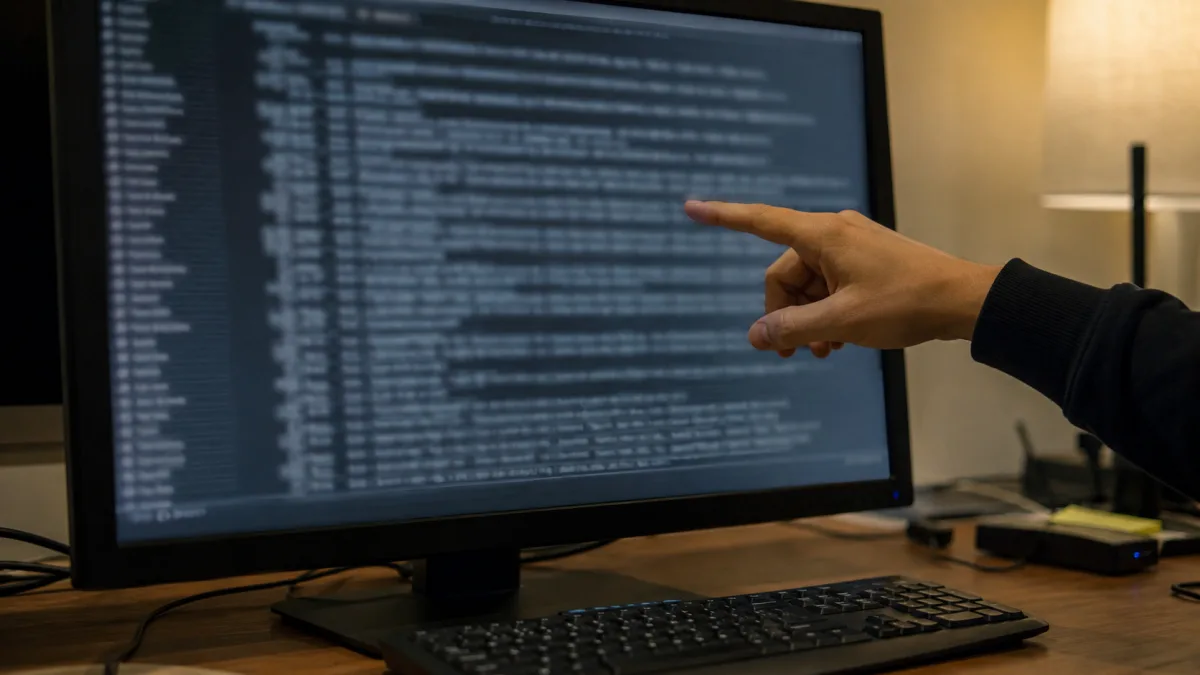
Read from the first connection line, not from the red error line at the bottom. Note the protocol, server response, login result, mode choice, data command, and exact response. The failing command usually tells you which layer to inspect.
If the log shows login success followed by a listing failure, focus on passive or active mode and data ports. If the log shows sequence errors before login completes, focus on USER, PASS, TLS, proxy, or account policy. If transfers fail only for uploads, check permissions and storage paths as well.
For electrical or signal problems, Livecub's high-frequency circuit failure guide uses the same discipline: identify the stage that breaks before changing everything around it.
Save one failed log and one successful log if you can reproduce the issue from another network. The comparison is often faster than staring at one error line. Look for the first line where the two sessions stop matching.
What is a sensible fix order?
Test credentials and protocol first. Then test passive mode, check server passive ports, confirm the server advertises the correct public address, temporarily remove VPN or proxy variables, and review firewall rules on both sides. After each change, reconnect and save the new log.
If you do not control the server, send the host the FileZilla log and ask specifically about passive port range, FTPS mode, and account permissions. "FTP does not work" is vague. "Login succeeds, MLSD fails after PASV with 503" gives support something real to inspect.
Stop after each test. A clean fix order may feel slower, but it prevents a second mistake from hiding the original fault. That matters on shared hosting, where you may control the client but not the server firewall.
Frequently Asked Questions
Does FileZilla 503 mean my password is wrong?
Not usually. A bad password often fails earlier. A 503 during listing or transfer points more toward command order or data-connection setup.
Should I switch FileZilla to passive mode?
It is a good first test for many client networks. If passive mode still fails, the server's passive port range or firewall may need attention.
Can a firewall cause a 503 data connection error?
Yes. FTP needs data ports in addition to the control connection, so a firewall can allow login while blocking listings or transfers.
What log line matters most?
The last successful command before the 503 matters most. It shows which next step the server expected and did not receive correctly.
Treat the error as a sequence problem. Find the step that breaks, then fix that layer instead of randomly changing every FileZilla setting.

Timothy Davidson
Edits step-by-step general-interest guides for clarity, realistic limits and source verification.



Leave a reply
Replying to