
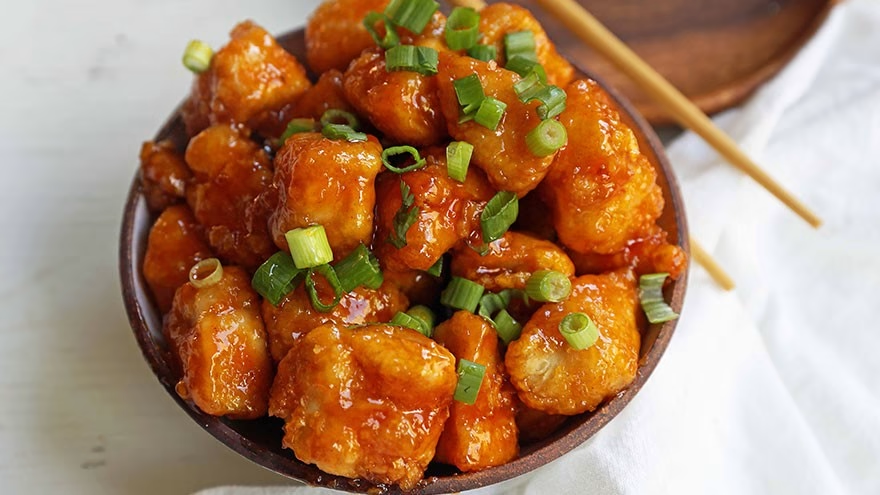
Fire Cracker Chicken Recipe should taste bold without turning dinner into a bottle of hot sauce poured over dry chicken. The goal is a sticky, spicy-sweet skillet dish with tender pieces of chicken, onion, garlic-friendly heat, and enough sauce to coat rice or noodles without drowning them.
This version keeps the spirit of the old recipe but tightens the method. The sauce is measured, the chicken is cooked safely, and the heat can be adjusted at the table. If you like takeout-style spicy chicken but want a home-cooked pan with better control, this is the route.
Ingredients For Fire Cracker Chicken
Use 1 pound boneless chicken breast or thigh, cut into bite-size pieces; 1/2 yellow onion, sliced; 1 tablespoon sesame oil; 1 tablespoon neutral cooking oil; 2 tablespoons soy sauce; 1 tablespoon teriyaki sauce; 1 to 2 tablespoons sriracha; 1 teaspoon Chinese hot mustard or yellow mustard; 1 teaspoon sugar or honey; 1/2 teaspoon crushed red pepper; 1/2 teaspoon five-spice powder; 1 teaspoon grated ginger; 2 cloves garlic, minced; 1 tablespoon rice vinegar; 1 teaspoon cornstarch; and 2 tablespoons water.
Salt depends on your soy sauce and teriyaki sauce. Taste the sauce before it goes into the pan. If it already tastes salty, do not add more salt to the chicken.
Set Up Before The Pan Gets Hot
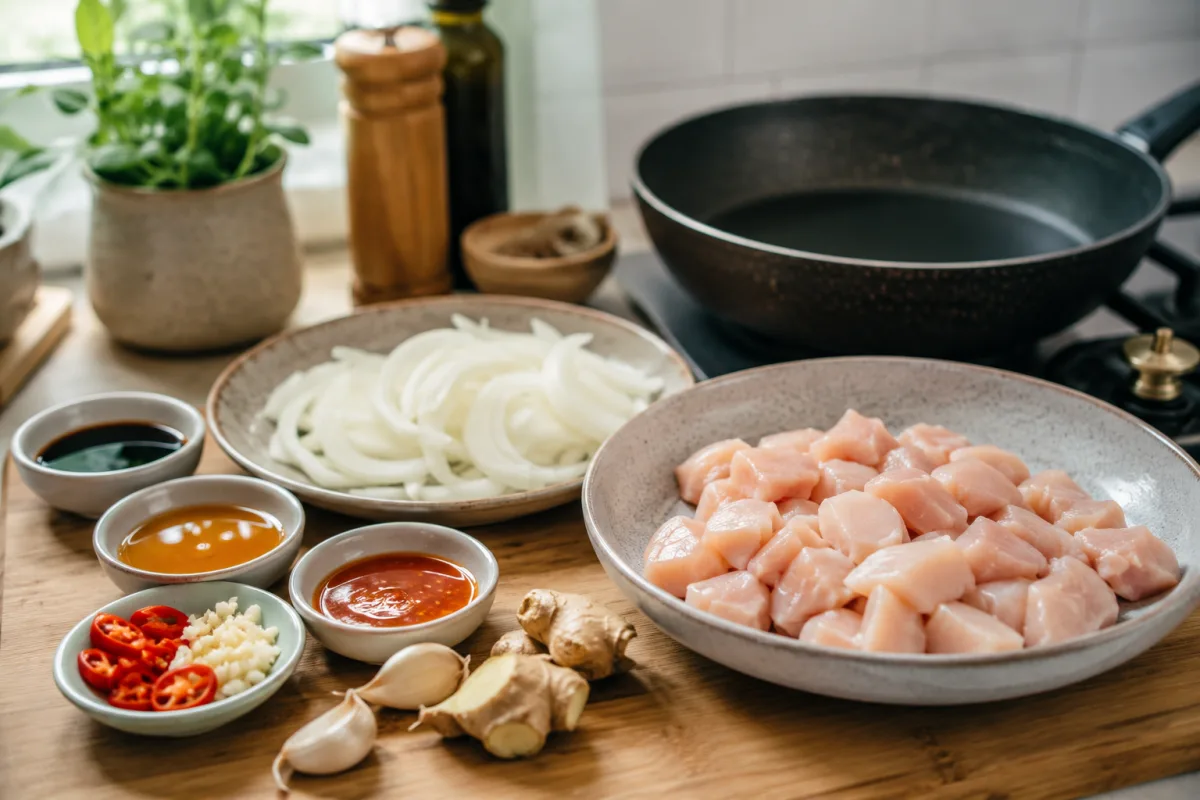
Stir-fry cooking moves fast. Cut the chicken, slice the onion, mince the garlic, measure the sauce, and set a clean plate near the stove before heating the pan. Keep raw chicken tools separate from cooked food. That one small habit prevents messy, unsafe work.
The USDA safe temperature chart lists 165 degrees F for poultry. A thermometer is better than guessing from color, especially with sauce on the chicken.
Make A Better Spicy-Sweet Sauce
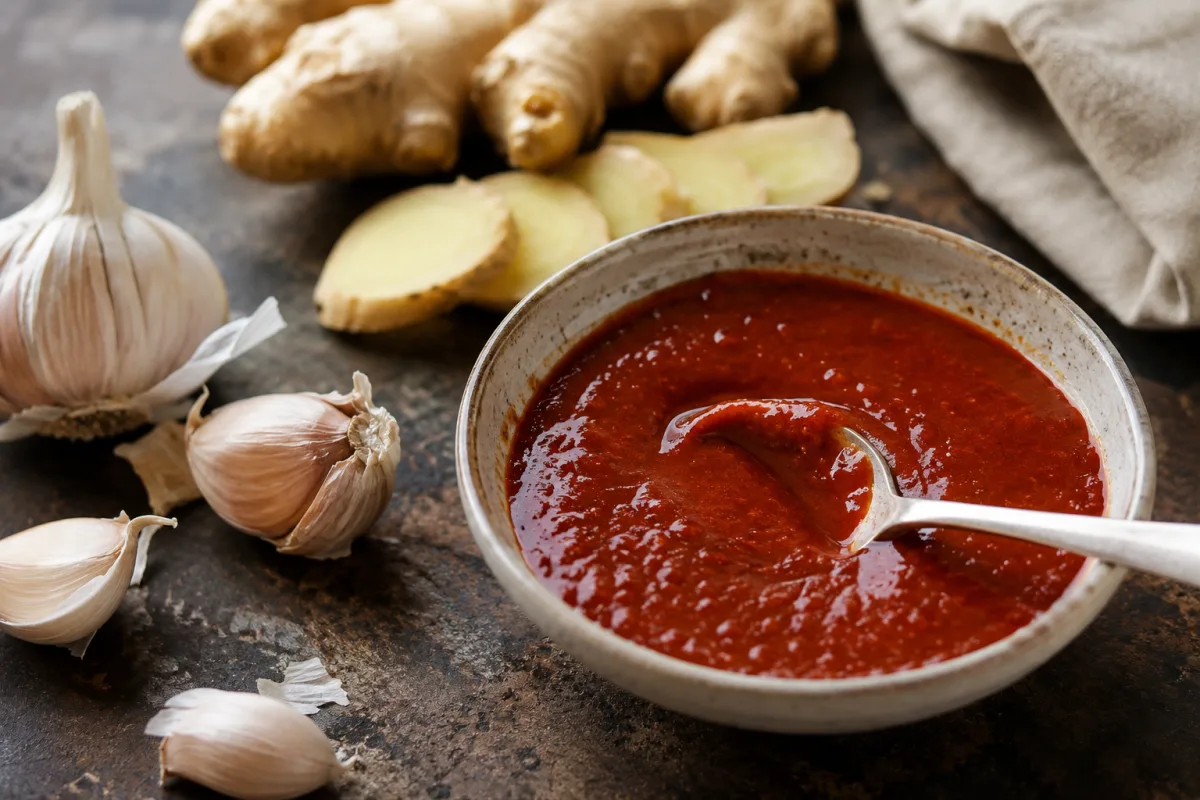
In a small bowl, mix soy sauce, teriyaki sauce, sriracha, mustard, sugar, five-spice, crushed red pepper, ginger, garlic, rice vinegar, cornstarch, and water. The cornstarch helps the sauce cling to the chicken. The vinegar keeps the sweetness from tasting flat.
For a sweeter sauce, add another teaspoon of honey. For more heat, add crushed pepper after cooking instead of doubling the sriracha in the pan. Heat is easier to add than remove.
Marinate Without Making The Chicken Mushy
Toss the chicken with two tablespoons of the sauce and let it sit for 10 to 20 minutes while you prep rice, vegetables, or toppings. A short rest is enough for small pieces. Do not leave raw chicken in a salty, acidic marinade all afternoon unless the recipe is built for that.
Serious Eats explains the Chinese stir-fry technique of velveting chicken, where cornstarch and a brief rest help protect the meat from harsh heat. This recipe uses a simpler version: a small amount of cornstarch in the sauce and quick cooking in batches.
If you have time, pat the chicken dry before tossing it with sauce. Wet pieces cool the pan and delay browning. If the chicken is very uneven, trim larger pieces down so they cook at the same pace as the small ones. Even cuts do more for tenderness than an extra splash of sauce.
Cook The Chicken In Batches
Heat a large skillet or wok over medium-high heat. Add the neutral oil, then add half the chicken in a single layer. Let it sear for a minute before stirring. Cook until the outside is no longer raw, then move it to a clean plate. Repeat with the remaining chicken.
Do not crowd the pan. Crowding makes the chicken steam, and steamed chicken will not pick up the same flavor. If your skillet is small, three batches are better than one crowded batch.
Finish With Onion And Sauce
Add sesame oil and onion to the pan. Cook until the onion softens and browns at the edges. Return the chicken and any juices to the pan, pour in the remaining sauce, and stir until the sauce thickens and the chicken reaches 165 degrees F.
If the sauce tightens too much, add a splash of water. If it looks thin, simmer for another minute while stirring. The finished sauce should coat the chicken, not pool like soup.
What To Serve With It
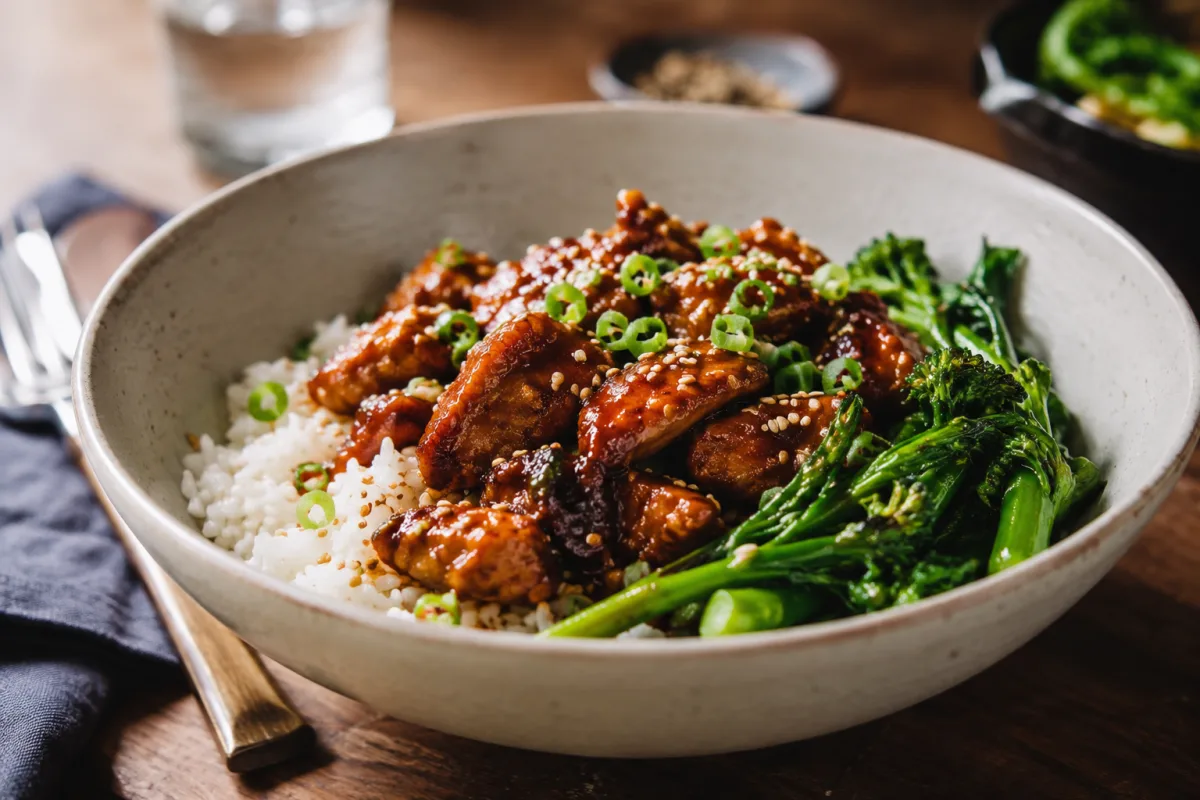
Steamed rice is the easiest base. Brown rice, noodles, cabbage, broccoli, snap peas, carrots, and cucumbers also work. A cool side helps if the sauce is spicy. Livecub's asparagus rolls recipe can fill out a table when you want a green side that feels more planned than plain vegetables.
If you want a larger Asian-style dinner, Livecub's Chinese fried chicken wings and Asian seasoning mix are close matches from the CMS link pool. Keep the total menu balanced; spicy chicken plus spicy wings can be a lot.
Easy Swaps
Chicken thighs stay juicier than breast and are forgiving in a hot pan. Thin pork slices or beef strips can work, but cooking times change. For a lighter version, use less sugar and more vinegar. For a saucier bowl, double the water and cornstarch mixture, not the soy sauce.
Vegetables can go in the pan after the chicken comes out. Bell pepper, green beans, mushrooms, and broccoli florets work well if cut small. Cook vegetables until crisp-tender before the chicken returns.
Fix The Sauce If It Goes Off Track
If the sauce tastes too salty, add a splash of water, a teaspoon of vinegar, and a little sugar. If it tastes too sweet, add vinegar or mustard. If it is too hot, add plain rice, cucumbers, or a little extra teriyaki sauce at the table instead of trying to dilute the whole pan.
If the sauce burns, do not scrape the dark bits into the food. Move the chicken to a clean pan and add a fresh small batch of sauce. Burnt garlic and sugar can take over the dish fast, and rescuing the pan is rarely worth the flavor.
Prep Ahead For A Weeknight
Cut the onion, mix the sauce, and portion the chicken earlier in the day. Keep raw chicken covered in the refrigerator and store the sauce separately unless you plan to cook soon. Rice can also be cooked ahead, cooled quickly, and reheated safely.
For the fastest dinner, set out toppings while the pan heats: sliced scallions, sesame seeds, cucumber, lime, or steamed vegetables. The cooking itself should take less than 15 minutes once everything is ready.
How To Store Leftovers
Cool leftovers quickly in shallow containers. The USDA leftovers guide says perishable food should be refrigerated within 2 hours after cooking or after it leaves a warmer. Reheat leftovers until steaming hot.
Fire cracker chicken keeps best when stored separately from rice. Rice absorbs sauce and can turn dense overnight. Pack chicken, rice, and fresh toppings in separate containers if you are planning lunches.
Make It For A Crowd
For a party, cook the chicken in batches and hold it warm in a covered pan only after it has reached a safe temperature. Do not keep adding raw chicken to a sauce that already touched cooked chicken. For a mixed dinner, Livecub's Yugoslavian chicken recipe and Philippines corned beef recipe offer different flavor lanes without leaving the recipe category.
If guests vary in spice tolerance, keep extra sriracha, chili crisp, or crushed pepper on the side. The base dish can be medium, and heat lovers can build their own plate.
Frequently Asked Questions
Can I make fire cracker chicken less spicy?
Yes. Use 1 tablespoon sriracha, skip extra crushed red pepper, and add heat at the table for people who want it.
Can I use frozen chicken?
Yes, but thaw it safely in the refrigerator first. Pat it dry before cutting so it sears instead of steaming.
Does this recipe need a wok?
No. A large skillet works well. The key is cooking in batches and keeping the pan hot.
Can I make the sauce ahead?
Yes. Mix the sauce up to 3 days ahead and refrigerate it. Stir before using because cornstarch settles.
What temperature should chicken reach?
Cook poultry to 165 degrees F, checked in the thickest piece with a food thermometer.
The Best Way To Cook It
Fire cracker chicken works because the steps are simple: prep first, sauce in a bowl, chicken in batches, onion for sweetness, sauce at the end, and thermometer check before serving. Keep the heat lively, keep the pan uncrowded, and the dish lands spicy, glossy, and weeknight-friendly.

Chiara Bradshaw
Covers education, culture and creative topics with an emphasis on readable explanations and verifiable references.



Leave a reply
Replying to