
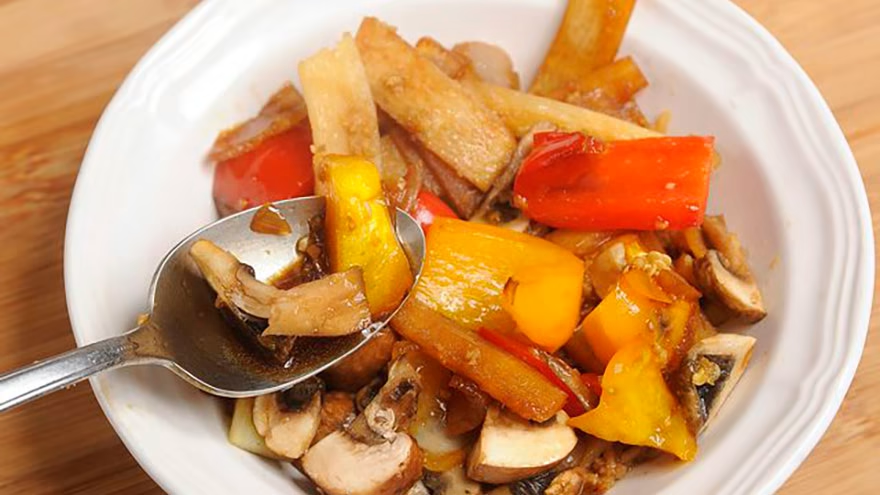
Teriyaki Chicken Rice Bowls Work Because the Parts Stay Separate
Teriyaki chicken rice bowls are easy to make badly when everything is cooked together until the rice is sticky, the vegetables are dull, and the sauce turns salty. The better method is simple: cook the rice, brown the chicken, simmer a balanced sauce, then assemble the bowl so each part keeps its texture.
The flavor should be sweet, salty, savory, and a little sharp from ginger or garlic. The chicken should be glazed, not boiled in sauce. The vegetables should still have bite.
The bowl tastes better when the sauce is treated like a glaze, not soup.
What Ingredients Do You Need?
Use boneless chicken thighs for the easiest texture, or chicken breast if you prefer leaner meat. Thighs tolerate high heat and reheating better. Breast cooks faster but dries out if left too long in the pan.
For four bowls, a good starting point is 1 1/2 pounds of chicken, 3 cups cooked rice, 2 to 3 cups vegetables, and about 3/4 cup sauce. The sauce can be adjusted after tasting.
If you are cooking for children or for lunches, cut the chicken slightly smaller and keep the sauce milder. You can add chili crisp, sriracha, or extra ginger at the table for adults who want more heat.
The sauce needs soy sauce, mirin or a little rice vinegar, brown sugar or honey, garlic, ginger, and water or broth. A small cornstarch slurry can thicken it quickly. If you like deeper flavor, add a spoon of sake or a few drops of toasted sesame oil at the end.
If you keep spice blends nearby, a homemade mix can help with weeknight cooking. Livecub's guide to making your own Asian seasoning mix is useful if you want ginger, garlic, sesame, and chili flavors ready without opening six jars.
How Do You Cook the Rice So It Holds Up?
Fresh rice should be fluffy, not wet. Rinse long-grain or jasmine rice until the water is less cloudy, then cook with the right water ratio for your pot or rice cooker. Let it rest covered for 10 minutes before fluffing.
Leftover rice can work well because the grains are drier, but it needs safe handling. USDA's leftovers and food safety guidance explains the two-hour rule and the danger zone between 40 F and 140 F, where bacteria can multiply quickly.
Cool rice quickly in shallow containers if you are meal prepping. Do not leave a rice cooker sitting warm on the counter for half the evening. Reheat rice until steaming hot and discard leftovers that sat out too long.
Spread hot rice in a shallow container before refrigerating. A deep container cools slowly in the center, which is exactly where food safety problems can start.
Rice safety is mostly storage safety. Reheating cannot fix toxins that may form after poor cooling.
How Should You Cook the Chicken?
Cut the chicken into even bite-size pieces so it cooks at the same speed. Pat it dry before seasoning. Moisture on the surface causes steaming, and steaming prevents the browned edges that make the bowl taste fuller.
Heat a skillet or wok until the oil shimmers, then cook the chicken in one layer. If the pan is crowded, cook in batches. Leave the pieces alone for a minute or two before stirring so they can brown.
USDA's safe temperature chart lists 165 F as the safe minimum internal temperature for poultry. Use a food thermometer, especially with chicken breast or larger pieces.
Once the chicken is cooked, add the sauce and simmer briefly. The sauce should coat the chicken and leave a shiny trail in the pan. If it becomes too thick, add a spoon of water. If it is too thin, simmer a little longer.
Pull the pan off the heat before the glaze burns. Sugar moves from glossy to bitter quickly, especially in a thin wok or skillet.
How Do You Balance Teriyaki Sauce?
Start with a 2:1:1 idea: two parts soy sauce, one part mirin or mild acid, one part sugar or honey. Then adjust. If it tastes flat, add ginger or a small splash of vinegar. If it tastes harsh, add water. If it tastes too sweet, add soy sauce in small amounts.
Soy sauce can bring a lot of sodium. The FDA's sodium guidance notes that the Dietary Guidelines recommend adults limit sodium intake to less than 2,300 mg per day. Low-sodium soy sauce can help, but taste as you go.
Garlic and ginger should be fresh when possible. Jarred versions work, but they can taste dull in a short sauce. A little grated ginger gives brightness without adding more salt.
If the sauce tastes too sharp, simmer it for another minute. If it tastes flat, add a splash of acid or a pinch of sugar. Adjust in small steps because soy sauce and sugar are hard to remove.
Taste before thickening. Once cornstarch tightens the sauce, adjustments spread less evenly and the glaze can turn gummy if you keep stirring in extra ingredients.
Do not reduce the sauce until it tastes like candy. Teriyaki should cling to the chicken, not overwhelm the rice.
Which Vegetables Work Best?
Use vegetables that cook quickly or can be prepped ahead: broccoli florets, carrots, snap peas, bell peppers, cabbage, mushrooms, zucchini, green onions, edamame, or asparagus. Cut them evenly so the bowl feels deliberate.
Cook vegetables separately if you care about texture. A quick stir-fry with a pinch of salt keeps them brighter than simmering them in teriyaki sauce. You can also steam broccoli or use leftover roasted vegetables.
For a spring side or bowl add-in, asparagus rolls can inspire a lighter vegetable direction. For a bigger dinner spread, crispy chicken wings from Chinese fried chicken wing ideas can sit beside the bowls, though the rice bowl is already filling.
Finish with sesame seeds, sliced scallions, cucumber, pickled ginger, or a small drizzle of chili crisp. Keep toppings light so the bowl does not become salty and heavy.
How Do You Assemble and Store the Bowls?
Start with rice, add vegetables on one side, spoon glazed chicken over the top, and drizzle a little extra sauce only where needed. Separate sections look better and let people mix as much as they want.
For meal prep, store rice, chicken, and vegetables in shallow containers and refrigerate promptly. Keep crunchy toppings separate until serving. Cooked chicken and rice bowls are best within a few days when cooled and stored correctly.
Label containers with the day they were cooked. This sounds fussy until Wednesday's lunch looks exactly like Sunday's dinner and nobody remembers which batch it is.
If packing for lunch, keep cucumber, scallions, sesame seeds, and spicy toppings separate. Fresh toppings make reheated rice bowls taste cooked today instead of revived from the back of the fridge.
For a saucier bowl, pack extra sauce in a small container and add it after heating. Rice absorbs sauce overnight, so a bowl that looked glossy on Sunday may seem dry by Tuesday.
If reheating at work, add a spoon of water before microwaving rice. Cover loosely to steam, then stir halfway through. Add fresh scallions or cucumber after heating so the bowl does not taste flat.
For a different rice-centered dinner later in the week, a recipe like Philippines corned beef can use similar pantry planning while changing the flavor profile completely.
Frequently Asked Questions
Can I use chicken breast instead of thighs?
Yes. Cut breast into even pieces and use a thermometer. Remove it from heat once it reaches 165 F so it does not dry out.
Can I make teriyaki chicken rice bowls ahead?
Yes. Cool the rice and chicken quickly, store in shallow containers, and keep toppings separate. Reheat until steaming hot.
What rice is best for teriyaki bowls?
Jasmine, medium-grain white rice, brown rice, or sushi rice can all work. Choose fluffy rice if you want a lighter bowl and stickier rice if you like compact bites.
How do I thicken teriyaki sauce?
Simmer it briefly or add a small cornstarch slurry. Add slurry slowly because the sauce thickens fast once it boils.
How can I make the bowl less salty?
Use low-sodium soy sauce, dilute the sauce with water or broth, add more rice and vegetables, and avoid salty toppings.
Keep the Bowl Simple and Hot
The best teriyaki bowl is not complicated. Cook safe chicken, keep the rice fluffy, glaze instead of drowning, and add vegetables that still taste like themselves.

Chiara Bradshaw
Covers education, culture and creative topics with an emphasis on readable explanations and verifiable references.


Leave a reply
Replying to