

Food Journal Analysis means reviewing a food log for patterns, not judging every bite. The goal is to turn entries into useful questions and small changes.
This is general nutrition education. If food tracking increases restriction, binge eating, body checking, anxiety, or guilt, stop and work with a clinician or registered dietitian.
Check Completeness
Before analyzing, ask whether the log includes enough days, weekends, drinks, snacks, and notes to show real life. A two-day log may show clues but not a stable pattern.
The American Heart Association suggests tracking what you ate, times, portion sizes, what you were doing, and how you were feeling. See AHA's food diary guidance.
Look At Timing
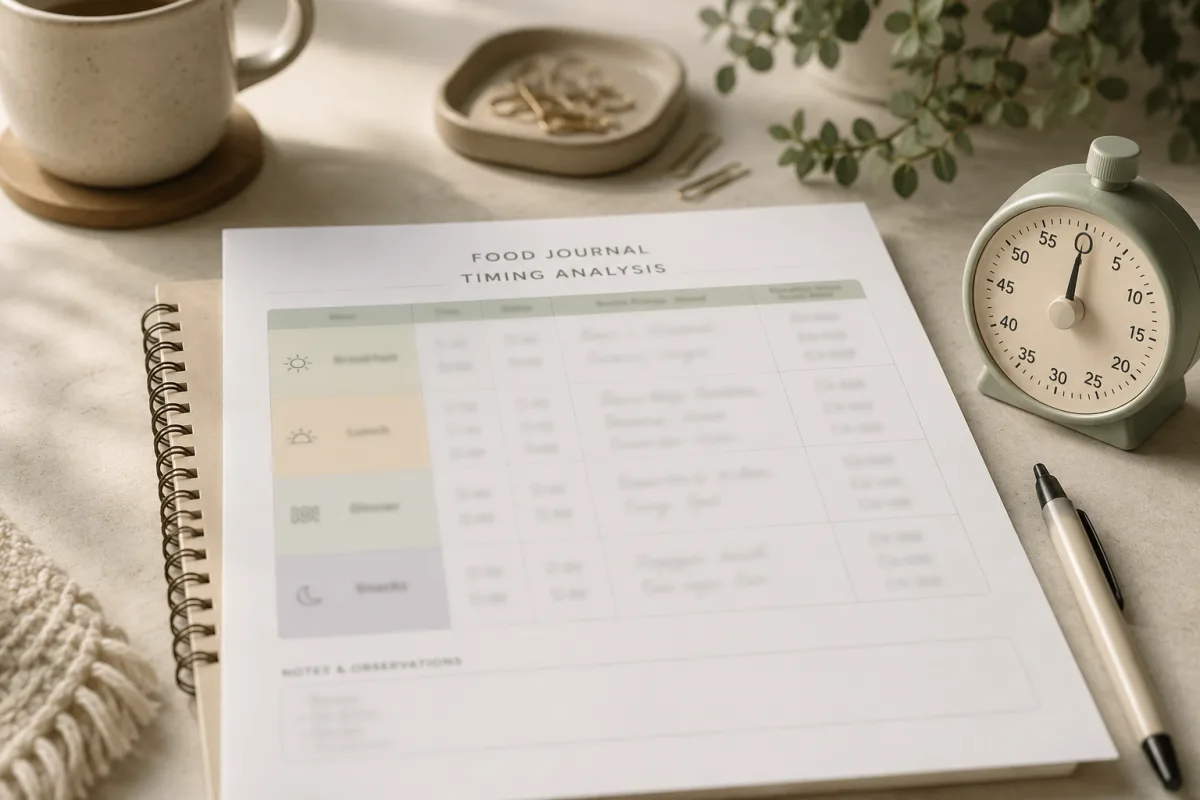
Meal timing can reveal long gaps, late-night grazing, skipped breakfast, or afternoon energy dips. Do not assume the problem is willpower.
If the hardest time is predictable, plan a snack, easier meal, or different routine before that time arrives.
Look At Balance
Balance means asking whether meals include protein, fiber-rich carbohydrate, fat, and produce often enough for your needs.
CDC healthy eating tips emphasize vegetables, fruits, protein foods, dairy without added sugars, healthy fats, and whole grains: CDC healthy eating.
Portions Without Obsession
Portion notes can help, but exact weighing is not necessary for everyone. Use rough descriptions if measuring increases stress.
A useful analysis says lunch was too small to hold me, not I was bad at lunch.
Hunger And Fullness
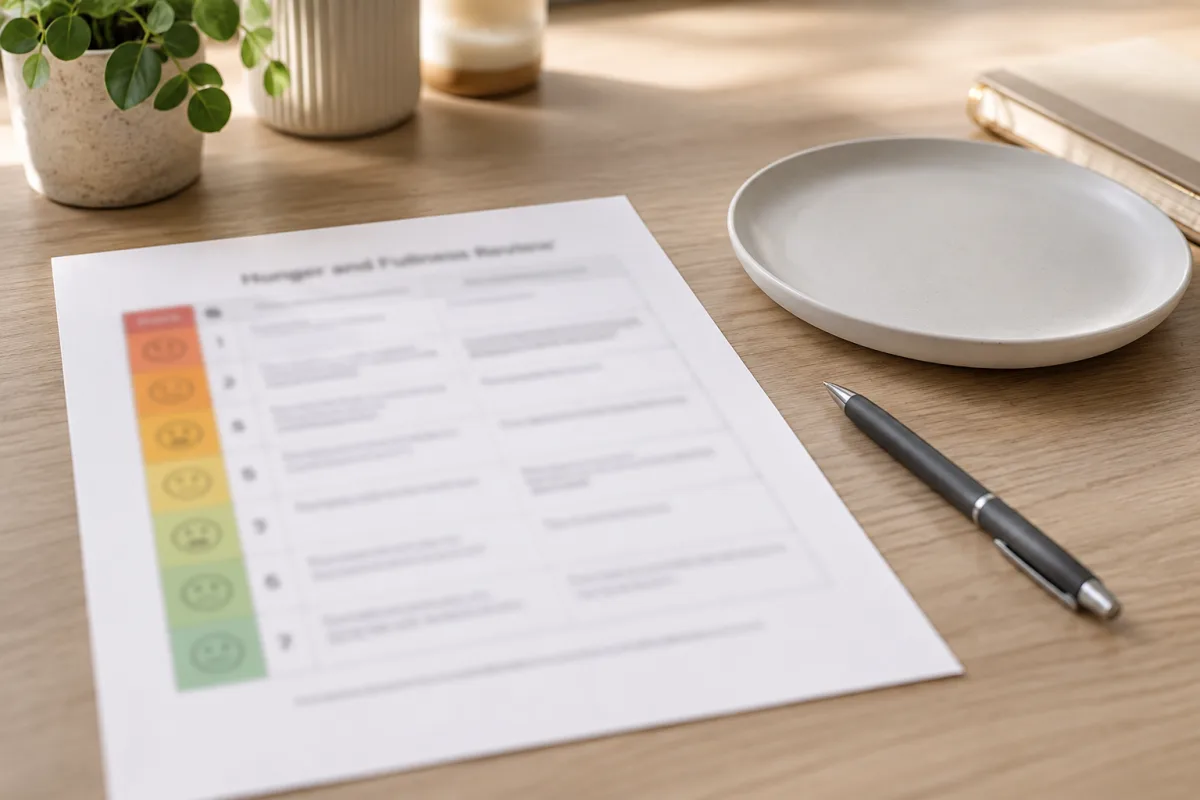
Compare hunger before meals with fullness after meals. Patterns may show under-eating early, eating past comfort at night, or meals that lack staying power.
Use the data to adjust meal timing or composition, not to shame appetite.
Mood And Context
Mood notes can show eating while stressed, lonely, rushed, bored, or celebrating. Context matters because food choices often solve a short-term need.
Livecub's stage fright guide is a separate topic, but it uses the same idea of noticing the feelings around a behavior.
Symptoms
For symptoms, look for repeated timing rather than one dramatic meal. Record sleep, stress, medication, menstrual cycle, illness, and alcohol or caffeine if relevant.
Bring the log to a clinician for persistent digestive symptoms, allergic-type reactions, blood, weight loss, or severe pain.
Budget And Planning
Food journal analysis can reveal spending patterns: takeout after late meetings, wasted produce, or missing breakfast food.
Livecub's pasta substitute guide and Yugoslavian chicken recipe may help if you need lower-effort meal ideas.
Compare Weekdays And Weekends
Weekends may have different sleep, alcohol, social meals, or grocery access. That does not make them failures; it makes them part of the pattern.
Plan for weekends instead of pretending they should look like weekdays.
One Change Rule

Choose one change from the analysis: add breakfast protein, pack a snack, drink water earlier, prep one dinner, or stop skipping lunch.
Too many changes can turn a useful log into another abandoned project.
When To Use A Professional
A registered dietitian can help analyze food journals for diabetes, kidney disease, gastrointestinal symptoms, sports nutrition, pregnancy, eating disorders, and weight concerns.
NIDDK notes that food diaries can help people track meals and discover changes that support health goals: NIDDK healthy living tips.
Keep Or Stop
After analysis, decide whether to keep journaling, switch to a lighter version, or stop. Long-term tracking is not required for every person.
The journal has done its job if it teaches you something useful and supports safer choices.
Pattern Language
Use neutral language: often, sometimes, on workdays, after poor sleep, with long gaps, or after late meetings. Avoid labels like good and bad.
Neutral language makes the analysis easier to act on.
Data Gaps
If a section is always blank, ask why. Maybe snacks are forgotten, portions feel stressful, or evening entries happen too late.
The missing data is also information about what kind of journal is realistic.
Maintenance Plan
After one change works, decide how to maintain it. Put the snack on the grocery list, set a reminder, or prep the meal twice a week.
A pattern only changes when the new choice becomes easier to repeat.
Start With One Question
Analyze with one question at a time: Why am I hungry at night? Which meals keep me full? What triggers reflux? Where does takeout happen?
A focused question prevents the review from becoming a full audit of your life.
Meal Satisfaction
Satisfaction matters. A meal can be balanced on paper and still leave you hunting for something else if texture, flavor, or portion do not work.
Add satisfaction notes so the plan fits a human appetite, not only a spreadsheet.
Protein And Fiber
Many journals reveal low protein or low fiber at breakfast and lunch. That can affect fullness later in the day.
Do not overhaul everything. Try one meal with more protein, beans, lentils, yogurt, eggs, nuts, vegetables, fruit, or whole grains if those fit your needs.
Caffeine And Alcohol
Caffeine and alcohol can affect sleep, anxiety, reflux, appetite, and hydration. Track timing and amount if those symptoms are part of the question.
The goal is not automatic elimination. The goal is seeing whether timing or amount connects to the pattern.
Eating Speed
Fast meals may show up during work, caregiving, or stress. Speed can affect fullness cues and digestion for some people.
A realistic change might be sitting down for the first five minutes or packing a meal that can be eaten without rushing.
Follow-Up Review
After trying one change for a week, review again. Did the change help, create a new problem, or need adjustment?
Food journal analysis works best as a loop: observe, choose, try, review, and adjust.
Strengths First
Start analysis by finding what already works: regular breakfast, enough water, family dinners, fruit at lunch, or fewer skipped meals.
Strengths are not fluff. They show what can be repeated.
Hardest Time Of Day
Find the hardest time of day. Many patterns cluster around late afternoon, after work, after kids go to bed, or before grocery day.
Solve that window first. One targeted change often helps more than vague all-day effort.
Environment Clues
Look at where eating happens: car, desk, couch, kitchen counter, bed, or standing at the fridge. Place can explain speed and portions.
A place change may be easier than a food rule.
Shopping Patterns
If the journal shows the same missing foods every week, the issue may be shopping, not motivation. Add those foods to a standing list.
If fresh food keeps spoiling, buy smaller amounts, frozen options, or easier prep.
When Not To Analyze
Do not analyze during a shame spiral, after a binge, or when hungry and tired. Wait until the body is steadier.
Analysis should help you make a plan, not punish you while you are vulnerable.
Use A Highlighter
Use one color for patterns that help and another for patterns that create problems. Visual review is faster than rereading every line.
Highlighting also shows that the journal contains useful choices, not only problems.
Ask What Was Missing
Sometimes the key is not what was eaten but what was missing: protein, fiber, water, time, groceries, sleep, or a real lunch break.
Missing pieces are easier to add than trying to remove everything that feels imperfect.
Share Selectively
If you share the journal with a clinician, partner, or coach, share only what supports the goal. You do not owe everyone access to private food notes.
Selective sharing protects honesty and reduces shame.
Close The Loop
Write the next step at the bottom of the review: buy yogurt, prep beans, pack snack, call dietitian, or stop tracking for now.
A review without a next step often becomes rumination instead of planning for real meals.
The next step should be small enough to try this week, starting today.
Frequently Asked Questions
How do I analyze a food journal?
Look for timing, balance, hunger, mood, symptoms, portions, weekends, and one change to try.
How many days should I track?
Several typical days, including at least one weekend day, usually show more than a single day.
Should I count calories?
Only if it fits your goal and does not create anxiety or disordered eating patterns.
What if my journal shows emotional eating?
Treat it as information about stress, needs, and routines, not as a character flaw.
When should I ask a dietitian?
Ask for help with medical conditions, symptoms, pregnancy, sports needs, eating disorder history, or confusing patterns.
Food journal analysis should turn notes into one realistic next step. The best review is practical, kind, and honest enough to use.

Chiara Bradshaw
Covers education, culture and creative topics with an emphasis on readable explanations and verifiable references.




Leave a reply
Replying to