
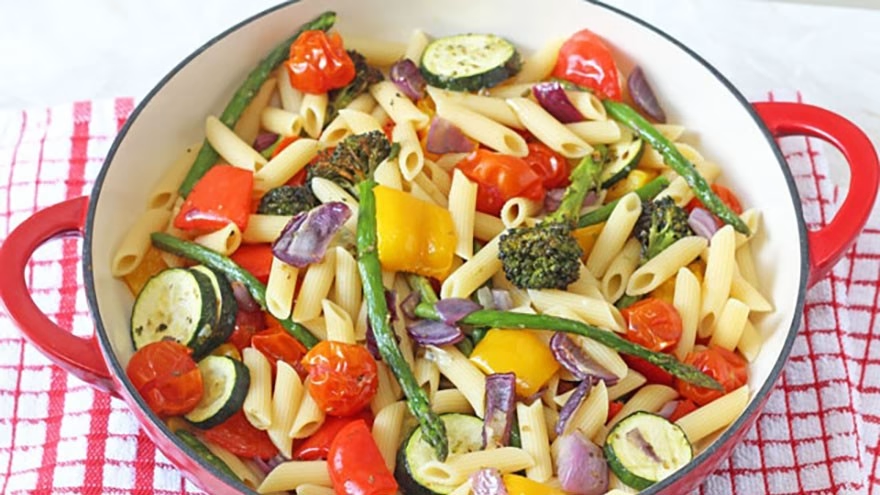
Pasta substitutes are often sold as if one swap can solve everything: fewer carbs, more protein, gluten-free eating, weight control, better blood sugar, more vegetables, and a dinner that still tastes like spaghetti night. Real kitchens are not that tidy. Zucchini noodles are fresh and fast but watery if overcooked. Chickpea pasta brings more protein but can turn mushy. Spaghetti squash looks like strands but eats like a vegetable. Whole grain pasta is still pasta, just with a better grain profile than refined white noodles.
The useful question is not "Which pasta substitute is best?" It is "What do I need this bowl to do?" A lower-carbohydrate dinner, a higher-fiber meal, a gluten-free dish, and a comfort-food plate for a tired weeknight may all point to different choices. If you are changing pasta because of blood sugar, kidney disease, pregnancy nutrition, digestive symptoms, celiac disease, or medication advice, treat this as food education and bring your specific plan to a clinician or registered dietitian.
A simple way to learn what actually works for your body is to track meals for a few weeks. The notes do not need to be obsessive: noodle type, portion, sauce, protein, vegetables, hunger later, and any symptoms. That is the same practical value behind writing a food journal; patterns are easier to see when they are not floating around in memory.
Start with the reason you want a pasta substitute
If the goal is lower carbohydrate intake, vegetable noodles and spaghetti squash usually make more sense than bean pasta. If the goal is more protein and fiber, bean or lentil pasta may be a better fit. If the goal is a less processed grain, whole wheat pasta, soba made mostly from buckwheat, or another whole grain noodle may be closer to what you want than a spiralized vegetable.
The American Diabetes Association's Diabetes Food Hub notes that carbohydrates have the biggest impact on blood glucose and suggests non-starchy vegetables or vegetable-based alternatives as one way to cut back on higher-carb foods such as pasta. That does not mean everyone needs to avoid pasta. It means the base of the bowl changes the nutrition math.
Whole grain choices still matter. The Harvard T.H. Chan School of Public Health explains that whole grains keep the bran, germ, and endosperm, and that replacing refined grains with whole grains is linked with better cardiometabolic patterns in many studies. For someone who loves regular pasta, a measured portion of whole grain pasta with vegetables and protein may be more sustainable than forcing down a substitute they hate.
Texture should be part of the decision. Pasta is chewy because wheat gluten and starch create structure. Many substitutes do not recreate that exact bite. They can still be good food, but they are better when used honestly. Zucchini noodles should taste like zucchini in sauce, not fake spaghetti. Chickpea pasta should taste a little nutty, not invisible.
Vegetable noodles: zucchini, squash, cabbage, and hearts of palm
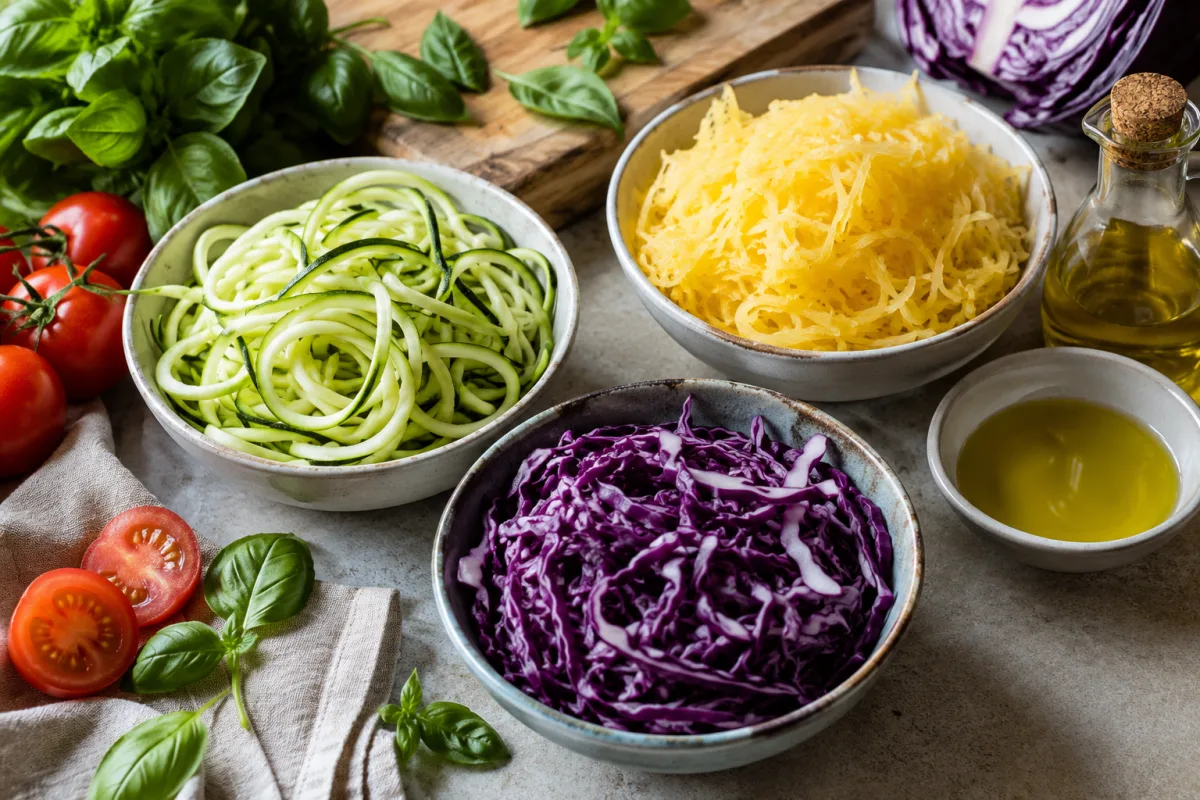
Vegetable noodles are best when you want a lighter bowl and a larger volume of food. Zucchini, yellow squash, cabbage ribbons, carrot ribbons, and hearts of palm all carry sauce, but they behave differently. Zucchini releases water quickly. Cabbage softens slowly and works well with stir-fry flavors. Hearts of palm has a mild, briny edge and needs rinsing if the packed liquid tastes strong.
Do not boil most vegetable noodles. Boiling turns them limp and wet. Saute them briefly in a wide skillet, salt lightly after some moisture has cooked off, and sauce them at the end. For zucchini noodles, one to two minutes in a hot pan is often enough. For cabbage ribbons, give them more time so the raw edge softens but the strips still have bite.
Spaghetti squash is its own category. Roast it until the flesh pulls into strands, then season the strands before adding sauce. It is not chewy like pasta, but it is satisfying with chunky tomato sauce, meat sauce, pesto, or roasted vegetables. The best bowls use sauce that clings, not a thin watery sauce that runs to the bottom.
Vegetable bases can be especially useful when cooking for older relatives who need familiar meals with gentle changes. A half-and-half bowl, part whole grain pasta and part vegetables, may be easier to accept than a sudden replacement. Food changes often work better with the same patience used in motivating older adults: keep the routine recognizable and change one thing at a time.
Bean and lentil pastas: protein, fiber, and a different bite
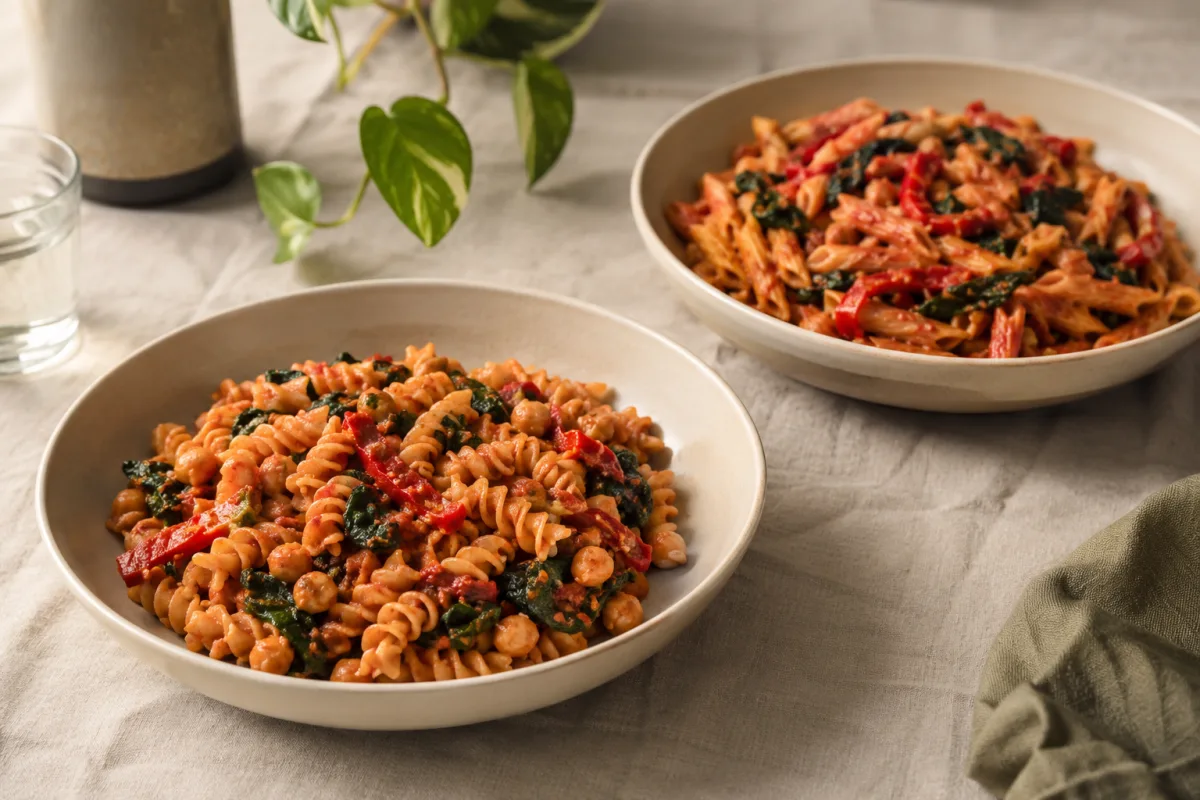
Bean-based pastas are made from ingredients such as chickpea, red lentil, black bean, or soybean flour. They are popular because they often contain more protein and fiber than traditional refined pasta. Cleveland Clinic notes that bean pastas can offer more protein, fiber, and iron than standard spaghetti, while also reminding readers that the whole dish still matters.
The cooking window is shorter than many packages suggest. Start checking two minutes early. Drain when the pasta still has a firm center, then finish it in the sauce for a minute. Rinse only if the brand turns foamy or gummy; otherwise, a little starch helps sauce cling. Bean pasta can go from firm to paste-like quickly, especially in soup.
Pair bean pasta with bold sauces. Tomato sauce, garlic, olive oil, roasted peppers, pesto, lemon, herbs, and browned vegetables can handle its earthy flavor. Mild cream sauce sometimes makes the bean taste more obvious. If the pasta tastes too strong, use a half portion mixed with vegetables or regular pasta rather than throwing out the whole category.
For people watching blood sugar, bean pasta is not automatically "free." It still contains carbohydrates, and portions still matter. Protein and fiber may help with fullness and glucose response, but individual reactions differ. If you monitor glucose, compare the same meal structure with different noodle bases and write down what happens.
Whole grain, soba, rice noodles, and gluten-free pasta
Whole grain pasta is the closest substitute for people who want a familiar shape and sauce experience. Look for whole wheat or another whole grain as the first ingredient. The texture is nuttier and slightly firmer than refined pasta. It works well with tomato sauce, greens, olive oil, tuna, beans, roasted vegetables, and simple meat sauces.
Soba can be a good choice if it is made mostly from buckwheat, but many soba noodles also contain wheat. Read labels carefully if gluten is an issue. Buckwheat has a distinct flavor that fits sesame, soy sauce, scallions, mushrooms, broth, and cold noodle salads better than heavy Italian-style cream sauces.
Rice noodles are useful for stir-fries and soups, but they are not automatically more nutritious than wheat pasta. They can be low in fiber unless the meal includes vegetables, protein, and sauce with some fat. Use them where they belong: pad Thai-style dishes, brothy bowls, cold salads, or quick skillet meals.
Gluten-free pasta varies widely. Corn and rice blends are often mild and pasta-like, but they can be lower in fiber. Quinoa, chickpea, lentil, and brown rice blends may add more nutrition but stronger flavor. For celiac disease, choose certified gluten-free products and avoid shared cooking water, shared colanders, and flour-contaminated surfaces.
How to build a satisfying pasta-substitute bowl
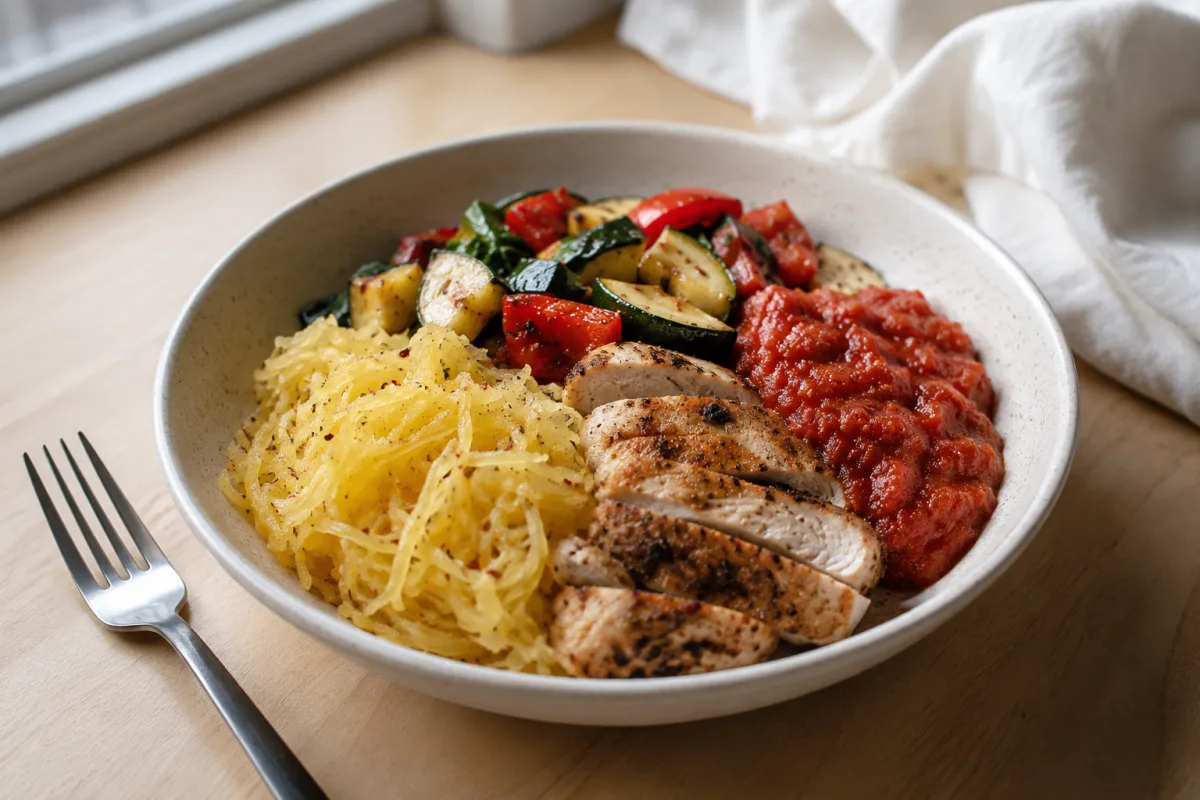
A good substitute bowl has four parts: a base, a protein, vegetables, and a sauce that fits the base. If the base is low in calories, add protein and healthy fat so the meal does not leave you hungry an hour later. If the base is bean pasta, add non-starchy vegetables for freshness. If the base is whole grain pasta, keep the portion moderate and bulk the bowl with vegetables.
Sauce thickness matters. Watery vegetable noodles need a thicker sauce. Bean pasta works with sauces that have acid and herbs. Whole grain pasta handles chunky vegetables and broth-based sauces. Rice noodles need sauce that coats quickly because they keep absorbing liquid as they sit.
Do not make the swap harder than it needs to be. A weeknight bowl can be half spaghetti squash and half regular pasta. A lunch salad can use lentil pasta because it holds up cold. A stir-fry can use cabbage ribbons with the same sauce you would use for noodles. The best substitute is the one you will cook again without feeling punished.
Parents and caregivers often reach for pasta because it is fast and low-conflict. If burnout is part of the reason you need easier meals, a perfect noodle swap is not the real goal. A freezer-friendly sauce, prewashed vegetables, and a flexible base can help on the same nights when parental burnout makes dinner feel bigger than it is.
Common mistakes that make substitutes disappointing
The first mistake is expecting every substitute to behave like wheat pasta. A spiralized zucchini dinner will not twirl, chew, or reheat like spaghetti. If you judge it by spaghetti rules, it loses before dinner starts. Judge it as a vegetable bowl with sauce.
The second mistake is skipping seasoning. Vegetables need salt, acid, herbs, and fat. Bean pasta needs sauce with enough flavor to meet it. Whole grain pasta benefits from finishing in the sauce so the grainy edge settles down. If a substitute tastes bland, the noodle may not be the only problem.
The third mistake is changing too much at once. If you replace the noodle, sauce, protein, and portion size in the same meal, you will not know which part failed. Keep the sauce familiar the first time. Then adjust the base. Then adjust the ratio.
This article is general nutrition information and is not medical advice. If you have diabetes, kidney disease, celiac disease, pregnancy-related nutrition concerns, food allergies, or a prescribed diet, ask a qualified health professional how pasta substitutes fit your needs.
Pasta substitutes work best when they are chosen for a job. Use vegetables for lighter bowls, bean pasta for protein and fiber, whole grain pasta for a familiar upgrade, and gluten-free pasta when gluten avoidance is medically or personally necessary. Dinner gets easier once the substitute stops pretending to be everything at once.
Frequently Asked Questions
What is the healthiest pasta substitute?
It depends on your goal. Vegetable noodles are often lower in carbohydrates, bean pastas usually bring more protein and fiber, and whole grain pasta keeps a familiar texture with a better grain profile.
Are zucchini noodles good for meal prep?
They are best cooked fresh because they release water after salting and heating. If prepping ahead, spiralize and store them raw, then cook quickly before eating.
Does chickpea pasta taste like regular pasta?
Not exactly. It has a mild bean or nutty flavor and a shorter cooking window. Strong sauces, vegetables, and careful cooking help it taste balanced.
Can pasta substitutes help with blood sugar?
Some may help by changing carbohydrate amount, fiber, protein, or portion size, but individual response varies. People with diabetes should use their care plan and monitor personal results.
Is gluten-free pasta always healthier?
No. Gluten-free only means it avoids gluten. Some versions are low in fiber or mostly refined starch, so read labels and build the full meal with protein and vegetables.

Chiara Bradshaw
Covers education, culture and creative topics with an emphasis on readable explanations and verifiable references.




1 Comment
Join the discussion. Comments are moderated before appearing.