
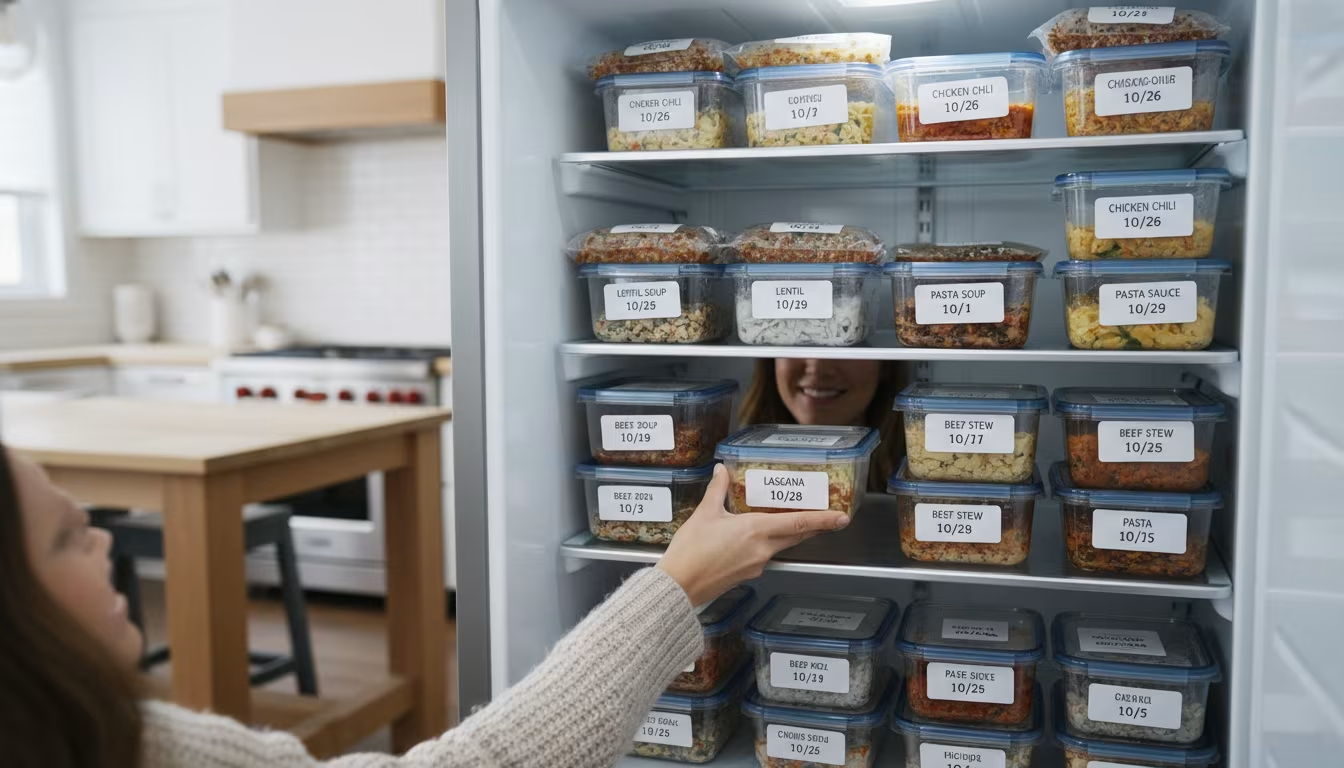
Freezer Meals Start With a Real Weeknight Plan
A freezer packed with food nobody actually wants on Wednesday is not meal prep — it is delayed clutter with frost on it. The method only pays off when the meals match your real week, so start with three dinners rather than twelve: one soup or stew, one casserole or baked dish, and one flexible protein that can become bowls, wraps, pasta, or rice depending on the night. The freezer should make dinner easier, not turn Sunday into a second full-time job.
Cooking three things well and freezing them in usable portions beats cooking a dozen ambitious recipes you never reach for. Once the habit is working and you know which meals your family reheats happily, you can expand. The early wins come from choosing meals that freeze reliably and labeling them clearly, not from filling every shelf.
Pick Meals That Freeze Well
The best freezer meals have moisture, sauce, or enough fat to survive reheating. Chili, meat sauce, shredded chicken, lentil soup, enchiladas, curry, cooked beans, meatballs, and breakfast burritos all handle the freezer far better than delicate salads or anything fried and crisp. Cream sauces, watery vegetables, and crunchy toppings tend to change texture, so the smart move is to freeze the sturdy base and add the fragile parts fresh later.
Think about how the meal will actually leave the freezer. A dish that reheats into something close to its original self is worth repeating; a dish that turns grainy or watery is not, no matter how good it was on cooking day. Livecub's easy Yugoslavian chicken recipe is a good example of a base that portions well with rice, potatoes, or vegetables instead of being locked into one plate, which is exactly the flexibility a freezer rotation needs.
It helps to know which ingredients cause trouble so you can adjust rather than avoid a recipe entirely. Potatoes can turn grainy, so many cooks add them fresh at reheating instead of freezing them in a stew. Pasta softens into mush, so freezing the sauce and boiling noodles fresh works better. Raw lettuce, cucumber, and most fresh herbs collapse when thawed and belong on the plate at serving time. Once you learn these few patterns, almost any family dinner can be adapted into a freezer version by freezing the durable core and holding back the delicate finish.
Cook in a Smart Order
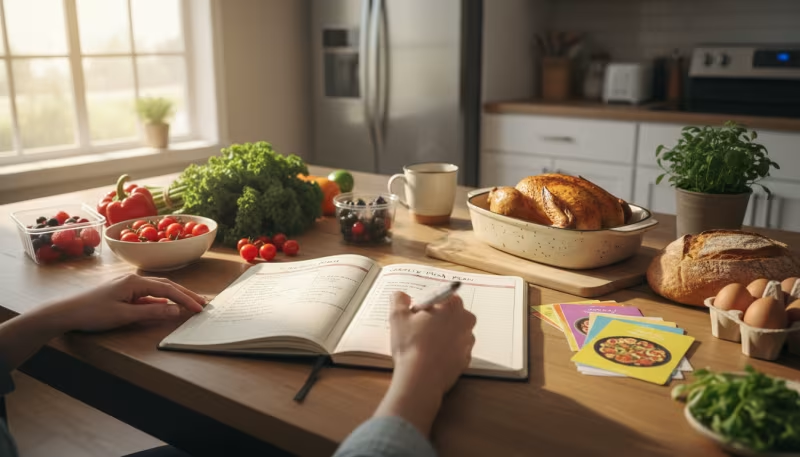
Choose recipes with overlapping ingredients. When onions, garlic, carrots, broth, rice, and chicken show up in several meals, prep moves faster and the grocery list stays sane. Plan one main cooking session and one smaller assembly session — simmer soup while rice cooks, roast vegetables while chicken cools, then build burritos once the hot food is safely chilled. Batch cooking is easiest when every ingredient has more than one job.
Start with the food that takes longest to cook and cool, since beans, stews, braised meat, and big pans of roasted vegetables can run in the background while you handle quicker items. Then move to rice, pasta, tortillas, sauces, and toppings. Write the order on paper before you begin; a short list prevents the classic mistake of crowding the stove with four dishes that all demand attention at the same minute. Keep raw meat prep separate from finished food, and wash boards, knives, and counters before you start assembling cooled meals.
Cool and Store Safely Before Freezing
Freezing does not repair food that sat out too long, so the safety step happens before anything goes cold. Perishable food should be refrigerated within two hours, and shallow containers help it cool faster — a point that matters especially for freezer cooking, because large pots hold heat for a long time. Divide soup, chili, rice, and casseroles into smaller containers before chilling rather than sliding a deep, hot pot straight into the refrigerator.
Storage times are mostly about quality once food is frozen. FoodSafety.gov's cold food storage chart notes that food stays safe indefinitely when kept continuously frozen at 0 degrees F or below, but a forgotten container can still turn dry, icy, and bland. Aim to use most cooked freezer meals within a few months for the best texture, and write the dish, date, reheating note, and serving count on every package while you still remember what is inside.
Portion and Pack for Real Meals
Freeze a mix of family-size containers and single portions. Family containers rescue busy nights; single portions cover a solo lunch, feed one person after practice, or keep you from thawing more than you need. One giant frozen block is meal prep for nobody, because it forces an all-or-nothing decision every time.
Flat freezer bags are ideal for sauces, soups, and shredded meat, since they stack neatly and thaw quickly, while rigid containers protect casseroles, rice bowls, and anything you do not want crushed. Freezer burn is a quality problem more than a safety one, but it can still ruin a meal you worked to make. Cool food first, press extra air out of bags, and for casseroles lay a sheet of wrap right against the food before the lid. Freeze meatballs or pancakes on a tray until firm, then bag them so they do not clump into one solid mass.
Finish Fresh on Serving Day
The freezer should hold the slow part of dinner, not the whole thing. Fresh herbs, crunchy vegetables, lemon, yogurt, warm tortillas, cooked pasta, salad, and toasted nuts belong on serving day, added at the end. Freeze taco meat, not the assembled taco. Freeze lentil stew, then stir in fresh spinach while it reheats. Freeze meat sauce, then boil the pasta the night you eat it. A fresh finish is what makes freezer food taste like dinner instead of leftovers.
This system reaches beyond dinner, too. Breakfast burritos, cooked oatmeal cups, muffins, bean soup, and pulled chicken all freeze well and take pressure off mornings and packed lunches. Livecub's Philippines corned beef recipe makes a quick freezer-friendly filling with rice, eggs, or potatoes when you want a fast base rather than a full family casserole.
Smaller freezer portions are what make the system flexible instead of rigid. A single serving of stew covers the night one person eats late; a couple of frozen breakfast burritos rescue a rushed morning without cooking. When the freezer holds a range of sizes rather than only full family dinners, it stops being an all-or-nothing commitment and starts filling the odd gaps that actually derail a week — the late practice, the sick day, the evening nobody planned for.
Thaw and Reheat With a Plan
The practical rule for thawing is simple: keep cold food cold. Move most freezer meals to the refrigerator the night before so they thaw slowly and safely. If you need to speed it up, use the cold-water or microwave methods and cook or reheat promptly afterward. Do not thaw a casserole on the counter while you are at work, because the edges warm long before the center is ready, and that warm zone is exactly where problems start.
When you reheat, do it thoroughly. USDA's leftovers guidance advises reheating leftovers to 165 degrees F, and stirring soups, stews, rice dishes, and casseroles so cold spots do not hide in the middle. Add a splash of broth, water, or sauce if the dish looks dry, reheat gently enough to protect texture, and finish with something fresh if the meal needs lift. Labels are what make this easy on a tired night — write "thaw overnight, bake covered, uncover at end" or "reheat in a saucepan with broth" instead of trusting memory.
Keep a Freezer Map and Skip the Traps
A freezer inventory can be as plain as a taped note on the door listing the dish, date, and number of portions, crossed off as meals are used. Put older meals in front and newer ones behind, and group breakfasts, sauces, proteins, and full dinners into separate zones so you are not digging through frosted bags at 6 p.m. A freezer you can read is a freezer you will actually use.
A few traps sink most freezer-cooking attempts. Do not freeze five brand-new recipes in one day, because if the family dislikes two of them you have created a freezer full of obligation. Do not freeze food you already dislike fresh, since freezing never improves it. Do not skip labels, because mystery containers get ignored rather than eaten. And leave open space — a jammed freezer with no airflow becomes hard to use even when the food inside is good. After a few weeks, keep the meals people actually finished and quietly retire the ones that came back half-eaten. Pick your three best performers, cook a double batch this weekend, and let the freezer carry the hardest nights.
Frequently Asked Questions
What meals freeze best for a week of dinners?
Soups, stews, chili, meat sauce, cooked beans, shredded meat, casseroles, burritos, meatballs, and saucy grains usually freeze well.
How long can freezer meals stay frozen?
Food kept continuously frozen at 0 degrees F or below stays safe, but quality drops over time. Use labels and rotate meals within a few months when possible.
Should freezer meals be cooled before freezing?
Yes. Divide hot food into shallow containers and chill it safely before freezing so it cools faster and protects nearby food.
What should I write on freezer meal labels?
Write the dish name, date, portions, thawing note, reheating temperature if needed, and any fresh toppings to add later.

Timothy Davidson
Edits step-by-step general-interest guides for clarity, realistic limits and source verification.
Leave a reply
Replying to