
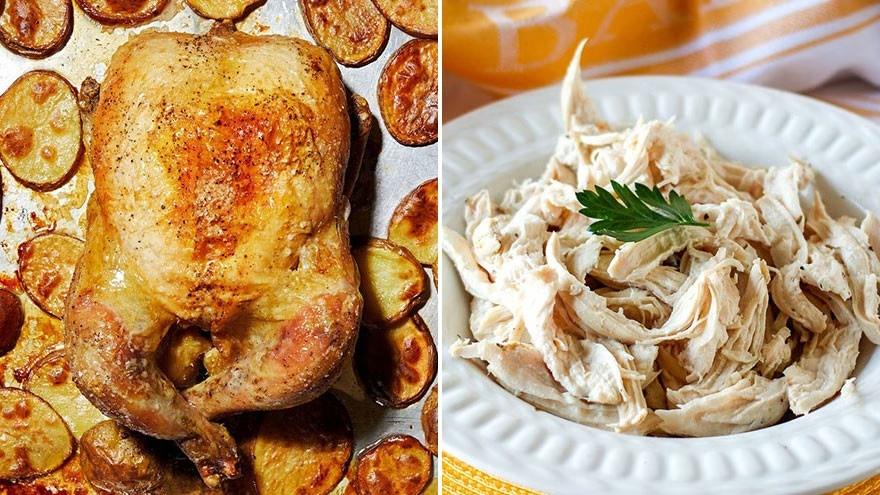
French chicken cooking is not one recipe. It is a way of getting more from the bird: crisp skin, rich pan juices, gentle braises, stock from bones, and leftovers that become another meal instead of a tired plate. These French ways to make the most of your chicken are practical enough for a weeknight and careful enough for a slower Sunday.
What does French chicken cooking do well?
French chicken dishes often treat the bird as a starting point, not a single event. The skin can be browned, the pan can become a sauce, the bones can become stock, and leftover meat can move into salads, gratins, soup, crepes, or sandwiches.
The best results usually come from building flavor in stages. Salt early if the recipe allows, dry the skin before browning, do not crowd the pan, and let the browned bits at the bottom become part of the sauce.
For a different poultry project, Livecub's guide to cooking goose is a useful contrast because fattier birds need a different plan.
Which chicken pieces should you choose?
Choose the piece by the method, not only by price. Bone-in thighs and drumsticks are forgiving in braises because they stay juicy while connective tissue softens. Breasts are leaner and need closer timing, especially if they are boneless.
Wings, backs, necks, and bones are not waste if you make stock. Skin can help protect meat during browning, but it needs a dry surface and enough room in the pan. The cut should match the heat, or the dish will fight you.
If you buy a whole chicken, consider cutting it into parts before cooking. The breast can be handled gently, the legs can cook longer, and the carcass can move straight into stock.
How do you start with a whole chicken?
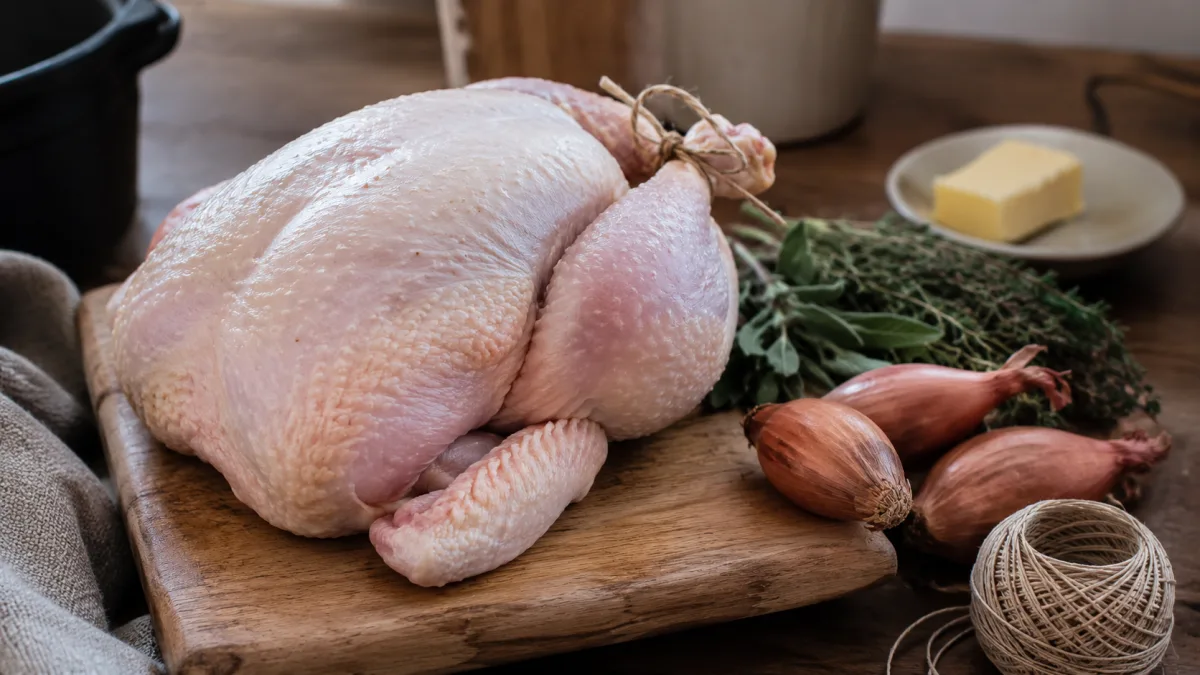
A whole chicken gives you several routes. Roast it whole for crisp skin, cut it into pieces for a braise, or poach it gently for broth and tender meat. If time is short, buy pieces and apply the same logic: brown, season, sauce, and save what is left.
Roast chicken
Dry the skin, season well, and give the bird enough heat for browning. Rest before carving so the juices settle.
Braised chicken
Brown the pieces first, then cook gently with wine, stock, herbs, mushrooms, onions, cream, tomatoes, or vinegar, depending on the direction you want.
Stock and soup
Save bones, wing tips, and scraps for stock. A small pot of stock can turn leftover meat into soup, rice, sauces, or a quick pan reduction.
What French methods work for weeknights?
Pan-roasting pieces is often faster than roasting a whole bird. Brown thighs or breasts, finish them gently, then use the pan for shallots, wine, stock, mustard, herbs, or cream. The meal feels deliberate without requiring a whole afternoon.
Another weeknight route is a light fricassee. Brown chicken lightly, add aromatics, cover with a modest amount of liquid, and simmer until tender. Finish with cream, herbs, lemon, or mustard only after the meat is cooked.
Keep the pan useful. If browned bits are dark but not burned, they are flavor waiting for liquid.
What pantry flavors make chicken taste French?
You do not need a crowded pantry. Shallots, garlic, thyme, bay, parsley, Dijon mustard, dry wine, vinegar, butter, cream, mushrooms, and good stock cover a lot of ground. One or two of those can change the mood of the same chicken pieces.
Use restraint. Mustard can take over. Cream can flatten a sauce if there is no acid. Wine needs a little cooking time so it tastes like part of the sauce, not a raw splash at the end.
French-style flavor often comes from sequence: brown first, soften aromatics, add liquid, reduce, then finish.
How do you build a pan sauce?
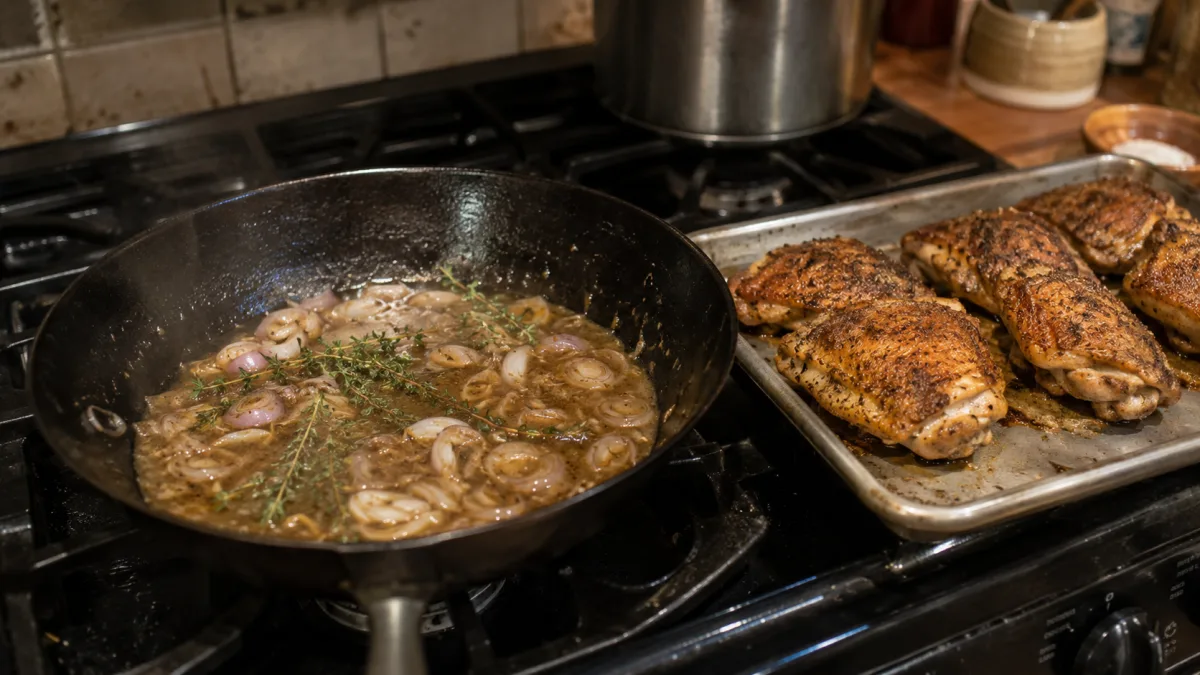
Remove the cooked chicken, pour off excess fat if needed, and cook shallots or garlic briefly. Add wine, stock, cider, vinegar, or a mix, then scrape the pan as the liquid bubbles. Reduce until the flavor concentrates.
Jacques Pepin often teaches chicken through small, repeatable technique rather than decoration. His chicken with garlic and vinegar sauce is a useful example of pan sauce thinking: browned chicken, sharp liquid, and a sauce made from what is already in the skillet.
Finish off heat with butter, cream, mustard, herbs, or lemon when the recipe calls for it. A sauce should support the chicken, not hide that it was overcooked.
How can leftovers become new meals?
Leftover chicken is where this style really pays back. Shred dark meat into a mustardy salad, fold white meat into crepes, stir small pieces into soup, or warm slices gently with sauce. Do not blast cooked chicken in a dry pan and expect it to stay tender.
For a faster sauce mindset outside French cooking, Livecub's stir-fry sauces guide is a reminder that a small amount of balanced liquid can change leftovers quickly.
Food safety still counts. FSIS explains leftover handling and storage, and the FSIS leftovers and food safety page is a better guide than guessing by smell.
Store meat, sauce, and bones with a plan. Meat can become lunch, sauce can loosen rice or noodles, and bones can become a small pot of stock. Label containers so the second meal does not get lost behind louder leftovers.
What food safety rules should stay in the background?
Good technique is not a substitute for safe cooking. Poultry should reach a safe internal temperature, and leftovers should be cooled, stored, and reheated with care. A thermometer is less romantic than a copper pan, but it protects the meal.
FoodSafety.gov lists safe minimum internal temperatures, including poultry guidance, on its safe minimum internal temperatures chart. Use that as the rule, then build your sauce and sides around safely cooked meat.
Do not let sauce excuse dry chicken. Cook safely, rest properly, and warm leftovers gently.
What sides make chicken feel French?
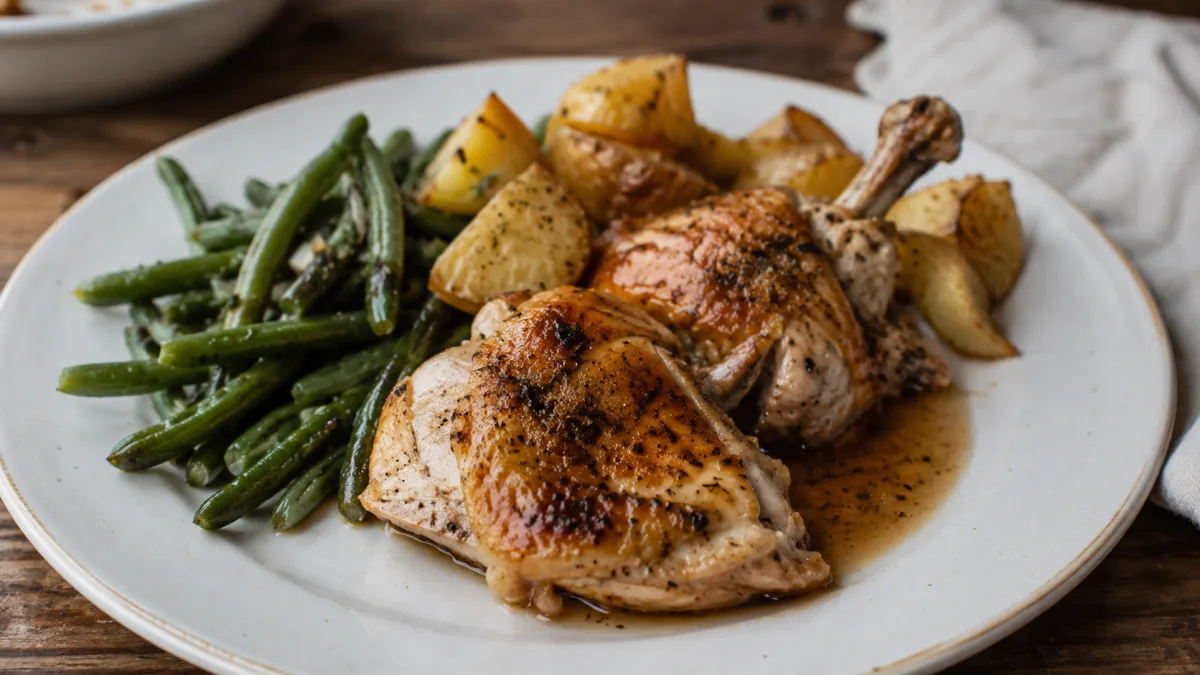
Simple sides often work best: green beans with butter, a small salad, potatoes, lentils, mushrooms, carrots, rice, or crusty bread for sauce. The point is balance. A rich cream sauce needs something green or sharp. Vinegar-based chicken can handle potatoes or buttered noodles.
Livecub's guide to cooking greens is useful here because greens can keep a rich chicken dish from feeling heavy.
If the meal includes a luxury starter, Livecub's foie gras serving guide shows why portion size and contrast matter before a main course.
Match the side to the sauce. Serve crusty bread with pan juices, potatoes with cream or mustard, lentils with darker braises, and bitter greens with richer dishes. That choice keeps the plate from feeling like separate leftovers.
What mistakes waste a good chicken?
The common mistakes are wet skin, crowded pans, weak seasoning, rushing the browning stage, boiling a braise hard, and throwing away bones or pan juices. Another mistake is treating the breast and thigh as if they cook the same way. They do not.
Plan the second meal before the first one ends. Save sauce separately, pick meat from the bones while it is easy, and label leftovers. The second meal should taste planned, not rescued.
Do not add every French-sounding ingredient at once. Wine, mustard, cream, herbs, mushrooms, and vinegar are all useful, but a sauce needs direction. Choose one lead flavor and let the rest support it. The simplest pan sauce is often the one people remember, especially when the chicken is cooked well and rested before serving. That restraint matters at dinner.
For another chicken direction, Livecub's Yugoslavian chicken recipe gives a useful comparison in how regional cooking changes the same main ingredient.
Frequently Asked Questions
What is the easiest French-style chicken method?
Pan-roasted chicken pieces with a quick wine, stock, mustard, or vinegar sauce are often the easiest place to start.
Can I use boneless chicken?
Yes, but bone-in pieces usually give deeper flavor and more forgiving texture. Boneless pieces need closer timing.
What wine works for chicken?
Use a dry wine you would drink. White wine is common for lighter sauces, while red wine suits deeper braises such as coq au vin style dishes.
How do I keep leftover chicken from drying out?
Warm it gently with sauce, stock, or a covered pan. Avoid high dry heat once the chicken is already cooked.
French chicken cooking rewards attention to the pan. Brown well, save the juices, use leftovers wisely, and keep safety rules steady in the background.

Timothy Davidson
Edits step-by-step general-interest guides for clarity, realistic limits and source verification.



Leave a reply
Replying to