
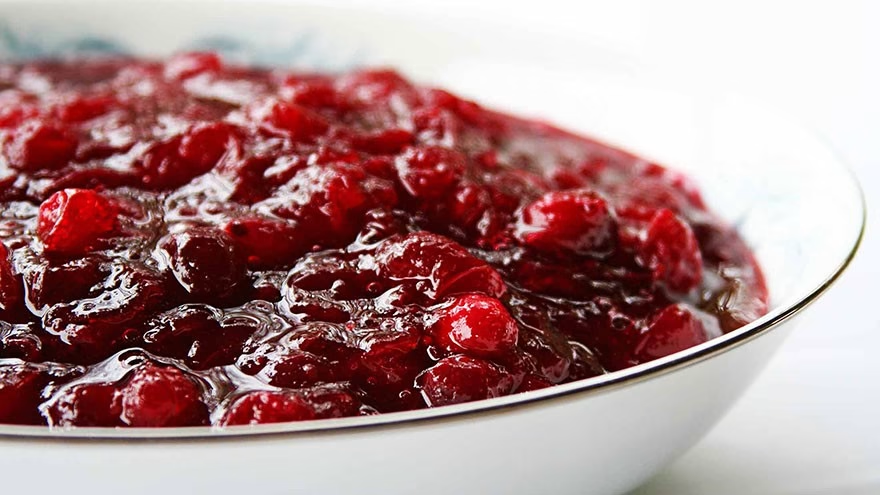
Fresh twists for cranberry sauce work best when they respect what makes the sauce good in the first place: tart berries, enough sweetness, a little time on the stove, and a chill in the refrigerator so the texture can set. The old recipe had the right base with cranberries, water, sugar, orange peel, nuts, dried fruit, juice, and warm spices. The better version is not about turning cranberry sauce into a dessert. It is about giving Thanksgiving or winter poultry a brighter, more personal side that still cuts through rich food.
Start with a clean basic cranberry sauce
A reliable base is 4 cups fresh cranberries, 1 cup water or juice, and 1/2 to 1 cup sugar depending on how tart you want the sauce. Rinse the berries, remove any soft ones, and simmer until they pop and the mixture begins to thicken. Ten minutes is often enough for the berries to break down.
Ocean Spray's fresh cranberry sauce recipe uses the classic method of boiling sugar and water, adding cranberries, boiling gently, then cooling and refrigerating before serving. That simple structure is still the best place to begin.
Do not overcook the base. Cranberry sauce thickens more as it cools, so a sauce that looks slightly loose in the pan can become just right after chilling.
Use orange without making it bitter
Orange is the easiest fresh twist. Use zest rather than thick strips of peel if you want a cleaner flavor. The white pith under the peel can taste bitter, especially if it cooks too long in the sauce.
Add orange zest with the cranberries, or stir in a little fresh orange juice at the end. Replacing some water with orange juice gives a rounder sauce. If the juice is sweet, reduce the sugar at first and adjust after the berries cook.
Zest lightly. Cranberry should still be the main flavor. Orange should make the sauce smell fresher, not turn it into marmalade.
Add nuts at the right time
Chopped pecans or walnuts give cranberry sauce texture, but they should not be boiled with the berries. Heat can soften them and make the sauce cloudy. Toast the nuts separately, cool them, and stir them in shortly before serving.
A half cup of chopped pecans is enough for most batches. If you are serving a large holiday table with allergy concerns, keep nuts in a small bowl on the side so guests can add them themselves.
This sauce is a natural partner for rich poultry. If the table includes grilled whole duck, the tart sauce helps balance the fat better than another heavy side.
Use dried fruit for sweetness
Raisins, currants, dried cherries, or chopped dried apricots can add sweetness and chew. Add them while the sauce is still warm so they soften. If they are very dry, soak them in hot water, orange juice, or a little cider before adding.
Keep the amount modest. Too much dried fruit can make the sauce taste like chutney and hide the cranberry snap. Start with 1/2 cup, taste, and add more only if the sauce needs it.
Texture should feel intentional. A few soft pieces of fruit are pleasant. A sauce crowded with chewy fruit can distract from the meal.
Spice the sauce carefully
Cinnamon, nutmeg, allspice, clove, ginger, black pepper, and star anise can all work with cranberries. The trick is restraint. A pinch of clove can taste festive. A heavy hand can make the sauce taste medicinal.
If you like building your own blends, the same balance applies in broader seasoning work, such as making your own Asian seasoning mix. Choose a direction, then stop before the spices blur together.
Use whole spices when possible for strong flavors like clove or star anise, then remove them before serving. Ground spices are easier, but they can turn muddy if overused.
Serve and store it safely
Homemade cranberry sauce is usually made ahead, cooled, and refrigerated. The National Center for Home Food Preservation advises refrigeration or freezing when experimenting with fruit spreads, especially when sugar changes could affect room-temperature storage. Its cranberry sauce guidance is helpful if you are tempted to can or alter recipes.
USDA FSIS says cold leftovers left out for more than 2 hours at room temperature should be discarded, or after 1 hour above 90 degrees F. Its leftovers and food safety page applies to holiday tables too.
Serve in a small bowl and refill from the refrigerator if dinner is long. It looks better, stays colder, and gives the host more control.
Use leftovers beyond Thanksgiving
Leftover cranberry sauce can go into sandwiches, yogurt, oatmeal, pancakes, cheese boards, meat glazes, or quick pan sauces. A spoonful stirred into vinaigrette can also work with bitter greens and roasted vegetables.
For a holiday spread, cranberry sauce can sit near basic corn souffle and other softer sides because it brings contrast. It also helps a dessert table when paired with cookies, bars, or simple fruit.
If you are planning a party table, cookie display ideas can help you think about small bowls, labels, and flow so condiments do not get lost behind larger dishes.
Balance tartness and sweetness
Cranberries are naturally sharp, so sugar is not only sweetness. It also rounds the sauce and helps the texture feel less harsh. Still, the sauce should not taste like jam unless that is the goal.
Start with less sugar if your family likes a tart sauce, then add more after the berries have burst. Sugar added too early can be hard to judge because hot cranberry sauce tastes sharper than chilled sauce.
Taste after cooling. A spoonful chilled on a small plate tells you more than a spoonful straight from the saucepan.
Choose one main twist
Orange, pecans, raisins, blueberries, apple juice, and spices can all work, but not all at once. Choose one main direction and one small support. Orange with cinnamon is clean. Pecans with a little orange zest feel richer. Dried cherries with black pepper feel more grown-up.
If the rest of the holiday table is already sweet, make the sauce sharper. If the meal is salty and rich, a slightly sweeter cranberry sauce can help. The sauce should answer the meal, not compete with it.
Editing is flavor work. The best twist may be the one ingredient you decide not to add.
Fix common cranberry sauce problems
If the sauce is too thick, stir in a spoonful of water or juice while warming gently. If it is too loose, simmer a little longer or chill it fully before judging. If it is too sweet, add a small splash of lemon or orange juice.
If spices are too strong, make a second plain half-batch and combine them. It is usually easier to dilute heavy spice than to cover it with more sugar.
Small corrections work best. Cranberry sauce can swing from tart to candy-sweet quickly, so adjust in teaspoons rather than big pours.
Make a smooth or chunky sauce
Chunky sauce needs very little work. Let some berries burst, leave others partly whole, and stir gently. Smooth sauce takes one more step: press the cooked berries through a sieve or blend carefully after cooling slightly.
For a holiday table, chunky sauce often feels more homemade and gives texture beside poultry. Smooth sauce works better as a glaze, sandwich spread, or plated accent.
Texture changes the role. Decide whether the sauce is a spoonable side, a condiment, or a glaze before you finish it.
Use juice without losing tartness
Apple juice and orange juice can replace some or all of the water, but they add sweetness. Start with less sugar when using juice, then taste after the berries cook. Cranberry needs enough tartness to cut through rich food.
If the sauce tastes flat after juice is added, a small splash of lemon juice can bring it back. Do not add too much at once; cranberry is already sharp.
Let the berry stay in charge. Juice should round the sauce, not make it taste like a different fruit.
Frequently Asked Questions
Can I use frozen cranberries?
Yes. Cook them from frozen or thawed, but expect a little extra liquid if they release moisture. Sort out any damaged berries.
Can I reduce the sugar?
Yes for a refrigerated sauce, but taste carefully. Less sugar means sharper flavor and may affect thickness.
When should I add nuts?
Add toasted nuts shortly before serving so they stay crisp. Keep them separate if guests have allergy concerns.
Can cranberry sauce be made ahead?
Yes. It often tastes better after chilling. Keep it covered in the refrigerator until serving time.
Fresh cranberry sauce is forgiving as long as the base is sound. Cook the berries gently, add one or two twists with purpose, chill the sauce well, and let the tartness do its job beside the meal.

Linda Fehrman
Edits general wellness and relationship explainers. Health material is educational, avoids diagnosis and links to health-authority guidance.




Leave a reply
Replying to