
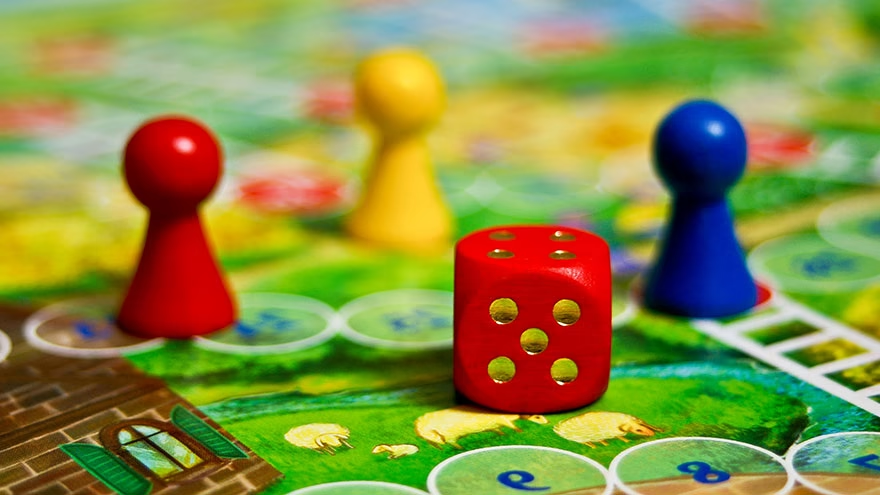
Games That Improve Focus are not magic medicine. The useful ones make you practice attention in a clear, repeatable way: hold a rule in mind, ignore distractions, notice patterns, wait your turn, and recover after mistakes. A game can train habits around focus, but it cannot replace sleep, movement, treatment for ADHD, vision care, or a calmer work setup.
This article is general health education, not a diagnosis or treatment plan. If focus problems are sudden, severe, tied to head injury, depression, anxiety, substance use, sleep loss, medication changes, or school failure, talk with a clinician. Games can be part of practice, not the whole answer.
What A Focus Game Should Do
A focus game should have a clear goal, short rounds, feedback, and a level that can become harder without becoming punishing. The best fit is challenging enough to require attention but not so hard that the player gives up. If a child or adult leaves every session angry, the game is not helping focus that day.
Research on brain-training games is mixed. A study in PMC reported improvements in attention and memory measures after training, but results from one program should not be treated as a promise for every game.
Chess And Checkers
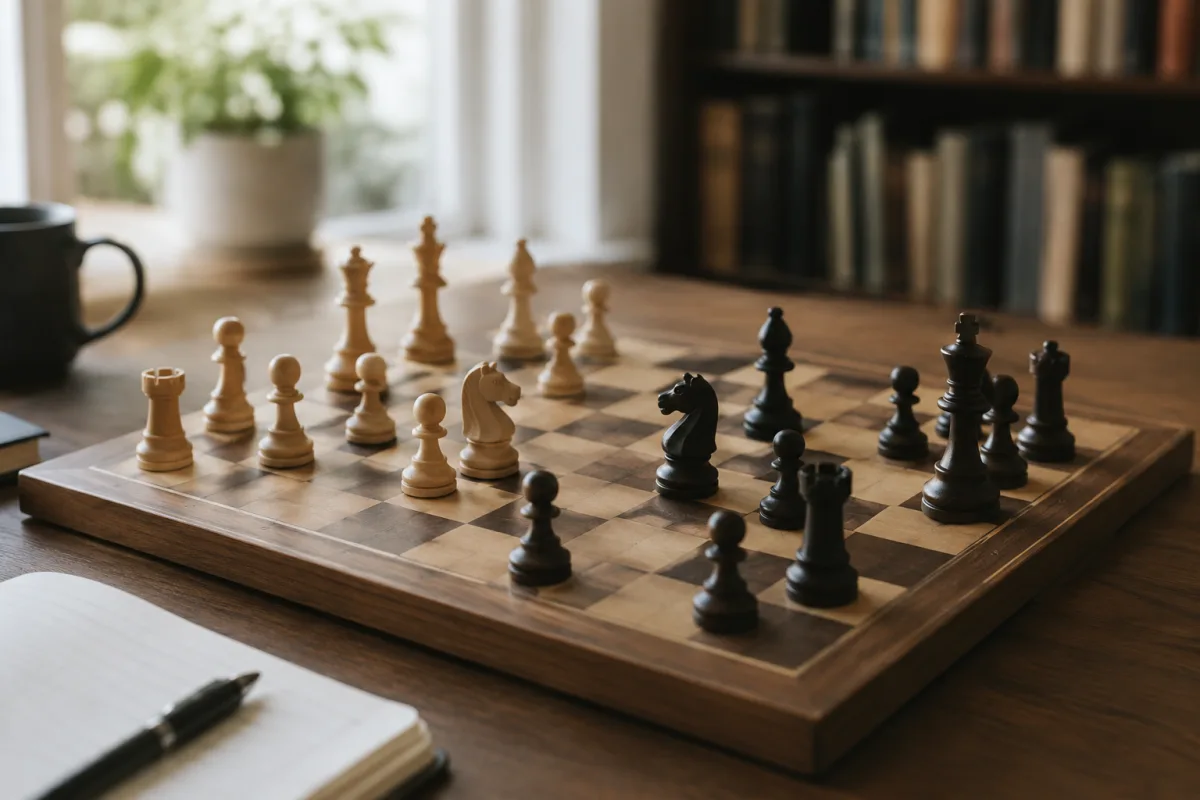
Chess and checkers train planning, inhibition, and working memory. You hold possible moves in mind, resist the tempting move, and learn to lose without quitting. For focus practice, use short games or puzzles rather than marathon sessions.
If performance pressure is part of the problem, Livecub's sports tryout nerves article has calming tools that can also help before timed games or tests.
Card Matching
Memory card games are simple but useful. They ask the player to hold locations in mind and update that map after every turn. For younger children, keep the grid small. For adults, add a time limit only if it improves engagement rather than stress.
The point is not to prove intelligence. It is to practice returning attention to the same task after a small mistake.
Simon Says And Red Light Green Light
Movement games can train focus without a screen. Simon Says asks children to listen before acting. Red Light Green Light trains stopping, starting, and body control. These are useful for children who cannot sit still through a workbook-style attention task.
For selective speech or social pressure concerns, Livecub's selective mutism article may help families think about anxiety-sensitive support.
Spot The Difference
Spot-the-difference puzzles train visual attention and scanning. They work best when the player explains the strategy: top to bottom, left to right, background first, people second. Naming the strategy makes attention less random.
This can be a good quiet activity before homework because it warms up careful looking without turning into a long session.
Puzzle Games
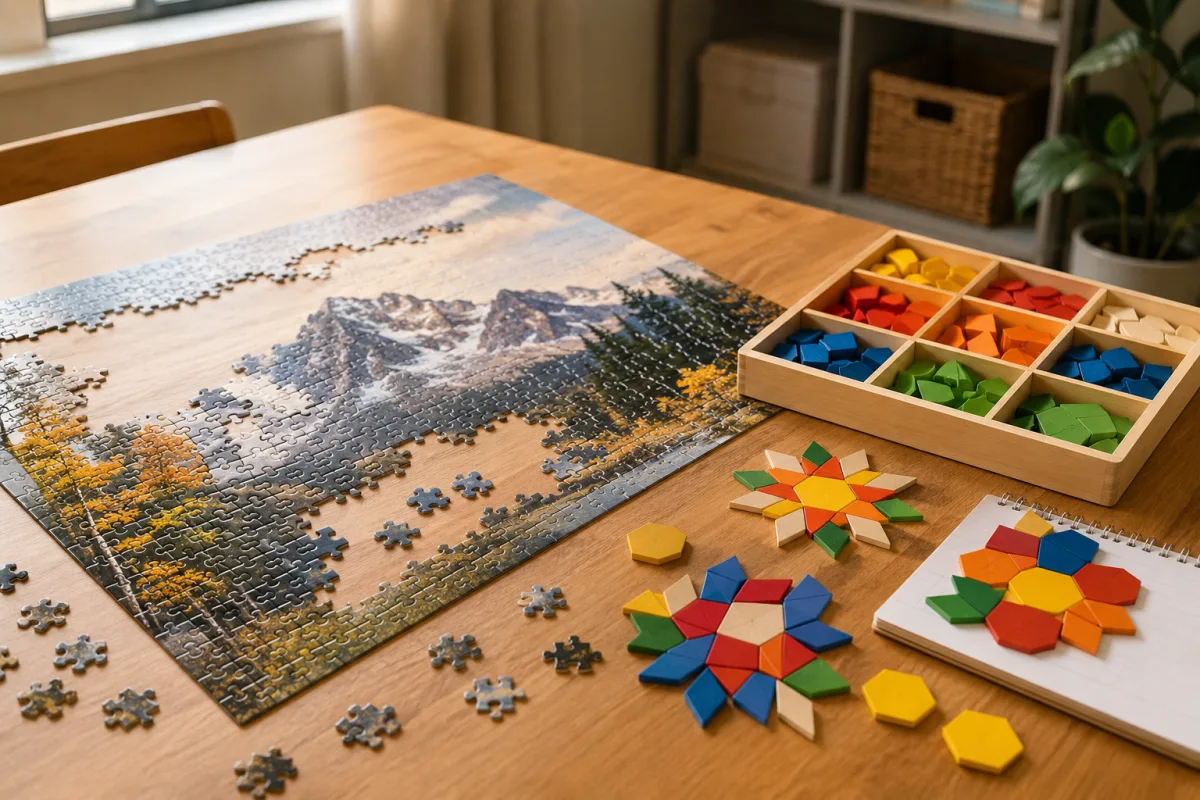
Jigsaw puzzles, tangrams, pattern blocks, and logic grids all ask the brain to compare shape, color, and position. They are slower than action games, which can help someone who needs practice staying with a task after the quick reward disappears.
If food habits are being tracked alongside focus, Livecub's food journal article shows how simple records can reveal patterns without overcomplication.
Action Video Games
Some video games demand fast visual attention, tracking, and decision-making. That does not mean unlimited play improves focus. A JAMA Network Open study on video gaming and cognition found cognitive differences in children who played video games, while also noting higher behavioral and mental health scores in some gaming groups. Balance matters.
Use clear time limits, choose games without endless reward loops when possible, and stop if sleep, school, mood, or relationships get worse.
Rhythm Games
Rhythm games ask the player to listen, predict timing, and move with precision. They can be useful for people who focus better when sound and movement are involved. Keep volume safe and avoid late-night play that pushes bedtime later.
A short rhythm session before a boring task can sometimes help attention settle. A two-hour session that steals sleep will do the opposite.
Word And Number Games
Crosswords, word ladders, Sudoku, KenKen, and mental math games train sustained attention and error checking. Choose a level that allows progress. If the puzzle requires constant guessing, it becomes frustration practice rather than focus practice.
Older adults may prefer paper versions because they reduce notifications. Children may prefer a shared whiteboard version because it turns the task into conversation.
Make Games Social
Focus improves when the game includes turn-taking, listening, and repair after mistakes. Board games teach waiting, rule memory, and flexible thinking. They also show whether the person can recover after losing, which is part of real-world focus.
For older family members, Livecub's motivating elderly adults article may help with choosing respectful activities rather than forcing a game.
Set A Small Dose
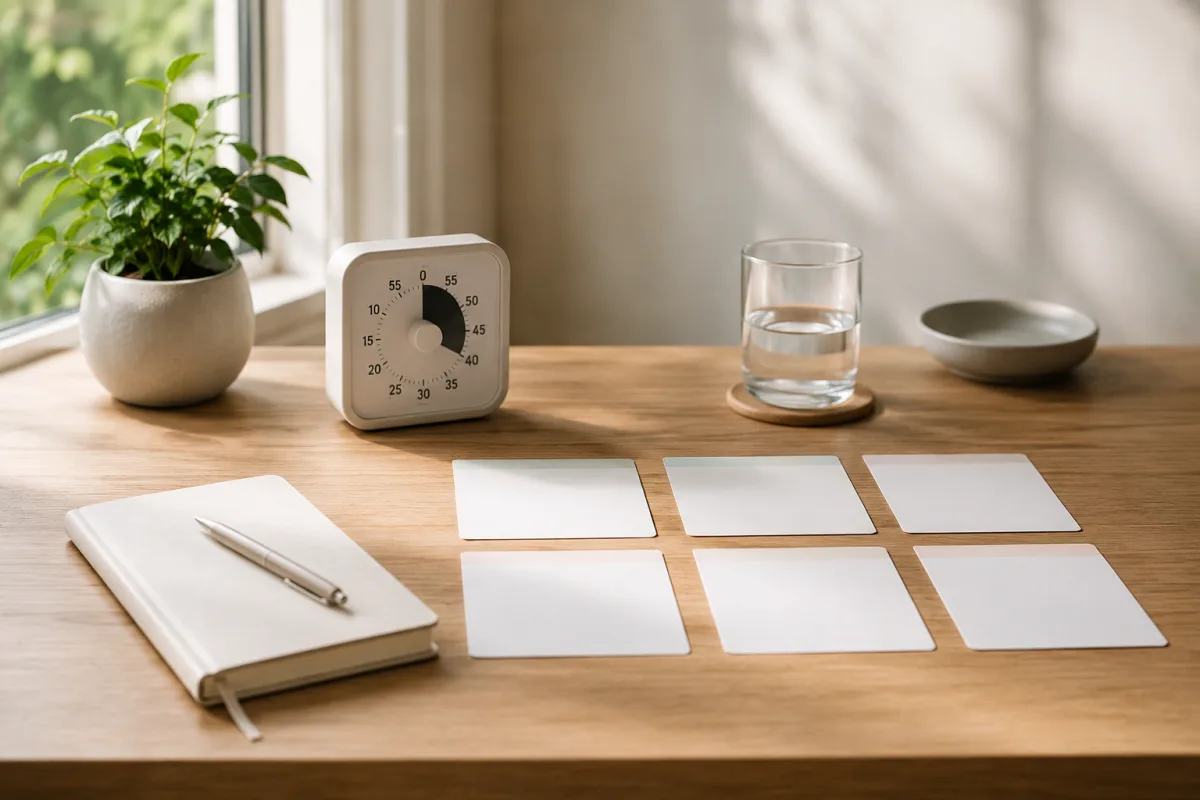
Use games in short doses: ten to twenty minutes for children, maybe longer for adults who stay regulated. End while attention is still decent. Stopping on time teaches self-control and protects sleep.
Track what changes afterward. If homework, reading, chores, or mood improve, the game may be useful. If the player becomes irritable or avoidant, choose a different tool.
Pair Games With Real Tasks
A game improves daily focus only if the skill transfers. After a puzzle, do five minutes of reading. After Simon Says, put toys away with a stop-and-go rhythm. After chess puzzles, plan the first three steps of homework. Transfer is the missing bridge.
A game should lead back to life, not replace it.
Use A Score That Rewards Attention
Do not score only wins. Score staying with the task, noticing a mistake, asking for a clue instead of quitting, and returning after a distraction. That kind of scoring teaches the behavior you actually want to see outside the game.
For children, a sticker or note can mark effort. For adults, a simple log can show which games leave the mind clearer rather than more restless.
Remove Competing Distractions
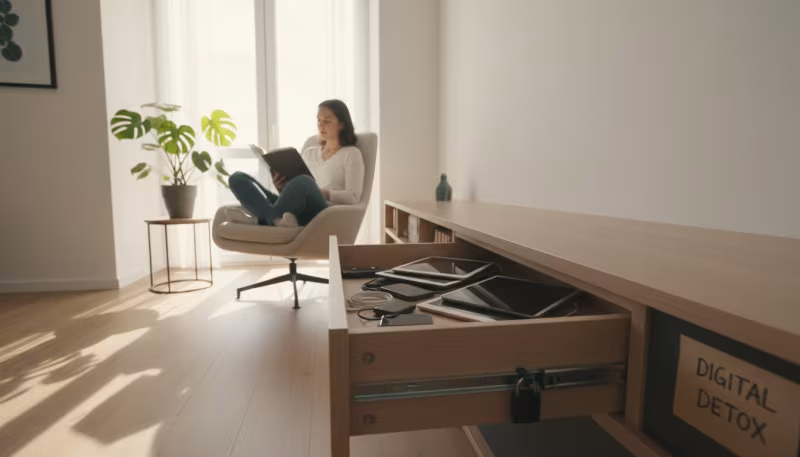
A focus game loses its value if notifications, television, snacks, and side conversations keep interrupting. Set the room up for one task. Put the phone away, choose the game, set a timer, and let the session be small enough to finish.
This is the same environment design used for homework and work blocks. The game is practice for that setting.
Watch For Frustration
Frustration is not proof that the game is working. Some challenge is useful, but repeated failure can teach avoidance. If a player starts rushing, joking to escape, arguing over rules, or shutting down, lower the difficulty and rebuild success.
A better focus session ends with the person willing to try again tomorrow.
Vary The Skill
Use different games for different attention skills. Chess trains planning. Simon Says trains inhibition. Matching cards train memory. Spot-the-difference trains scanning. Rhythm games train timing. A mixed week is more useful than forcing one favorite game to do every job.
Variety also reduces boredom, which is one of the main enemies of attention practice.
Use Real-World Follow-Up
After a game, ask for one real-world carryover: read one page, sort five emails, clean one shelf, or finish one math problem. This tiny bridge teaches the brain that focus practice belongs outside the game too.
Without a follow-up, the player may become good at the game while daily attention stays unchanged.
Know When To Stop Using Games
Stop or reduce games if they become the main source of conflict, delay bedtime, replace homework, trigger headaches, or make the person more irritable. A focus tool should make life easier to enter, not harder to leave.
If focus problems remain serious, ask for evaluation instead of adding more games.
Frequently Asked Questions
Do brain games really improve focus?
They can help some attention skills, but results vary and transfer to school or work is not guaranteed.
What game is best for children?
Short movement games, matching cards, puzzles, and simple board games are often better than long screen sessions.
Are video games good for focus?
Some may train attention, but too much play can harm sleep, mood, and responsibilities.
How long should a focus game last?
Start with ten to twenty minutes and stop before frustration or fatigue takes over.
Can games treat ADHD?
No. Games may support practice, but ADHD evaluation and treatment should be handled by qualified clinicians.
The Practical Takeaway
Games that improve focus are the ones that practice attention, stopping, memory, planning, and recovery in short, repeatable sessions. Use them as training tools, then connect the skill to school, work, chores, or reading.

Cashie Evans
Covers parenting and practical household topics with clear steps, safety notes and links to current guidance.


Leave a reply
Replying to