
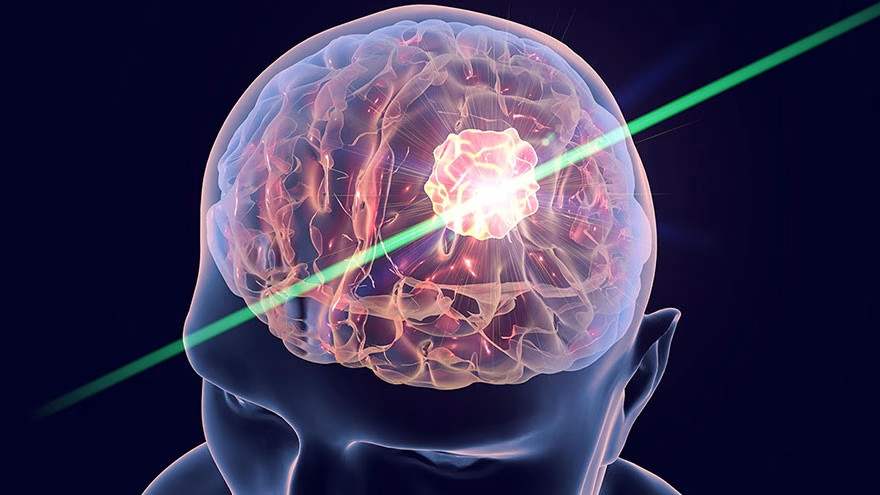
How Does Brain Cancer Start? The honest answer is that it depends on the tumor. Some brain cancers begin in cells of the brain or spinal cord. Others are cancers from another part of the body that spread to the brain.
This is general health education, not medical advice. New neurologic symptoms, seizures, sudden weakness, severe headache, confusion, or vision changes should be evaluated promptly by a clinician.
Primary Versus Metastatic
A primary brain tumor starts in the brain or spinal cord. A metastatic tumor starts somewhere else and spreads to the brain. That distinction changes treatment, prognosis, and the medical team involved.
NCI explains brain tumors as tumors that start in brain tissue and notes that cancer can also spread to the brain from other sites.
Cells Change And Grow
Cancer starts when cells develop changes that let them grow, divide, survive, or invade in ways normal cells do not. In the brain, the exact path depends on tumor type, cell origin, genetics, and environment.
Most people with a brain tumor did nothing to cause it. Avoid blame-based explanations.
Known Risk Factors
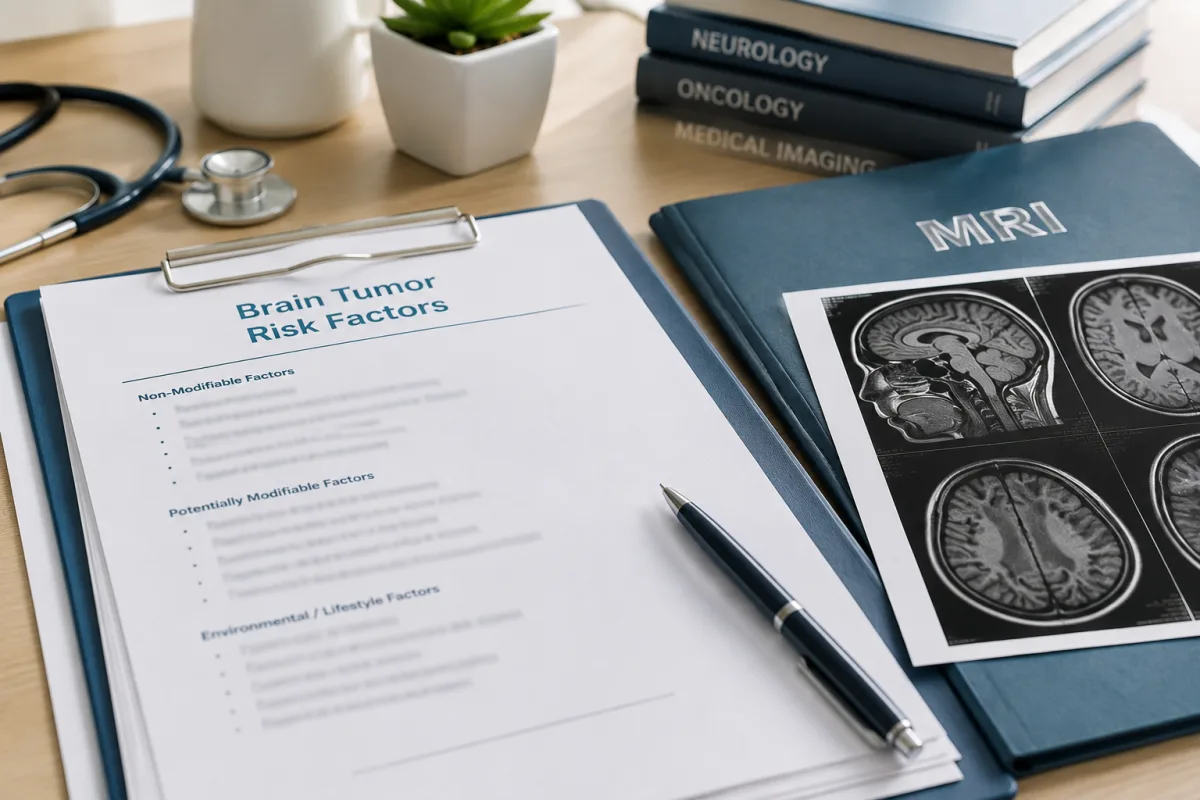
Many brain tumors have no clear preventable cause. Risk factors can include certain inherited syndromes, prior radiation exposure, immune system problems for specific tumors, and age patterns that vary by tumor type.
NINDS lists possible causes and risk factors for brain and spinal cord tumors, including radiation and immune system issues.
Symptoms Depend On Location
Symptoms may include headaches, seizures, weakness, speech problems, vision changes, personality changes, balance issues, nausea, or confusion. Location matters because different brain areas control different functions.
New seizure, sudden weakness, severe headache, or acute confusion needs urgent medical attention.
Imaging And Biopsy

MRI often identifies a mass, swelling, or pressure effect. A biopsy or surgery may be needed to determine tumor type and molecular features. Imaging alone does not always tell the whole story.
Livecub's glioma causes article is related for one tumor family.
Benign Can Still Matter
Benign does not always mean harmless in the brain. A noncancerous tumor can press on delicate tissue, block fluid flow, or affect vision, movement, or hormones.
Treatment urgency depends on size, location, growth, symptoms, and tumor type.
Grading
Brain tumors may be graded by how aggressive the cells look and behave. Higher-grade tumors often grow faster, but each diagnosis needs its own explanation.
For glioblastoma context, Livecub's untreated glioblastoma prognosis article is related.
Treatment Team
Care may involve neurosurgery, neuro-oncology, radiation oncology, pathology, rehabilitation, and palliative care. The team depends on tumor type and patient needs.
Ask who coordinates seizures, steroids, scans, and symptoms.
Not A Screening Disease
There is no routine screening test for the general public that finds brain cancer early the way some cancers are screened. Symptoms and imaging usually drive evaluation.
Do not seek scans for every headache, but do not ignore new neurologic symptoms.
Questions To Ask

Ask what type of tumor is suspected, whether it is primary or metastatic, what tests are needed, whether tissue diagnosis is planned, and what symptoms require urgent care.
For bone spread symptoms in other cancers, Livecub's metastatic bone cancer symptoms article is separate but related to cancer spread language.
Gene Changes
Tumors start when cell-control systems break down. Some changes are inherited, but many are acquired in cells during life. Molecular testing can help classify certain tumors and guide treatment discussions.
Patients should ask whether molecular markers were tested and what they mean.
No Simple Lifestyle Cause
People often ask whether stress, phones, diet, or one habit caused the tumor. For most brain cancers, the cause cannot be traced to one everyday behavior.
That uncertainty can be frustrating, but it is better than false certainty.
Children And Adults Differ
Brain tumors in children and adults can differ in location, type, biology, and treatment. Advice for one age group may not apply to another.
Families should rely on specialists for the specific diagnosis rather than broad internet categories.
When Cancer Spreads To Brain
Metastatic brain tumors are more common than many primary malignant brain tumors. Lung, breast, melanoma, kidney, and other cancers can spread to the brain.
Treatment then focuses on both the brain tumors and the original cancer type.
Why Location Changes Symptoms
A small tumor in a sensitive area can cause symptoms sooner than a larger tumor in a less sensitive area. Speech, movement, vision, balance, and hormone pathways can be affected differently.
This is why symptom lists are only starting points. The same diagnosis can feel different from one person to another.
Family History
Most brain tumors are not explained by family history, but some inherited syndromes can raise risk. If several relatives have rare tumors or early cancers, ask whether genetic counseling is appropriate.
Do not assume every headache in a family is inherited brain cancer. Let clinicians sort risk from fear.
Environmental Claims
Many online claims blame one product, device, or food for brain cancer. Be careful with claims that sound certain but do not cite strong evidence.
The better question is what your care team knows about the actual tumor type, not what a viral post says.
Second Opinions
A second opinion at a brain tumor center can help review imaging, pathology, surgical options, radiation plans, and trials. This is especially useful when treatment choices are complex.
Bring imaging files, pathology reports, medication lists, and symptom notes.
Primary Cell Types
Some tumors arise from glial cells, which support nerve cells. Others arise from membranes, glands, nerves, immune cells, or embryonal tissue. The starting cell type affects the name and expected behavior.
This is why a phrase like brain cancer is too broad for treatment decisions.
Pressure And Swelling
Symptoms may come from the tumor itself or from swelling around it. Swelling can raise pressure inside the skull and affect nearby brain tissue.
Steroids may be used in some cases to reduce swelling, but they require medical supervision.
Why Biopsy Matters
A biopsy can identify the tumor under a microscope and allow molecular testing. Those details may affect surgery, radiation, chemotherapy, targeted treatment, or trial options.
When biopsy is risky, the team may explain why imaging and other data are being used.
Tracking Symptoms
Write down symptom start date, frequency, triggers, seizure details, medications, and changes in function. This helps clinicians see patterns that may not be obvious during a short visit.
Bring the list to appointments instead of relying on memory.
Metastasis Route
When cancer spreads to the brain, it usually travels through the bloodstream from another primary cancer. The brain tumor cells still reflect the original cancer type, such as lung or breast cancer cells.
That is why metastatic brain tumors are treated in the context of the original cancer.
Why Early Symptoms Vary
Some symptoms appear gradually, while others appear suddenly, especially seizures or bleeding into a tumor. A slow change in personality or memory can be easier to miss than a dramatic symptom.
Families should report patterns they notice, even if the patient feels unsure.
Supportive Care
Supportive care may address headaches, seizures, swelling, sleep, mood, movement, speech, and family needs. These supports can happen alongside tumor-directed treatment.
Care is not only about attacking the tumor; it is also about preserving function and comfort.
What To Bring
Bring prior scans, medication lists, symptom notes, seizure descriptions, and questions to the appointment. If the visit is for a second opinion, ask how images and pathology slides should be sent before the visit.
Good records help the team move from general concern to a specific plan.
Not Every Mass Is The Same
Inflammation, infection, vascular problems, and other conditions can sometimes mimic tumor concerns on symptoms or imaging. The medical team uses history, imaging, labs, and tissue when needed to narrow the answer.
This is another reason not to self-diagnose from symptoms alone.
Frequently Asked Questions
Does brain cancer start from stress?
There is no simple evidence that ordinary stress directly starts brain cancer.
Can a benign brain tumor be serious?
Yes. Location and pressure can make even benign tumors medically serious.
Is every brain tumor cancer?
No. Some are benign, some malignant, and some are metastatic from another cancer.
How is brain cancer diagnosed?
Imaging, clinical exam, and often tissue testing help identify tumor type.
When should symptoms be urgent?
New seizure, sudden weakness, severe headache, confusion, or major vision changes need prompt care.
The Practical Takeaway
Brain cancer starts through abnormal cell growth, but the cause and behavior depend on tumor type, origin, genetics, location, and whether the tumor is primary or metastatic.

Cashie Evans
Covers parenting and practical household topics with clear steps, safety notes and links to current guidance.




Leave a reply
Replying to