
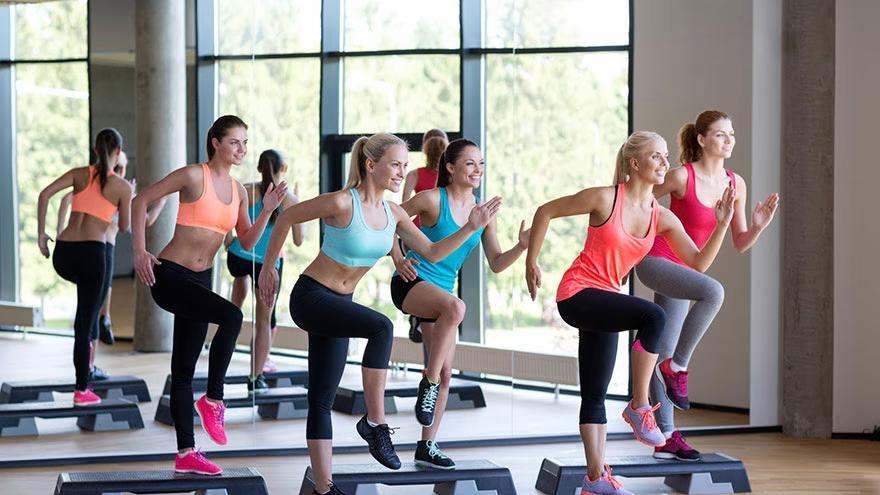
Start With the Workout Goal
To create your own aerobics dance, decide what the routine should do before choosing songs. A beginner routine needs simple steps, clear repetition, and moderate effort. A fitter group may want intervals, faster transitions, and more directional changes.
Keep the first version simple. A routine people can follow for 20 minutes is better than a clever routine they lose after the first chorus. Aerobics works when movement, music, and effort line up.
The routine should feel followable before it feels fancy.
Use Basic Steps as Building Blocks
Start with march, step touch, grapevine, knee lift, hamstring curl, V-step, side step, heel dig, and low kick. Put four or five of these together before adding turns, jumps, or arm patterns.
Livecub's basic aerobic steps article is a useful reference for naming and organizing the movements. Clear names help you cue the routine, even if you are only teaching yourself.
Simple steps become interesting when timing and direction change.
Pick Music You Can Count
Most aerobics dance routines work in phrases of eight counts. Choose music with a beat you can hear easily. Count one through eight, then repeat. If you keep losing the beat, the song may be fun to hear but hard to teach.
Build one combination over 32 counts: eight counts of march, eight of step touch, eight of grapevine, and eight of knee lifts. Repeat it until the body knows where the changes happen.
Plan the Warm-Up
Use five to eight minutes of easy movement. Start with marching, shoulder rolls, step touches, gentle reaches, and small knee lifts. Keep the feet close to the floor and the arms below shoulder height at first.
The CDC's adult activity guidance recommends regular aerobic activity. A warm-up helps the body move into that activity instead of jumping straight into the hardest part.
A good warm-up previews the routine without using full intensity.
Build the Main Combination
Choose four moves and give each one eight counts. For example: grapevine right and left, four knee lifts, step touch with arms, then V-step twice. Repeat the block four times before changing anything.
After the feet are steady, add arms. Keep arm patterns natural and symmetrical. Big overhead arms raise effort quickly, so use them later in the routine instead of at the start.
Use Layers Instead of Surprises
Teach the feet first, then add direction, then arms, then intensity. This layering keeps the routine learnable. If you add a turn, jump, and arm pattern at the same time, most people will stop moving to figure it out.
Layering also gives options. Beginners can stay with the base move while others add more range. That makes one routine work for more bodies without stopping the class.
For seated or lower-impact ideas, Livecub's chair dancing guide can help adapt rhythm and arm movement for people who need less standing work.
Control Intensity
The American Heart Association's physical activity recommendations describe moderate intensity as breathing harder while still being able to talk. Use that talk test when planning the routine.
Raise intensity with larger steps, higher arms, quicker transitions, and optional hops. Lower intensity by removing jumps, reducing arm height, slowing directional changes, or marching in place. Every hard section should have a way down.
Intensity should be adjustable without stopping the dance.
Create a Chorus Block
A chorus block is the part that repeats every time the chorus returns. Make it memorable: step touch with arms, grapevine, knee lift, turn or no-turn option. Repetition gives the routine identity and lets people feel successful.
Keep the chorus easier than the hardest interval. If it returns several times, it needs to feel good, not punishing. Save the hardest moves for short sections between choruses.
Add a Short Cardio Peak
Use one or two 60-second peaks after the routine is familiar. Try alternating V-steps and knee lifts, or grapevine and low kicks. Offer a low-impact version at the same time.
Livecub's Tae Bo weight loss guide shows how martial-arts style cardio uses rhythm and repeated patterns. The same principle works in aerobics dance when the transitions are clear.
Use Safe Transitions
A transition is the move between moves. Use marches, step touches, or taps to reset the body before changing direction. Avoid going from a fast turn straight into a high knee pattern unless the group is ready.
If you practice on a hard floor, shoes and space matter. Livecub's tumbling mat guide is a useful reminder that surface and padding affect movement safety, even though aerobics usually needs a stable floor rather than a soft mat.
Plan the Cooldown
Use five minutes to bring the heart rate down. Return to smaller step touches, gentle marching, side steps, and easy reaches. Then stretch calves, hamstrings, hips, chest, and shoulders.
Do not end on the hardest song and sit down. A cooldown helps breathing and movement settle. It also gives the routine a cleaner finish.
The ending should leave people ready to come back.
Test and Edit the Routine
Film one run-through or write the blocks on paper. Look for confusing changes, too many turns, repeated stress on one leg, or sections where effort jumps too quickly. Edit before teaching it to anyone else.
Test the routine once at half speed and once with music. If you cannot cue it while moving, simplify the choreography. Clear cueing matters more than showing every move you know.
A 20-Minute Beginner Flow
Use five minutes of warm-up, ten minutes of main dance, three minutes of cardio peak, and two minutes of cooldown. The main dance can be two 32-count blocks repeated several times. Keep the first block side-to-side and the second block forward-and-back.
For example, use march, step touch, grapevine, and knee lifts in block one. Use V-step, hamstring curls, heel digs, and low kicks in block two. Repeat both blocks until the changes feel familiar.
A short routine should repeat enough to feel comfortable.
How to Cue the Moves
Cue before the change, not during it. Say the next move four counts early if possible: grapevine in four, three, two, one. If you wait until the change happens, beginners are already late.
Use the same words every time. Do not call the same move side step, step touch, and travel step in one routine. Consistent language makes the dance easier to follow and easier to remember.
Good cueing removes guessing from the workout.
Space, Shoes, and Floor
Check the room before practicing. You need enough space to step side to side without hitting furniture. The floor should be stable, dry, and not too slick. Thick carpet can catch shoes during turns, while concrete can feel harsh during long sessions.
Wear shoes that let you move but still support the foot. Socks alone may slide. Barefoot dance can work for some styles, but faster aerobics usually needs more grip and cushioning.
Progress the Routine Over Time
Change one thing at a time. Add arms one week, direction the next, and a short cardio peak after that. If you change music, steps, arms, and speed all at once, it becomes a new routine instead of a progression.
Keep a base version available. On tired days, use the low-impact routine. On stronger days, add range, arms, or optional hops. That flexibility makes the dance easier to keep using.
Use Arm Patterns Carefully
Arms can make an easy step feel like real cardio. Start with natural swings, then add reaches, biceps curls, punches, or diagonal pulls. Save overhead arms for later in the routine because they raise effort quickly.
Keep the first arm pattern symmetrical. One arm high and one arm low can be fun, but it is harder to cue. If shoulders get tense, lower the arms and return to footwork.
Choose Tempo You Can Sustain
Faster music is not always better. If the beat makes you shorten every move or skip the cooldown, the song is too fast for that routine. Choose control first, then speed.
Frequently Asked Questions
How long should an aerobics dance routine be?
Beginners can start with 15 to 20 minutes plus warm-up and cooldown. Longer routines should repeat clear blocks.
Do I need dance experience?
No. Start with basic aerobic steps, use steady music, and keep the first routine easy to follow.
How do I make it low impact?
Remove jumps, keep one foot on the floor, lower arm height, and use marching or step touches for resets.
What if I lose the beat?
March in place for eight counts, find the beat again, and return to the last clear move.

Linda Fehrman
Edits general wellness and relationship explainers. Health material is educational, avoids diagnosis and links to health-authority guidance.
Leave a reply
Replying to