
Being petite can be a practical issue, a style issue, a social issue, or a body image issue. Sometimes it is all of those in the same week. The goal is not to pretend height never affects daily life. It does.
The healthier goal is to solve the parts you can solve, stop apologizing for the parts that are simply your body, and notice when jokes or comparison start wearing you down.
Separate Fit Problems From Worth Problems
A sleeve that is too long is a fit problem. A chair that leaves your feet dangling is an ergonomics problem. Being talked over is a respect problem. None of those are proof that your body is wrong.
The Office on Women's Health describes body image as how you think and feel about your body and notes its links with mental health: Office on Women's Health body image guidance. That distinction helps: fix the environment where possible; do not turn every inconvenience into self-blame.
Make Clothing Work For Your Real Body
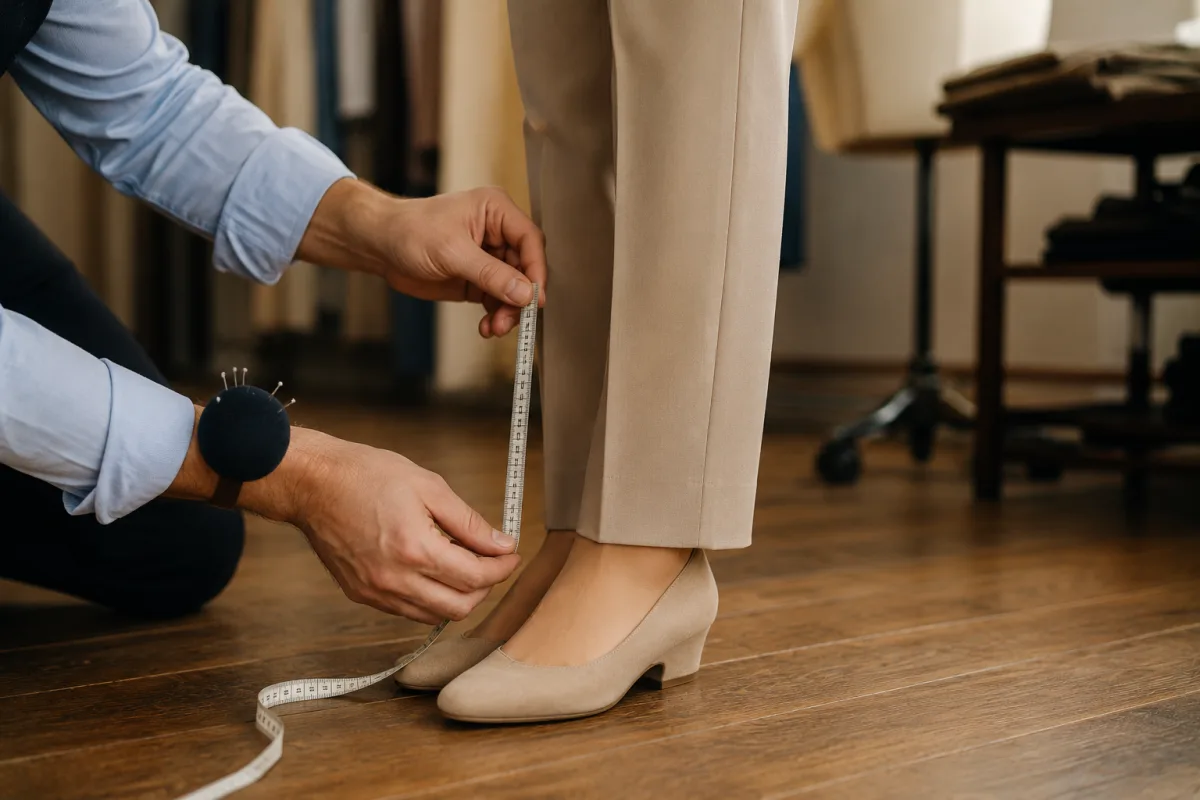
Petite clothing advice can become obsessive fast, so keep it practical. Tailor hems, learn your inseam, look for shorter rises if pants bunch, choose sleeve lengths that do not swallow your hands, and keep a list of brands that fit without a fight.
You do not owe anyone a lengthening illusion. If you like cropped jackets, ankle pants, flat shoes, wide legs, big coats, or oversized shirts, wear them. Fit should serve comfort and expression, not a rulebook.
If clothing stress turns into constant appearance monitoring, Livecub's piece on stage fright may be useful because both issues involve feeling watched.
Set Boundaries Around Height Jokes
Short jokes can feel harmless to the person making them and exhausting to the person hearing them. You can answer without giving a speech: I know you mean it lightly, but I am tired of height jokes. Or: Please do not use my body as the punchline.
A boundary does not need to be clever. Clear is enough. If someone keeps going after being told, the problem is not your sensitivity.
Adjust Spaces Without Shame
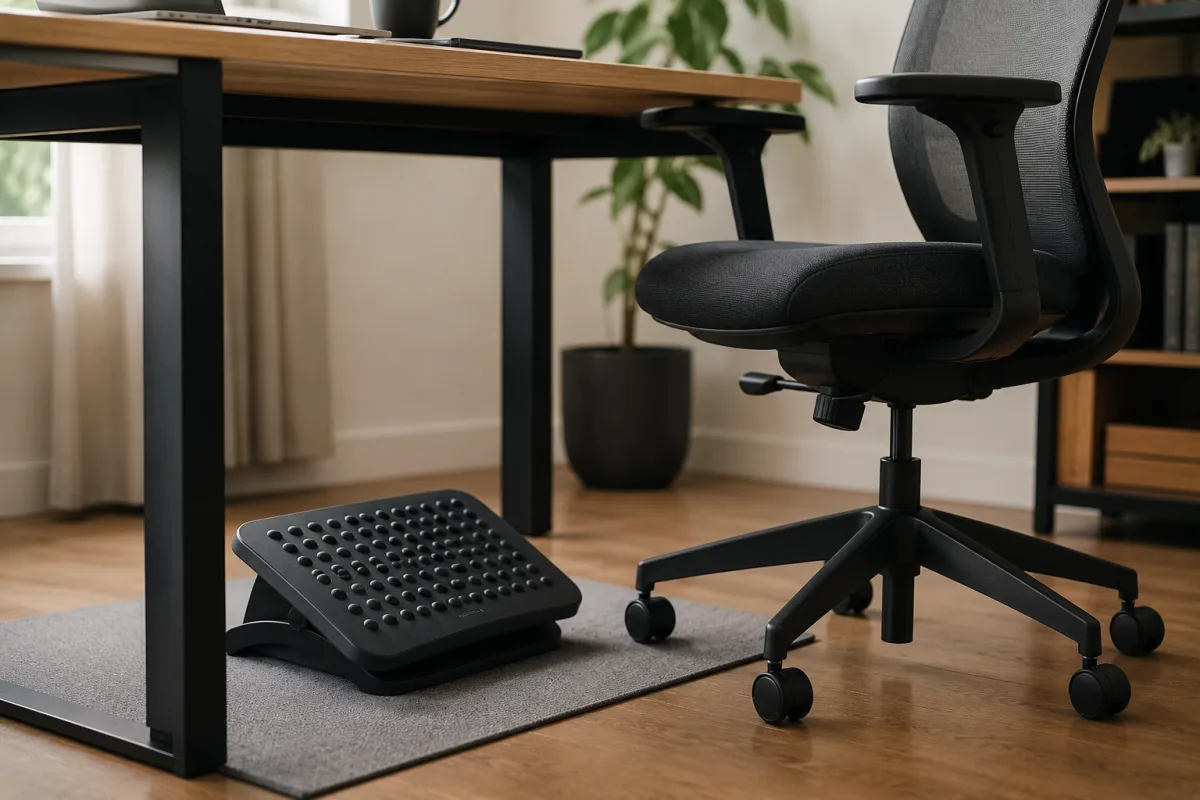
Use a footrest, move a car seat carefully, keep a step stool, lower shelves if you can, ask for a work setup that fits, and check whether gym equipment can be adjusted. These are ordinary access choices.
Tall people adjust shower heads, chairs, cars, and desks too. Body-size adaptation is normal. It only feels embarrassing when people pretend one default body exists.
Work On Voice And Presence
Some petite people are treated as younger, softer, or less authoritative. You cannot control every bias, but you can practice a steady voice, a full sentence without shrinking at the end, and a pause before answering.
If speaking up is hard under pressure, Livecub's article on selective mutism shows why communication struggles deserve patience rather than teasing.
Do Not Chase Body Correction
NEDA defines body image as thoughts, perceptions, attitudes, feelings, and behaviors around appearance: NEDA body image overview. That includes the urge to constantly fix, disguise, or explain a body trait.
There is nothing wrong with style tricks if you enjoy them. Trouble starts when every outfit, photo, and room becomes a test of whether you can look less petite. A body trait is not a daily court case.
Handle Dating And Social Assumptions
People may infantilize petite adults, make assumptions about strength, or treat height like a personality. You are allowed to correct it. You are also allowed to date, dress, train, and move in ways that do not match someone else's script.
A simple line works: I am short, not fragile. Or: I can answer for myself. Use whatever feels natural, then change the topic.
Use Strength For Function
Strength training, balance work, mobility, and walking can help anyone feel more at home in their body. The purpose should be function, mood, bone and muscle health, or pleasure, not proving your body deserves space.
If performance pressure is part of exercise, Livecub's guide to tryout nerves can help separate preparation from self-criticism.
Watch For Body Dysmorphic Patterns
Mayo Clinic describes body dysmorphic disorder as intense focus and distress over perceived appearance flaws: Mayo Clinic body dysmorphic disorder treatment. Not liking your height is not the same as BDD, but constant checking, hiding, reassurance seeking, or avoiding life because of appearance deserves care.
If height thoughts take up hours, affect eating, drive risky procedures, or keep you from work, school, relationships, or photos you actually want, talk with a mental health professional.
Build A Wider Self-Description
Write a self-description that includes height but does not stop there. I am petite, direct, funny, careful with money, good with kids, impatient with noise, loyal to friends, and learning to lift heavy boxes safely.
That kind of ordinary record can be useful in other areas too. Livecub's food journal guide shows how notes can make patterns clearer without making them your whole identity.
Let Petite Be Neutral
Petite does not have to be a compliment or an insult. It can be a fact. Some days it will affect shopping, furniture, sight lines, or how strangers read you. Some days it will not matter much.
The less you treat height as a verdict, the more room you have for the rest of your life: work, friendship, style, rest, strength, humor, and whatever you are trying next.
Make Peace With Photos
Photos can exaggerate height differences depending on angle, shoes, camera lens, and who is standing where. If photos bother you, choose a few practical habits: stand where you are comfortable, avoid zooming in afterward, and do not let one angle rewrite the day.
Claim Authority At Work
At work, petite adults may be mistaken for younger or less senior. Use your name, title, decision, and deadline plainly. If someone interrupts, return to the sentence: I am going to finish the point, then I want your view.
Ask About Medical Concerns Directly
If height is linked with pain, delayed growth history, falls, bone health, or a sudden change in posture, ask a clinician. Body acceptance does not mean ignoring symptoms. It means seeking care without treating your size as shameful.
Use Dating Language That Respects You
If a date keeps making height comments, notice that early. Attraction does not require being turned into a novelty. A good partner can enjoy your body without reducing you to small, cute, fragile, or childlike.
Ignore Rules That Make Life Smaller
Petite advice often bans flats, long coats, big prints, wide pants, or oversized sweaters. Those rules may help some people style outfits, but they are not laws. Keep what feels good and discard what makes dressing joyless.
Handle Public Spaces Practically
Concerts, counters, grocery shelves, airplane bins, and crowded rooms can be annoying when you are short. Ask for help without apologizing, arrive early for sight lines when it matters, and use tools that make the space fit you.
Do Not Let Compliments Trap You
Petite people may hear cute as a compliment that also shrinks authority. You can accept what feels kind and redirect what feels limiting. Try: thanks, and I also need you to hear the point I made about the project.
Build Strength Around Daily Tasks
If reaching, lifting, or carrying is a daily issue, build practical strength and use smart tools. A step stool, long-handled grabber, backpack, or cart is not defeat. It is good design for the body you have.
Stop Explaining Your Body
You do not need a reason for being petite. Genetics, growth history, ethnicity, health, and chance shape bodies in many ways. Unless you want to discuss it, a simple I have always been short can close the topic.
Keep Humor On Your Terms
Some petite people joke about height and enjoy it. Others do not. The difference is consent. You can make your own joke and still ask other people to stop making theirs.
Notice Who Makes You Smaller
Pay attention to people who talk over you, pick you up, pat your head, or call you tiny after being asked not to. That pattern is about respect, not height.
Let Confidence Be Quiet
You do not have to become louder to prove you are not small. Quiet confidence can look like staying seated, repeating the boundary, sending the invoice, or wearing the outfit you like.
Frequently Asked Questions
How can I feel more confident as a petite adult?
Solve practical fit problems, set boundaries around jokes, practice clear speech, and build a self-description wider than height.
Do I have to dress to look taller?
No. Wear proportions that feel good to you. Lengthening tricks are optional, not a duty.
How do I respond to short jokes?
Use a plain boundary: Please do not joke about my height. You do not need to make it funny.
Can height insecurity be a mental health issue?
It can be if it causes major distress, avoidance, constant checking, or daily impairment.
Is being petite a disadvantage at work?
Bias can happen. Clear communication, documented work, ergonomic setup, and firm boundaries can help.
This article is for general information only and is not medical or mental health advice. If symptoms, distress, or safety concerns are present, contact a qualified professional or emergency services.
Alyssa Curlin
Edits general health, nutrition and education explainers. Medical topics are educational and link to public-health guidance.


Leave a reply
Replying to