How to Deal With Post-Vacation Depression and Brain Fog
You know that feeling, right? You’ve just spent a glorious week (or two!) soaking up the sun, exploring ancient ruins, or just chilling by a lake with zero responsibilities. Every meal was an adventure, every moment felt like pure freedom.
Your camera roll is bursting with perfect sunsets, and your mind? It’s still somewhere between that cozy café in Paris and that breathtaking hike in the Dolomites. But then, it happens.
The plane lands, you unlock your front door, and reality hits you like a cold, damp towel. Suddenly, the vibrant colours fade, the laughter quiets, and a grey cloud of exhaustion, sadness, and a general "blah" feeling starts to settle in. What was once clear and crisp feels hazy, your focus is shot, and motivation?
Forget about it. You're not alone, my friend. This isn't just a case of the "Monday blues"; it's a real thing, often dubbed post-vacation depression or the post-travel slump, and it can bring along a nasty sidekick: brain fog.
But don't you worry, I've been there, and I’m here to tell you that there are ways to navigate this tricky transition back to normal life without losing your mind (or your tan).
Why This Matters
Here’s the thing: that post-vacation slump isn’t just in your head. It’s a legitimate psychological phenomenon. Think about it: for however long your trip lasted, your brain was flooded with new stimuli, dopamine hits from exciting experiences, and a delicious lack of routine.
Your stress hormones (like cortisol) likely took a much-needed break. Then, suddenly, you’re back to alarms, emails, laundry, and the everyday grind. The stark contrast can be jarring, almost like a shock to your system.
Your body and mind, accustomed to novelty and relaxation, now have to re-engage with demands and responsibilities. This shift can trigger feelings of sadness, anxiety, irritability, and yes, that notorious brain fog that makes even simple tasks feel like climbing Mount Everest. It's not a sign of weakness; it's a natural response to a significant change in your environment and routine.
We spend so much time planning and looking forward to our trips, but we rarely plan for the landing. Ignoring these feelings won't make them go away; in fact, it can prolong the discomfort and make your re-entry even harder. Understanding what's happening helps us be kinder to ourselves and equip us with strategies to smooth out the bumpy road back home.
Re-establishing Your Rhythm: The Health & Lifestyle Reset
One of the biggest culprits behind post-vacation blues and brain fog is the sudden disruption to our established routines. On vacation, our sleep patterns go haywire, meal times become flexible, and physical activity might be ramped up or totally non-existent. Getting back on track isn't about snapping your fingers and being "normal" again; it's a gentle process of nudging your body and mind back into a healthy rhythm.
In my experience, the sooner you start, the better, but always with a good dose of self-compassion. Don't expect perfection on day one. Remember, your body has been living a different life for a bit, so give it grace as it readjusts.
This is where your health and lifestyle habits become your best allies.
Start with sleep. It's often the first thing to get messed up on vacation, and the jet lag can linger. Try to shift your sleep schedule gradually, even a day or two before you return to work.
Aim for consistent bedtimes and wake-up times. Ditch the late-night scrolling and create a relaxing pre-sleep ritual. For me, that means a warm shower, a good book (not on a screen!), and some calming herbal tea.
What works for you?
Next up, nutrition. Vacation eating is a blast – hello, gelato and pastries! But getting back to balanced meals is crucial for stable energy levels and clear thinking.
Focus on whole foods, plenty of fruits and vegetables, and lean proteins. Cut back on sugar and processed foods, which can exacerbate brain fog and mood swings. Hydration is also your unsung hero here; often, we're a bit dehydrated after flying and indulging.
Keep a water bottle handy and sip throughout the day.
Finally, movement. You don't need to hit the gym for a punishing workout the day after you land. Gentle activity, like a long walk outdoors, can do wonders.
Fresh air and natural light are incredibly powerful mood boosters and can help reset your circadian rhythm. Listen to your body – it might crave a restorative yoga session or a leisurely bike ride, not an intense HIIT class. The goal is to re-engage your body in a way that feels good, not like another chore.
The Power of Small, Intentional Steps
- Hydrate Like It's Your Job: Seriously, this is number one. Our bodies are often a little dehydrated after flying, and even mild dehydration can trigger headaches, fatigue, and brain fog. Keep a large water bottle by your side and aim for at least 8 glasses a day. Add a slice of lemon or cucumber if plain water feels boring. What I love about this tip is how simple it is, yet the impact is huge on your energy and clarity.
- Plan Your First Week's Meals (or at least your first few days): The last thing you want to do when you're feeling sluggish is figure out what's for dinner. Before you even leave for your trip, or on the flight home, make a rough plan for a few simple, nutritious meals. Better yet, stock your pantry with staples or plan a grocery delivery for the day after you return. Trust me, future you will thank you when you're too tired to think beyond ordering takeout. This small act of foresight removes a significant decision-making burden.
- Schedule 'Me' Time *Before* You're Overwhelmed: We often jump right back into our busy schedules, trying to catch up on everything. This is a recipe for burnout. Block out some non-negotiable downtime in your calendar for the first few days back. This could be an hour for reading, a bubble bath, listening to music, or just doing absolutely nothing. Think of it as a mini-staycation to ease yourself back in. It’s about protecting your energy and giving yourself space to transition, rather than letting your calendar dictate your entire mood.
Cultivating Connection and Presence: Bringing Your Best Self Home
Part of the post-vacation slump often stems from a feeling of disconnection from the exciting experiences you just had, combined with a disconnect from your 'normal' life, which now feels a bit dull in comparison. To combat this, we need to actively cultivate connection – both with your memories and with your present surroundings. It’s about being present, embracing what's good about being home, and finding ways to infuse a little bit of that vacation magic into your everyday.
Let's talk about reconnecting with your local life and loved ones. During vacation, your social interactions are often fresh and exhilarating. Back home, it's easy to retreat into yourself.
Instead, make an effort to see friends, family, or even just your favourite barista. Share your travel stories! Reliving your adventures through conversation can be a wonderful way to process and appreciate them, rather than letting them just become a distant memory.
I've found that recounting a funny anecdote or showing off a beautiful photo to a friend helps cement the joy of the trip, making it feel less like a "past" thing and more like a cherished part of my story.
Then there's the power of mindfulness and gratitude practices. On vacation, it's easier to be present because everything is new. Back home, we often rush through life on autopilot.
Take a few minutes each day to practice mindfulness. This could be a guided meditation, a simple breathing exercise, or just consciously noticing the sights, sounds, and smells around you. What I often do is find one thing each day that reminds me of vacation – maybe it's a particular scent, a type of food, or a moment of quiet peace – and really savour it.
Pair this with a gratitude practice: list three things you're thankful for about being home. It could be your comfy bed, your pet, or that familiar coffee shop. Shifting your focus to appreciation can dramatically alter your perspective.
And speaking of bringing vacation vibes home, don't underestimate the power of integrating small elements of your trip into your daily life. Did you discover a new spice blend you loved? Try cooking with it.
Did you fall in love with a particular type of music? Create a playlist. Display a souvenir somewhere you’ll see it often.
Even just changing your phone or computer background to a favourite vacation photo can provide a little mental escape throughout your day. For me, it's usually finding a new tea I loved abroad and making it a part of my morning ritual. These little reminders act as anchors, helping you carry the positive energy of your trip forward, rather than letting it fade completely.
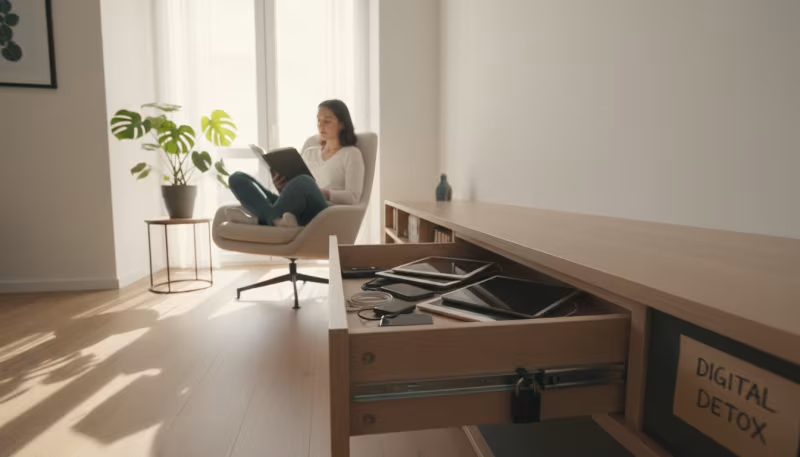
Finally, a word on technology and presence. While it's tempting to scroll through endless vacation photos, sometimes a digital detox is what you really need. Set boundaries for your screen time.
Use tech to enhance your return (like listening to a travel podcast or using a meditation app) rather than letting it overwhelm you. Avoid doom-scrolling and comparing your life to others' highlight reels. Be present in your own reality, which includes the beautiful memories you just made.
Smart Strategies for a Smooth Re-Entry: Tech, Fashion & Productivity Hacks
Navigating the return to routine isn't just about managing your mood; it's also about proactively structuring your environment and tasks to support a smooth transition. This is where smart planning, a little tech savvy, and even a thoughtful approach to your wardrobe can make a huge difference in beating that brain fog and regaining your sense of control.
Let’s start with tech-assisted re-entry. Your phone, often a source of distraction, can also be your most powerful ally in getting back on track. Before you even unpack, spend 15 minutes syncing your calendar.
Add those appointments, work deadlines, and social events you missed. Use a task management app (I’m a big fan of Todoist or Things 3) to jot down all those little things that accumulated while you were away – replying to emails, making a doctor's appointment, paying a bill. Breaking tasks down into smaller, manageable chunks makes them less daunting.
And here’s a pro tip: schedule "email catch-up" blocks rather than letting your inbox dictate your day. Silence unnecessary notifications. We don't need constant pings when our brains are already feeling hazy.
Use tech to create structure, not chaos.
Now, let's talk about wardrobe refresh: comfort meets style. After living in swimsuits and breezy dresses, the thought of "real clothes" can be a drag. But how you dress can impact how you feel.
Instead of just grabbing the first thing you see, take a moment. Plan a few comfortable yet put-together outfits for your first few days back. Think soft fabrics, easy layers, and colours that make you feel good.
Maybe it’s a stylish loungewear set for working from home, or a chic but comfy sweater and jeans for your first office day. What I’ve learned is that putting a little effort into my appearance, even when I don’t feel like it, often gives me a subtle psychological boost. It's about feeling competent and ready for the day, without sacrificing the comfort you've grown accustomed to.
It's not about being 'dressed up' but about feeling intentionally 'put together'.
Setting boundaries and managing expectations is another key strategy. When you return, everyone will want a piece of you – colleagues, friends, family. It’s okay to say no, or "not yet." Don't overcommit yourself in the first week back.
Schedule your most important tasks for the times of day you feel most alert, knowing that your energy levels might be a bit wonky. Communicate your needs to your team if possible – "I'm still readjusting to the time change, so I'll be focused on X and Y today." Protecting your energy and time is vital for preventing overwhelm.
This includes managing your digital boundaries, too; put an out-of-office on your personal email for an extra day, for example, to give yourself breathing room.
And finally, let's not overlook the psychological benefits of a structured post-vacation ritual: unpacking, laundry, and organizing. While it might be the last thing you want to do, tackling these tasks efficiently can significantly reduce stress. My personal rule is to unpack immediately upon returning, even if it's just sorting dirty clothes into the hamper and putting clean items away.
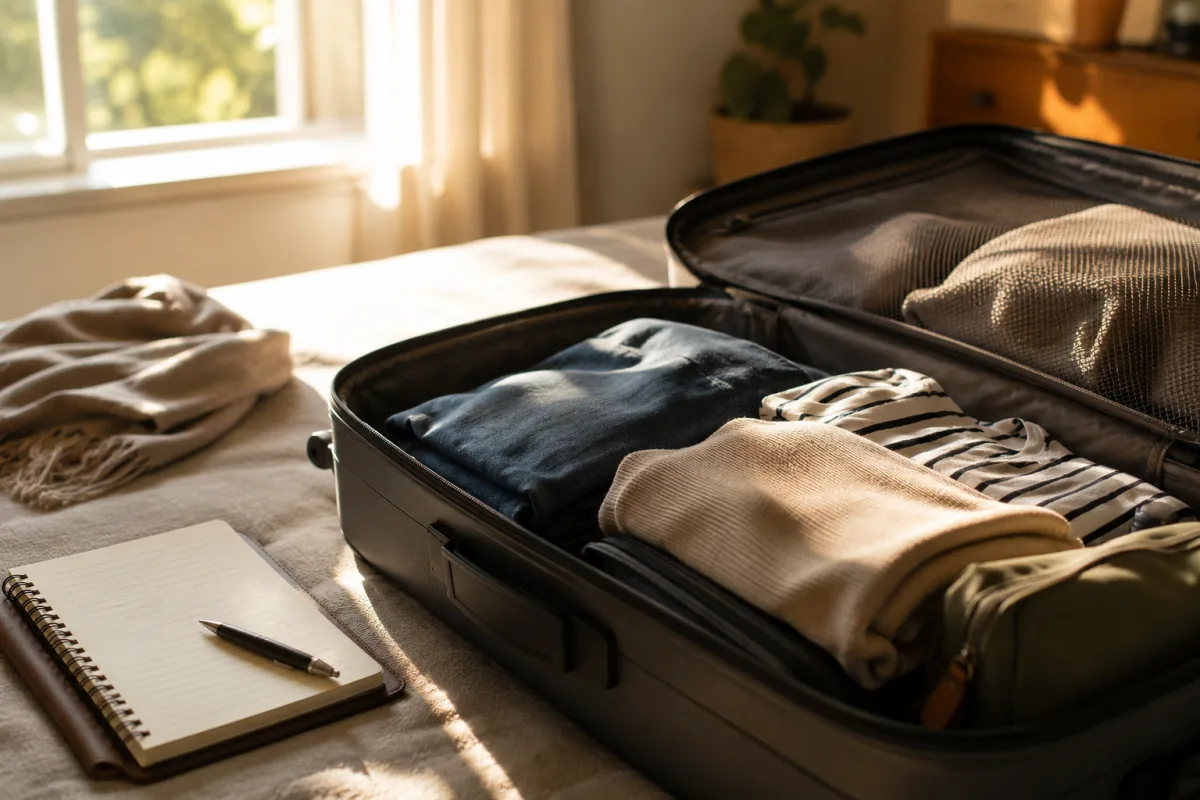
Don't let your suitcase sit open for days, acting as a visual reminder of unfinished business. Creating a sense of order in your home can help restore a sense of order in your mind. Put on some upbeat music, maybe a travel playlist from your trip, and get it done.
It’s a physical act of closing the travel chapter and opening the home one, allowing you to move forward without lingering clutter.
Common Mistakes to Avoid
When you're trying to shake off post-vacation blues and brain fog, it's easy to fall into traps that can actually make things worse. Knowing what not to do is just as important as knowing what to do. So, let’s talk about some common pitfalls I’ve seen myself and others make, and why you should steer clear of them.
First off, ignoring the symptoms. Pretending you're fine when you feel utterly drained or teary-eyed won't help anyone. This isn't a minor inconvenience; it's your body and mind telling you they need time to adjust.
Shoving those feelings down only means they'll likely resurface later, perhaps in a more intense way. Acknowledge what you're feeling and be kind to yourself. It's okay to feel a bit sad that your amazing trip is over.
Another big one is jumping straight into intense work or a packed schedule. If you land on a Sunday evening and expect to hit the ground running at 100% on Monday morning, you're setting yourself up for failure. Our brains need a buffer.
I’ve made this mistake so many times, thinking I could power through, and all it led to was feeling overwhelmed, unproductive, and even more frustrated. Ideally, give yourself a full day (or even two!) at home before returning to work. Use that time to unpack, grocery shop, and simply exist without a demanding schedule.
Over-scheduling immediately after returning is another trap. We often feel guilty about being away and try to compensate by saying yes to every social invitation or work task. Resist this urge!
Your energy levels are likely lower than usual, and your ability to focus is compromised. Be selective. Choose one or two social engagements you genuinely look forward to, and politely decline the rest for the first week or so.
It’s about protecting your peace and energy.
And oh, the dreaded leaving unpacking until the last minute (or never!). I know, it’s the absolute worst part of coming home. But a suitcase sitting half-open in the corner, filled with dirty laundry and souvenirs, is a constant visual reminder of unfinished business.
It contributes to mental clutter and prevents you from feeling truly settled. Bite the bullet. Unpack, do your laundry, put things away.
It’s a ritual that signifies closing one chapter and opening another, clearing physical and mental space.
Finally, and this is a subtle but powerful one: constantly comparing your local life to your vacation experiences. "This coffee isn't as good as the one in Rome," or "My commute is so boring compared to exploring those ancient streets." While it's natural to reminisce, dwelling on what's "lesser" about your home life creates dissatisfaction.
It blinds you to the unique joys and comforts that your home and routine offer. Shift your focus. Instead of comparing, try to find ways to appreciate the familiar, or even incorporate elements of your vacation joy into your everyday.
Life back home has its own beauty, we just need to actively seek it out.
Expert Tips for a Smoother Landing
For those of you who really want to master the art of the smooth return, I've got a few advanced tips that can elevate your post-vacation strategy. These are things I've picked up over years of travel, and they've truly made a difference in how quickly I can re-engage with my life without feeling completely depleted.
My number one expert tip is pre-vacation planning for your return. Yes, you heard that right! Before you even leave, do a few things that will thank yourself later.
Schedule a grocery delivery for the day you get back. Leave your house clean so you don't return to a mess. Do a load of laundry of everyday clothes so you have clean outfits ready.
Block out your calendar for the first half of your first workday back, so you don't schedule meetings you'll regret. The future is a gift, and pre-planning helps you open it gently.
Secondly, consider creating a "vacation highlight reel" – physical or digital. Immediately after your trip, while memories are fresh, pick your top 10-20 favourite photos or short video clips. Turn them into a quick digital album, a printed photo book, or even just frame a couple.
This serves as a tangible reminder of the joy, making those memories accessible without requiring hours of scrolling through your entire camera roll. It helps you savour the positive without feeling overwhelmed or dwelling too long in the past. I even create a small playlist of music I discovered on my trip to listen to while I'm doing mundane tasks!
Here’s another one: learn from each trip. After you've had a little time to settle back in, reflect on what made your vacation great. Was it the spontaneity?
The time in nature? The delicious food? How can you consciously integrate elements of that joy into your everyday life?
If you loved the daily walk in a new city, can you make time for a regular walk in your local park? If you enjoyed trying new restaurants, can you commit to trying one new local spot a month? It's about taking the essence of what recharged you and finding ways to replicate it at home.
And finally, an important expert tip: know when to seek professional help. While post-vacation blues are common, if your feelings of sadness, lethargy, or brain fog persist for more than a couple of weeks, or if they start to significantly interfere with your daily life, it's absolutely okay – and encouraged – to reach out to a mental health professional.
Sometimes, travel can unearth underlying issues, or a prolonged slump could be a sign of something more. There's no shame in seeking support; it's a sign of strength and self-awareness. Your well-being is paramount.
Final Thoughts
Coming back from an incredible journey can be tough, there’s no denying it. The contrast between freedom and routine, novelty and familiarity, can leave us feeling a little lost in the shuffle. But here’s the wonderful truth: your life at home is capable of bringing you immense joy, too.
It’s not about erasing the magic of your trip, but about integrating it, letting it inspire you, and finding ways to sprinkle that vacation feeling into your everyday. Be patient with yourself, allow for a gentle re-entry, and lean on the strategies we’ve talked about. You’ve just experienced something amazing, and that experience has enriched you.
Now, it's time to bring that enriched version of yourself back into your world, feeling refreshed, inspired, and ready to tackle whatever comes next, albeit a little slower at first. So, take a deep breath, grab that favourite souvenir, and remember: you've got this. What's one small step you'll take today to ease your return?
Save for later
Found this helpful?
Pin this article to your Pinterest board and come back to it whenever you need a reminder.
Save to Pinterest