
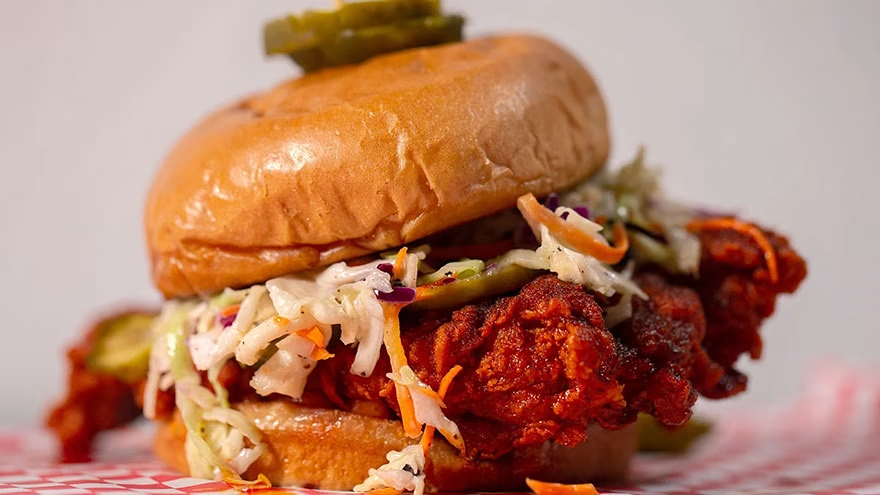
How to Eat in Las Vegas on the Cheap is less about finding one magic buffet and more about timing, geography, and refusing to pay convenience prices all day. Las Vegas can be expensive, but it also has food courts, bakeries, taco counters, Chinatown spots, grocery runs, happy hours, and hotel-room meals that save real money.
The trick is to plan food before hunger makes the decision. If you wait until everyone is tired on the Strip at 9 p.m., the nearest option usually wins. The nearest option is rarely the cheapest.
What Counts As Cheap In Las Vegas?
Cheap is relative in a resort city. A low-cost meal on the Strip may still be more expensive than the same meal away from the tourist corridor. Set a daily food number before you arrive, then decide which meals deserve restaurant money.
A practical budget might split the day into one paid sit-down meal, one fast casual meal, and one hotel-room or snack meal. That keeps the trip fun without turning every hunger pang into a $35 decision.
Where Should You Stay For Food Savings?
Room location matters. A hotel near several food courts, pharmacies, convenience stores, and transit stops gives you more choices. A cheaper room far from food may cost more once rides, tips, and time are counted.
If the room has a fridge, use it. Yogurt, fruit, leftovers, drinks, and breakfast items can cut daily spending. If there is no fridge, buy shelf-stable snacks and water rather than paying casino-shop prices each time.
How Do You Use Food Courts Well?
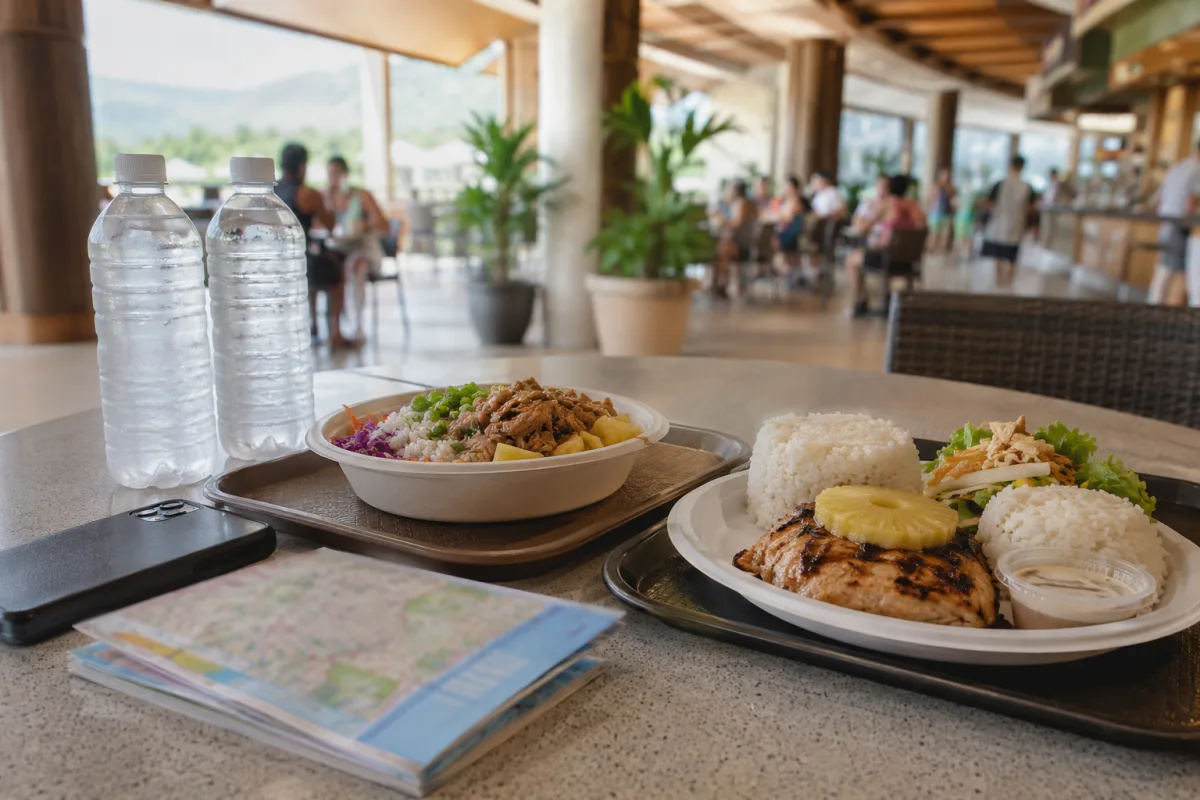
Food courts are not glamorous, but they can keep a group from overspending. Look for shared seating, refillable water, combo meals that are actually filling, and places where one person can eat light while another wants a bigger plate.
The official Las Vegas tourism site maintains dining information, including budget-friendly restaurant ideas. Use pages like that as a starting point, then check current menus before you walk across the Strip for a deal that may have changed.
Are Buffets Still A Cheap Option?
Sometimes, but not automatically. Modern Las Vegas buffets can be premium experiences with premium prices. They may still be a value if you treat the meal as the main event and skip a second restaurant meal that day.
Check the current price, service fee, reservation rules, and hours. A buffet that looks cheap online may only be cheap at a time you cannot use. Do not build the budget around old buffet memories.
How Can Happy Hour Help?
Happy hour can be useful if you are flexible. The savings are usually tied to narrow times, bar seating, limited menus, or smaller portions. That works well for snacks, early dinners, and shared plates before a show.
Read the menu carefully. A $7 appetizer is not cheap if you need four of them. A discounted drink can also erase food savings fast. Go for actual food value, not the feeling of getting a deal.
Should You Leave The Strip To Eat?
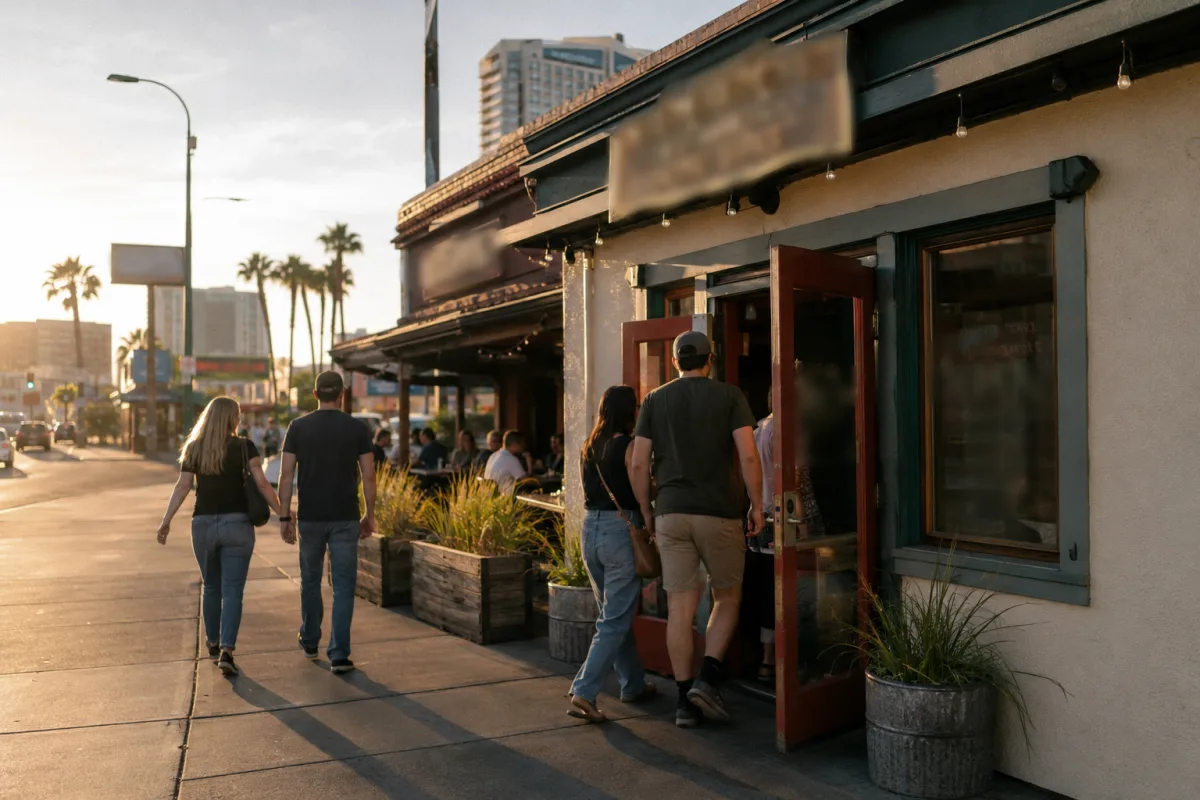
Often, yes. Chinatown, downtown, local taco shops, bakeries, and neighborhood restaurants can give better food for the money. The tradeoff is transportation. A cheap meal that takes two rides and an hour may not fit every trip.
Eater Vegas keeps updated lists of affordable Las Vegas restaurants. Use that kind of list to find neighborhoods, then confirm hours and current prices directly before going.
How Do You Save On Breakfast?
Breakfast is the easiest meal to simplify. Coffee, fruit, yogurt, pastries, oatmeal cups, or leftovers can handle the morning. Save restaurant money for lunch or dinner, when the meal feels more like part of the trip.
If you need a sit-down breakfast, walk a little away from the busiest casino paths or eat later when brunch crowds thin. Also check portions. One large breakfast plate may feed two lighter eaters.
Should You Use Casino Rewards?
Player cards and hotel loyalty accounts can bring dining credits, discounted food, or app-only offers. Use them if they already fit your plans. Do not gamble or book a worse room just to chase a food credit that saves less than it costs.
Check the rules before counting a credit as cash. Some offers exclude taxes, tips, alcohol, or certain restaurants. A reward that only works at an expensive place may still leave you with a high bill.
What About Water And Snacks?
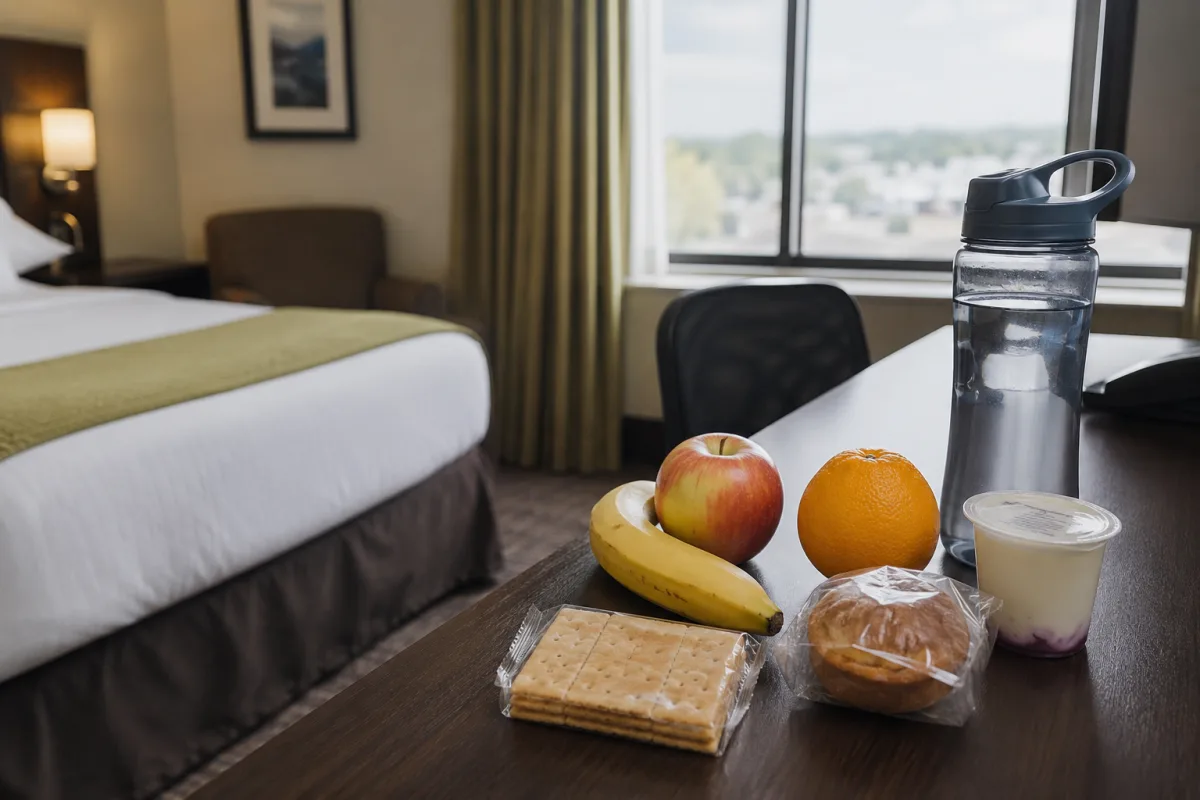
Buy water and snacks before you need them. Convenience shops inside resorts are easy but often costly. A short pharmacy or grocery stop can cover water, electrolyte packets, fruit, nuts, crackers, and late-night snacks.
This matters in hot weather. Dehydration makes people tired, cranky, and more likely to buy the nearest overpriced drink. If you plan walking-heavy days, Livecub's walking stick adjustment guide is unrelated to dining, but the same travel lesson applies: comfort planning saves energy.
How Do Transit Choices Affect Food Cost?
Transportation changes the true price of a meal. The RTC Southern Nevada fares page is worth checking if you plan to use buses around the Strip, downtown, or local neighborhoods.
Before leaving the Strip for a cheaper dinner, add the fare or rideshare cost to the bill. A $14 meal across town is not cheaper if the round trip costs more than staying nearby.
How Do You Avoid Tourist Menu Traps?
Look for menus with current prices posted before you sit down. Watch for automatic gratuity, resort-area fees, cover charges, bottled-water pressure, and vague "market price" items. Ask before ordering if the menu is unclear.
Also avoid eating only because a sign says famous. Famous can be great, but it can also mean long lines, inflated prices, and average food. Spend on the places you actually care about.
Can You Share Meals Without Being Awkward?
Yes, in many casual places. Large portions, pizza slices, noodle bowls, bakery items, and food court plates can be shared. At sit-down restaurants, ask politely if sharing is allowed and whether there is a plate charge.
Sharing works best when everyone agrees before ordering. Otherwise one person thinks the group is saving money and another person thinks dinner was stolen from them. Budget talk is easier before the server arrives.
Where Should You Spend More?
Pick one meal or snack that feels specific to the trip. That might be a favorite chef, a late-night noodle bowl, a steakhouse lunch special, or dessert after a show. Cheap travel does not mean every bite has to be the lowest possible price.
The point is to spend on purpose. Save on water, breakfast, and random hunger stops so the chosen meal feels good instead of guilty.
What Should You Pack For Food Savings?
Bring a refillable water bottle if your plans allow it, a few sealed snacks, antacids if you use them, and a small bag for leftovers. If you are flying, pack light snacks that will not melt or crumble into your clothes.
If you are adding Nevada side trips, Livecub's Laughlin-area guide and Nevada meteorite places guide are reminders that food planning changes once you leave resort zones.
How Do You Build A Cheap Eating Day?
Try this pattern: hotel-room breakfast, casual lunch away from peak tourist lines, happy-hour snack before an evening event, and a planned late-night slice or noodle stop. Put water and snacks in the room before the night starts.
For a nicer meal, keep breakfast and lunch simple. That way the splurge feels chosen rather than accidental. Las Vegas is easier on the wallet when every meal has a job.
Frequently Asked Questions
Is food cheap on the Las Vegas Strip?
Some food is affordable, but the Strip rewards planning. Food courts, happy hours, and shared meals help.
Is Chinatown worth leaving the Strip for?
Often, if the transportation cost and time make sense for your schedule.
Are convenience stores cheaper than casino restaurants?
Usually for water, snacks, and simple breakfast items, though resort locations can still be pricey.
Should I rent a car to save on food?
Not only for food. Parking, traffic, rental fees, and rideshare alternatives need to be compared.
How do I avoid overspending late at night?
Keep snacks in the room and pick one late-night food stop before the evening starts.
What Is The Best Cheap Eating Strategy?
Plan one meal you care about, keep one meal simple, and use the third meal to save money. Check current menus, count transportation, buy water early, and avoid convenience decisions made while tired. Las Vegas can still be fun without letting food costs run the whole trip.

Alyssa Curlin
Edits general health, nutrition and education explainers. Medical topics are educational and link to public-health guidance.



Leave a reply
Replying to