
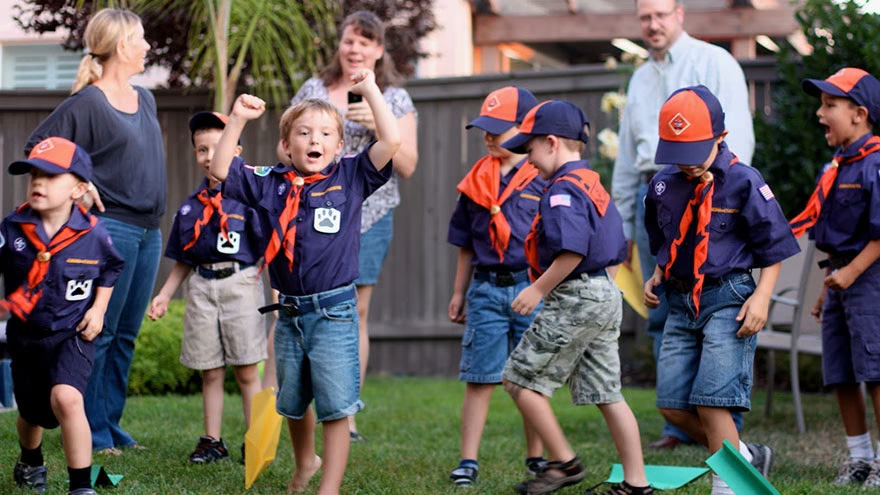
How to Lead a Cub Scout Meeting starts before the kids arrive. A good meeting has a clear purpose, a safe room, enough adults, a simple opening, active work, a short closing, and a plan for parents.
Cub Scouts do best when the pace moves. Long speeches lose them. A leader's job is to create enough structure that the meeting feels calm, but enough activity that kids actually want to come back.
Know Which Meeting You Are Leading
A den meeting and a pack meeting are not the same. A den meeting is usually smaller and focused on rank adventures or den work. A pack meeting brings families together for celebration, announcements, and shared activities.
Scouting America says the den meeting is where Cub Scouts build friendships, learn together, and work toward their badge of rank: Scouting America den meeting resources.
Before planning, clarify your responsibility: advancement work, a family event, a ceremony, or a pack-wide program.
Start With Safety And Supervision
Safety is not an afterthought. Confirm adult coverage, room setup, bathrooms, exits, medical needs, allergy concerns, transportation rules if any, and who is allowed to pick up each child.
Scouting America's Guide to Safe Scouting is the central policy resource leaders should know: Guide to Safe Scouting.
If your meeting includes tools, food, outdoor time, water, fire, or travel, check current program rules before improvising.
Follow Youth Protection Rules
Leaders need current training and should understand supervision rules before running meetings. Do not put yourself or a child in a one-on-one situation.
Scouting America's youth protection guidance explains reporting responsibilities and adult leadership expectations: Scouting America youth protection.
Parents may not see all the planning, but they notice when a meeting feels safe, visible, and professionally handled.
Build A Simple Agenda

A workable meeting agenda often looks like this: gathering activity, opening, main activity, quick reflection, announcements, closing, cleanup.
Keep each part short. If the main activity needs twenty minutes, do not spend fifteen minutes explaining it. Show the first step and let kids begin.
Put times beside each section, then cut one activity. Most new leaders overplan.
Use A Gathering Activity
A gathering activity gives early arrivals something to do and protects the start of the meeting from chaos. It should be self-explanatory and easy to stop.
Good options include a simple puzzle, knot practice, coloring related to the adventure, a quick building challenge, or a quiet teamwork task.
Avoid activities that create a mess before the meeting actually starts unless you have cleanup help.
Open The Meeting Clearly
The opening tells kids that the meeting has started. Use a flag ceremony, Scout Oath and Law, a short welcome, or a one-minute question tied to the theme.
Do not turn the opening into a lecture. Kids can stand respectfully for a few minutes; they cannot hold still forever.
If a child is nervous about speaking in front of the group, handling big kid emotions is a younger-child guide, but the same calm response matters.
Teach By Doing

Cub Scout meetings should be hands-on. If the adventure is about first aid, practice bandaging. If it is about citizenship, run a short role-play. If it is about outdoors, handle gear.
Use stations if the group is large. Three ten-minute stations often work better than one long whole-group activity.
Ask parents or assistant leaders to run stations with clear written instructions.
Plan For Behavior Before It Happens
Behavior problems are easier to prevent than fix. Tell Scouts what to do, not only what not to do: sit on the line, keep hands on your own project, walk to the next station.
Use short resets: stand, stretch, repeat the next instruction, and restart. Avoid public shaming.
If you regularly have siblings or younger children nearby, room-by-room safety thinking is written for homes but useful as a safety mindset.
Keep Parents In The Loop

Parents need to know drop-off time, pickup time, uniforms, supplies, snack rules, cost, permission forms, and what was completed toward advancement.
Send one clear message before the meeting and one brief follow-up after. Do not bury key details inside a long chat thread.
If parents are helping, give jobs with names: snack table, station two, cleanup, attendance, photos if allowed.
Handle Snacks Carefully
Snacks can help, but they can also derail the meeting. Ask about allergies, keep food simple, and know the facility rules.
Avoid using sugar as the main excitement. A good activity should carry the meeting, not a frosting rush.
If a family brings food, ask for ingredient information and a cleanup plan.
Close With A Next Step
The closing should not drag. Recap what was completed, thank helpers, say what comes next, and end on time.
A short recognition moment can mean a lot. Notice effort, teamwork, kindness, and problem-solving, not only perfect results.
If you need group activity ideas, interactive group activity ideas is for another audience, but the facilitation principle of active participation still applies.
After The Meeting
Take five minutes after cleanup to write what worked, what ran long, what supplies were missing, and which Scout needs follow-up.
Update advancement records while the meeting is fresh. Waiting a month makes small details hard to remember.
Thank volunteers quickly. A short thank-you message makes it more likely they will help again.
Prepare Materials In Bins
Put each activity's supplies into a separate bin or bag. Add a note card with the activity name, instructions, and cleanup needs.
This keeps helpers from interrupting you every two minutes and makes it easier to hand a station to a parent at the last second.
Bring extra pencils, tape, trash bags, wipes, and a simple backup game. Small supplies save meetings.
Use Jobs For Restless Scouts
Some Scouts focus better when they have responsibility. Give jobs such as flag helper, supply runner, timekeeper, cleanup captain, or demonstration helper.
Rotate jobs so the same confident child does not take every role. A quiet Scout may shine with a small predictable task.
Jobs should be real, not decorative. Kids notice when adults invent fake responsibility.
Handle Transitions Out Loud
Transitions are where meetings often get noisy. Give a warning, say the next step, and show where bodies should go.
Try: you have two minutes, then put supplies in the blue bin and sit on the carpet. Short directions beat long explanations.
If the room is loud, lower your voice and use a signal the Scouts already know. Do not compete with the noise forever.
Plan For Mixed Ages
Cub Scout groups can include different maturity levels. Younger Scouts may need movement and visuals; older Scouts may need more challenge and ownership.
Offer the same goal with different difficulty. One child can draw a plan, another can build it, and another can explain how it works.
If younger siblings are present, make clear whether they are participating or staying with a parent.
Keep Advancement Honest
Do not mark requirements complete just because everyone attended. Know what the adventure actually asks for and build the activity around it.
If a Scout misses a key part, offer a simple makeup option. Families appreciate clarity more than vague credit.
Record completion soon after the meeting so advancement stays accurate.
Use A Backup Plan
Every leader needs a ten-minute backup. Weather changes, supplies disappear, a guest cancels, or the main activity ends early.
Good backups include a quiet teamwork challenge, a reflection circle, a simple relay, a Scout Law scenario game, or cleanup with a purpose.
A backup should require almost no setup. If it needs special supplies, it is not really a backup.
Train Helpers During The Meeting
Parents may want to help but not know how. Give them a script: ask this question, hand out these supplies, keep this group on step two.
A nervous helper with clear instructions is more useful than a confident helper guessing.
After the meeting, ask which job they would be willing to do again.
Frequently Asked Questions
How long should a Cub Scout meeting be?
Many den meetings work best around an hour, but timing depends on age, activity, travel, and pack practice.
What should I do first as a new leader?
Complete required training, read current meeting resources, confirm supervision rules, and plan one simple meeting.
How do I keep Cub Scouts focused?
Use short instructions, hands-on activities, movement, stations, and clear adult jobs.
Should parents stay for the meeting?
Follow pack practice and supervision rules. Parent helpers can be useful when jobs are clear.
What if an activity fails?
Move on calmly. A quick reflection and a shorter backup activity can save the meeting.

Patrick Harwood
Edits sports, consumer-finance and general legal explainers. Regulated or time-sensitive topics link to primary sources and are not professional advice.



Leave a reply
Replying to