
How to Make a Subliminal Recording should start with a clear limit: subliminal audio is not proven as a reliable way to treat mental health problems, change behavior, or force the mind to accept a message. If you make one, treat it as a private relaxation or intention-setting audio, not medical care.
This article is general health education. Do not use subliminal recordings for depression, trauma, addiction, eating disorders, phobias, psychosis, or self-harm risk instead of professional care. Do not make recordings meant to manipulate another person without consent.
Decide On An Ethical Purpose
Use the recording only for yourself or for someone who clearly asked for it. A reasonable purpose might be sleep wind-down, study confidence, rehearsal of a calm routine, or a reminder to pause before reacting. Avoid claims that the recording will cure illness or control behavior.
The National Academies review on subliminal self-help audiotapes found no solid basis for claims that such tapes improve human performance. That should shape the promise you make.
Write Plain Statements
Use ordinary, believable statements. Examples: I can return to the task. I can pause and breathe. I can ask for help. Avoid extreme claims such as I never feel fear or I am perfect. The brain tends to reject statements that feel fake even when they are audible.
If nervous performance is the real issue, Livecub's stage fright article gives direct skills that are easier to test than hidden messages.
Keep The Audio Audible Enough
Many so-called subliminal tracks bury the voice so deeply that the listener cannot check what is being said. That raises both trust and safety problems. A better approach is low-volume affirmations under calm sound, where the words can still be reviewed before export.
If you would be embarrassed for the listener to hear the words clearly, do not put them in the recording.
Choose A Simple Recording Setup
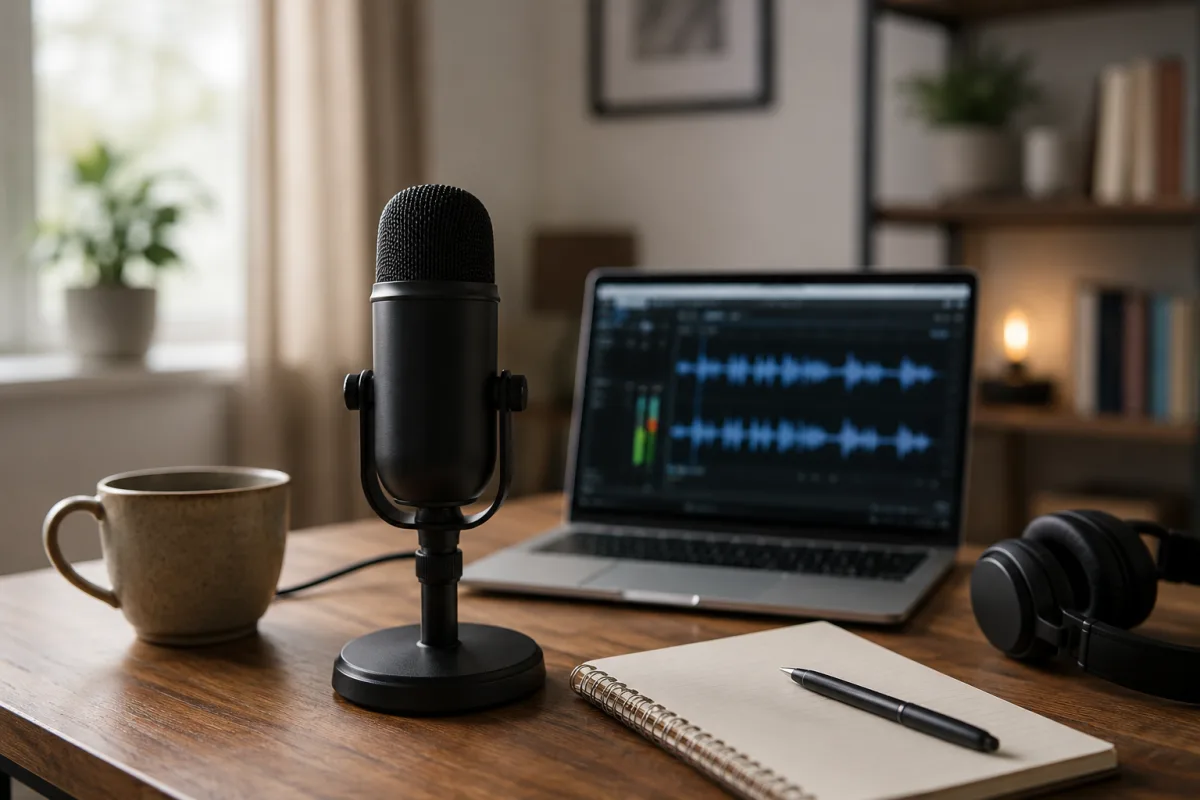
Use a quiet room, a phone or USB microphone, and free audio software if needed. Record in short takes. Speak slowly. Leave space between lines. A clean, calm recording is better than a heavily processed one that hides hiss, clipping, and strange volume jumps.
Do not use headphones at high volume. Hearing safety matters more than atmosphere.
Use Background Sound Carefully
Rain, soft noise, or gentle instrumental sound can make the track easier to listen to. Keep the background steady. Sudden bells, bass jumps, or sharp frequencies can wake people up or create tension.
If the track is for sleep, avoid anything that encourages unsafe headphone use overnight.
Edit Without Hiding Harm
Editing can remove mistakes and balance volume. It should not hide manipulative statements. Normalize levels gently and listen through the full file before using it. If the recording includes instructions, make sure they are safe if heard while relaxed or sleepy.
A PubMed-listed study on subliminal messages and self-esteem found effects consistent with expectation and labeling rather than strong hidden-message power. Keep expectations modest.
Avoid Medical Claims
Do not say the recording treats anxiety, depression, ADHD, trauma, infertility, pain, or cancer. A calming audio can be pleasant without becoming a health product. If you share it, describe it as relaxation audio or personal reminders.
For anxiety-sensitive situations, Livecub's nervousness guide offers practical steps that do not rely on hidden audio.
Do Not Use During Driving
Relaxation recordings can slow attention. Do not use them while driving, operating equipment, supervising children in water, cooking over heat, or doing work where alertness matters. If the track makes you sleepy, treat it like sleep audio.
Safety instructions should be audible at the start if the file might be shared.
Test The Track
Listen once while fully awake. Check for harsh sounds, strange wording, volume spikes, or emotional discomfort. Then try it during a low-stakes moment. If it makes you uneasy, delete it. You do not need to push through a recording that feels wrong.
A private journal can help separate the track's effect from expectation. Livecub's food journal article shows the same pattern-tracking idea in another context.
Use It As A Cue
The most honest use is cueing a routine. Play the recording, dim lights, put the phone away, stretch, breathe, and sleep. Or play it before studying, then open the book for ten minutes. The routine may be doing more work than the hidden message, and that is fine.
A cue that leads to action is more useful than a hidden promise that asks you to wait for change.
Keep Consent Clear
Do not place subliminal messages into music, videos, or shared meditation files without telling people. Consent matters even if the effect is uncertain. People deserve to know what they are hearing.
If the content is for a child, skip hidden messages and use audible, warm, age-appropriate language instead.
Record An Audible Version First
Before lowering the voice under background sound, record an audible version and listen to every line. This protects you from awkward wording, accidental pressure, or statements that sound harsher than intended. Keep that script file with the project.
If the audible version feels uncomfortable, the hidden version should not be used.
Keep The Session Short
A five to ten minute track is usually enough for a routine cue. Long tracks invite sleep, boredom, or overuse. If you want a longer soundscape, keep the spoken lines sparse and calm rather than repeating commands for an hour.
Short files are also easier to test and revise.
Use Positive But Honest Language
Use statements that point toward a behavior: I can start with two minutes. I can return after distraction. I can rest now. Avoid grand promises or statements that deny real feelings. Honest wording reduces the risk of turning the track into another form of pressure.
A useful recording should make the next small action feel easier, not make your life sound fake.
Store It Privately
Keep the file labeled and stored where other people will not mistake it for ordinary music. If you share a device, use a clear title so no one plays it without context. Privacy and consent are part of responsible audio creation.
Delete old versions that contain wording you no longer want to use.
Keep A Written Script
Save the exact script in a text file. If you later feel worse, uneasy, or pressured, you can review what was in the recording. This is especially useful if you use the track at night or while very tired.
A written script also makes consent possible if another adult asks to hear or use the recording.
Replace Hidden Messages With Clear Practice
For many goals, clear practice works better than hidden audio. If the goal is studying, set up the desk and start with five minutes. If the goal is calmer sleep, dim the room and keep a bedtime rhythm. Let the recording support those actions rather than pretend to do them for you.
The routine is measurable. The hidden message is not.
Avoid Vulnerable Listeners
Do not give subliminal-style recordings to children, people in crisis, people with psychosis symptoms, or anyone who cannot review and consent to the content. Even if the effect is uncertain, the trust issue is real.
Use open, audible reassurance instead.
If You Use Headphones
Keep the volume low enough that ordinary speech nearby would still be noticed. Do not sleep with tight earbuds that irritate the ear canal, and do not use the track as a way to block out responsibilities, alarms, or caregiving needs. Comfort audio should not create a new safety problem.
Do Not Chase A Perfect Mix
People can spend more time adjusting volume layers than practicing the habit they wanted. Once the track is safe, clear, and comfortable, stop editing and use it only as a small cue.
Frequently Asked Questions
Do subliminal recordings work?
Evidence for strong self-help effects is weak. They may work mainly as relaxation, expectation, or routine cues.
Can I use one for anxiety?
Do not use it as treatment. Calming audio may support relaxation, but anxiety care should be direct and evidence-based.
Should the words be impossible to hear?
No. You should be able to review the words for safety and consent.
Can I make one for someone else?
Only with clear consent and no medical or manipulative claims.
What software do I need?
A phone recorder or basic audio editor is enough for a simple personal track.
The Practical Takeaway
Make a subliminal recording only as a modest, consent-based relaxation or intention cue. Write safe statements, keep the audio reviewable, avoid medical claims, and pair the track with real habits.

Cashie Evans
Covers parenting and practical household topics with clear steps, safety notes and links to current guidance.



Leave a reply
Replying to