
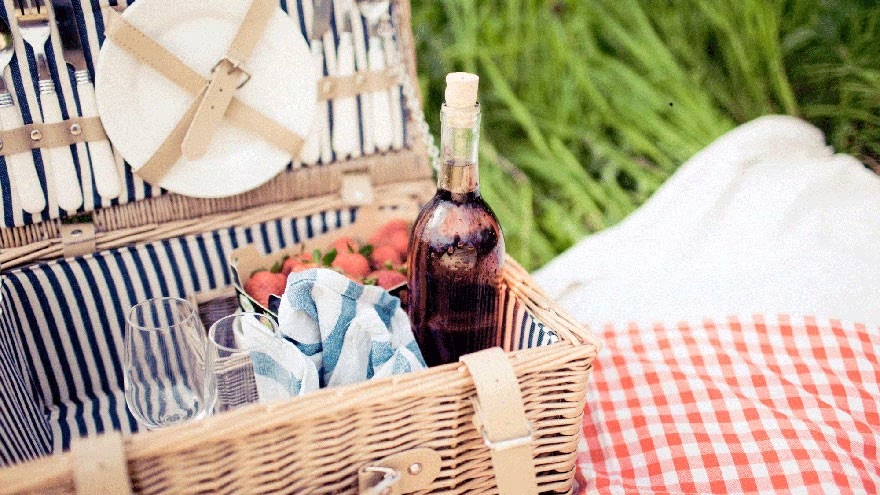
Planning a perfect picnic is less about perfection and more about removing the usual friction: no table, no shade, warm food, missing napkins, wet grass, bugs, trash, and a cooler that gets opened every five minutes. The old picnic article had strong practical instincts: know the location, pack a basket of basics, plan comfort items, keep cleanup supplies ready, use coolers well, and separate drinks from food. This rewrite keeps those useful habits while tightening the food safety, packing, and location planning.
Choose the picnic location first
The location decides almost everything. A backyard picnic can use real plates, shade, and the refrigerator. A park picnic may need a table reservation, backup blanket, shade plan, and trash plan. A trail picnic needs lighter food and less packaging.
If you are visiting a scenic spot, think like a traveler before thinking like a cook. A route-planning article such as visiting the Spiral Jetty shows the same mindset: know access, weather, distance, and what you must bring before you arrive.
Plan for the ground. Wet grass, sand, gravel, and uneven picnic tables all change what you should pack.
Pack a permanent picnic kit
Keep a container stocked with plates, napkins, utensils, cups, a can opener, bottle opener, small cutting board, knife cover, paper towels, trash bags, wipes, hand sanitizer, salt, pepper, clips, and a small first aid kit. Restock it after each picnic, not right before the next one.
Add a tablecloth, tablecloth clips or weights, a blanket with a waterproof layer, folding chairs, sunscreen, bug spray, sunglasses, and a charged phone. If you picnic often, some of these can live in the car during the season.
The kit saves the day. Forgotten utensils can make even good food annoying to eat.
Build a menu that travels
Choose food that tastes good cold or at room temperature for a short period, can be packed without crushing, and does not need complicated assembly. Sandwiches, grain salads, chilled chicken, cut fruit, hard cheeses, crackers, vegetables, dips, cookies, and simple cakes all work when packed carefully.
A recipe such as easy Yugoslavian chicken can inspire picnic protein if the cooked chicken is chilled, packed safely, and served cold or reheated properly. Avoid lukewarm meat sitting in the sun.
Picnic food should forgive movement. If it spills, wilts, melts, or needs a sharp knife, reconsider it.
Use coolers correctly
USDA says cold foods should be held at 40 degrees F or below and suggests bowls of ice or coolers near the picnic table. Its summer cookout guidance is written for outdoor eating and applies well to picnics.
Pack heavy items and meats near the bottom, delicate foods higher, and ice or ice packs around the food. Keep drinks in a separate cooler because that cooler gets opened more often. Put the food cooler in the shade as soon as you arrive.
Cold air escapes fast. Open the cooler with purpose, close it quickly, and do not let children browse it like a pantry.
Follow the two-hour rule
USDA FSIS explains that bacteria grow rapidly between 40 and 140 degrees F, often called the danger zone, and food should not be left out more than 2 hours, or 1 hour above 90 degrees F. Its danger zone page is the rule to remember.
Set a phone timer when food comes out. If you are unsure how long something has been warm, do not bring it home for later. Picnics make it easy to lose track of time because people graze and talk.
When in doubt, throw it out. That rule feels wasteful in the moment, but it is better than turning a picnic into a foodborne illness story.
Make comfort part of the plan
Comfort turns a meal outside into a picnic people want to repeat. Bring shade, seating, sunscreen, insect protection, extra water, layers, and a plan for children or older guests who may need more support.
If the picnic includes walking, a guide like adjusting walking sticks is relevant for the travel side of the day. Comfortable movement matters before and after the meal.
Comfort is not extra. It is the difference between a pleasant afternoon and everyone leaving early.
Clean up well
Bring trash bags, wipes, paper towels, a sponge, and a small bag for dirty utensils. Leave the table, grass, or shelter cleaner than you found it. If the site has wildlife, do not leave crumbs, fruit peels, or food scraps behind.
For destination picnics near views or trails, think about the whole outing. A travel article like waterfalls on Skyline Drive reminds planners that weather, walking distance, parking, and cleanup all shape the experience.
Pack out the awkward stuff. Greasy foil, wet wipes, and broken containers need a place to go before they become someone else's problem.
Pack food by serving order
Put the foods you will serve last near the bottom of the cooler and the first items near the top. This keeps you from digging through cold air and warming everything while searching. It also helps if the picnic starts with snacks and moves toward a meal.
Keep raw items, if any, sealed and separate from ready-to-eat foods. For most simple picnics, it is easier to bring fully cooked food and avoid raw meat unless you are grilling on site with the right tools.
Order saves cold. A cooler packed by sequence stays safer and feels less chaotic.
Plan for weather
Heat, wind, rain, and sudden cold can all change the picnic. Bring shade for hot days, clips for windy tablecloths, a waterproof layer for damp ground, and extra water if the location is exposed.
Have a backup location or time. A picnic can still be pleasant under a pavilion, in a backyard, or at a scenic pullout if the original plan becomes uncomfortable.
Weather is part of the recipe. The same food feels different in full sun, shade, wind, or rain.
Make it easy for children and older guests
Choose seating, shade, bathroom distance, walking distance, and food texture with guests in mind. A beautiful spot is less appealing if someone cannot reach it comfortably or has nowhere stable to sit.
Pack extra water, hand wipes, simple snacks, and a small comfort item for anyone who may need a break. Picnics work best when people can stay comfortable without asking for help every few minutes.
Ease is hospitality. The perfect picnic is the one people can actually enjoy.
Keep drinks separate
A drink cooler gets opened constantly, so it should not share space with perishable food if you can avoid it. Put water, cans, and sealed drinks in one cooler and sandwiches, salads, dairy, and cooked proteins in another.
Freeze some water bottles ahead of time if the picnic is long. They help keep the drink cooler cold and turn into cold water later in the day.
Two coolers simplify everything. Food stays colder, drinks are easier to reach, and the picnic table is less crowded.
Leave no trace at the picnic site
Bring more trash space than you think you need. Food packaging, napkins, fruit peels, and wipes take more room after the meal than before it. If there is no trash can nearby, plan to carry the bag home.
Check under the table and blanket before leaving. Bottle caps, twist ties, and torn wrappers are easy to miss, especially in grass.
Cleanup is part of the outing. A good picnic should not create work for the next person who uses the spot.
Before leaving home, take one photo of the packed cooler and kit. It can help you remember where small items are buried.
Frequently Asked Questions
What food is best for a picnic?
Choose sturdy, chilled foods that travel well: sandwiches, grain salads, cut vegetables, fruit, crackers, cheeses, and simple desserts.
How many coolers do I need?
Two is often better than one: one for food and one for drinks. The drink cooler gets opened more often.
Can I bring hot food?
Yes, but you need proper hot holding or on-site cooking. Otherwise, choose cold foods that stay safe in a cooler.
What should I do with leftovers?
Keep track of time and temperature. If perishable food has been out too long or no longer feels cold, discard it.
A perfect picnic is a prepared picnic. Choose the site first, keep a stocked kit, pack food that travels, use coolers with care, watch the time, and leave the place clean.

Alyssa Curlin
Edits general health, nutrition and education explainers. Medical topics are educational and link to public-health guidance.
Leave a reply
Replying to