

How to Rescue a French Bulldog should begin with the breed's reality. French Bulldogs are affectionate, funny, compact dogs, but rescue Frenchies may come with breathing problems, skin disease, allergies, spinal issues, heat sensitivity, dental needs, or behavior shaped by poor breeding and past stress.
Rescuing one can be deeply rewarding, but it is not a shortcut to an easy dog. A Frenchie rescue needs honesty, money for veterinary care, and a home that understands flat-faced dogs.
Where Should You Look First?
Start with breed-specific rescue organizations and local shelters. The French Bull Dog Club of America lists French Bulldog rescue organizations it supports, including the French Bulldog Rescue Network and French Bulldog Village Rescue.
Breed-specific rescues often understand the medical and behavior patterns that come with Frenchies. Shelters may also have French Bulldogs or mixes, especially when owners surrender dogs because of cost.
What Should You Know About Frenchie Health?
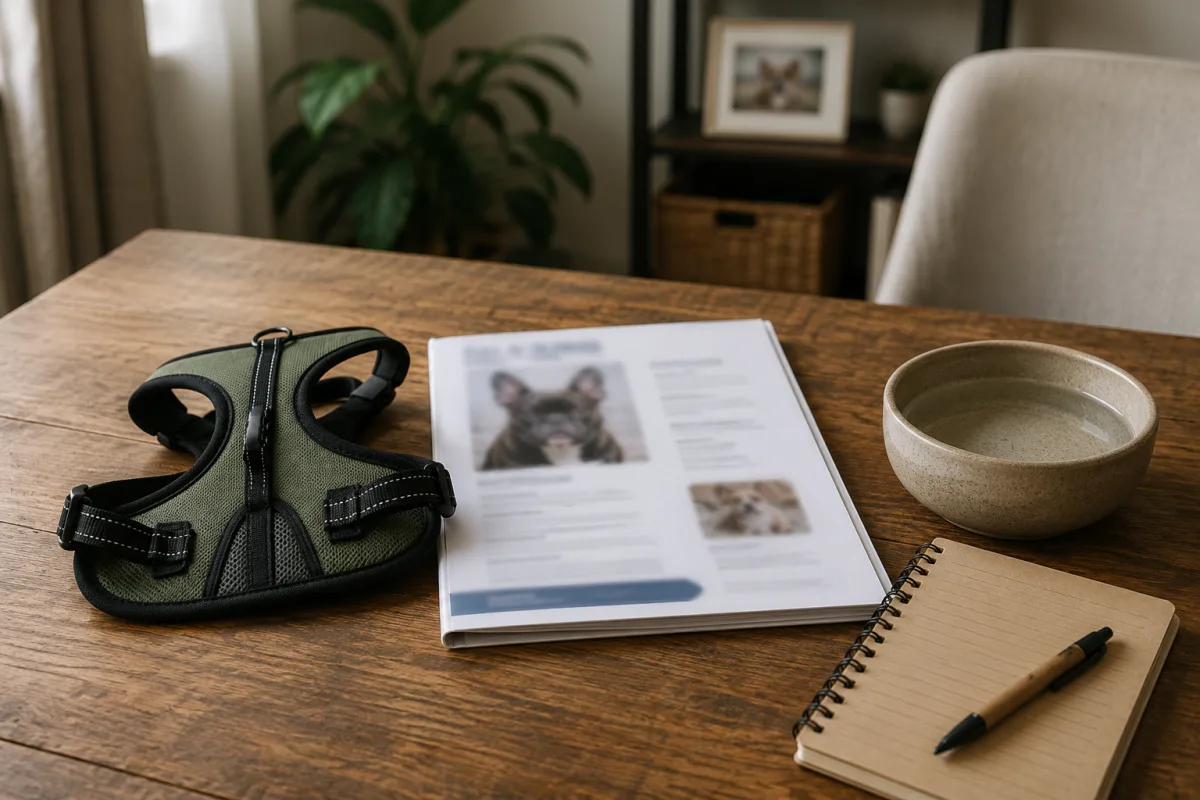
The French Bull Dog Club of America's breed information explains that French Bulldogs are brachycephalic and may have less tolerance for heat, exercise, and stress. That should shape every adoption decision.
Ask about breathing, nostrils, soft palate history, heat episodes, spinal pain, allergies, skin folds, ears, eyes, knees, digestion, medications, surgeries, and anesthesia history. Do not accept "all Frenchies sound like that" as a complete answer.
What Questions Should You Ask The Rescue?
Ask why the dog entered rescue, what medical work has been done, what remains, how the dog handles heat, stairs, walks, children, other dogs, cats, crates, grooming, and being left alone. Ask what the temporary care home sees on an ordinary day.
French Bulldog Rescue Network describes its mission as rescuing, rehabilitating, and rehoming French Bulldogs from several sources through volunteers and temporary home care. Those daily observations can be more useful than a single shelter snapshot.
How Do You Prepare Your Home?

Prepare a cool resting area, secure walking gear, short leash, water bowls, non-slip rugs, washable bedding, stairs or ramps if needed, grooming supplies, and a plan for hot weather. Do not rely on long walks to burn off stress.
Frenchies should not be left in heat, pushed through heavy exercise, or taken on intense outings just because they seem excited. Excitement can hide breathing strain until the dog is in trouble.
How Much Exercise Is Right?
Short, gentle walks and indoor play are often better than hard exercise. Watch breathing, gum color, temperature, fatigue, and recovery. Stop before the dog struggles.
For contrast, Livecub's German Shorthaired Pointer questions shows a very different exercise profile. A Frenchie is not a small sporting dog. It needs careful pacing.
What Costs Should You Expect?
Budget for adoption fee, vet exam, breathing evaluation, allergy care, skin treatment, ear care, dental work, spinal imaging if needed, medications, insurance or savings, and possible surgery. French Bulldog medical care can be expensive.
PetMD's French Bulldog health issues guide discusses common breed problems and why many require serious veterinary care. A rescue discount can disappear quickly if the dog needs treatment.
How Do You Read Breathing Signs?
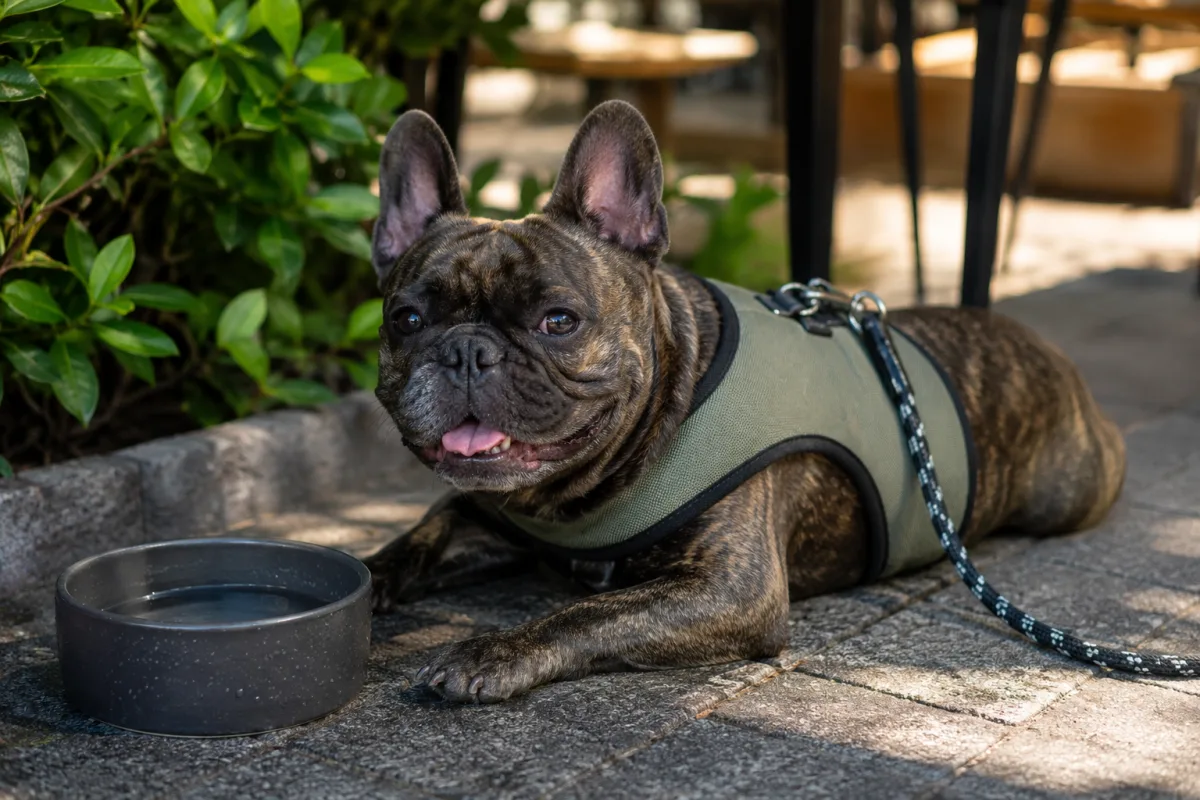
Snoring and snorting may be common, but common does not always mean harmless. Watch for noisy breathing with distress, blue or pale gums, collapse, heat intolerance, foam, repeated gagging, or inability to settle after activity.
If a Frenchie seems overheated or cannot breathe comfortably, treat it seriously. Ask your veterinarian what emergency signs should trigger immediate care.
How Do You Handle Skin And Allergies?
Many Frenchies need skin fold care, ear care, allergy management, medicated baths, diet trials, or regular veterinary follow-up. Ask the rescue what has already been tried and what works.
Do not keep changing food, shampoos, and supplements without a plan. Skin problems can become worse when every week brings a new experiment.
Can A Rescue Frenchie Live With Children?
Some can, but match carefully. Frenchies are sturdy-looking, not indestructible. Children should not pick them up roughly, chase them, sit on them, or ignore breathing fatigue.
Supervise interactions and give the dog a child-free rest space. If the dog has pain, guarding, or fear, take that seriously before placing it in a busy home.
How Do You Introduce Other Pets?
Use slow introductions, barriers, short sessions, and careful reading of body language. Some Frenchies are social; others are pushy, jealous, fearful, or reactive. Past care notes matter.
If you are comparing strong companion breeds, Livecub's Rottweiler questions and Staffordshire Bull Terrier health guide both reinforce the same point: management and health history matter more than a cute face.
What Should The First Month Look Like?
Keep the first month calm. Vet appointment, short walks, predictable meals, cool indoor rest, gentle handling, and slow introductions. Do not schedule a dog park, road trip, and family party immediately.
Give the dog time to show who it is. Pain, heat, stress, and fear can all change behavior. Training should be kind, consistent, and realistic.
What Travel Limits Matter?
Frenchies often need careful travel plans. Avoid hot cars, long airport delays, intense walking tours, and situations where cooling is uncertain. Ask the rescue whether the dog has traveled well before.
If you expect the dog to join every trip, think honestly about climate, stairs, lodging rules, and emergency veterinary access. A Frenchie may be compact, but it is not always an easy travel dog.
What Training Helps Most?
Teach name response, come, wait, leave it, settle, and gentle handling. Keep sessions short and cool. Food rewards can work well, but weight matters, so use tiny pieces.
Do not use hard exercise as the answer to every behavior problem. For this breed, calm routines, enrichment, and medical comfort often matter more than trying to tire the dog out.
Should You Adopt A Senior Frenchie?
A senior Frenchie can be a lovely match if you understand the medical picture. Ask about breathing, spine, pain, eyes, teeth, skin, mobility, medication, and quality of life. A slower dog may fit a calmer home better than a young dog with huge needs.
Do not overlook seniors because they may have fewer years. Those years can be good ones when the adopter has the right budget and expectations.
How Do You Compare Applicants And Dogs?
Frenchie rescues may have many applicants for one dog. Do not take rejection personally. A rescue may choose another home because of heat, stairs, schedule, other pets, or medical experience.
Instead of chasing every available dog, ask what profile fits your home. A dog with skin care needs, breathing limits, or dog selectivity may be perfect for one household and unfair for another.
What Records Should You Keep?
Keep adoption papers, vaccine records, medication lists, surgery notes, allergy plans, breathing assessments, diet details, and emergency contacts in one folder. Bring that folder to the first vet appointment.
French Bulldog care often involves patterns. Notes about heat tolerance, skin flares, ear infections, and breathing episodes can help your veterinarian see what is changing.
Take photos of skin folds, ears, or posture changes if your veterinarian recommends it. A clear timeline helps separate one bad day from a pattern that needs treatment. For Frenchies, small changes can matter because breathing, skin, and spine issues may overlap.
What Daily Routine Helps Most?
Keep the routine cool, calm, and predictable. Short walks, measured meals, skin-fold checks, ear awareness, water access, rest, and gentle training are usually more useful than long outings.
Watch the dog after activity, not only during it. A Frenchie that seems fine on the walk may need a long recovery at home. Learn what normal breathing, sleeping, eating, and scratching look like so changes stand out.
What Should You Ask Your Vet First?
At the first appointment, ask about weight, breathing, nostrils, palate concerns, spine warning signs, skin care, ears, dental care, heat safety, and emergency symptoms. Bring rescue records and your questions in writing.
Do not wait for a crisis to learn where the nearest emergency clinic is. Flat-faced dogs can decline quickly when breathing or heat becomes a problem.
Frequently Asked Questions
Are rescue French Bulldogs expensive?
They can be. Medical care for breathing, skin, spine, dental, and allergy issues can add up quickly.
Can French Bulldogs handle heat?
They are heat-sensitive. Keep them cool and avoid strenuous activity in warm conditions.
Should I adopt a Frenchie with breathing problems?
Only if you understand the veterinary plan, cost, risks, and daily management needs.
Are Frenchies good apartment dogs?
Often, but breathing, heat, noise, stairs, and alone time still need planning.
Can a Frenchie use stairs?
Some can, but spinal and breathing concerns may make ramps or carrying safer. Ask your vet.
What Is The Best Rescue Mindset?
Rescue a French Bulldog with your eyes open. Choose a reputable rescue, ask hard medical questions, budget for care, control heat and exertion, and let the dog settle slowly. Love is not enough if the breathing plan is missing.

Timothy Davidson
Edits step-by-step general-interest guides for clarity, realistic limits and source verification.



Leave a reply
Replying to