
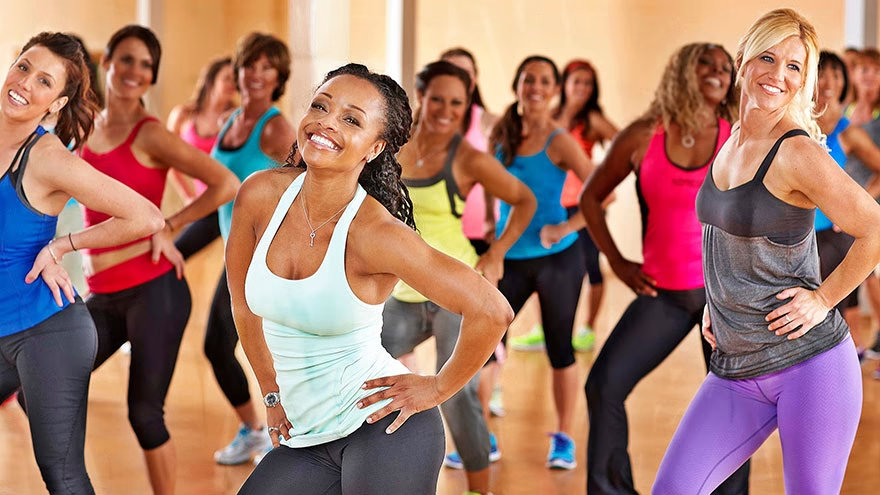
Before Zumba, Think Warmup More Than Stretching
How to Stretch Before Zumba Class is a useful question, but the answer is not to sit on the floor and hold deep stretches with cold muscles. Zumba needs rhythm, ankles, hips, shoulders, and breathing to come online gradually.
Use movement-based preparation before class. Save longer static stretching for after class or for a separate flexibility session.
Your body needs to wake up before it needs to lengthen.
Warm Up Before Any Stretch
Mayo Clinic's guide to stretching and flexibility warns not to treat stretching as a warmup and says cold muscles can be hurt by stretching.
Start with five to ten minutes of light activity: walking, marching, step touches, easy side steps, shoulder rolls, and gentle hip movement.
Warmth comes first; range comes second.
Use Dynamic Stretches Before Class
Dynamic stretching means moving through a comfortable range rather than holding one position for a long time. That fits Zumba better because the class itself is rhythmic and moving.
Cleveland Clinic's article on stretching before or after workouts advises focusing on dynamic stretching before a workout and saving longer static stretching for the cooldown.
Keep movements slow at first, then make them more dance-like as the body warms.
Start With Feet and Ankles
Zumba uses pivots, steps, shuffles, and quick weight shifts. Prepare the feet and ankles with ankle circles, heel raises, toe taps, and gentle marching.
Do not bounce into calf stretches before you are warm. If calves feel tight, use smaller steps at the beginning of class.
Livecub's basic aerobic steps guide can help readers practice simple foot patterns before faster dance combinations.
Open the Hips Gradually
Zumba often uses Latin-inspired hip movement, side steps, knee lifts, and turns. Prepare the hips with slow hip circles, side-to-side weight shifts, gentle knee lifts, and low step-outs.
Do not force turnout or deep hip stretches before class. Let the hips warm through repeated motion.
Hip mobility should feel smooth, not pinchy.
Prepare the Calves and Achilles
Zumba can include quick steps, bounce, and directional changes. Calves and Achilles tendons need gradual movement before higher-energy songs.
Use heel raises, ankle rocks, and small marches. Keep early steps low and quiet if the lower legs feel tight.
If calf pain appears early, reduce bounce and travel rather than pushing through.
Prepare Shoulders and Upper Back
Arm styling can make Zumba more expressive, but shoulders need preparation too. Use shoulder rolls, arm circles, reach-and-pull motions, and gentle chest opening.
Keep the ribs down and neck relaxed. If overhead arms bother the shoulders, keep arms lower during class.
Livecub's chair dancing guide offers movement ideas that still use rhythm and expression without heavy impact.
Use a Five-Minute Pre-Class Sequence
Try one minute of marching, one minute of step touches, one minute of ankle and calf movement, one minute of hip circles and knee lifts, and one minute of easy arm circles and torso rotation.
This is enough for many students before the instructor's own warmup begins. If the room is cold or your body feels stiff, take longer.
A short routine done every time works better than a random stretch once in a while.
Keep Breath Easy
If you are holding your breath during the warmup, the movement is already too hard. Breathe steadily through marching, reaches, and hip movement.
Easy breathing helps the body settle into rhythm before the class becomes more demanding.
Use the first song to check in with your body, not to prove effort.
Avoid Deep Static Holds Before Fast Songs
Mayo Clinic's basic stretches guide says stretching is usually best after a workout when muscles are warm, and stretches should be gentle and slow.
Long hamstring, quad, or hip holds before a high-energy class may make you feel loose without preparing quick movement.
Use short, gentle holds only if they help a specific tight area and do not replace the dynamic warmup.
Match the Warmup to the Class
If the class uses many turns, prepare with slow pivots and step-arounds. If it uses high knees, prepare with low knee lifts. If it uses lots of arms, prepare the shoulders.
Do not use the same warmup for every workout if the movement demands are different.
For punch-and-kick cardio, Livecub's Tae Bo weight loss guide shows how different formats ask for different preparation.
Use Shoes and Space Wisely
Stretching is not the only preparation. Make sure shoes match the floor and that you have enough room to move without catching a bag, wall, or another person.
If the floor is sticky, reduce turns. If it is slippery, reduce travel. If shoes grip too hard, pivoting may stress knees.
Warm muscles still need a safe surface.
Stretch After Class for Flexibility
After class, when breathing settles and muscles are warm, static stretching can fit better. Focus on calves, hip flexors, hamstrings, quads, glutes, chest, and shoulders.
Hold gentle stretches without bouncing and breathe normally. Stop if a stretch becomes painful.
Mayo Clinic Press' warmup and cooldown guidance recommends gentle movement for warmups and gradual cooldowns after exercise.
Modify for Your Body
If you have injury history, joint pain, pregnancy, dizziness, balance concerns, or recent surgery, ask a qualified professional what warmup and stretching plan fits you.
In class, modify turns, jumps, and range. Stretching before class cannot make an unsafe movement safe for every body.
Pay attention to how the first ten minutes feel. That is feedback, not failure.
Make Pre-Class Prep a Habit
Use the same short warmup every time you arrive early. Familiarity helps you notice changes, such as one ankle feeling stiff or one hip moving less easily.
That information can guide how you modify class before discomfort grows.
A consistent warmup also keeps you from rushing into the first fast song cold.
Do Not Stretch to Compete
Pre-class stretching is not a contest. The person next to you may have different hips, ankles, training history, or injury background.
Use a comfortable range and avoid pushing into pain because someone else is deeper in a stretch. Zumba needs usable movement, not a dramatic pre-class pose.
If you feel better after a specific stretch, keep it gentle and short before class, then hold longer after class.
Arrive Early Enough
A good warmup is hard to do while rushing into the studio late. Arrive a few minutes early, set down your bag, check your shoes, and move before the first track starts.
If you arrive late, do not jump straight into the hardest version of the routine. Start smaller for the first song and build gradually.
Being late happens, but your body still needs a transition.
Use the Instructor's Warmup, Then Adjust
Many Zumba instructors include a warmup song. Follow it, but adapt range, bounce, and arms to your body.
If the warmup feels too fast, march, step touch, or keep turns smaller. If it feels too easy, do not add high impact before you are warm.
The first song should prepare the class, not become the hardest track of the day.
After Class, Notice What Helped
Pay attention to how your body feels after class and the next morning. If the dynamic warmup made turns smoother or calves less tight, keep it.
If one stretch made you feel unstable or irritated, remove it and use gentler movement instead.
Your warmup should earn its place by making class feel better.
Use Static Stretching Later
Longer holds can fit after class, when muscles are warm and the nervous system is no longer preparing for quick dance movement.
Hold easy stretches for calves, hip flexors, glutes, chest, and shoulders without bouncing. The goal is calm range, not forcing a new limit.
If a post-class stretch causes pain, shorten the hold or choose a gentler position before the next class starts again.
Frequently Asked Questions
Should I stretch before Zumba?
Warm up first, then use dynamic movement. Save longer static stretching for after class when muscles are warm.
What stretches are best before Zumba?
Use dynamic ankle circles, step touches, hip circles, knee lifts, shoulder rolls, arm circles, and gentle torso rotation.
How long should I warm up before Zumba?
Five to ten minutes is a good starting point, especially before the instructor's warmup. Take longer if you feel stiff or cold.
Should I stretch after Zumba too?
Yes, post-class static stretches can help flexibility. Keep them gentle, breathe normally, and avoid painful positions.

Linda Fehrman
Edits general wellness and relationship explainers. Health material is educational, avoids diagnosis and links to health-authority guidance.
Leave a reply
Replying to