
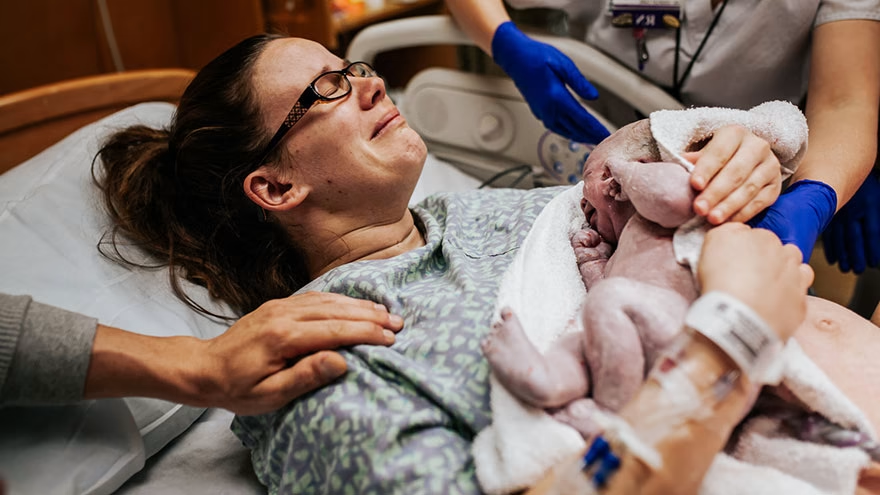
A letter to a baby before birth can be a keepsake, a quiet way to bond, or a place to say what feels too tender to say out loud. It does not need to be poetic. It does not need to predict the child's future. A good letter sounds like a real person meeting a real change.
This is emotional and writing guidance, not medical or mental health care. If pregnancy brings persistent sadness, panic, intrusive thoughts, fear of harming yourself, or feeling unable to cope, contact your pregnancy care provider, a therapist, emergency services, or a crisis line. A letter can support reflection, but it should not replace help.
Why Write A Letter Before Birth?
Writing before birth gives you a snapshot of this exact season: the waiting, the uncertainty, the hopes, the funny details, the names you tried, and the people already loving the baby. The letter can become a future gift, but it can also help the writer slow down now.
Pregnancy, Birth and Baby suggests bonding before birth through talking, singing, gentle belly touch, responding to kicks, calming music, relaxation, and self-care. A letter is another version of that connection: words given before the first face-to-face meeting.
When Should You Write It?
Write whenever the urge appears. Some people write after the first ultrasound, after feeling movement, at the start of the third trimester, during a baby shower week, or near the due date. Others write several short letters instead of one big one.
If you are early in pregnancy, the letter may sound cautious. If you are late in pregnancy, it may sound impatient and physical. Both are honest. Livecub's first-week pregnancy signs article shows how early uncertainty can be part of the story too.
How Do You Start The Letter?

Start simply: "Dear baby," "Dear little one," or the baby's name if you have chosen it. Then say where you are writing from. The couch, the kitchen table, a hospital waiting room, a quiet bed at midnight. Specific details make the letter feel alive later.
You can begin with one line: "Today I felt you move while I was making tea." Or: "I do not know your face yet, but you are already changing our home." Avoid trying to sound like a greeting card. Plain words age better.
What Should You Include?
Include the real details you might forget: cravings, weather, songs, names on the list, what the nursery looks like, who has been checking in, what made you laugh, and what you are learning about yourself. Mention the baby's movements if you feel them, or the quiet waiting if you do not yet.
The HSE says babies can recognize your voice and may react to voices in the womb. You do not need to make a scientific claim in the letter. It is enough to say, "I talk to you in the car," or "Your dad sings badly and proudly."
Can You Write About Hard Feelings?

Yes. A letter can hold joy and fear at the same time. You might write, "I am excited to meet you, and I am also scared." You might write about a hard pregnancy, a loss before this baby, family distance, financial stress, or feeling unlike the glowing version of pregnancy people describe.
Keep the burden age-appropriate if the letter is meant for the child someday. You can be honest without making the baby responsible for adult pain. If the hard feelings feel too heavy, write a private version for yourself and a gentler version for the keepsake. Livecub's depression during pregnancy guide may help you decide when feelings need support beyond writing.
What Prompts Make Writing Easier?
Try one prompt at a time: "The first thing I want you to know is..." "Today our family looks like..." "The world I hope you meet is..." "A song I play for you is..." "The person most excited to meet you is..." "One thing I promise to keep learning is..."
You can also write a list instead of paragraphs. Ten things we know about you so far. Five things we wonder about. Three people waiting for you. One ordinary day before you arrived. Lists feel less formal and are easier when pregnancy fatigue is high.
Should A Partner Write Too?
Yes, if they want to. Partners sometimes bond later because they are not carrying the pregnancy in their body. Writing can make the baby feel more real. It can also give the child two voices from before birth.
Ask the partner to write about where they were when they heard the news, what they imagine doing with the baby, what they admire about the pregnant parent, and what they hope to teach. If you are preparing family news, Livecub's gender reveal ideas article can help with another kind of message.
How Can You Make The Letter Specific?
Use names, places, textures, and small scenes. "Your grandmother brought soup." "The dog keeps sleeping beside my left hip." "I bought socks so tiny they made me laugh." These details will matter more than broad claims about destiny.
If you have made keepsakes, mention them. A photo, ultrasound print, blanket, playlist, or belly cast can sit with the letter. Livecub's belly bowl cast guide offers one way to preserve the physical memory of pregnancy.
What If You Do Not Feel Bonded Yet?
Write that gently. Not everyone feels instant connection before birth. Some people are tired, anxious, sick, grieving, or cautious. A letter can say, "I am still getting to know the idea of you." That is honest, and it does not mean love will be missing.
The HRSA National Maternal Mental Health Hotline is available for pregnant and postpartum people in the United States who need confidential support. If numbness, dread, or sadness feels persistent, use help. You do not have to earn support by sounding cheerful.
How Should You Store The Letter?

Store a paper copy in an envelope, baby book, memory box, or file folder. Save a digital copy too. Date it. If you want the child to read it at a certain age, write that on the envelope. If the letter is private until you decide, mark it for yourself.
Do not store the only copy in a pregnancy app or phone note that may disappear. Print it or back it up. A keepsake does not need fancy supplies, but it does need to survive ordinary life.
Can You Write More Than One?
Yes. One letter can be for early pregnancy, one for late pregnancy, one from a partner, one from a sibling, and one after birth. Short letters often feel more natural than one perfect speech. You can also record an audio version if speaking feels easier.
If you are thinking about labor support and the first meeting, Livecub's early labor emotional support guide can help your support person understand how to protect calm moments when the baby is close.
Can The Letter Become A Ritual?
Yes. You can write on the same day each month, after appointments, after hearing the heartbeat, or whenever the baby moves during a quiet moment. A ritual can make the letter feel less like a performance and more like a conversation. Keep it small enough that you will actually do it.
Frequently Asked Questions
Does the letter need to be long?
No. A few honest paragraphs can mean more than several pages written under pressure.
Can I write before I know the baby's name?
Yes. Use "dear baby," a nickname, or no greeting at all.
Should I include difficult pregnancy details?
You can, but write with care if the child may read it later. Keep blame and adult burdens out of the keepsake version.
Can siblings write letters too?
Yes. Simple drawings, dictated notes, or short letters can become meaningful family keepsakes.
What if I cry while writing?
That can be normal. If the feelings become frightening or constant, reach out for mental health support.
What Is A Simple Template?
Dear baby, today I am writing from [place]. You are [weeks/months] along, and our life looks like [details]. I want you to know [one truth]. People waiting for you include [names]. I wonder [question]. I hope [hope]. I promise [small promise]. With love, [name].
Use the template, then sound like yourself. The best letter is not the most polished one. It is the one that lets your future child hear a real voice from before the beginning they can remember.

Chiara Bradshaw
Covers education, culture and creative topics with an emphasis on readable explanations and verifiable references.

Leave a reply
Replying to