
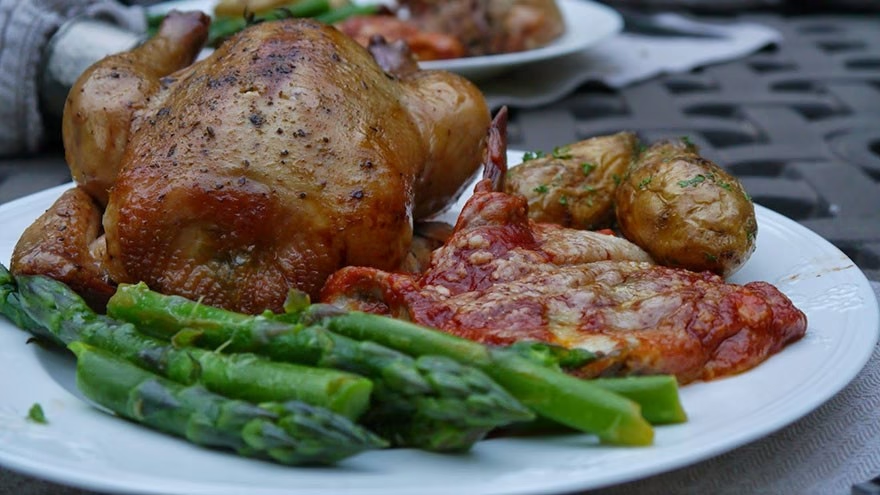
An Italian stuffed Cornish game hen gives each person a small roast bird, crisp skin, and a savory filling without committing to a whole turkey. The catch is that stuffed poultry needs care: the filling has to taste good, the bird has to stay juicy, and the center of the stuffing has to reach a safe temperature. This Italian stuffed Cornish game hen recipe walks through flavor and food safety together.
What ingredients do you need?
Plan on one Cornish game hen for a generous serving, or half a hen for a smaller course. For the stuffing, use Italian sausage, bread cubes, onion, celery, garlic, parsley, rosemary, thyme, Parmesan, egg, and enough broth to moisten. Lemon zest or fennel seed can brighten the filling.
Birds
Choose hens that are fully thawed, similar in size, and not sitting in torn packaging. Pat them dry before seasoning so the skin can brown.
Stuffing
Cook sausage before mixing it with bread and aromatics. The stuffing should be moist enough to hold together, not wet enough to turn heavy.
Seasoning
Use salt, pepper, garlic, herbs, olive oil, lemon, and Parmesan. Keep the seasoning clear rather than burying the small birds under too many flavors.
How should the hens be thawed and trimmed?
Thaw frozen hens in the refrigerator, not on the counter. Once thawed, remove packaging, check the cavity, pat the skin dry, and trim any ragged fat or loose skin. Dry skin browns better, and a clean cavity makes stuffing easier.
If the hens are different sizes, roast with the larger bird in mind and check each one with a thermometer. Similar size makes timing easier, especially when the birds are stuffed.
Start cold, clean, and dry. That simple prep makes the roasting step less chaotic.
How do you prepare the stuffing?
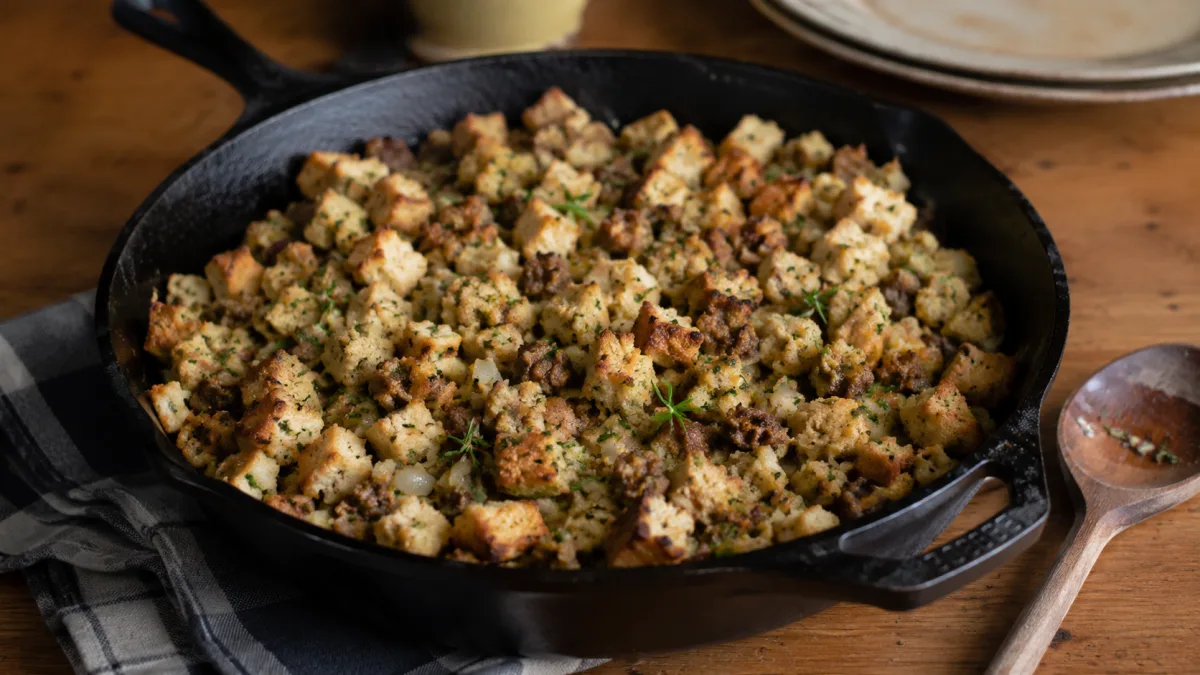
Brown the sausage, remove excess fat if needed, and cook onion and celery until soft. Add garlic briefly, then combine with bread cubes, herbs, Parmesan, egg, and broth. Let the mixture cool slightly before stuffing the hens.
Stuff loosely. Packing the cavity tightly slows cooking and makes it harder for the center to reach a safe temperature. Any extra stuffing can be baked separately in a small dish.
If the bread is very fresh, toast it lightly before mixing. Dry bread absorbs broth and sausage flavor without turning pasty. If the stuffing looks wet in the bowl, it will feel heavier inside the bird.
For another poultry recipe comparison, Livecub's Yugoslavian chicken recipe shows how seasoning choices can change the same basic bird-and-oven idea.
What Italian-style variations work?
Keep the base simple, then choose one direction. Add chopped sun-dried tomatoes and basil for a brighter filling, fennel seed and parsley for a sausage-shop flavor, or a little chopped spinach for color. Toasted pine nuts can add texture.
Do not add every option at once. Cornish hens are small, and the filling can become crowded quickly. The best variation still tastes like sausage, herbs, bread, and roast poultry.
One lead flavor is enough. Let the rest support it.
What food safety rule matters most?
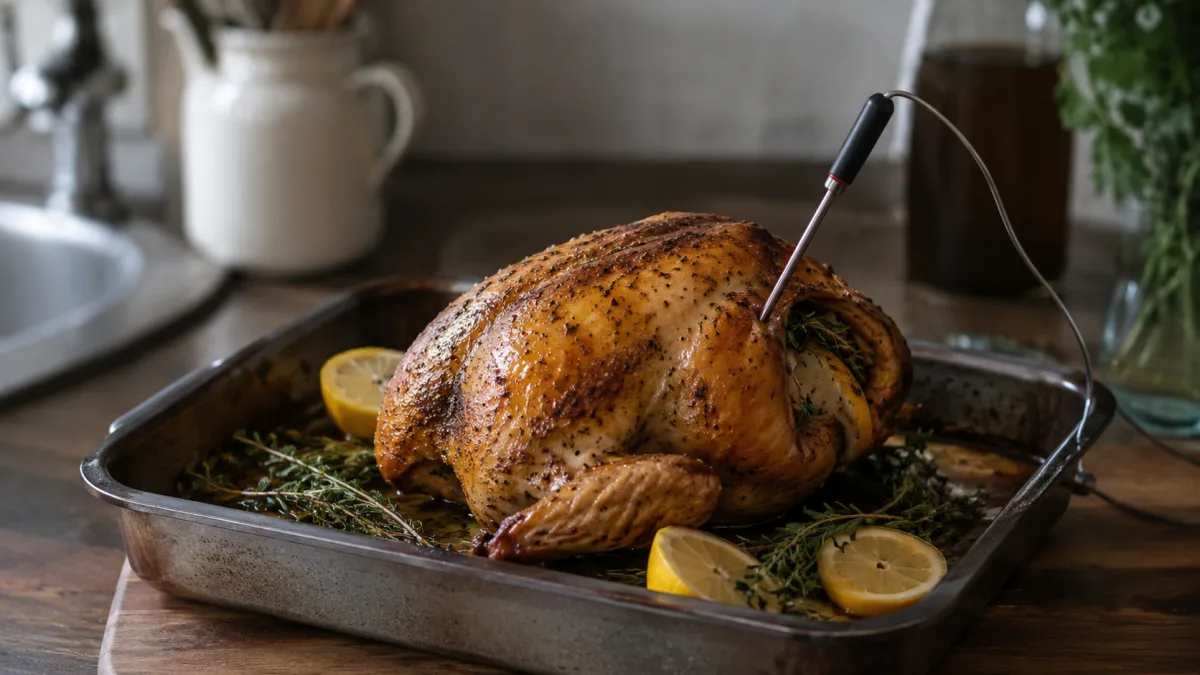
The center of the stuffing and the poultry must reach a safe temperature. FoodSafety.gov lists poultry at 165 degrees Fahrenheit on its safe minimum internal temperatures chart. Use a food thermometer rather than guessing from skin color.
FSIS stuffing guidance explains why stuffing inside poultry needs careful handling and safe cooking. The FSIS stuffing and food safety page is the right reference when you are unsure about stuffed poultry.
Pretty skin does not prove safe stuffing. Check the center.
How do you roast the hens?
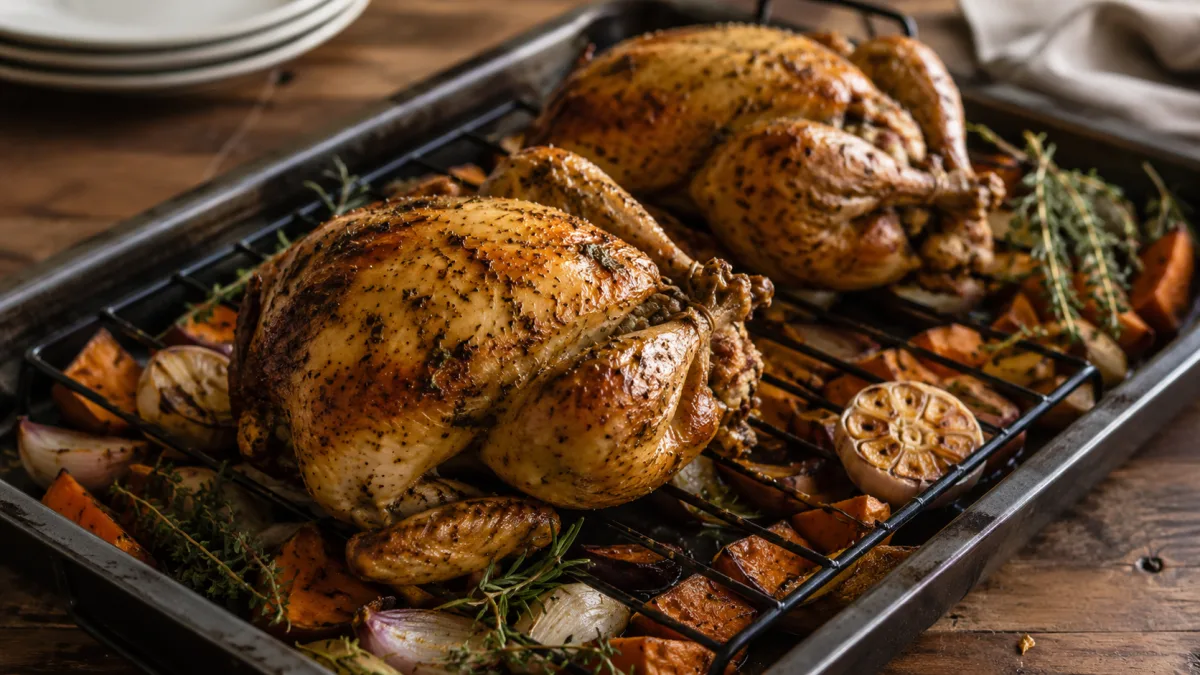
Heat the oven, dry the hens, season inside and out, fill loosely, and tie the legs if needed. Rub the skin with olive oil or softened butter. Place the hens on a rack or over vegetables so heat can move around them.
Roast until the thickest meat and the center of the stuffing are safe. If the skin browns too fast, tent loosely with foil. Rest before carving so juices settle.
For another whole-bird cooking project, Livecub's grilled whole duck recipe is a useful contrast because duck fat and game hen stuffing need different plans.
How do you time the meal?
Work backward from serving. Thaw ahead, cook the stuffing base earlier in the day, bring sides close to ready, then stuff and roast the hens close to dinner. Stuffed birds should not sit around at room temperature while you finish everything else.
Use the resting time to finish sauce and warm sides. This keeps the hens from being carved too soon and gives you a few calm minutes before serving.
A small bird still needs a real timeline. Treat it like dinner, not an appetizer.
How do you make a simple pan sauce?
After roasting, move the hens to a board and spoon off excess fat from the pan. Add a little white wine or broth, scrape browned bits, and simmer. Finish with a small knob of butter, lemon juice, or chopped parsley.
The sauce should taste like the roast. Keep it simple enough that the sausage-herb stuffing still makes sense.
If the pan is too dry, use broth and a small squeeze of lemon. If it tastes flat, add salt in pinches. If it tastes too sharp, butter can soften the edge.
How should the hens be carved and served?
Let the birds rest, then split each hen through the breastbone or serve whole if the meal is meant to feel more generous. Use a sharp knife and keep the stuffing with the portion it came from.
For a cleaner plate, spoon sauce around the bird instead of drowning the crisp skin. Add herbs or lemon at the end, not a heavy garnish that hides the roast. Warm plates help the small birds stay pleasant at the table from first bite onward during a slow dinner with guests nearby.
What sides go well with it?
Serve with roasted potatoes, green beans, bitter greens, polenta, risotto, glazed carrots, salad, or a small pasta course. Since the stuffing is rich, a sharp or green side helps balance the plate.
Livecub's basic corn souffle recipe would make a softer side, while the asparagus rolls recipe gives a lighter appetizer idea before a stuffed bird.
Can you make it ahead?
You can prepare some components ahead, but be careful with stuffed poultry. Cook the sausage mixture, cool it, and refrigerate it separately. Stuff close to roasting time rather than letting raw poultry sit filled for hours.
Leftovers should be cooled and refrigerated promptly. Remove stuffing from the cavity before storing so everything cools faster and reheats more evenly.
How should leftovers be used?
Pick the meat from the bones once it is cool enough to handle, then store meat and stuffing in shallow containers. Leftover hen can go into soup, risotto, pasta, sandwiches, or a small salad with lemony dressing.
Reheat gently with a splash of broth so the meat does not dry out. Stuffing reheats better in a covered dish first, then uncovered briefly if you want the top to crisp.
Do not keep leftovers just because the meal felt special. Label them, chill them, and use them while quality is still good.
What mistakes should you avoid?
Common mistakes include stuffing too tightly, using wet bread, skipping the thermometer, roasting unevenly sized hens together, and carving immediately from the oven. Another mistake is seasoning only the skin and leaving the stuffing bland.
For crispy poultry technique in a different style, Livecub's Chinese fried chicken wings guide is a reminder that moisture control matters before heat ever touches the food.
Frequently Asked Questions
Can I use store-bought stuffing cubes?
Yes. Use them as a base, then add cooked sausage, aromatics, herbs, cheese, and broth carefully so the filling is moist but not soggy.
Can I cook the stuffing outside the hen?
Yes. It is often easier and safer to bake extra stuffing separately, especially for larger batches.
How do I keep Cornish hens from drying out?
Do not overcook them, use a thermometer, rest before carving, and avoid stuffing so tightly that cooking takes too long.
Can leftovers be reheated?
Yes. Store promptly, keep stuffing separate if possible, and reheat gently until hot throughout.
A stuffed Cornish hen is small but not casual. Season well, stuff loosely, use a thermometer, and let the Italian herbs support the bird instead of hiding it.

Cashie Evans
Covers parenting and practical household topics with clear steps, safety notes and links to current guidance.




Leave a reply
Replying to