
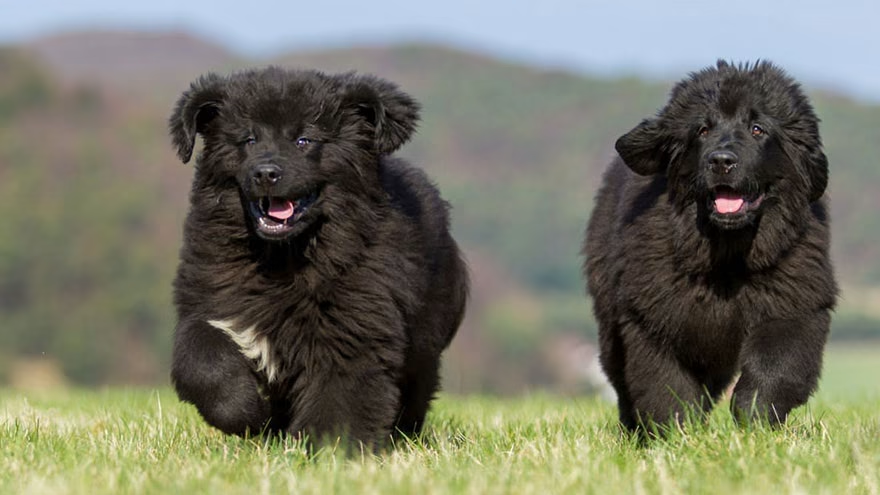
Newfoundland Health Starts With Size and Records
Newfoundland health care has to respect the breed's size. A Newf is not just a big version of a smaller dog. Weight, joints, heart health, heat, coat, water safety, and daily movement all need planning.
The AKC's Newfoundland breed page describes a large, powerful dog, with males often much heavier than many household breeds. That size makes preventive care and breeder records more than paperwork.
For a giant breed, small health problems can become large logistics.
Ask for Core Health Clearances
The Newfoundland Club of America's health position statement says breeding stock should be tested for hips, elbows, heart, and cystinuria, with documentation available for sire and dam. It also notes additional testing that may be recommended where indicated.
Puppy buyers should ask for the records, not only a verbal answer. Ask where results can be verified, when tests were performed, and what the breeder does with the information.
Health clearances should be visible before a deposit changes hands.
Hips and Elbows Need Long-Term Protection
Hip and elbow issues can affect comfort, movement, stairs, exercise, and quality of life in a large dog. Screening helps breeding decisions, but owners still need daily habits that protect joints.
Keep puppies lean, avoid forced repetitive impact, use safe flooring, and build exercise gradually. Limping, stiffness, slow rising, reluctance to climb, or a change in gait should be discussed with a veterinarian.
Livecub's biggest dog breeds article can help frame why size changes care decisions.
Heart Checks Matter
The NCA health resources discuss cardiac screening as part of responsible Newfoundland breeding. For owners, heart awareness also belongs in routine care, especially when stamina, breathing, or exercise tolerance changes.
Coughing, fainting, unusual fatigue, heavy breathing at rest, collapse, or a newly detected murmur needs veterinary follow-up. Do not assume a giant dog is only tired because it is large.
Changes in stamina should be taken seriously in a Newfoundland.
Cystinuria Is a Breed-Specific Question
Cystinuria is one reason Newfoundland buyers should ask about DNA testing and parentage documentation. Owners should also know urinary warning signs: straining, blood in urine, frequent attempts, pain, or inability to urinate.
Trouble urinating can become an emergency. Call a veterinarian promptly if a dog strains and produces little or no urine.
Bloat and Emergency Planning
The Newfoundland Dog Health Center covers multiple health topics for the breed, including bloat. Owners of large, deep-bodied dogs should know emergency signs such as unproductive retching, swollen abdomen, restlessness, drooling, collapse, or severe distress.
Ask your veterinarian about your dog's risk and what to do if symptoms appear. Keep emergency clinic information visible, because guessing at home can waste time.
Emergency planning is part of giant-breed ownership.
Weight Control Is Joint Care
A few extra pounds on a small dog is one thing. Extra weight on a Newfoundland can add significant strain. Use body condition scoring with your vet and keep a realistic target range.
Measure food, track treats, and adjust for growth, neuter status, age, activity, and medical conditions. A Newf should be strong, not overloaded.
Puppy Growth Should Be Controlled
Newfoundland puppies grow fast, and that growth needs careful management. Ask your veterinarian about food, calcium balance, body condition, exercise limits, and safe surfaces during the growth period. Do not push forced running, long stairs, or repeated jumping because a puppy looks sturdy.
Lean growth is usually kinder to joints than fast growth. Keep photos and weights over time so changes are easier to discuss at vet visits.
Giant-breed puppy care is slow work on purpose.
Coat, Skin, and Moisture
Newfoundlands have heavy coats that need routine brushing and drying. Moisture trapped against the skin can contribute to irritation, odor, mats, and hot spots. Check under collars, behind ears, under legs, around the tail, and places that stay damp after swimming.
For another long-coated care comparison, Livecub's longhair dachshund grooming guide shows how coat work can double as a body check, even in a very different breed.
Drying a wet Newf is health care, not vanity.
Heat and Water Need Respect
Newfoundlands may love water, but water confidence does not remove risk. Supervise swimming, rinse and dry after water time, and watch for fatigue. In heat, plan walks early or late and provide shade, water, and cool indoor rest.
Heavy panting, weakness, confusion, vomiting, collapse, or inability to cool down should be treated as urgent. Call a veterinarian or emergency clinic for direction.
Dental Care Still Matters in a Giant Dog
Large size does not protect teeth. Bad breath, tartar, gum redness, drooling, loose teeth, reluctance to chew, or pawing at the mouth should be checked. Dental pain can change appetite, mood, and willingness to handle toys or training rewards.
Brush if your dog accepts it, use vet-approved products, and ask about professional cleanings. Waiting until a giant dog refuses food can mean the problem has been present for a long time.
Newfoundland dental care should start before the mouth looks bad.
Training Helps Health Care
A Newfoundland should learn handling skills early: standing calmly, having feet touched, accepting brushing, walking on leash, loading into a vehicle, and settling at the vet. A 120-pound dog that resists care can make routine treatment difficult.
Use rewards and short sessions. The goal is not dominance. The goal is a large dog who can be safely examined, groomed, moved, and helped.
Livecub's Rottweiler common questions can help compare why training matters in strong breeds even when temperaments differ.
Senior Newfoundland Care
As Newfs age, owners may notice slower rising, reduced stamina, dental issues, lumps, slipping, hearing changes, or changes in appetite and thirst. Aging is not a diagnosis, so new patterns should be checked.
Ask your vet about screening, pain assessment, weight goals, joint support, nail care, and home adjustments such as rugs or ramps. Comfort planning can make the later years much easier.
Prepare the Home for a Big Dog
Health care is easier when the house supports the dog. Use rugs on slick floors, keep nails trimmed, plan a sleeping space that does not require stairs, and think about how you would move the dog during illness or injury.
A ramp, vehicle plan, washable bedding, large towels, and a helper list are practical tools. They are not dramatic, but they matter when a dog this large needs care.
For a Newfoundland, logistics are part of health planning.
Budget for Care Before Problems Start
Food, grooming tools, veterinary care, medications, preventives, imaging, dental care, boarding, and emergency visits can cost more for a giant breed. Planning early prevents hard choices during a stressful appointment.
Pet insurance, a dedicated savings fund, or a written emergency plan can all help. Choose the option that fits your household before a crisis arrives.
Keep a Health Log
A simple log can make veterinary visits more useful. Track weight, food, supplements, medications, exercise changes, limping, coughing, skin issues, heat reactions, and any digestive episodes. Add dates and photos when the sign is visible.
With a Newfoundland, small changes can be easy to dismiss because the dog is naturally large and calm. A record helps separate normal personality from a pattern that deserves attention.
Good notes can shorten the path to better care.
Use Preventive Visits Well
Routine exams are the time to ask about growth, joints, heart checks, parasite prevention, dental timing, diet, nail length, senior screening, and emergency planning. Bring questions instead of waiting for symptoms to force the conversation.
Preventive visits also let the dog practice being handled by clinic staff while calm. That matters when the dog is too large to manage easily under stress.
When to Call a Vet
Call urgently for bloat signs, collapse, breathing trouble, inability to urinate, severe pain, repeated vomiting, heat illness signs, pale gums, or sudden weakness. Schedule visits for limping, weight change, skin problems, reduced stamina, dental signs, or new lumps.
For another breed-health comparison, Livecub's Staffordshire Bull Terrier health problems article shows why breed patterns should lead to better vet questions, not panic.
Frequently Asked Questions
What health tests should Newfoundland breeders discuss?
Ask about hips, elbows, cardiac testing, cystinuria testing, and any additional screening recommended for the breeding pair.
Are Newfoundlands prone to joint problems?
They can be at risk for orthopedic issues, so screening, lean weight, controlled growth, and safe exercise matter.
Is bloat a concern for Newfoundlands?
Yes, owners should know emergency signs and ask their veterinarian what plan fits their dog.
How do you keep a Newfoundland comfortable in heat?
Use shade, water, cool indoor rest, early or late walks, careful drying after swimming, and urgent vet guidance for heat illness signs.

Chiara Bradshaw
Covers education, culture and creative topics with an emphasis on readable explanations and verifiable references.

Leave a reply
Replying to