

NLP: How to Focus can be useful if you treat NLP as a set of attention prompts, not as a magic mental system. Focus improves when the task, body, environment, and next action are clear.
This is general mental health education. If attention problems are persistent, new, severe, or tied to sleep loss, anxiety, depression, ADHD, medication, substance use, or medical symptoms, ask a clinician.
Define The Target
Focus needs a target small enough to start. 'Work on the project' is vague. 'Open the file and outline three headings' gives the mind a place to land.
Mayo Clinic's meditation overview explains that focusing attention can use breath, an object, an image, or a phrase.
Use One Cue
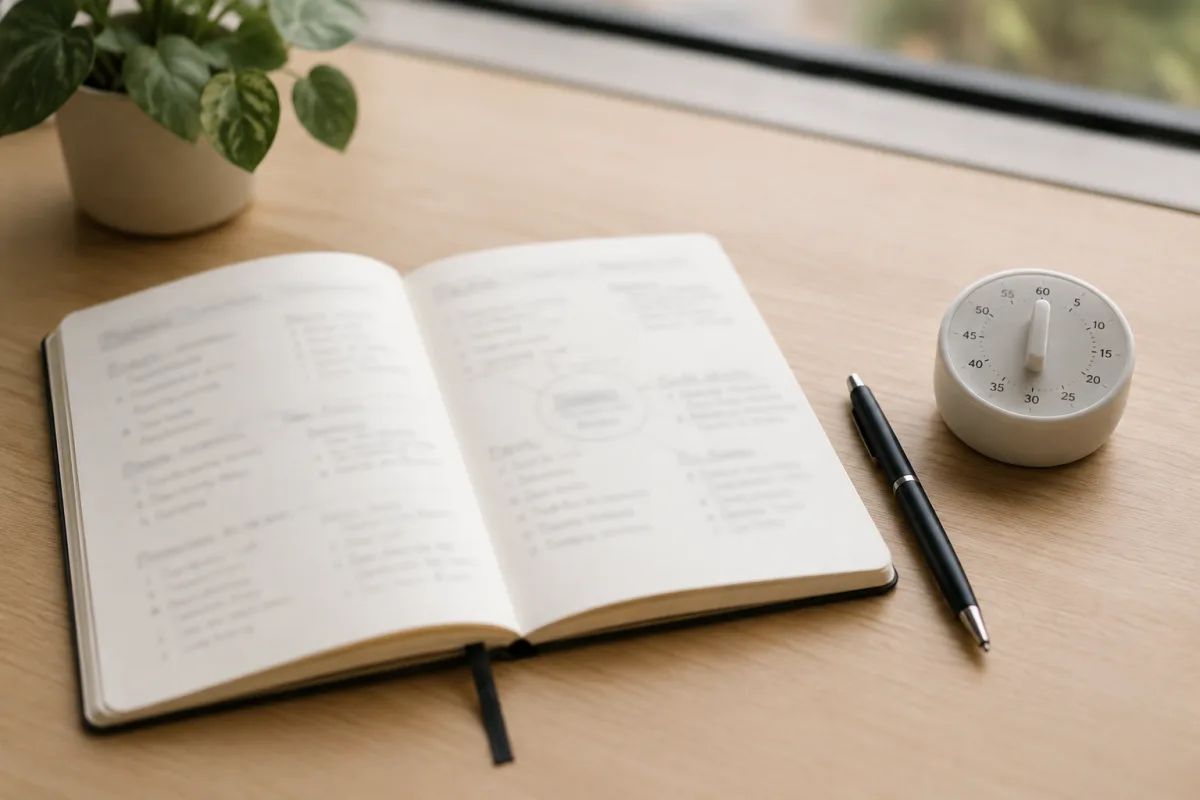
Pick one cue before starting: a timer, a phrase, a desk position, or a breathing pattern. The cue tells your brain, 'This is the work block.'
Do not build a complicated ritual. If the setup takes longer than the task, it becomes avoidance.
Change State First
If your body is restless, stand up, stretch, drink water, or take a short walk before trying to focus. State changes can make attention easier to aim.
For performance nerves, Livecub's sports tryout nerves guide shows how body signals can affect focus under pressure.
Make A Mental Picture
Some NLP exercises use a mental image of the finished task. Keep it simple: the email sent, the page drafted, the kitchen cleaned.
The image should point to the next action, not become a daydream about a perfect future.
Use Language Carefully
Say, 'For ten minutes, I am writing the opening paragraph.' That is more useful than 'I need to get my life together.'
Language shapes the size of the task. Smaller words often create better action.
Remove One Friction
Before a focus block, remove one obstacle: close one tab, silence one notification, clear one paper pile, or put the phone across the room.
One friction removed is better than waiting for a perfect environment.
Track Patterns
Notice when focus is better: morning, after food, after movement, with music, in silence, at a library, or with another person working nearby.
Livecub's food journal guide is about eating, but the same pattern-tracking skill can reveal attention triggers.
Use Timed Sprints

Try 10, 15, or 25 minutes. Stop when the timer ends, write the next step, then decide whether to continue.
The written next step keeps re-entry easier after a break.
Reset Wandering
Mind wandering is not failure. Mayo Clinic's mindfulness exercises page notes that mindfulness trains refocusing when the mind wanders.
When you notice wandering, name it briefly and return to the next visible action.
Anchor The Desk
Use the same chair, playlist, browser profile, or notebook for focused work if that helps. Repeated cues can reduce the number of decisions before starting.
If the anchor stops working, change it. Tools are allowed to be ordinary and temporary.
Handle Speaking Tasks
Focus can vanish when a task involves speaking, presenting, or being watched. Plan the first sentence and the recovery sentence before you begin.
Livecub's stage fright guide is useful when audience attention is the main distraction.
Quiet Is Not Always Best
Some people focus in silence; others focus better with light background sound. Test both instead of copying someone else's rule.
The best setup is the one that produces work without draining you.
When Focus Feels Impossible
If focus is suddenly much worse, or if it has always caused major school, work, or relationship problems, look beyond productivity tips.
NIMH's ADHD information is one place to learn about persistent attention symptoms, but diagnosis belongs with a professional.
End Cleanly
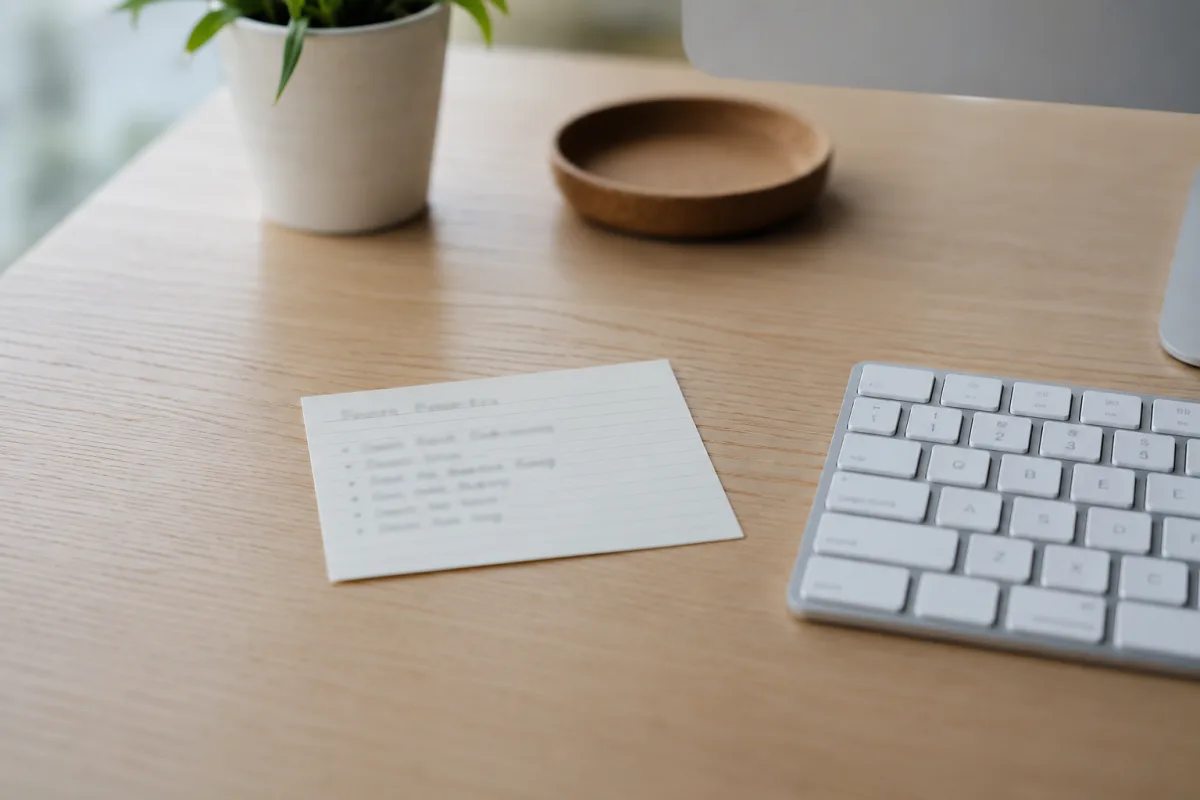
At the end of a work block, write one sentence: what you did and what comes next. This prevents the next session from starting with confusion.
A clean ending is part of focus. It protects the next beginning.
Use A Start Phrase
Choose a phrase that means begin: 'Open and start,' 'Ten minutes only,' or 'First line now.' Say it the same way each time.
The phrase is not magic. It reduces negotiation, which is often where focus disappears.
Chunk The Task
Break work into pieces that can be finished in one sitting. Research, outline, draft, edit, send, and file are different actions.
Focus fails when the task secretly contains ten tasks. Naming the piece makes starting easier.
Reward The Return
Instead of praising only long focus, notice each return. Every time you catch wandering and come back, you practiced attention.
This changes the goal from never drifting to returning sooner. That goal is more realistic and less punishing.
Use Visual Boundaries
Place only the needed materials in front of you. Move unrelated papers, tabs, and objects out of the main view.
The eyes keep sending invitations. Fewer invitations can mean fewer attention shifts.
Body Doubling
Some people focus better when another person is quietly working nearby or on a video call. The other person does not need to supervise.
The shared work cue can reduce the lonely feeling that often feeds avoidance.
Review Without Drama
At the end of the day, ask which cue worked, which time block failed, and what to adjust tomorrow. Keep the review short.
A focus system should be adjusted like a tool, not judged like a personality test.
Use If-Then Plans
An if-then plan links a trigger to action: 'If I open the laptop, then I start the timer,' or 'If I drift, then I read the next sentence.'
This removes a decision at the exact moment when attention is weakest.
Protect The First Five Minutes
The first five minutes should be boring and clear. Do not start by checking messages, choosing music, or reorganizing the desk.
Open the task, start the timer, and do the smallest visible piece. Momentum often appears after action, not before.
Focus And Emotion
Sometimes the focus problem is emotional: fear of judgment, resentment, boredom, grief, or anger. In that case, attention tips help only after the emotion is named.
Name the feeling, choose the next small action, and lower the demand from perfect focus to honest re-entry.
Avoid Productivity Theater
Color systems, apps, and notebooks can feel productive while no work happens. Keep any tool only if it helps you begin, continue, or return.
If a tool mainly gives you another thing to maintain, simplify it.
Use A Parking List
Keep a parking list beside you. When an unrelated thought appears, write a few words and return to the task.
This reassures the brain that the thought is not lost, while preventing it from taking over the work block.
Match Energy To Task
Do demanding thinking when your energy is best if you can. Save low-energy periods for sorting, formatting, cleaning, or review.
Focus is easier when the task matches the body you actually have that day.
Practice With Low Stakes
Do not wait for an urgent deadline to practice focus cues. Use them for reading one page, cleaning one shelf, or answering one message.
Low-stakes practice makes the cue familiar before pressure rises.
Stop At A Clear Point
Stopping in the middle of chaos makes restarting harder. Stop after a paragraph, after a saved file, or after writing the next instruction to yourself.
A clean stopping point is a gift to the next work session.
Decision Fatigue
Focus often drops after too many small choices. Choose defaults for music, timer length, workspace, and first task so you spend less energy preparing to begin.
Defaults should be boring. Their job is to reduce setup, not express your whole personality.
One Screen Rule
If possible, keep only one active screen or window for the task. Extra screens invite checking and comparison.
When you need references, open only the ones needed for the current step and close them after use.
Frequently Asked Questions
Can NLP improve focus?
Some NLP-style prompts may help attention, but they should be treated as practical cues, not guaranteed treatment.
What is the fastest focus step?
Define one small next action and work on it for a short timed sprint.
What if my mind wanders?
Notice it, name the next action, and return without turning wandering into self-criticism.
Is poor focus ADHD?
Not always. Sleep, stress, anxiety, depression, health issues, and environment can affect focus too.
Should I use visualization?
A simple image can help if it leads to action, but avoid turning it into daydreaming.
NLP focus techniques work best when they stay practical: one target, one cue, one sprint, one reset, and a clean note for the next session.

Olivia Prete
Edits culture and personal-development articles, distinguishing opinion and experience from verifiable claims.




Leave a reply
Replying to