
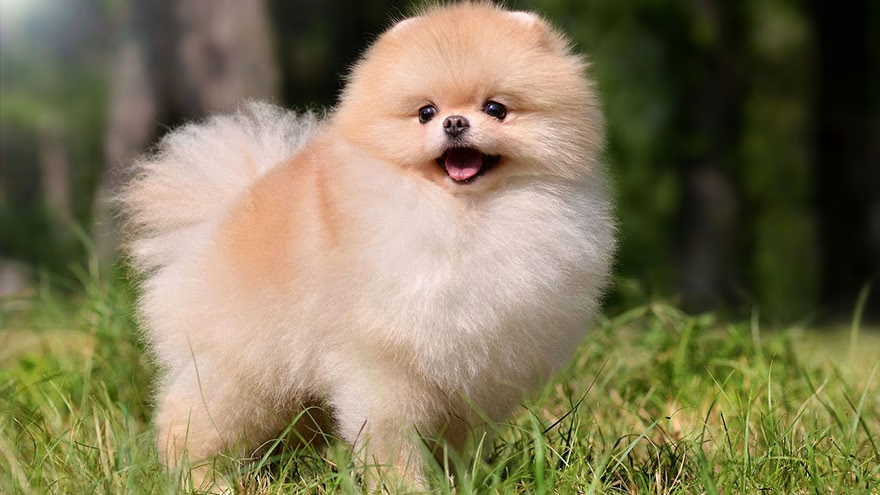
Pomeranians Are Small Dogs With Big Household Needs
Pomeranian common questions often start with size and end with daily management. A Pom is tiny, but that does not make the breed low-effort. These dogs need grooming, training, safe handling, dental care, exercise, and attention to health signs.
The American Kennel Club's article on whether a Pomeranian is a good fit notes that Poms can suit city or suburban life and often do better with older children who understand small dogs. That is a useful starting point for honest breed matching.
A Pomeranian is portable, but not maintenance-free.
1. How Big Does a Pomeranian Get?
Pomeranians are toy dogs, usually small enough to live comfortably in apartments or smaller homes. Their size makes them easy to carry, but it also makes rough handling, falls, and accidental stepping a real concern.
Do not let the small body fool you into skipping structure. A Pom still needs leash manners, a safe place to rest, and rules about furniture, stairs, and children picking them up.
Small size should lead to safer handling, not fewer boundaries.
2. Are Pomeranians Good With Children?
Pomeranians can live with children, but the match depends on the child, the dog, and supervision. Older children who can respect a small dog's body are usually a better fit than toddlers who grab, chase, or fall.
Teach children to sit before holding the dog, leave the dog alone while sleeping or eating, and avoid squeezing. A Pom that feels cornered may snap from fear, pain, or frustration.
3. Do Pomeranians Bark a Lot?
Many Pomeranians are alert and vocal. Barking can come from excitement, guarding the window, fear, boredom, separation stress, or learned habit. The answer is not yelling back. The answer is management, training, and giving the dog better information.
Block constant window triggers, reward quiet behavior, teach a cue, and meet the dog's exercise and mental needs. If barking is sudden or paired with distress, talk with a veterinarian or qualified trainer.
For comparison with another small breed Q&A style, Livecub's Maltese common questions can help owners think beyond size alone.
4. How Much Grooming Does a Pomeranian Need?
The American Pomeranian Club's breed standard page describes the Pom as having a dense undercoat and a profuse outer coat. That coat needs routine brushing, careful detangling, nail trims, ear checks, and skin checks.
Do not shave a Pom for convenience without skilled veterinary or grooming guidance. Brushing, bathing on an appropriate schedule, and removing loose undercoat are safer long-term habits for most dogs.
Coat care is part of owning the breed, not an optional extra.
Livecub's longhair dachshund grooming guide offers a useful reminder that long-coated dogs need hands-on checks, even when the coat type differs.
5. Are Pomeranians Easy to Train?
Pomeranians are bright and can learn quickly, but they can also learn bad routines just as fast. Short, upbeat sessions work better than long drills. Use rewards, clear cues, and consistency from everyone in the household.
House training can take patience because small dogs have small bladders and owners sometimes miss early signals. Keep a schedule, supervise indoors, and do not treat accidents as stubbornness.
6. How Much Exercise Does a Pomeranian Need?
A Pom does not need marathon walks, but it does need daily movement and mental work. Short walks, training games, indoor play, sniffing time, and food puzzles can all help.
Watch for heat, cold, rough surfaces, and large-dog play that is too physical. A tiny dog can be injured by a playful collision that would not bother a larger breed.
Exercise should be scaled to the dog, not skipped because the dog is small.
7. What Health Issues Should Owners Discuss?
The American Pomeranian Club's health statement hosted by AKC mentions concerns such as trachea problems and heart testing recommendations. Owners should not self-diagnose, but coughing, fainting, breathing trouble, dental pain, limping, or sudden behavior changes deserve a veterinary call.
Poms may also need attention to teeth, knees, weight, coat and skin, and safe handling. Ask your vet what preventive care fits your dog's age, size, and history.
Toy breed health signs can become serious quickly.
8. Do Pomeranians Get Along With Other Pets?
Some Pomeranians live well with other dogs and cats. Others are bold enough to challenge animals much larger than themselves. Introductions should be slow, supervised, and shaped around safety.
Do not let a Pom's confidence put the dog in danger. Separate feeding areas, monitor play, and give the Pom a retreat where larger pets cannot crowd them.
Livecub's Miniature Schnauzer common questions is another example of why temperament must be read breed by breed and dog by dog.
9. Is a Pomeranian Good for Apartment Living?
Pomeranians can be good apartment dogs when barking is managed and daily needs are met. The problem is not floor space as much as noise, routine, and safe outings.
Use safe walking gear that fits well, supervise elevators and shared halls, and give the dog calm practice around neighbors, delivery sounds, and other dogs. Apartment life rewards training before habits harden.
10. How Do You Choose a Pomeranian Breeder or Rescue?
Ask breeders about health testing, temperament, size expectations, coat care, dental history, heart checks, and support after placement. Ask rescues what is known about the dog's behavior, medical history, grooming tolerance, and home needs.
The American Pomeranian Club is the AKC-recognized national breed club, and its site is a good place to start learning breed context. For another breed-shopping framework, Livecub's Brittany Spaniel breeder recommendations can help with general questions.
Daily Life With a Pomeranian
Living with a Pom means thinking small and steady. Use ramps or steps where needed, keep the dog away from rough play, maintain dental care, and brush often enough that mats do not form.
Also respect the personality. Many Poms want to be involved in the household. A bored Pom may bark, pace, demand attention, or invent games you do not enjoy.
Dental Care Deserves Its Own Routine
Toy breeds can have crowded mouths, retained baby teeth, tartar, gum irritation, or tooth loss. Your veterinarian can show you what to watch for and how often professional dental care may be needed.
Brush if your Pom tolerates it, use vet-approved dental products, and do not ignore bad breath. A tiny dog can keep eating even when the mouth is uncomfortable.
Dental care is not cosmetic for a Pomeranian.
Travel and Outdoor Safety
Poms often go places with their owners, but travel should still be planned. Use a secure carrier in the car, watch temperature, keep the dog away from larger off-leash dogs, and bring water for warm days.
Because they are small and eye-catching, Pomeranians should not be left tied outside shops or restaurants. A short errand can become unsafe quickly if another dog, child, or stranger approaches.
Portability should not replace supervision.
Cost and Time Expectations
A Pomeranian may eat less than a large dog, but grooming, dental care, veterinary visits, safe gear, training, and boarding can still add up. Budget for the whole dog, not only food.
Time matters too. Brushing, potty breaks, training, walks, play, and social contact are daily needs. A Pom left to entertain itself may become noisy, anxious, or difficult to handle.
Who Should Think Twice?
A Pomeranian may not be right for a home with very rough young children, large uncontrolled dogs, no grooming plan, or neighbors who cannot tolerate barking during training. The breed can be wonderful, but it asks for careful handling.
If you want a dog that can be treated casually because it is small, choose a different plan. A Pom does best with owners who enjoy detail.
That detail is what keeps the dog safe, comfortable, and easier to live with every day at home.
It also makes training feel fairer for the dog.
Frequently Asked Questions
Are Pomeranians good first dogs?
They can be good first dogs for owners ready for grooming, training, barking management, dental care, and safe handling.
Can Pomeranians be left alone all day?
They should not be ignored all day. Many need companionship, potty breaks, enrichment, and gradual alone-time training.
Should you shave a Pomeranian?
Do not shave a Pom for convenience without veterinary or skilled grooming advice. Routine brushing and coat care are usually better.
Are Pomeranians fragile?
They are small and can be injured by falls or rough handling, so homes need safe routines and careful supervision.

Chiara Bradshaw
Covers education, culture and creative topics with an emphasis on readable explanations and verifiable references.

Leave a reply
Replying to