

Pregnancy Tips for Dads are not about hovering or performing confidence. The best support is practical, steady, and responsive: learn what is happening, ask what your partner needs, share the boring tasks, and stay calm when the plan changes.
This is general pregnancy and parenting education, not medical advice. If your partner has bleeding, severe pain, high blood pressure symptoms, decreased fetal movement, depression, panic, or safety concerns, contact the care team or emergency services as appropriate.
Learn The Timeline
Know the due date, trimester, appointment rhythm, warning signs, and who to call after hours. You do not need to become a clinician. You do need to know enough that your partner is not carrying every detail alone.
ACOG's pregnancy FAQ pages, including having a baby, are useful starting points for learning the stages and care basics.
Go To Key Appointments

Attend important visits when your partner wants you there. Listen, take notes, and ask practical questions: what symptoms need a call, what medications are safe, what happens at the next scan, and how can I help at home?
If early pregnancy timing is confusing, Livecub's first-week pregnancy signs article can help with basic language.
Take Over Visible Tasks
Do not ask what needs doing every time. Notice dishes, laundry, grocery runs, pet care, older children, and appointment logistics. Pregnancy support often looks like fewer decisions for the pregnant person.
A partner who waits to be assigned every job is still making someone else manage the house.
Learn Food And Nausea Needs

Nausea can change quickly. Keep easy foods available, avoid strong smells if they trigger symptoms, and do not take rejected meals personally. Ask what helps this week, not what helped last week.
For gentle food ideas, Livecub's bland diets for pregnancy article may help when nausea or reflux is making meals hard.
Protect Rest
Sleep can get worse because of nausea, worry, urination, pain, or fetal movement. Help by handling evening chores, reducing noise, managing pets, and making the bedroom easier to rest in. Rest is not laziness.
CDC pregnancy information on pregnancy basics gives general public health context, but symptoms should go to the care team.
Talk About Intimacy
Pregnancy can change desire, comfort, body image, and fear. Ask instead of assuming. Intimacy may mean sex, cuddling, massages, quiet time, or feeling wanted without pressure.
Livecub's staying intimate during pregnancy guide is a direct internal resource for this conversation.
Know Warning Signs
Learn the signs your partner's care team wants reported: heavy bleeding, severe headache, vision changes, severe abdominal pain, chest pain, shortness of breath, fever, fluid leak, regular contractions too early, or decreased fetal movement later in pregnancy.
Your job is not to diagnose. It is to take concerns seriously and help call.
Support Mental Health
Pregnancy can bring anxiety, depression, irritability, grief, or panic. Do not dismiss it as hormones. Ask how your partner is really doing, and help raise concerns at appointments if they want support.
Livecub's depression during pregnancy article can help identify symptoms that deserve care.
Plan Money And Leave
Discuss insurance, parental leave, childcare, debt, emergency savings, and who handles paperwork. Avoid dumping the planning on the pregnant partner because you feel nervous. Make a shared document and update it weekly.
The goal is not perfect certainty. It is fewer surprises.
Prepare For Labor

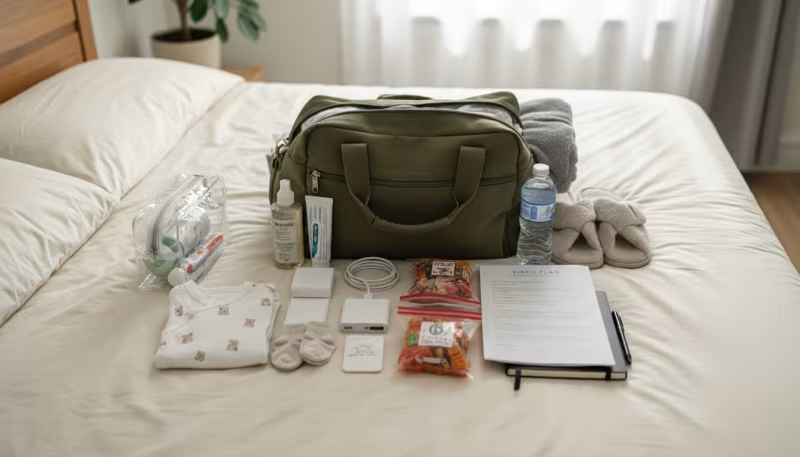
Take a class, tour if available, pack your own bag, know the route, and understand your partner's preferences. In labor, use short support: water, counterpressure, dim lights, call the nurse, breathe with me.
Livecub's early labor support guide is the most relevant internal article for practice.
Respect The Body
Do not comment on weight, swelling, eating, or appearance as if you are a judge. Compliments should feel safe, not like monitoring. Ask before touching the belly, especially around other people.
Pregnancy can make a person feel watched. Be the place where they do not have to perform.
Prepare Yourself Too
Dads can feel fear, money pressure, grief about changing identity, or worry about being good enough. Talk to a trusted adult, counselor, or group. Do not make your pregnant partner manage all your anxiety.
Support works best when both people have somewhere to put their stress.
Learn The Birth Preferences
Ask what matters most in labor: privacy, pain options, mobility, music, visitors, photos, cord cutting, feeding plans, or who speaks if your partner cannot. Your job is to remember preferences while staying flexible if medical needs change.
A birth preference list should support care, not become a script you fight over.
Be The Gatekeeper
Visitors, relatives, texts, and group chats can drain a pregnant person. Offer to manage updates, set visiting limits, and say no when needed. Do not make your partner defend every boundary while pregnant or postpartum.
A good gatekeeper protects rest without creating drama.
Practice Baby Care
Learn diapering, swaddling, safe sleep basics, bottle prep if relevant, car seat use, and how to call the pediatrician. Do not wait until the baby arrives to begin. Practice reduces fear and prevents one parent from becoming the default expert.
Competence is built before the crisis moment.
Plan Postpartum Support
Pregnancy support does not end at birth. Plan meals, laundry, night shifts, visitors, mental health check-ins, pediatric visits, and recovery time. If your partner has surgery or tearing, physical recovery may be slower than relatives expect.
Postpartum planning is one of the most useful things a dad can do before labor.
Respect Medical Privacy
Your partner may want you in some appointments and not others. Respect that. Pregnancy is shared family change, but the medical body belongs to the pregnant person. Ask what support looks like instead of assuming access.
Trust grows when privacy is handled with care.
Watch Your Language
Avoid jokes about hormones, size, cravings, or mood. Humor that makes your partner feel alone is not support. Use direct language: I am here, I believe you, I can call, I can handle dinner, I will come with you.
Small sentences often matter more than big speeches.
Learn The Car Seat Early
Install the car seat before the due date and have it checked if local resources are available. Read both the car seat manual and vehicle manual. The ride home is not the time to learn straps, angles, and base installation.
This is a concrete job dads can own without taking over pregnancy decisions.
Handle Family Pressure
Relatives may offer advice, criticism, or old rules. Discuss boundaries before birth: visitors, kissing the baby, vaccines, photos, feeding comments, and overnight stays. Present boundaries as a team where possible.
Your partner should not have to be the only person saying no.
Know Postpartum Warning Signs
Learn signs that need care after birth too: heavy bleeding, fever, severe headache, chest pain, shortness of breath, calf pain, incision problems, depression, panic, or thoughts of self-harm. Keep emergency numbers visible.
Pregnancy support continues after the baby is born.
Protect Feeding Choices
Feeding can be emotional. Support the plan your partner and care team choose, and help with logistics: water, food, pump parts, formula prep, burping, bottle washing, or appointment rides. Do not turn feeding into a debate with relatives.
A supported parent feeds a baby with less shame and more rest.
Share The Mental Load
Mental load is remembering what needs to happen. Track refills, appointment dates, insurance calls, nursery tasks, and family messages without being reminded every time. If your partner has to manage your help, it is only half help.
Build A Contact List
Save the OB or midwife number, hospital address, after-hours line, pediatrician, pharmacy, and one backup driver. Put the list in both phones and on paper. In a stressful moment, searching old messages wastes time.
Frequently Asked Questions
What is the best thing a dad can do during pregnancy?
Be steady, informed, practical, and responsive instead of waiting to be assigned every task.
Should dads attend appointments?
Yes, when invited and possible, especially key visits, scans, and planning appointments.
How can dads help with nausea?
Keep tolerated foods ready, reduce strong smells, and ask what helps now.
What warning signs should dads know?
Bleeding, severe pain, severe headache, vision changes, fever, fluid leak, chest pain, and decreased movement need care.
How can dads help in labor?
Use short support, protect privacy, offer water, help with comfort measures, and call staff when needed.
The Practical Takeaway
Pregnancy support for dads means learning the basics, sharing work, protecting rest, supporting mental health, planning money and leave, and preparing for labor without taking over.

Cashie Evans
Covers parenting and practical household topics with clear steps, safety notes and links to current guidance.



Leave a reply
Replying to