
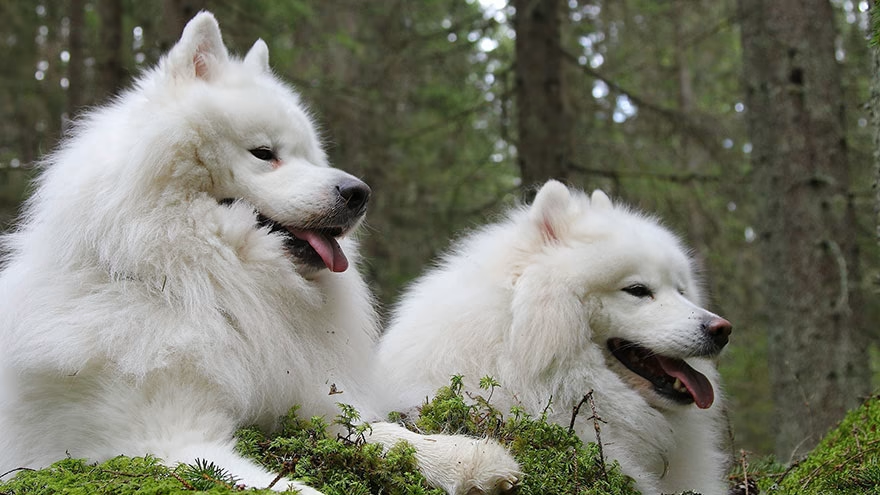
Samoyed Health Starts Before the Puppy Comes Home
Samoyed health care starts with the breeder, rescue, or previous home long before a new owner buys food or a brush. This smiling white working breed can be affectionate, energetic, and hardy, but it still needs serious health planning.
Use this guide as an owner checklist, not a diagnosis tool. A veterinarian who knows your dog should guide medical decisions, screening, treatment, diet, and emergency care.
Breed health knowledge should make vet conversations sharper.
Ask About CHIC and Health Testing
The Samoyed Club of America's page on CHIC explains that a CHIC number is issued after breed-specific required test results are entered and publicly released. It also notes that a CHIC number does not mean all results were normal.
That distinction matters for puppy buyers. Ask what tests were done, where results are listed, what the results mean, and how the breeder uses them. Responsible answers should be specific, calm, and verifiable.
Public health records are better than vague reassurance.
Hip Health and Movement
The Samoyed Club of America's skeletal health page says breeding animals should have hip radiographs evaluated through OFA or PennHIP before breeding to reduce the risk of passing on hip dysplasia. Owners should also watch movement throughout life.
Limping, bunny-hopping, reluctance to jump, slow rising, stiffness after rest, or sudden exercise avoidance should be discussed with a vet. Do not assume a young, fluffy dog is only being lazy.
For a comparison with another large active breed topic, Livecub's biggest dog breeds article can help frame why size, structure, and conditioning matter.
Eyes Need Screening and Attention
Samoyed health discussions often include eye screening and inherited eye disease risk. The AKC's Samoyed breed page points owners toward breed traits and responsible care expectations, while parent-club health programs give more detailed testing context.
Cloudiness, redness, squinting, discharge, light sensitivity, bumping into objects, or sudden reluctance in dim light should be checked. Eye pain can worsen quickly, so do not wait for it to resolve on its own.
Eye changes need veterinary attention sooner rather than later.
Heart Checks Belong in the Conversation
The Samoyed Club of America's CHIC information includes congenital cardiac evaluation among required breed-specific testing. For owners, that means heart health should be part of the record review and routine vet relationship.
Coughing, fainting, unusual fatigue, exercise intolerance, rapid breathing at rest, or a newly detected murmur should be discussed with a veterinarian. Some signs overlap with other problems, which is why exam and testing matter.
Heat Safety Is a Daily Care Issue
Samoyeds have a dense double coat and cold-weather heritage. That does not mean they can never live in warmer places, but it does mean owners must manage heat carefully. Shade, water, cool indoor rest, early walks, and avoiding hot pavement all matter.
Heavy panting, weakness, drooling, confusion, collapse, vomiting, or a dog that cannot settle after heat exposure should be treated as urgent. Call a veterinarian or emergency clinic for guidance.
A Samoyed's coat is beautiful, but heat still needs respect.
Coat Care Is Health Care
The Samoyed coat needs regular brushing, especially during shedding seasons. Mats can trap moisture, hide skin irritation, pull painfully, and make it harder to check the body. Grooming also lets owners find lumps, sore areas, ticks, hot spots, or weight changes.
Avoid shaving the coat without veterinary guidance. The double coat helps with insulation, and poor coat decisions can create new problems. Use brushing, shade, timing, and indoor cooling as the main heat-management tools.
For another long-coated grooming comparison, Livecub's longhair dachshund grooming guide shows how coat work can double as a body check.
Weight Control Protects Joints and Stamina
Samoyeds can look fluffy enough that weight gain is hard to see. Feel for ribs, watch waist shape, track body condition, and ask your vet to set a target range. Extra weight makes heat, orthopedic strain, and exercise recovery harder.
Measure food, count treats, and adjust for age, neuter status, activity, and medical conditions. Working-dog energy does not cancel excess calories.
Fluff can hide weight changes until the hands check.
Exercise Should Be Steady, Not Sporadic
Samoyeds often enjoy walking, pulling sports, training games, snow play, hikes, and family activity. Build fitness gradually. A weekend sprint after five quiet days can strain muscles and joints.
Use mental work too: training, scent games, puzzle feeders, and calm manners practice. Exercise is not only distance. It is also controlled movement and a brain that has a job.
Livecub's German Shorthaired Pointer questions offer a useful contrast for active breeds with different coats, climates, and exercise styles.
Skin, Allergies, and Hot Spots
Thick coats can hide skin trouble. Watch for chewing, scratching, odor, redness, flakes, wet patches, hair loss, ear irritation, or repeated licking. Do not assume every itch is normal shedding.
Skin problems can come from parasites, allergies, infection, moisture, mats, diet reactions, or other medical causes. A vet exam is the fastest way to avoid treating the wrong problem.
Dental Care Should Not Be an Afterthought
Samoyeds may look rugged, but their mouths still need routine care. Bad breath, tartar, gum redness, loose teeth, pawing at the mouth, drooling, or chewing on one side should be discussed with a vet.
Use brushing, dental chews, or other vet-approved products if they fit your dog. Professional cleanings may still be needed, especially as the dog ages.
A healthy smile is more than the famous Samoyed expression.
Know the Emergency Signs
Deep-chested dogs can raise owner concern about gastric dilatation-volvulus, often called bloat. A swollen abdomen, repeated unproductive retching, restlessness, drooling, collapse, or sudden severe distress should be treated as an emergency.
Do not wait to see if a suspected emergency passes. Call an emergency veterinarian and leave for care if directed. Fast action matters more than home remedies.
Some symptoms should go straight to emergency guidance.
Breeder and Rescue Questions
Ask breeders for health records, CHIC information, temperament history, ages and causes of death in relatives when known, diet, vaccination records, parasite prevention, and support after placement. Ask rescues what is known and what needs follow-up.
Livecub's Brittany Spaniel breeder recommendations can help structure questions even for a different breed.
Build a Preventive Care Schedule
A Samoyed care plan should include routine exams, vaccines based on risk and law, parasite prevention, dental planning, weight checks, and screening conversations tied to age and family history. Preventive care helps owners catch gradual changes.
Bring notes to vet visits. List food, treats, supplements, medications, activity, coat changes, stool changes, appetite, water intake, and any symptoms. Photos can help when skin or movement changes come and go.
Clear records make veterinary visits more useful.
Senior Samoyeds Need Adjusted Care
Older Samoyeds may need different exercise, softer sleeping areas, more dental attention, weight monitoring, pain assessment, and screening bloodwork. Aging should not be used as an easy explanation for every new sign.
Watch for slower rising, slipping, stiffness, confusion, appetite changes, new lumps, increased thirst, house-soiling, or reduced stamina. Schedule a vet visit when a new pattern appears.
Senior care is about comfort and early answers.
Make the Home Climate-Friendly for the Dog
Indoors, give a Samoyed cool resting spots, water access, and safe flooring. Slick floors can make excited movement harder on joints. In warm weather, plan walks early or late and avoid pavement that is hot to your hand.
Do not rely on the coat alone to protect the dog from either heat or rough surfaces. Management still belongs to the owner.
When to Call a Vet
Call urgently for collapse, breathing trouble, heat illness signs, seizures, repeated vomiting, severe diarrhea, eye pain, bloat-like symptoms, pale gums, major bleeding, or sudden weakness. Schedule nonurgent visits for gradual limping, coat changes, weight change, itching, dental problems, or reduced stamina.
Keep records of symptoms, dates, food, medications, and photos. Clear notes help your veterinarian see patterns that may not be obvious in a single appointment.
Frequently Asked Questions
Are Samoyeds generally healthy dogs?
Many Samoyeds are healthy and active, but the breed has screening concerns that should be discussed with breeders and veterinarians.
What health tests should Samoyed breeders discuss?
Ask about parent-club recommended screening, including hips, eyes, cardiac evaluation, and relevant genetic testing recorded through public databases.
Do Samoyeds overheat easily?
They can be sensitive to heat because of their dense coat and cold-weather background, so owners should plan exercise and cooling carefully.
How often should a Samoyed be groomed?
Brush regularly year-round and more often during shedding seasons. Grooming frequency depends on coat condition, season, and lifestyle.

Chiara Bradshaw
Covers education, culture and creative topics with an emphasis on readable explanations and verifiable references.

Leave a reply
Replying to