Press Enter to search or ESC to close
Health

The Psychology of Doomscrolling and How to Break the Cycle

Chiara Bradshaw
· · 16 min read

The Psychology of Doomscrolling and How to Break the Cycle

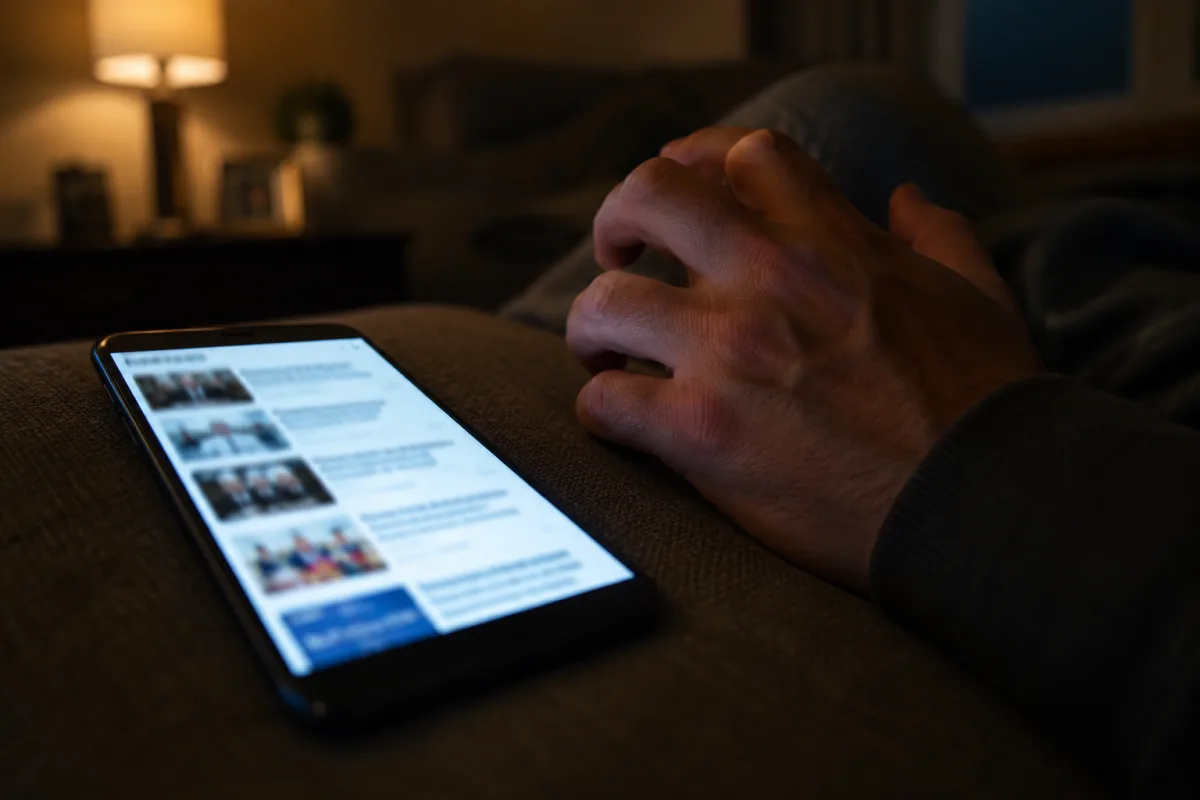
Picture this: it's late, maybe way past your bedtime, and you're lying in the dark. Your phone's glowing screen is the only light in the room, casting an eerie pallor on your face. You're scrolling, endlessly scrolling, through a barrage of headlines and posts, each one seemingly more dire than the last. You feel that familiar knot of anxiety tightening in your stomach, your shoulders inching closer to your ears.

Yet, you can't stop. You keep refreshing, keep clicking, convinced that if you just read one more article, if you just see one more update, you'll feel more informed, more prepared, maybe even a little bit better. But it never works, does it? Instead, you close your eyes hours later, heart racing, mind buzzing, and absolutely no closer to peace.

Sound familiar? If so, you've been caught in the relentless grip of doomscrolling, and trust me, you're not alone.

Why This Matters

Here's the thing: doomscrolling isn't just a quirky habit or a harmless way to pass time. It's a real drain on our mental and emotional well-being, and honestly, I've seen it impact people's lives in profound ways – including my own. Think about it. When you're constantly bombarding your brain with negative news, alarming updates, and sensationalized stories, you're essentially programming it for anxiety.

It messes with your sleep, leaves you feeling irritable and unfocused, and can even strain your relationships because you're less present and more preoccupied with external worries. I've experienced those mornings where I wake up already feeling heavy, simply because my last conscious act was consuming a stream of negativity. It's not just about missing out on sleep; it's about missing out on joy, connection, and a sense of calm in your own life. We're talking about our baseline happiness, our ability to engage meaningfully with the world, and our overall resilience.

If we don't address this, we risk living in a perpetual state of low-grade stress, constantly on edge and always expecting the next bad thing. And frankly, we deserve better than that.

Understanding the Vicious Cycle: Why We Can't Stop

So, why do we do it? Why do we keep diving back into the deep end of distressing information, even when we know it makes us feel worse? It's not because we're weak or because we enjoy feeling terrible. It's actually a fascinating, albeit frustrating, interplay of our brain's ancient wiring and modern technology.

Our brains, bless their hearts, are primarily wired for survival. They have this built-in "negativity bias", meaning they're hyper-attuned to threats and potential dangers. Historically, this was incredibly useful – knowing which berries were poisonous or where the predator lurked kept our ancestors alive. In today's digital landscape, however, that same bias makes us gravitate towards alarming headlines and crisis updates.

Our brain mistakenly thinks that by gathering more information about potential threats (even if they're global, abstract, and beyond our control), it's making us safer or more prepared. Then there's the illusion of control. When things feel uncertain or chaotic in the world, we desperately seek information to feel like we understand what's happening, hoping that knowledge will somehow grant us a sense of power or the ability to predict the future. The cruel irony is that often, the more we scroll, the less in control we feel, and the more anxious we become.

It's like trying to put out a fire by pouring gasoline on it. And let's not forget our old friend, FOMO – the Fear Of Missing Out. There's this nagging thought that if we step away, we'll miss a crucial update, a development that everyone else knows about, or even a directive that we need to follow. The algorithms of social media and news apps, designed for maximum engagement, only amplify this.

They learn what keeps us scrolling, and often, that's the emotionally charged, sensational, or fear-inducing content. It's a perfect storm, isn't it?

Breaking Down the Brain's Role

  • Acknowledge Your Brain's Wiring: This is a big one, and it's something I've had to learn to be kind to myself about. When I catch myself scrolling through distressing news, I try to remind myself that it's not a personal failing. My brain isn't trying to punish me; it's simply activating an ancient survival mechanism that's a bit confused by the sheer volume and speed of modern information. Understanding that it's an evolutionary response, rather than just "being addicted to my phone," can shift your perspective from self-blame to self-compassion. It helps you see the behavior as something to manage, not a moral failing. Your brain is trying to protect you, it's just doing it in a way that's no longer helpful.
  • Identify Your Triggers: This is where self-awareness really comes into play. When do you usually find yourself doomscrolling? For me, it's often late at night when I'm feeling a bit restless and tired, or sometimes in the morning when I'm trying to ease into the day and procrastinating on actual work. Is it boredom? Stress? A feeling of loneliness? Before bed, when you're seeking a distraction from your thoughts? First thing in the morning, before you've even fully woken up? Pinpointing these specific moments and the emotions behind them is the absolute first step to creating a plan. Once you know your triggers, you can start to develop alternative responses. For instance, if boredom is a trigger, what else could you do in that moment?
  • Recognize the False Promise: This might sound harsh, but it's a truth I've had to accept: the belief that more information will make you feel better or more prepared is almost always an illusion. In my experience, it rarely leads to actionable insights and almost always leads to increased anxiety and a sense of powerlessness. We often scroll because we think we need to "stay informed," but there's a huge difference between being informed and being inundated. Being informed means understanding key facts from reliable sources. Being inundated means consuming every single terrifying detail, often without context, and feeling overwhelmed by it all. Ask yourself honestly: Is this making me feel empowered or just drained?

Building Your Digital Fortress: Practical Strategies for Disengagement

Alright, so we get why we doomscroll. Now, let's talk about what we can actually do about it. This isn't about throwing your phone in the ocean (though sometimes I'm tempted!). It's about consciously building boundaries, changing your habits, and creating just enough friction to disrupt that automatic, mindless scroll.

Think of it as constructing a fortress around your peace of mind, brick by digital brick. It requires intentionality and a commitment to your own well-being. It won't happen overnight, and you'll definitely have days where you slip, but that's okay. The goal here is progress, not perfection.

Every small step you take to disengage is a victory.

Simple Steps to Reclaim Your Time

  • Implement "No-Phone Zones": This is a simple yet incredibly powerful strategy. Designate specific areas or times where phones are absolutely off-limits. For me, the bedroom is the biggest one. My phone now charges in the kitchen, far away from my bed. This has radically improved my sleep and significantly reduced my late-night scrolling. Other ideas include the dinner table (hello, actual conversation!), during your morning coffee ritual, or while spending time with family and friends. The benefits are immense: improved sleep quality, deeper and more meaningful conversations, and a clearer mind because you're not constantly being pulled in different directions by notifications.
  • Schedule Your News Intake: Instead of mindlessly grazing on news throughout the day, which keeps your anxiety simmering, try to pick specific, limited times to check the news from trusted sources. Maybe it's 15 minutes in the morning with your coffee, and another 15 minutes in the late afternoon. This creates a "container" for potentially overwhelming information. You're acknowledging your need to stay informed, but you're also putting a firm boundary around it. Once your scheduled time is up, you put the phone away, knowing you've done your part, and you can then focus on other things without that constant pull.
  • Curate Your Feed Aggressively: This is a game-changer. Spend an hour (yes, an actual hour!) going through your social media accounts and unfollow, mute, or block anything that consistently triggers anxiety, anger, or a sense of inadequacy. Unfollow accounts that only share sensationalized or negative news. Mute keywords that are causing distress (most platforms allow this). Then, actively seek out and follow accounts that inspire you, make you laugh, teach you something new, or share genuinely uplifting content. Remember, your feed is your digital living room; you wouldn't invite just anyone in, so don't let just any content take up residence there. I did this about a year ago, and it significantly improved my daily mood and the overall tone of my online experience.
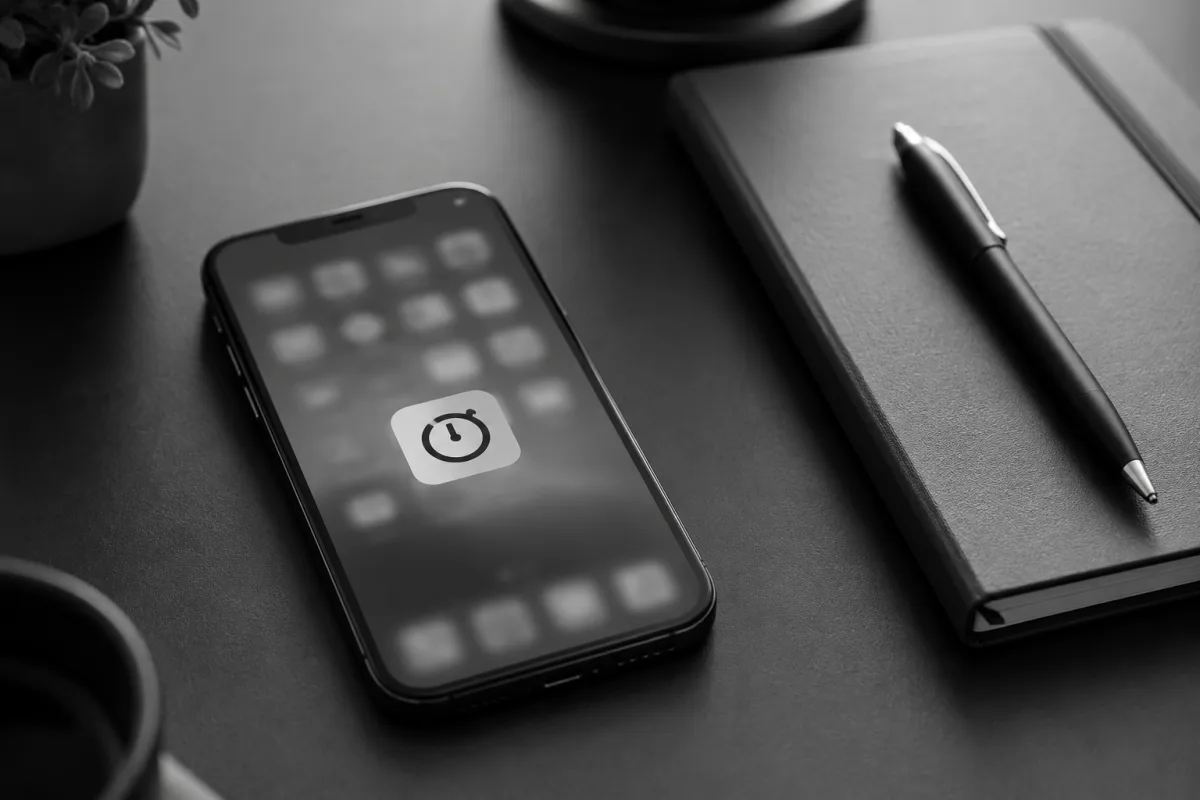
  • Utilize Tech to Fight Tech: It might sound counterintuitive, but your phone actually has some fantastic built-in tools to help you. Explore app timers (set limits for specific apps), grayscale modes (making your screen black and white can significantly reduce its addictiveness), and "Do Not Disturb" functions (schedule them to activate automatically during certain hours). These tools aren't just for show; they're designed to help you create distance and make the habit less appealing. The friction they introduce can be just enough to break the automatic scroll. When an app timer pops up, it gives you that crucial moment to decide, "Do I really need to open this again?"
  • Practice the "Pause and Ask" Method: Before automatically opening a news app or social feed, especially when you feel that familiar itch, pause for a moment. Take a deep breath. Then, ask yourself: "Why am I doing this right now? What do I hope to gain from this? Is this truly serving me in this moment?" This micro-moment of mindfulness can be incredibly powerful. It interrupts the automatic impulse and allows you to make a conscious choice rather than just reacting. Often, you'll find that you're just bored, stressed, or procrastinating, and there might be a healthier alternative waiting.

Cultivating Calm: Nurturing Your Inner Peace Beyond the Screen

Breaking the doomscrolling habit isn't just about stopping a negative behavior; it's crucially about replacing that void with positive, restorative activities. Think about it: if you simply stop scrolling but don't fill that time with something else, you're likely to drift right back. This is where we focus on actively nurturing your inner peace, expanding your world beyond the glowing screen, and reconnecting with what truly matters. This phase is about proactive self-care and finding joy in the offline world.

It's about building resilience not just against doomscrolling, but for a more fulfilling life. The time and mental energy you free up from endless scrolling are precious resources; let's use them wisely.

Rewiring Your Brain for Well-Being

  • Re-engage with Offline Hobbies: Remember all those things you used to love doing before your phone became your constant companion? Now's the time to pick them back up! Grab that dusty book you started, try a new recipe you pinned months ago, go for a long walk in nature, or delve into a creative project like painting, knitting, or playing a musical instrument. Filling the void left by doomscrolling with constructive, engaging activities makes it incredibly difficult for the old habit to creep back in. I recently rediscovered my love for sketching, and the focus it requires is a wonderful antidote to the scattered feeling doomscrolling leaves me with. It's a genuine form of escapism, but a healthy one.
  • Practice Mindful Breathing & Meditation: Even a few minutes a day can make a significant difference in regulating your nervous system and building a stronger sense of inner peace. There are tons of free apps and guided meditations available if you're new to it. The beauty of mindfulness is that it teaches you to observe your thoughts and feelings – even anxiety-inducing ones – without getting completely swept away by them. This skill is invaluable when you're tempted to dive back into the news cycle. It creates a space between the trigger and your reaction, allowing you to choose a different path. Try a simple 5-minute breathing exercise when you feel the urge to scroll.
  • Connect with Loved Ones (In Real Life): This one can feel so simple, yet it's profoundly powerful. Make an effort to spend quality, undivided time with friends and family. Put your phones away and truly engage in conversation, share a meal, or go for an outing together. Real-life interactions are a potent antidote to the often isolating experience of constant digital consumption. They provide genuine emotional connection, support, and a sense of belonging that no amount of social media likes can replicate. I've found that simply scheduling regular coffee dates with a friend can make a huge difference in my overall mood.
  • Engage in Movement: Exercise isn't just good for your body; it's phenomenal for your mind. It's a fantastic way to burn off anxious energy, release feel-good endorphins, and shift your focus from negative thought patterns. You don't need to join a gym or become a marathon runner. A simple walk around the block, a yoga session at home, or even dancing to your favorite music can do wonders for your mental state. When you feel that restless urge to scroll, try moving your body instead. I often find that a quick 20-minute walk outside can completely reset my mood and break the cycle of anxious thinking.
  • Keep a Gratitude Journal: This might sound a bit cliché, but hear me out. Doomscrolling trains your brain to focus on the negative and what's going wrong. A gratitude journal actively works against that. By consciously shifting your focus to what's good in your life, even the small, everyday things (a warm cup of coffee, a sunny window, a kind word from a friend), you start to rewire your brain for positivity. Even just jotting down three things you're grateful for each evening can counteract the negativity bias amplified by endless scrolling. It helps you end your day on a positive note, rather than with a churning mind full of worries.

Common Mistakes to Avoid

Okay, you're ready to tackle this, which is fantastic! But like any new journey, there are a few potholes you might encounter. Knowing them upfront can help you navigate more smoothly. First off, don't try to go cold turkey and expect immediate, perfect results.

That's a surefire way to set yourself up for failure and then self-blame. It's like trying to run a marathon without ever having jogged before. Instead, aim for small, consistent changes. Another big mistake is replacing one bad habit with another.

You might stop doomscrolling, only to find yourself binge-watching TV shows for hours or getting lost in video games. While those aren't necessarily "doom" activities, they're still passive consumption that can prevent you from engaging with life in a more meaningful way. It's about thoughtful engagement, not just distraction. Also, please, please don't blame yourself excessively when you slip up.

It's going to happen. You're human. The important thing isn't that you never scroll again, but that you recognize it, forgive yourself, and get back on track. Beating yourself up only reinforces negative feelings, which can paradoxically push you back towards the comfort (however false) of scrolling.

A common error I've seen is trying to tackle this in isolation. Not telling anyone about your struggles can make it feel heavier. Share what you're trying to do with a trusted friend, partner, or family member. They can offer encouragement, hold you accountable, or even join you in your digital detox efforts.

Finally, don't ignore the underlying anxiety. Sometimes, doomscrolling is a symptom of deeper stress or emotional challenges. While these strategies will help, if you find yourself overwhelmingly anxious, please consider talking to a mental health professional. They can offer tailored support and tools that go beyond habit-breaking.

Expert Tips for Long-Term Resilience

For those of us who are really serious about reclaiming our peace and building long-term resilience against the siren call of the screen, there are a few advanced moves we can make. Consider scheduling regular digital detox weekends. This means turning off notifications, putting your phone away, and fully immersing yourself in offline activities for 24-48 hours. It's incredibly refreshing and helps recalibrate your relationship with technology.

I try to do this once a month, and it makes a noticeable difference in my focus and overall mood for the following week. Another powerful practice is mindful media consumption. Don't just consume; reflect. Before clicking on a link or reading an article, pause and ask yourself: "Is this information truly necessary for me to know right now?

How is this making me feel? Am I engaging with this out of genuine curiosity or out of an anxiety-driven impulse?" This level of awareness transforms passive consumption into active choice. You might also want to create a "worry window." Designate a specific, limited time each day (say, 15-30 minutes) where you allow yourself to acknowledge worries, process information, and check news updates. Outside of this window, actively redirect your thoughts when they drift to distressing topics.

This helps contain anxiety rather than letting it bleed into your entire day. And if you're really struggling to break free, please consider seeking professional help. Talking to a therapist or coach can provide personalized strategies and support for managing anxiety and building healthier digital habits. They can offer insights you might not discover on your own.

Finally, embrace the philosophy of digital minimalism. This isn't about getting rid of all your tech, but about consciously questioning every app, every notification, and every digital interaction. Do you really need that app? Does that notification truly serve you?

Ruthlessly prune your digital life until only the truly valuable and essential remains. It’s about being intentional, not just reactive, to the digital world.

Final Thoughts

Breaking the cycle of doomscrolling is a journey, not a destination. There will be good days and challenging days, and that's perfectly okay. The most important thing is to approach this with self-compassion, patience, and a genuine commitment to your own well-being. Remember, you're not just trying to stop a bad habit; you're actively choosing a calmer, more present, and ultimately happier life for yourself.

You're reclaiming your precious attention and energy from the endless churn of negativity and redirecting it towards what truly nourishes you. Every small step you take to pause, to breathe, to connect with the real world, is a victory. So, what small step will you commit to taking today to build your own digital fortress and nurture your inner calm? You've got this, and your peace of mind is absolutely worth fighting for.

The Psychology of Doomscrolling and How to Break the Cycle Save

Save for later

Found this helpful?

Pin this article to your Pinterest board and come back to it whenever you need a reminder.

Save to Pinterest
Written by

Chiara Bradshaw

Chiara Bradshaw has been writing for a variety of professional, educational and entertainment publications for more than 12 years. Chiara holds a Bachelor of Arts in art therapy and behavioral science from Mount Mary College in Milwaukee.

More posts
Chiara Bradshaw

Responses (0)

0%