
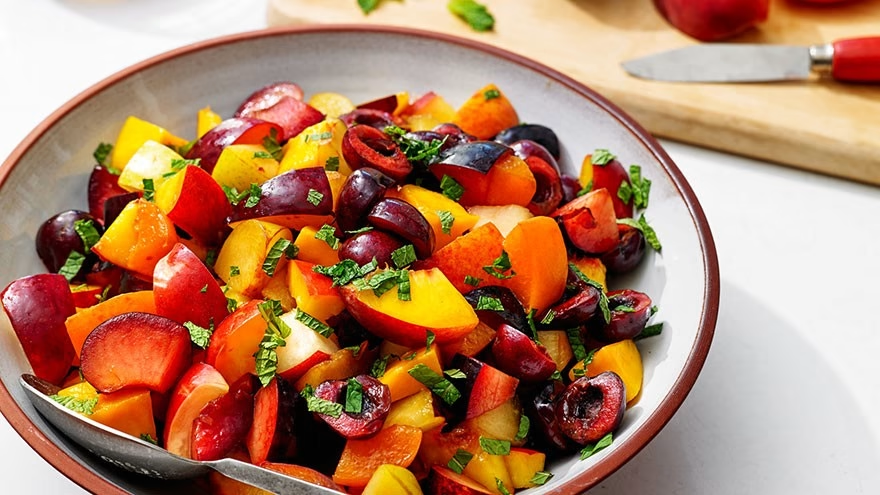
Fruit Belongs in More Than Dessert
Tips for cooking with fruits should not stop at pie and jam. Fruit can sharpen a sauce, soften a spicy dish, brighten a salad, or give roasted meat a cleaner finish. The key is knowing what heat will do to sugar, acid, water, and texture.
Fresh fruit is not automatically better in every cooked dish. Frozen fruit can be excellent for sauces and baking, dried fruit can deepen stews, and canned fruit can work when packed in juice rather than heavy syrup.
The best fruit choice depends on the job. A peach for grilling, an apple for pie, and a lemon for sauce are all doing different work.
Start With Ripe but Not Collapsing Fruit
Ripe fruit gives more aroma and better sweetness, but overripe fruit can fall apart before a dish is done. For roasting and grilling, choose fruit that smells good but still holds shape. For sauces and compotes, softer fruit is fine.
The USDA SNAP-Ed seasonal produce guide is a useful way to think beyond one fruit bowl. Seasonal options change by region, but the idea stays the same: use fruit when it tastes like itself.
Fruit can also make savory dinners easier. Apples, pears, grapes, citrus, peaches, apricots, and cherries can all work with poultry, pork, grains, greens, cheese, and herbs.
If you are cooking greens, fruit can bring balance. Livecub's A Guide to Cooking Greens pairs naturally with apples, pears, raisins, citrus, or a small splash of fruit vinegar.
Wash Fruit Before Cutting
Wash fruit under running water before cutting, peeling, or cooking. The FDA's produce safety guidance is clear that even fruit with a peel should be washed so dirt does not move from rind to flesh.
Do not use dish soap or household cleaners. Dry fruit with a clean towel if it will be roasted, grilled, or browned. Surface water makes browning harder and can dilute sauces.
Clean fruit also stores better after prep. Cut fruit should be chilled promptly if it is not being cooked or served soon.
Prevent Browning When It Matters
Some fruit darkens quickly after cutting. Apples, pears, bananas, and peaches can brown before a tray reaches the table. A little lemon juice, orange juice, or another acidic liquid slows the change.
Browning is not always bad. Apples browned in butter are delicious. The question is whether the color change fits the dish. For a fresh salad, slow it down. For a cooked sauce, let heat do its work.
Cut fruit close to serving when texture matters. If you need to prep early, choose sturdier fruit and keep delicate pieces chilled.
Use Heat to Concentrate, Not Destroy
Heat breaks down cell walls, releases juice, and softens texture. Gentle heat can turn berries into sauce. High dry heat can caramelize pineapple or peaches. Too much heat can make delicate fruit taste flat.
Think about size. Large pieces hold shape longer, while small dice cook quickly and disappear into sauce. For a fruit topping, cook only until the juices thicken. For a puree, cook a little longer and blend.
Livecub's 6 Stir Fry Sauces can take small amounts of fruit well. Pineapple, orange, mango, or plum can sweeten and brighten a sauce, but the fruit should not bury the salt, heat, or acid.
Balance Sweetness With Acid and Salt
Fruit brings sugar, but sugar alone can make a dish dull. Acid gives fruit shape. Lemon juice, vinegar, wine, yogurt, buttermilk, and tart berries can all keep cooked fruit from tasting heavy.
Salt matters too. A pinch of salt can make melon, apples, tomatoes, berries, and citrus taste clearer. In savory dishes, salt helps fruit join the rest of the plate instead of sitting on top like dessert.
Fruit does not need to be louder than the meal. It can be a small contrast, a glaze, a chutney, a salad note, or a quick pan sauce.
Know When Pectin Helps
Some fruits thicken better than others because of pectin. Apples, citrus peel, quince, and some berries can help jams and sauces set. Low-pectin fruits may need longer cooking, added pectin, or a different texture goal.
Penn State Extension's page on pectin in jam and jelly explains the basic relationship among pectin, sugar, acid, and cooking. Even if you are not making jam, that relationship helps explain why some fruit sauces thicken and others stay loose.
If a fruit filling is watery, do not just add more sugar. Cook off some liquid, use a thickener suited to the recipe, or drain the fruit before baking.
Pair Fruit With Fat, Herbs, and Spice
Fruit is not only a sweetener. It can cut through fat. Apples with pork, citrus with rich fish, grapes with poultry, cherries with duck, and pears with cheese all work because fruit freshens the bite.
Herbs make fruit feel less sugary. Basil with strawberries, mint with melon, thyme with peaches, rosemary with citrus, and cilantro with mango can all work if used lightly.
For richer foods, use fruit as a counterpoint. Livecub's Tips for Cooking with and Serving Foie Gras is a classic example of why fruit acidity and sweetness often sit beside fatty food.
Use Dried Fruit for Depth
Dried fruit is not only for baking. Apricots, raisins, dates, figs, prunes, and dried cherries can soften into braises, grain salads, chutneys, and sauces. They bring sweetness and chew without adding as much water as fresh fruit.
Chop dried fruit so it spreads through the dish. Soak very dry pieces in warm water, tea, juice, or stock before cooking. Add acid or salt so the sweetness does not flatten the meal.
A little dried fruit goes a long way. Start with less than you think, especially in savory dishes.
Handle Fruit Desserts With Moisture in Mind
Fruit desserts fail when the juice has nowhere to go. Pies need thickened filling. Cakes need fruit that will not flood the crumb. Trifles and chilled desserts need fruit that will not leak too much overnight.
For make-ahead dessert, think about timing. Livecub's How to Make the Perfect Tiramisu is not a fruit recipe, but it shows why moisture control and chilling time change dessert texture.
Fruit can also be frozen for later cooking. Livecub's How to Freeze Fresh Vegetables covers a related freezer habit: portion carefully, protect from air, and expect some texture change after thawing.
Add Texture at the End
Cooked fruit is soft, so it often needs contrast. Nuts, crisp pastry, toasted bread crumbs, granola, fresh herbs, yogurt, cheese, or raw sliced fruit can make a dish feel finished.
For dessert, a small crisp element can do more than extra sugar. For savory food, a salty or bitter garnish can keep the fruit from taking over.
Use Fruit at Breakfast Without Making It Candy
Fruit at breakfast often gets buried under syrup or sugar. Cook it gently instead. Warm berries with a little lemon, roast apples with cinnamon, or saute pears in a small amount of butter and salt.
Those fruits can go over oatmeal, yogurt, pancakes, toast, or plain cake. Keep the sweetness modest so the fruit still tastes like fruit. If you need more body, add nuts, seeds, oats, or a spoonful of thick yogurt.
This is also a good place to use fruit that is slightly soft but not spoiled. Cooking can save texture, but it cannot fix sour smell, mold, or fermentation.
Keep the pan wide if you want syrupy juices. A small pot traps steam and turns fruit into loose compote before the flavor concentrates.
Cook Frozen Fruit Without Guesswork
Frozen fruit often releases more liquid than fresh. For sauces and compotes, that is fine; start it in a pan and let the water reduce. For muffins, cakes, and pies, extra liquid can change the crumb or filling.
Do not thaw berries on a paper towel and expect them to behave like fresh berries. Use them frozen when a recipe allows it, or drain the thawed juices and account for them in the liquid. Starch and sugar need enough heat to thicken those juices.
Frequently Asked Questions
What fruits are best for savory cooking?
Apples, pears, grapes, citrus, cherries, apricots, peaches, pineapple, and mango all work well when balanced with salt, acid, herbs, or spice.
Should fruit be washed before peeling?
Yes. Wash before cutting or peeling so dirt and bacteria on the outside do not move onto the flesh.
Why did my fruit pie turn watery?
The fruit may have been very juicy, under-thickened, or cut too large. Drain, pre-cook, or use the right thickener next time.
Can frozen fruit be used in cooking?
Yes. Frozen fruit is useful for sauces, smoothies, compotes, and many baked goods, but it may release more water than fresh fruit.

Cashie Evans
Covers parenting and practical household topics with clear steps, safety notes and links to current guidance.




Leave a reply
Replying to